How Deep Is Your Love: Take That gave me the strength to heal my broken heart
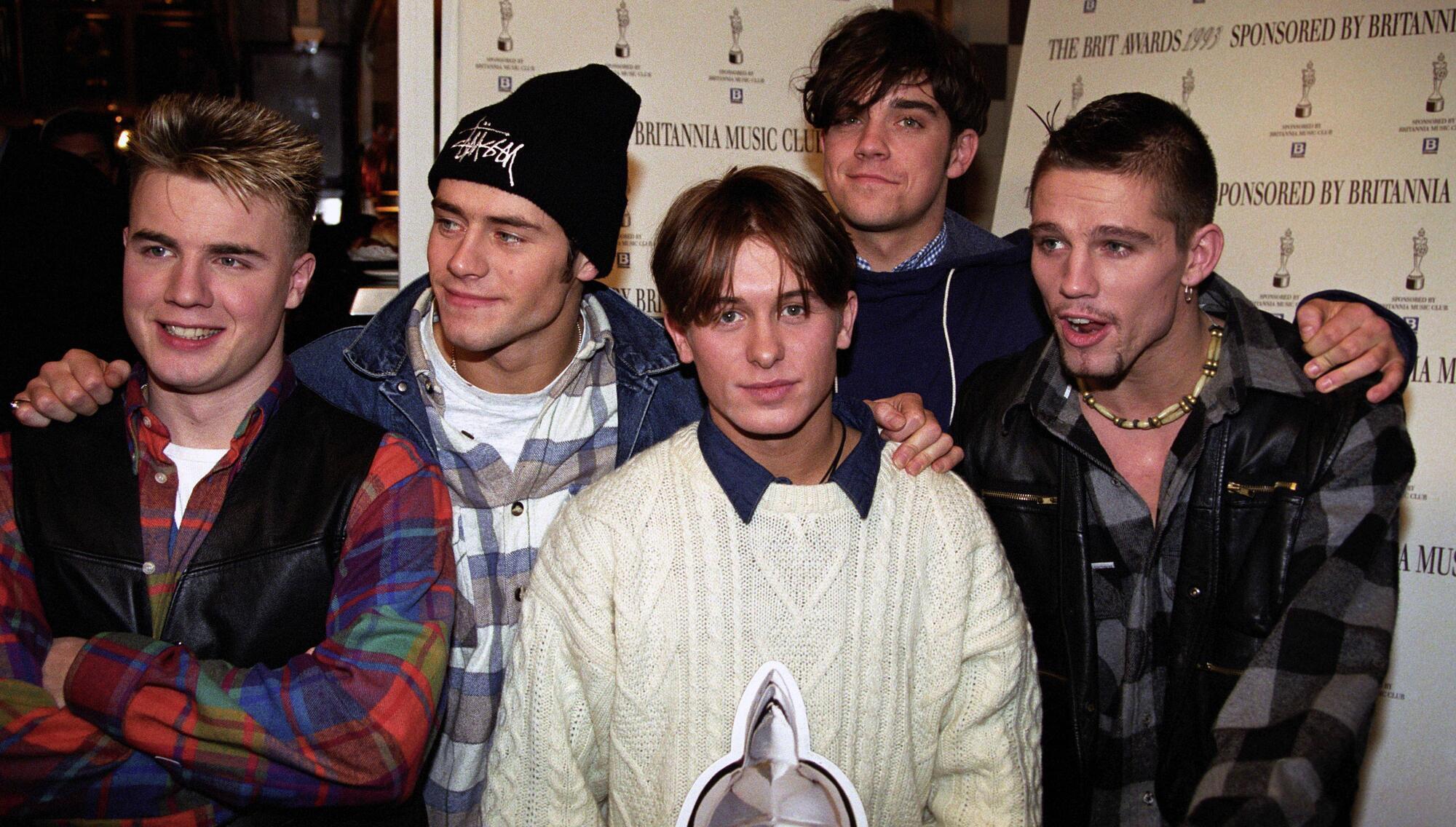
A few weeks ago That That held a virtual concert from their respective homes. I had the prosecco ready and the telly tuned to YouTube. I’m not going to lie, I was nervous. I had very low expectations of how they were going to pull it off, it all sounded a bit naff, to be honest. Oh but ye of little faith, it was a night to remember.
As Gary began playing the first few chords of 'Greatest Day' I instantly felt an immense surge of happiness — I was off the couch and dancing, yes dancing, for the first time in months. I almost wanted to cry out of pure elation. Amidst the stress of being confined to our homes, worrying about our health, loved ones and a changing world I had forgotten how amazing it is to listen to music you truly love and to dance. Dancing is just the best. This was to be one of the ‘Greatest’ nights of lockdown.

Music Therapist Jessica Harris explains how important this connection is: “If we are considering a song — the lyrics and emotional content of a melody can connect with us on an emotional and physiological level and can seem to give expression to our very own feelings,” she says, “Lyrics — combined with a reflective melody and through analysis and consideration — can speak to us deeply.
This can be a cathartic means of processing memories and feelings from the past and can sometimes bring us right back to a time and place.”
Its aim is to support an individual towards greater wellbeing and quality of life through the therapeutic use of music. It is a natural healer that can help us through the most stressful of times.
Read More
Allowing ourselves to enjoy the music we love is an activity we can enjoy during these uncertain times.
“Engaging in music therapy has been reported to reduce stress and anxiety in a number of ways,” explains Harris,
“Our brains light up when we listen to music and light up, even more, when we create music — and studies highlighting brain activity show that music has a unique means of crossing across both hemispheres of the brain. With so much happening while we are being musical our brain has less time to spend configuring it's response to stress!”
We can all relate to how music can be of major significance in our lives. There’s the song you had your first kiss to, the song you walked down the aisle to or a song a parent would sing to you as a child.
In the same way the music or bands we followed as teenagers were of deep importance to us.
At that vulnerable age finding the band or song that related to how you are feeling at that moment was akin to finding your tribe. Music allowed you to be a part of something from the security and comfort of your own bedroom.

Favoured as the tune to be played at the end of every disco, wedding and graduation, it is significant for many. It is also the most poignant song of my life. Strong words to say about a song produced by a boy band but you see a month before its release my Mum died. I was 16 years old.
In the space of 24 hours everything I knew changed. Life would never be the same again. I can’t really explain how it feels to lose a parent so suddenly and at such a young age.
At the time there is numbness, nothing feels very real or tangible. It’s as though you are floating above your body going through the motions. Nothing can prepare you for it and only those who have lost a parent can really truly understand the excruciating pain. A pain that wavers but is always hiding in the background, never letting you forget.
Take That were my solace. I was a boy band fangirl and not ashamed to admit it.
Being a Take That fan was like being apart of a tribe. It didn’t matter where you were from or if your Mum had just died when you met a fellow Take That fan there was an instant connection.
You had respect and were one of the same. This was vital to the 16-year-old girl who suddenly found herself different from all her friends. My Mum was gone and I desperately needed a connection and a distraction from my grief.
“Grief is a process that can often feel intensely lonely and isolating,” explains Harris.
“Through music, we are identifying with and creating tangible expressions of our emotions, and through these means we are able to explore and share our expressions of grief.”
Take That were all of that and more. Like every Take Thatter, I had reams of video footage recorded from the TV of the boys. These videos were my comfort blanket.
Every day I would put them on and escape. It was easy the lads were fun. They made me laugh; they made me swoon. It was pure escapism from a sad reality.
The release of Never Forget just a week after Robbie William’s departure from the band — which had resulted in a helpline set up for distraught girls — was uncannily timed.
This is a teenage anthem about growing up, realising the achievements you have made so far, the journey you have been on and that things inevitably come to an end but we should never forget where we came from.
It was a song that summed up a lot of the feelings of grief I had for my Mum and for my former life before she had died. There would always be the before and after Mum died.
Even now 25 years later my memories are set into categories of before and after. It was the song that represented Robbie leaving the band and the beginning of the end. It is a coming of age song that will make you laugh and cry all at the same time.
Take That may not be the most credible of '90s bands but I can bet even the biggest of music snobs has thrown their arms in the air singing 'Never Forget' at some time.
And as we enter new phases of our lives we should never forget that we’ve come a long way.
For more on music therapy with Jessica visit jessicaharrismt.com
CONNECT WITH US TODAY



Be the first to know the latest news and updates