What the world’s leading ageing scientists taught me about diet and living longer
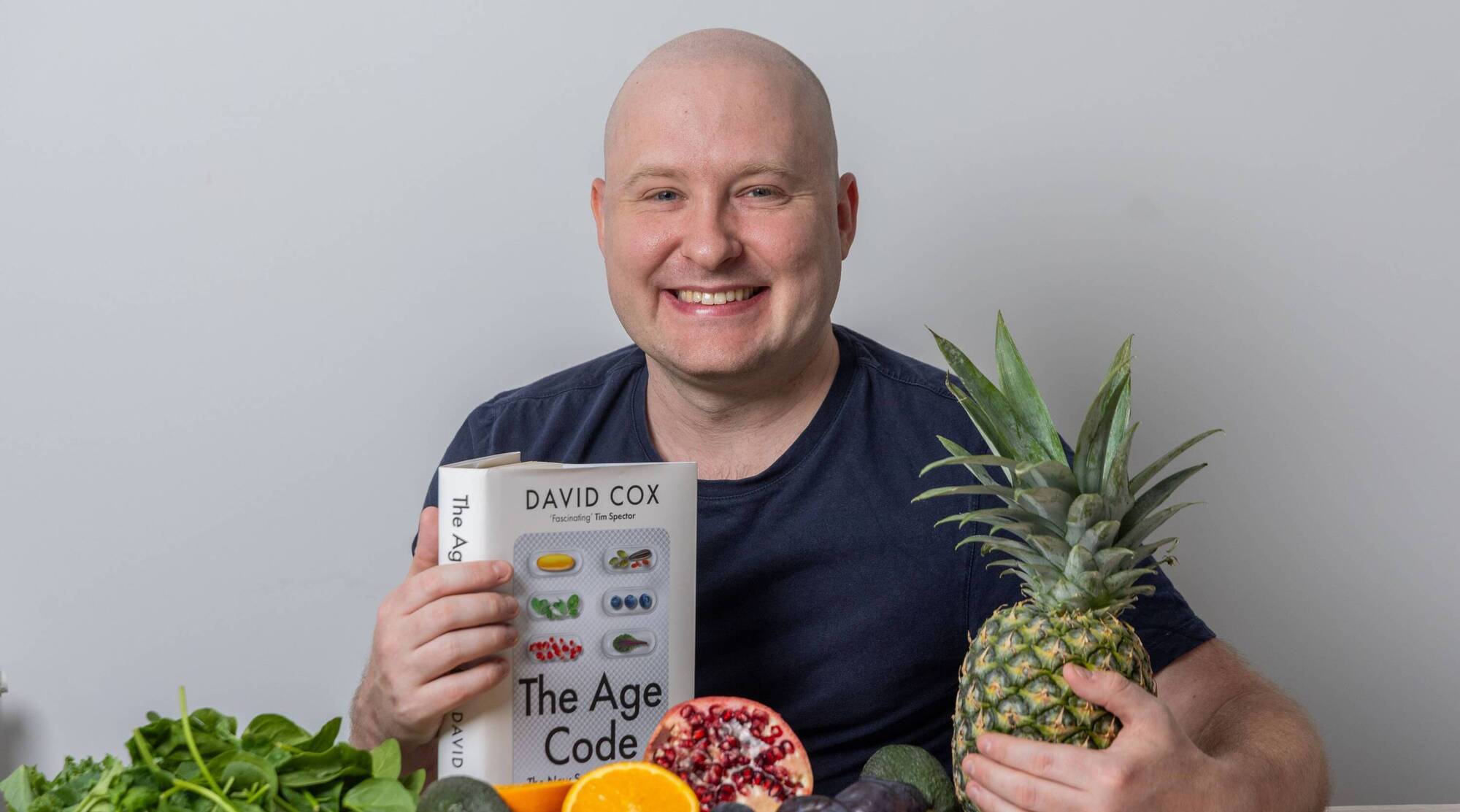
Science writer David Cox with his book The Age Code. Picture: by David McHugh / Brighton Pictures
The first line of the report was a shock. “You are two years and two months biologically older,” was the startling conclusion, based on an ageing test that had measured various chemical patterns across my DNA.
While I was aware in my mid-30s of encroaching middle age, I had assumed I would be biologically younger. My lifestyle seemed healthy: I play sports, don’t smoke, and only drink alcohol occasionally. But other tests would soon confirm that this result was no fluke.
From the level of inflammation in my body to the degree of stress on various organs, I was ageing faster than I should be.
A trip to Hooke, a London-based longevity clinic, and consultations with experts in nutrition and ageing science, soon revealed that the major problem was my diet. I was regularly eating an excess of 600 calories per day, far more than my body required.
Also, while only marginally overweight, I had accrued dangerously high levels of visceral fat, the particularly damaging fat that accumulates among organs like the liver and which contributes to chronic inflammation throughout the body.
This was the beginning of my three-year investigation into the connection between what we eat and how well we age. My findings are detailed within a new book, The Age Code, which is being published next week. Along the way, I interviewed several hundred of the world’s leading scientists in the field of ageing. Most agreed that the changes we’ve often assumed are the natural consequences of ageing — loss of energy, declining muscle mass, midlife weight gain, and the gradual deterioration of our cognitive faculties — are not inevitable. Instead, they are strongly influenced by lifestyle, particularly diet. In the book, I describe this as ‘degenerative ageing’ – age-related changes that are not solely programmed in our DNA, but are shaped by how we live.
Other cultures show us how things can be different. Take the Tsimane tribe in the Bolivian jungle. Ageing experts who have tracked this indigenous community for decades have reported few signs of inflammatory illnesses, such as rheumatoid arthritis, while tribal members in their 70s and 80s show none of the expected signs of brain or muscle atrophy. Biologically, their hearts appear to be decades younger.
Yet in Ireland, and in many other Western countries, diseases like bowel cancer and inflammatory conditions are not only on the rise, but occurring at a faster rate in younger people. This is a sign of accelerated ageing.
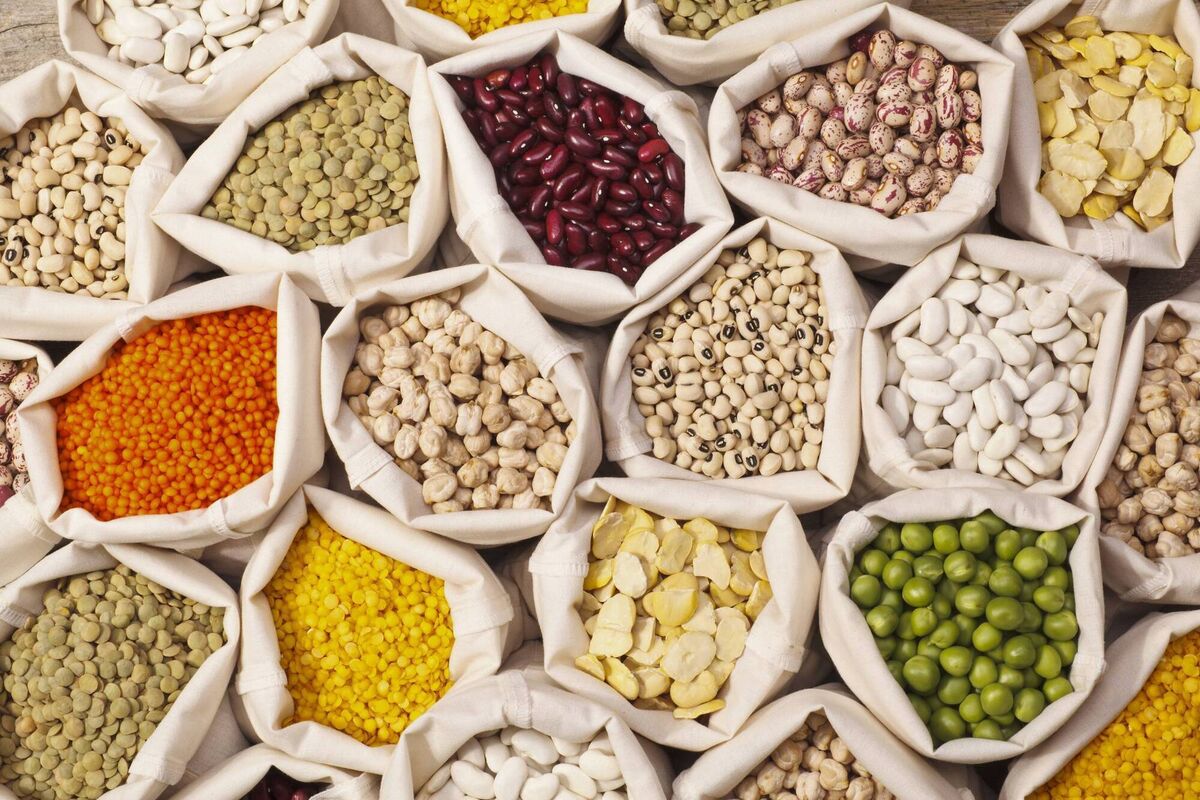
So why is this happening? It’s linked to what I call the processed-whole food balance. While the Tsimane, for example, consume an entirely whole-food diet, consisting of lean meat and at least 40g of fibre per day from fruit, vegetables and legumes, research suggests that ultra-processed foods comprise nearly half of the typical Irish person’s diet.
Scientists describe this shift towards highly processed foods in recent decades as a ‘nutritional transition,’ and, when it comes to ageing, we’re increasingly learning about the consequences.
Because processed foods are softer and more easily digestible, our bodies absorb more calories from them, which means we’re more likely to consume more energy than we need, which is then stored as visceral fat.
Not only that, but these foods can be addictive, drawing us into a pattern of eating from the moment we wake until we go to sleep. Pathways in each of our cells, which I call the ‘longevity switch’, respond to eating by fuelling cell growth, but during periods without food, they promote repair. By spending much of our waking time eating, this ‘longevity switch’ may be driving continual cell replication, which could increase our vulnerability to diseases, such as cancer, as well as creating more damaging visceral fat cells.
There’s much we can do to correct this cycle and age better, whether you’re in your 30s, like me, or even in your 80s and 90s.
Ageing is, at its core, a fine balance between the amount of damage that’s being inflicted on our bodies and their capacity to repair.
One of the biggest impacts of the nutritional transition to processed foods is that we’re not benefiting as much as we could from the numerous vitamins, minerals, plant chemicals, and healthy fats in whole foods, which serve as essential fuel for our bodies.
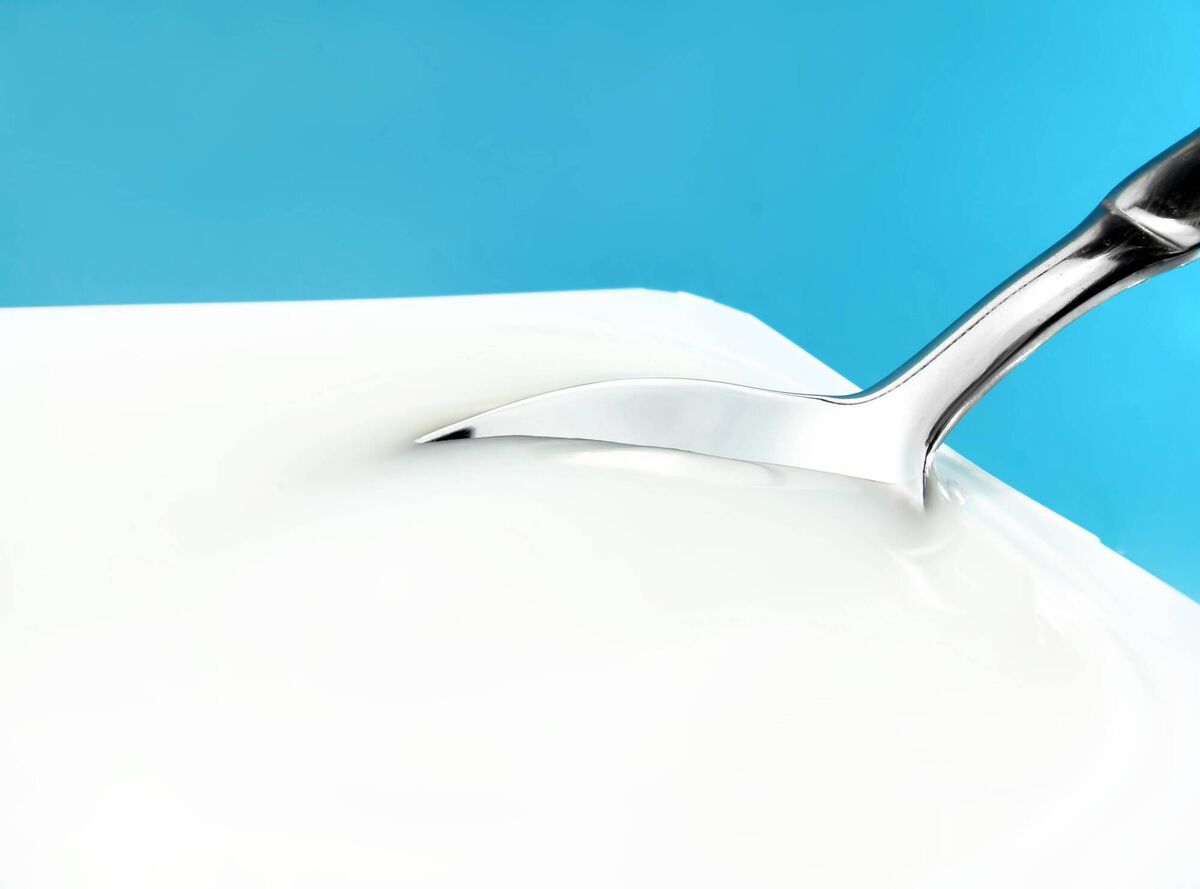
Take vitamin K, which is found in varying forms in leafy green vegetables and fermented dairy products. Scientists studying ageing have found that people who consume sufficient amounts of vitamin K — something we can all do simply by eating the equivalent of 1.5 cups of leafy greens per day, as well as Greek yoghurt, kefir, or aged cheeses — are much less prone to cardiovascular diseases, kidney disease, frailty, and even cognitive decline.
This is because vitamin K activates various proteins and hormones in the body, which ensure that calcium is directed to where it’s needed in the bones and prevents it from accumulating in the arteries and hardening them.
There is also the flavonoid family of phytochemicals, nutrients created by the immune systems of plants. Flavonoids are found in various teas (green, olong or chamomile teas), as well as unfermented cocoa, and in various colourful fruits and vegetables, such as strawberries, grapefruits, apples, celery, peppers, and tomatoes.
People who consume 400mg to 600mg of flavonoids daily are greatly protected against hypertension, a major public health problem, affecting 64% of people in Ireland over the age of 50, because flavonoids activate the production of a circulation-boosting hormone.

While many longevity influencers promote the virtues of largely unproven drugs or supplements, such as metformin, rapamycin, and NAD+, the strongest evidence is for omega-3s, which can be obtained from oily fish or inexpensive, readily available supplements. Because these oils are involved in everything from immune to muscle and brain health, simply consuming a daily omega-3 pill can go a long way to keeping you healthier for longer.
While writing my book, I followed a two-month diet, eliminating all processed foods, and I immediately saw improvements in my biological age measures. My levels of inflammatory proteins decreased, and my immune health improved, according to a blood test called IMM-AGE, which is currently used in academic research to assess a person’s immune age. When I went further and spent five months fuelling my body with 50g of fibre per day, along with a daily omega-3 supplement, the benefits were even more dramatic. My next test, examining patterns of DNA change, showed that I was now marginally biologically younger. Subjectively, I felt that I was also sleeping better and more resilient to coping with stress.
In the early stages of researching my book, I visited a clinic in Helsinki that used a novel AI tool to analyse patterns of metabolites, molecules floating in our blood that reflect both what we’re eating and the health of our cells. It predicted that unless I changed my diet, I was on a path to developing chronic kidney problems within 20 years.
The increasing availability of these kinds of tests — check out the Clock Foundation and TruAge — will make it easier for people to detect early warning signs of waning health.
Ultimately, there are many ways we can adapt our eating to age better. Even changing when you eat can make a major difference. Research has shown that our bodies use dietary protein to build muscle more effectively when we consume it in the form of eggs for breakfast, rather than steak at night, for example.
I’m focusing hard on consuming more leafy greens, true superfoods that are rich in so many beneficial micronutrients, as well as taking regular omega-3 supplements, and am committed to improving the processed/whole food balance in my diet. Though I still believe that food is one of life’s great pleasures, and enjoy the occasional Friday night takeaway, the overall balance of my diet is now far better.
In just a few months, simple changes led to a major transformation in my underlying health and how well I was ageing. The same can be true for you.
A hardy fruit that can survive droughts and temperature ranges from −15°C in cool winters, to in excess of 30°C in summers, the pomegranate possesses secrets that might have remained unknown had it not been for a chance experiment at Washington University School of Medicine in the mid-2000s.
Rich Hartman, then an early-career researcher collaborating with pharmaceutical companies to test whether an experimental antibody could reverse signs of neurodegeneration in geriatric mice, was only mildly interested when he agreed to help a paediatrician friend test whether pomegranate juice could shield baby mice from birth trauma. ‘He was really pumped about this fruit juice experiment, and I was like, “That sounds cute, have fun,” ’ Hartman laughed as he recalled the episode. ‘I’m gonna be over here, working with my real drugs. But then his results were extraordinary.
The experiment modelled perinatal ischaemia, or brain damage in an unborn foetus caused by a lack of oxygen, something that can occur when the umbilical cord becomes accidentally compressed or knotted. But in cases where pregnant mice were given pomegranate juice before the perinatal ischaemia took place, their babies appeared to have been protected: the amount of brain damage was reduced by two-thirds.
Astounded, Hartman decided to see if daily pomegranate juice might work in his own experiments. To his astonishment, the juice appeared to be comparable, if not better, at preventing neurodegeneration in mice than his drug. ‘It was quite striking,’ he told me. ‘When I compared my two experiments, we’d gone through about $30,000 worth of the drug, and about $30 of pomegranate juice. And not only was the juice a thousand times cheaper, but we got slightly better results.’ It was a career-changing moment. Today, Hartman runs a lab at Loma Linda University, where he’s repeatedly demonstrated that the juice of this remarkable fruit can protect and to some extent even help repair the brain. In one clinical study where patients underwent open-heart surgery – a lengthy operation known to affect the brain* – he showed that giving them pomegranate supplements prior to the operation actually led to improvements in memory and cognition. Even more remarkably, a later clinical trial demonstrated that these fruits seemed to boost cognitive function in acute stroke survivors, helping them leave hospital earlier and cope better with daily living activities.
His advice to me was simple. If you want to lower your risk of cognitive decline and Alzheimer’s, start in your 30s, 40s and 50s and either eat pomegranates regularly or drink one or two cups of their juice a day, something that anyone can make relatively easily through chopping the fruit and putting the seeds into a blender. ‘It’s a cheap and easy solution for keeping your brain healthy and more resilient,’ said Hartman.
But why does it work? It turns out that the pomegranate story symbolises something far broader. The reason why whole foods can heal and rejuvenate the human body is not only a matter of vitamins, minerals and beneficial fats, but an entire universe of other nutrients that until fairly recently remained little understood.
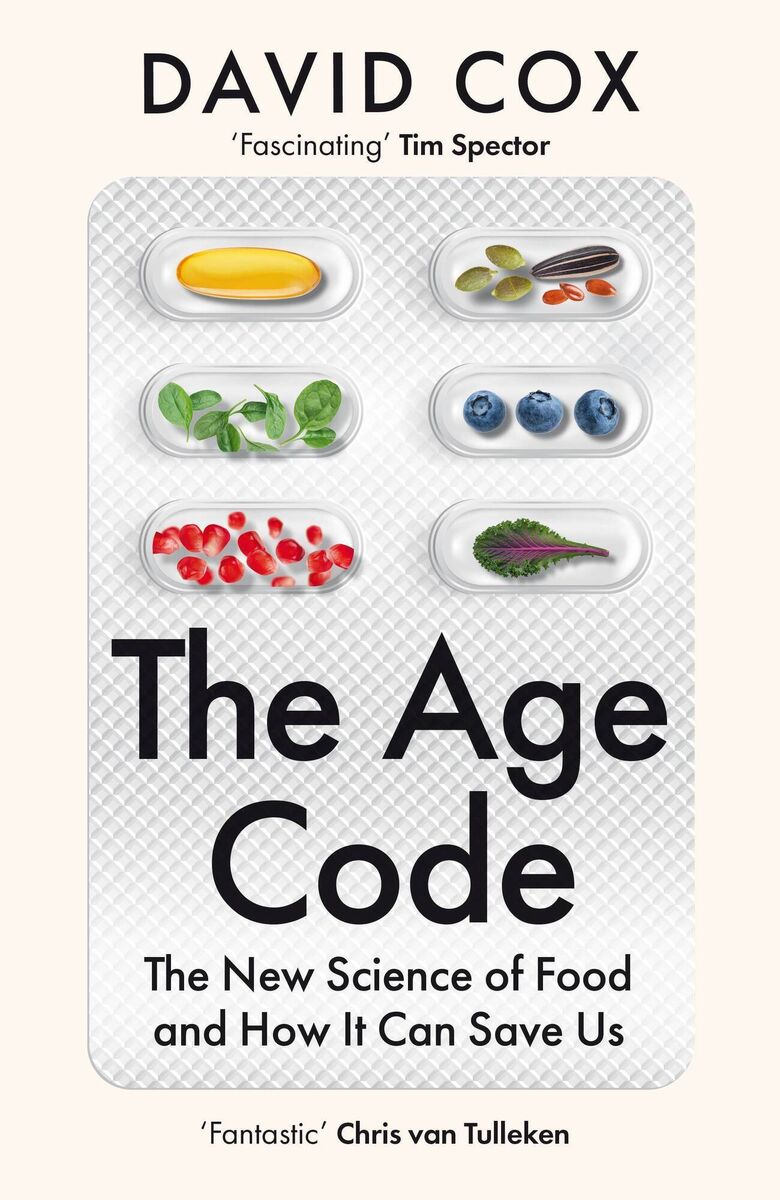
- ‘The Age Code’ is out on April 23 and is available to pre-order on Amazon .

CONNECT WITH US TODAY



Be the first to know the latest news and updates