The future of aesthetics: How Botox, exosomes and facelifts are reshaping beauty in Ireland
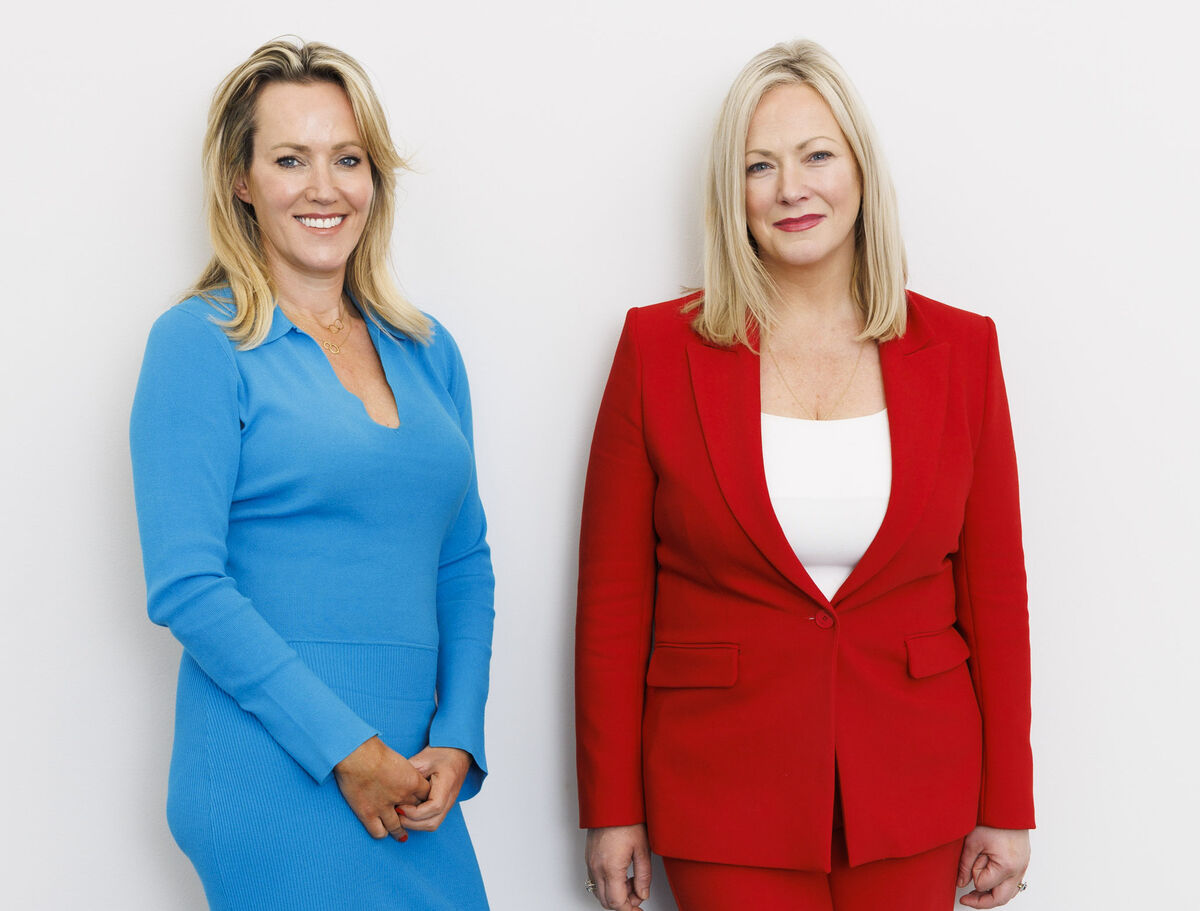
Future Beauty Show founder Liz Dwyer: 'Ten or 15 years ago, there were only a handful of clinics. Now, they’re as prolific as coffee shops'
Beauty moves fast. One minute everyone wants lip filler; the next, collagen-stimulating injectables, peptides and a 'ponytail' facelift. If you want a snapshot of what's capturing our collective attention, Google is as good a barometer as any. Over the past year, Irish searches for terms such as "deep plane facelift", "vampire facial" and "bleph" — shorthand for blepharoplasty, the eyelid surgery that removes excess skin — have surged, alongside consistently high interest in Botox and fillers.
Just as telling are the treatments falling out of favour. Traditional fillers, which can migrate or become lumpy, harsh laser resurfacing and thread lifts, which often deliver short-lived results and can leave scarring, are less in demand, and the facelift — once viewed as a last resort for ageing celebrities — is moving into the mainstream.
Future Beauty Show founder Liz Dwyer, who has a front-row seat to the industry's fastest-moving trends, believes our current aesthetics boom is being driven not only by changing attitudes, but by the explosion in clinics and treatments now available, meaning supply is finally starting to meet demand.
“Ten or 15 years ago, there were only a handful of clinics. Now, they’re as prolific as coffee shops,” she says.
The number of treatments options available to consumers has also expanded exponentially.
"You've about 30 different heat treatments available to tighten, lift, tone, snatch – whatever you want.”
When it comes to the proliferation of the aesthetic industry, one question comes to the fore - is everyone really getting invasive treatments?
“Getting injectable and cosmetic treatments has become the norm," says Prof Caitriona Ryan, consultant dermatologist at the Institute of Dermatologists. "It's not something that people hide away as much, it’s now seen as the standard thing to do.”
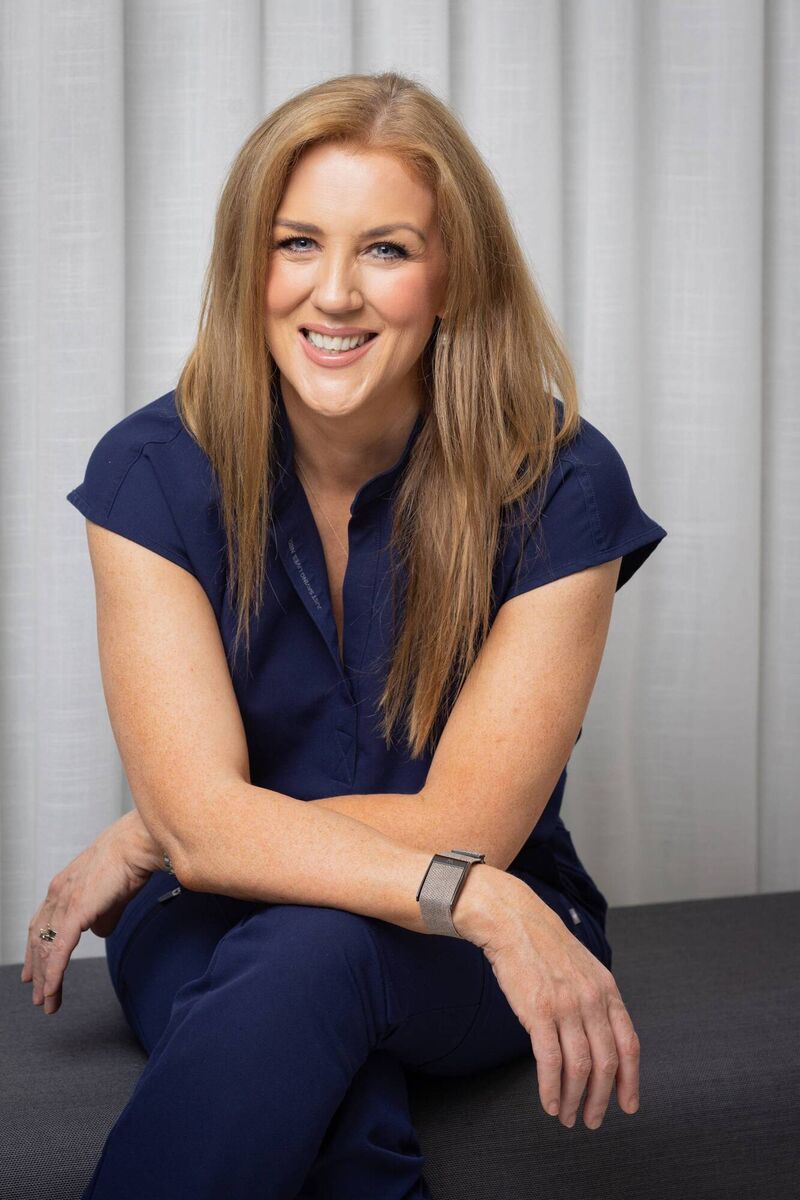
At the same time, Eavanna Breen, clinical director of the Eavanna Breen Skin and Laser clinic, says people can feel undue pressure thanks to social media and their peers.
”When people come to me for a consultation, I often hear that they've been out with their girlfriends and realised they're the only one that isn’t doing Botox," she says.
In her own practice, Breen often encourages women to explore non-surgical treatments like microneedling and radiofrequency, which are popular for skin tightening.
“Radiofrequency creates a controlled thermal injury in the skin so that the collagen tightens,” she says. “So you're getting tightening and toning, and we combine it with MiniFX, which is a high voltage pulse that pops the fat cell as well.”
Microneedling offers similar results. “You're creating a controlled wound so that the skin starts to stimulate growth factors like collagen and elastin. And then you can incorporate things like Exosomes to help accelerate that process,” she explains.
The new kid on the block, Exosomes, are microscopic particles derived from stem cells that deliver growth factors to dormant cells to stimulate collagen production and hair growth. They can be injected, but in the case of microneedling, they’re applied topically and worked into the skin that way.
“Injections haven't really changed in terms of their composition," Dwyer says, "but how they're administered has been changing a lot."
Practitioners are moving towards ‘cocktails’ of injectables, and it is common for women to opt for the chest upwards (as opposed to just the face), "for a much more natural result"
“You might be getting a bit of filler, or Profhilo [hyaluronic acid to hydrate and stimulate collagen and elastin production], mixed with Botox, and microtox on a surface level. They're all being used in different guises,” Dwyer says.
Consultant-led brow lifts and blepharoplasty are now available at Dublin's Institute of Dermatologists, which has seen huge changes over the seven years it has been operational.
The Institute offers a comprehensive list of face and body treatments, laser and injectables, including Philart, a polynucleotide injection. This uses purified DNA fragments derived from biocompatible salmon or trout, and works to stimulate cellular repair, boost collagen and elastin production, and deeply hydrate the skin from within.
Stateside, a common look among American Republican elites dubbed Mar-A-Lago face is big on fillers and heavy makeup. Here, Kerry Hanaphy says the tide is turning away from that unnaturally plumped look.
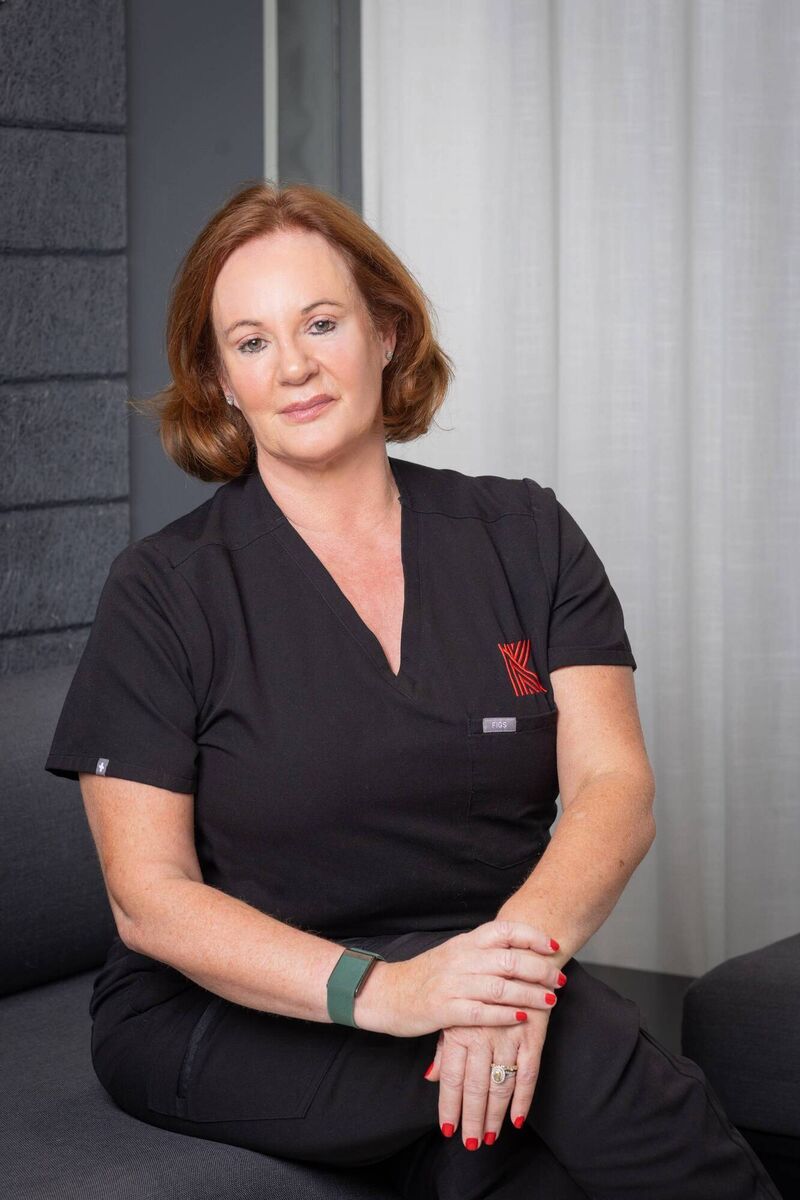
“What I’ve noticed within the industry, coming on for 20 years now, is that initially it was all fillers, fillers, fillers, with people looking for instant results,” she says.
Hanaphy, who has just opened her fifth cosmetic clinic in Dublin’s Nutgrove, extols the benefits of Botox and fillers, but she says the type of filler they used today and the results women are looking for have changed.
“We still need fillers, they aren’t the baddies," she explains. "But now we have injections that stimulate your fibroblast, your collagen, your elastin. If you go to the gym, you're keeping your muscle density strong, so we do the same with the face.”
Ryan, who recently created ID Formulas, a new supplement designed to reverse biological signs of ageing, agrees.
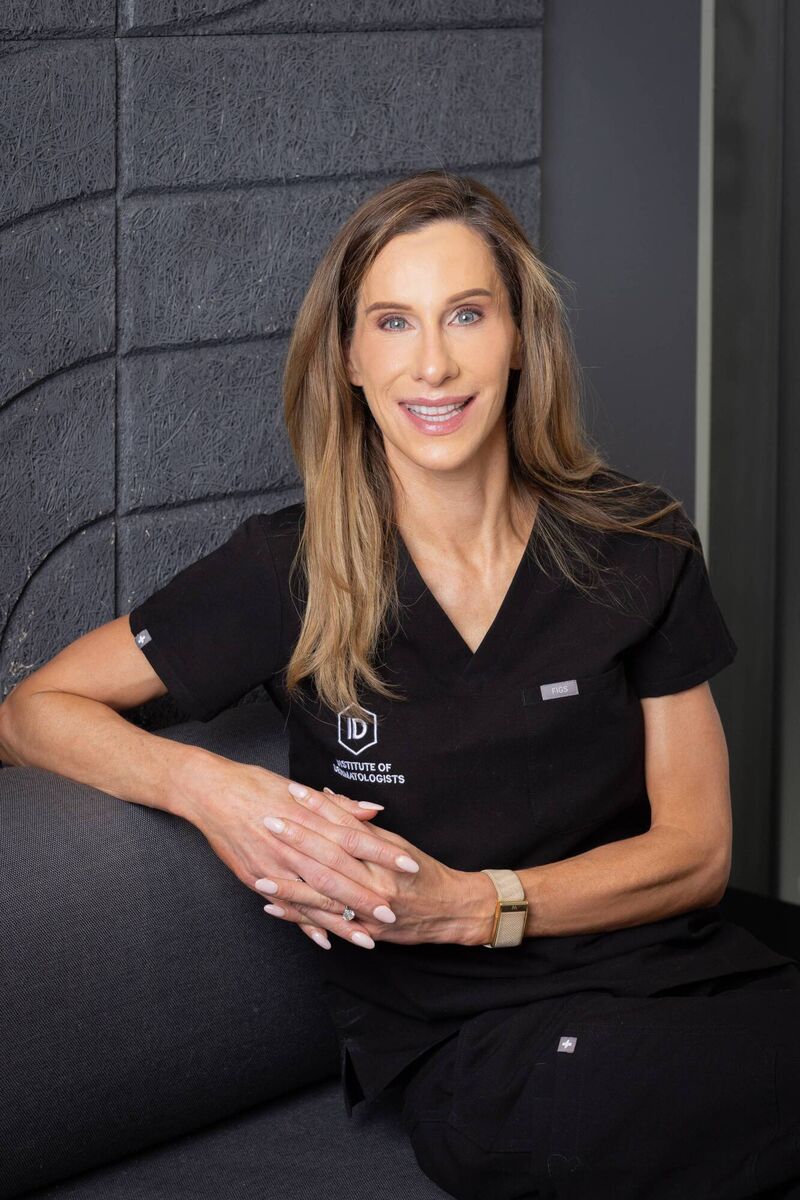
“People are now about trying to regenerate their own skin. They're doing things to biostimulate, and bank collagen."
She is a fan of Sculptra, an injectable made from poly-L-lactic acid (PLLA) which encourages cells to rebuild structural support.
"It's a really subtle, beautiful type of dermal filler," she says.
“It works away in the background and really helps to tighten the face and jaw." And in, 2026, Ryan says everyone wants a "snatched jawline." In tandem with Sculptra, she is a fan of ablative treatments such as CO2 laser, radiofrequency, microneedling, and Ultherapy, all of which focus on collagen production.
Botox is also moving towards more subtle usage. “You're not supposed to see Botox,” Hanaphy points out.
And there’s something else that is driving up demand for cosmetic treatments: GLP-1 weight loss drugs. A recent Ireland Thinks poll found that 5% of Irish people are currently using, or have previously used, weight loss medications such as Ozempic, Mounjaro or Wegovy. That’s set to rise further as new drugs and oral options enter the market.
The results of significant weight loss, whether you’ve used a GLP-1 or not, can manifest in loose skin on the face and neck, aka ‘Ozempic face’.
“Weight loss causes sagging, but it's not because it makes the skin less elastic. It's that the fat pads are gone,” says Ryan. Heat therapies such as Sofwave, which uses ultrasound technology, help in tightening the skin, and injectable Sculptra are also rising in popularity as an effective way to put lost volume back.
“We’ve seen the whole boost in regenerative aesthetics,” says Liz Dwyer. “Everyone's talking about exosomes and polynucleotides, it’s in a nascent state. In another five years, it'll be gangbusters.”
Unsurprisingly, Ryan things supplements are increasingly entering the aesthetic chat, mirroring their popularity in the wider wellness space.
“I think people have really moved into supplementation when it comes to improving their health and the quality of their skin and hair from the inside out,” she says.
AI diagnostics are also on the way. These systems scan beneath the skin to analyse sun damage, hydration, and collagen density, for example, identifying issues at an early stage.
The rising use of cadavers is another fascinating, if ghoulish, development that we’re likely to see more of over the next few years. Cadaver bones are already used in reconstructive facial surgery, nose jobs and jaw augmentations, and increasingly, so is cadaver fat.
In the US, AlloClae and Renuva are FDA-cleared fat fillers made from processed human donor fat being used for facial volume as well as breast and buttock augmentation.
Dr Louise Smyth, a GP who opened KINS, first in Kinsale and then in the River Lee Hotel, urges a slow, steady approach. “If anything, I would say patients are becoming more sceptical and overwhelmed because of social media and the endless stream of new machines and products being marketed to them. Our patients are very busy with work, children and life. They don’t want another thing they have to research or be responsible for,” she says.
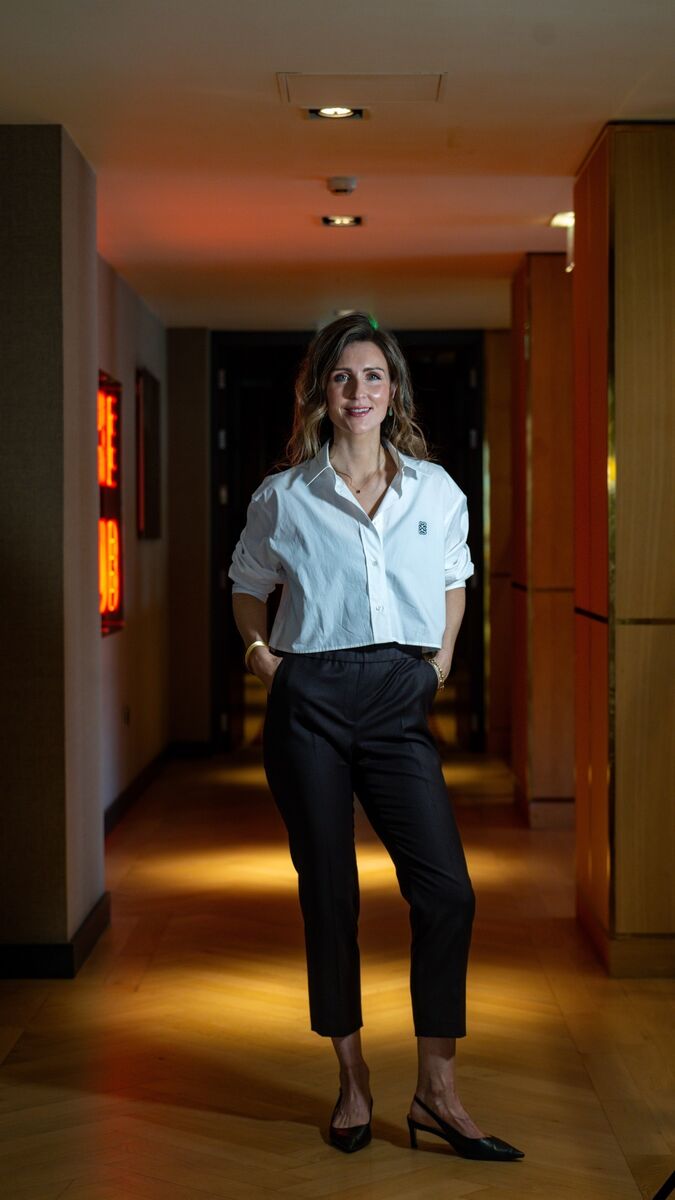
“What they want most is to trust someone to guide them on two things: what will give them visible early results for their immediate skin concerns, and what they should be doing for their future selves to slow down how their face is ageing overall.
“They also want as little downtime as possible so treatments fit into their working and social lives, allowing them to be consistent. Any patient who comes to us is long past chasing the newest product being marketed online. They understand that results come from following a consistent treatment plan.” F
or Dwyer, who has launched an independent aesthetic concierge service, Aesthetic Advice, which aims to offer unvarnished expert intel on cosmetic treatments, tweakments, and surgery, stronger regulation of the industry is something she hopes to see in future. “People assume someone with Instagram game is good, but the really good people are busy doing the actual work,” she says, and consumers should be cautious of “expertise versus exposure.” “The industry is still the Wild West,” she says. “It’s still up to the consumer to make sure that they’re not putting themselves in danger.”
There is often a perception that young females are the cohort spending big on beauty and cosmetic treatments. But that’s not necessarily the reality. “We don’t get many 18-year-olds any more. I do a clinic every Friday in City West shopping centre, and the age is 74 to 78,” says Kerry Hanaphy.
“They come in for smokers' lines, or for a little bit of volume in their face, and Profhilo is massively effective in that age group, it makes such a difference.” The age group Hanaphy sees the least is 32 to 39.
"They're busy with their babies. And then they come again, for many different reasons, in their 40s. Those in their sixties tend to come in when a child is getting married,” she says.
When it comes to what people are paying, it’s as long as a piece of string, and depends on the clinic. Botox can cost from €250 right up to €1,500, depending on the number of areas you’re having done. Filler too, can cost from €600 to €1,200 a year and beyond, depending on what you choose, how many areas it is injected into, and how often you get it done.
Microneedling can cost from €250, with Profhilo in excess of €300 per session. A blepharoplasty comes in at around €6,000, with a facelift costing approximately €20,000.

CONNECT WITH US TODAY



Be the first to know the latest news and updates