Sally Foran: Here's why your favourite make-up is being reformulated
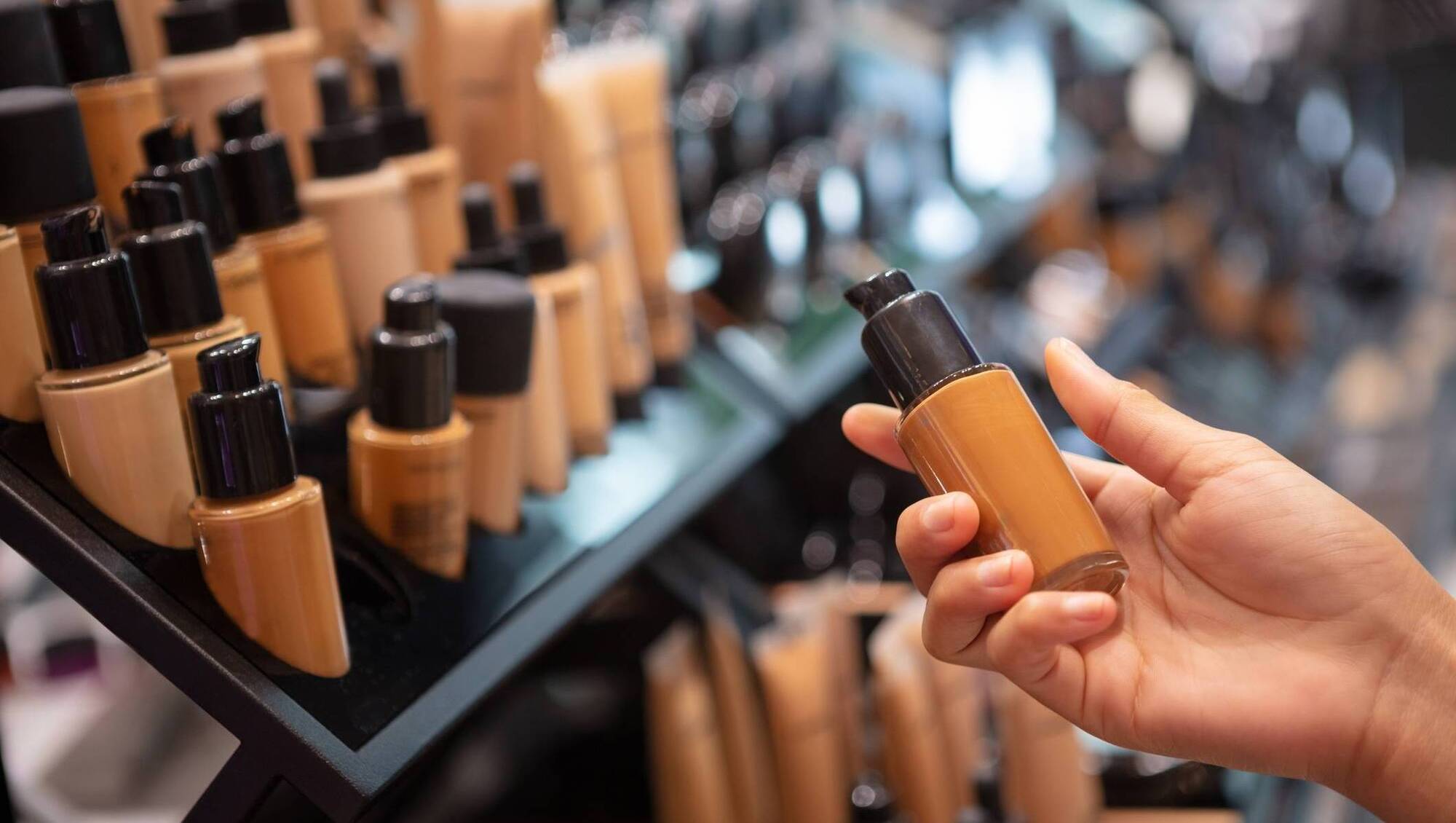
Brands reformulate all the time; the most common reason used to be access to ingredients, but these days it’s mainly due to new regulations or bans.

Nothing strikes fear into the heart of beauty devotees quite like the word “reformulated”.
Brands reformulate all the time; the most common reason used to be access to ingredients, but these days it’s mainly due to new regulations or bans.

Many of our favourite brands have recently reformulated beloved products, Nars, Estée Lauder, Giorgio Armani Beauty, and Sculpted by Aimee.
So why are so many foundations being reformulated? Here’s what you need to know.

Many products are being reformulated due to strict new EU regulations restricting specific silicones due to their environmental impacts. Most of interest to us beauty fiends, the EU has restricted the use of cyclopentasiloxane (D5) silicone, a common ingridient in many foundations. It has been restricted to 0.1% because it is considered a persistent forever chemical, and there are concerns about its environmental impact on waterways (it doesn’t break down when washed down the sink).
This new restriction has forced many brands to update their formulas. Brands have until 2027 to ensure products contain less than 0.1% of these ingredients. No new products exceeding this can be sold, and from June 2027, it will effectively be banned and any unformulated ones will be removed from shelves.
Because these silicones were vital for texture, many reformulated products may feel thicker, grippier, or dry differently. My Instagram DMs have been on fire, particularly about Estée Lauder’s reformulation...
Other ingredients are also under scrutiny and could be one to watch. Talc, for example, has been removed from many products due to contamination concerns and it’s expected a ban may be on the way. Microplastics are also expected to come under scrutiny next, and as I’ve written about previously, retinoids have already faced tighter regulations.

Brands are transitioning to “hybrid” products, focusing on hydration, barrier protection, and lighter textures. Charlotte Tilbury’s Magic Cream, unchanged since its debut in 2013 and still selling at the rate of one pot every two minutes globally, has now got a new first-to-market Recoverstem peptide blend derived from eternal jasmine youth plant stem cells, chosen for their superior regenerative capabilities.
Giorgio Armani Beauty Luminous Silk Foundation now features glycerin, niacinamide, Mediterranean floral extracts, along with an extended 44 shade range. It also includes “Liquid Silk” technology for better blurring and a thinner, serum-like consistency.
Estée Lauder Double Wear Stay in Place Foundation has been updated to be more fluid and buildable with a breathable polymer system, with hyaluronic acid and niacinamide for hydration and oil control, with wear now allegedly extending to 36 hours.
Dior and Nars have also reformulated several of their top formulas to incorporate more hyped skincare ingridients.

Pressure to perform, and quickly, is also driving change as we become more demanding of our products.
Olaplex’s No. 3 Plus is a new three-minute evolution of its No. 3 Hair Perfector, I, for one, am definitely more likely to do this pre-shampoo step now.
Diptyque, meanwhile, has updated its iconic candles, unchanged since the brand launched them in 1963, with refillable glass vessels to ensure they’re more sustainable for devoted fans.
Brands may also reformulate based on customer complaints.
I wasn’t a fan of the original as it left my brows white, but Refy Brow Sculpt has been reformulated to remove white residue and improve hold.
Sometimes formulas change because brands change labs or lose access to ingredients. Laura Mercier reformulated its tinted moisturiser in 2019 after moving under Shiseido.
Customers weren’t happy with the coverage, so the brand spent four years developing a new version closer to the original, relaunched in December 2025.