'It just seemed like a no-brainer': Meet the women who make their own clothes
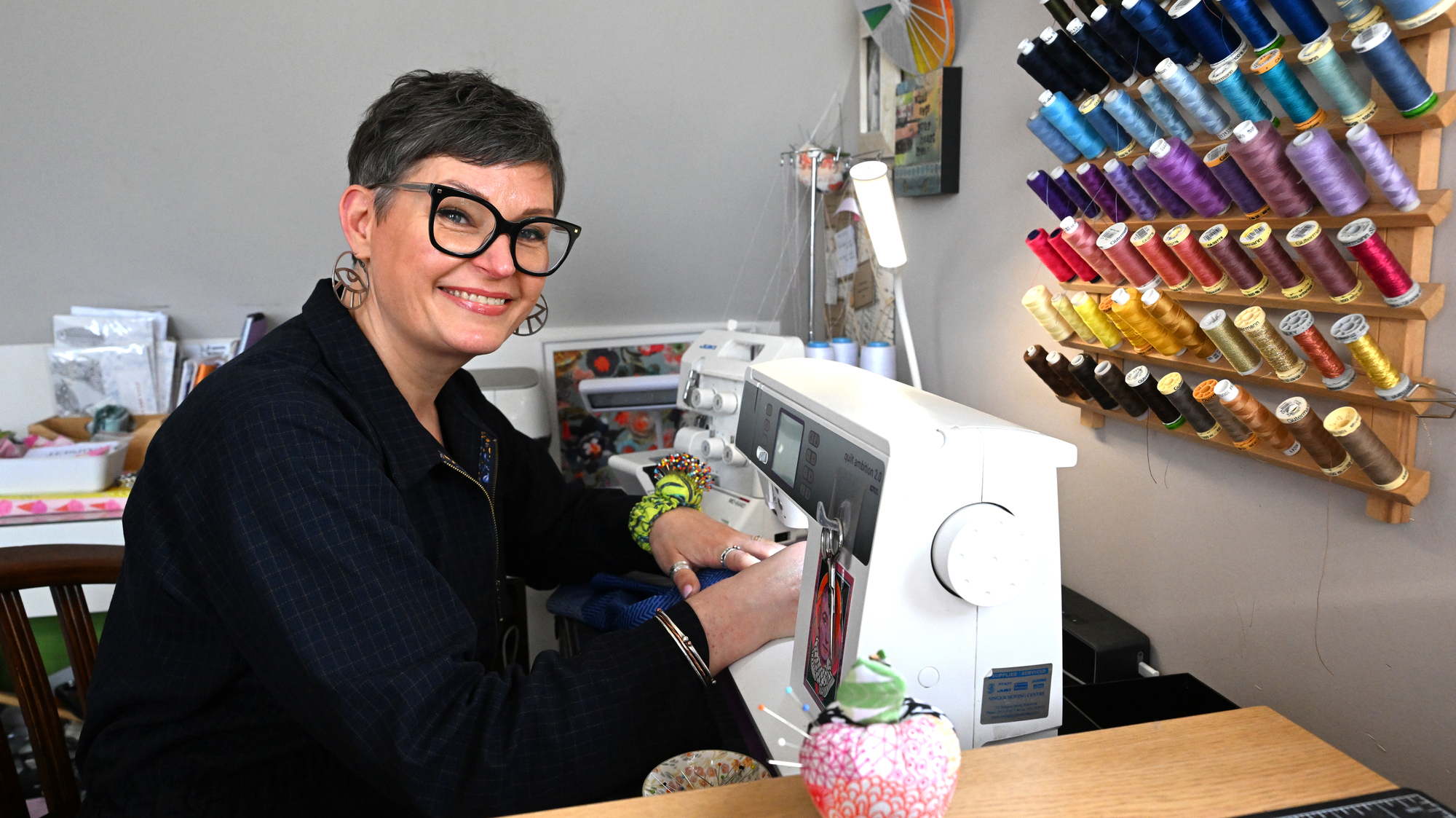
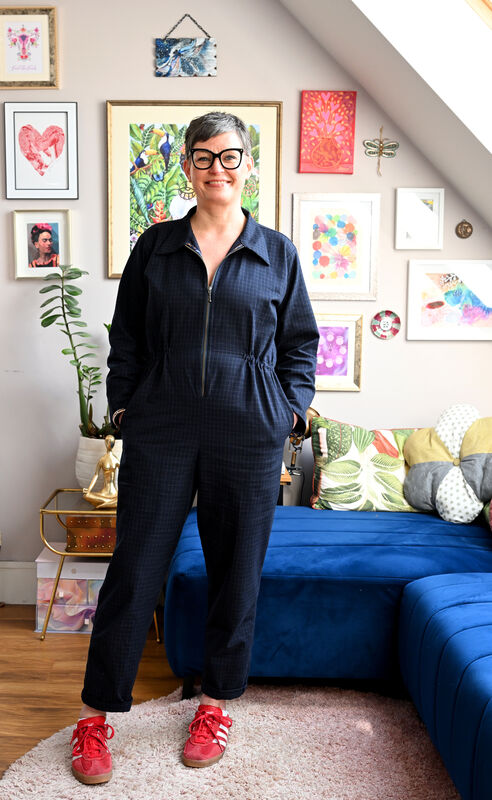
Seamstress Joanna O'Dowd encourages people to make their own clothes. Picture: Larry Cummins
Despite growing awareness of the damage our overconsumption causes, our shopping habits remain largely unchanged.
On social media, influencer culture keeps the cycle going with haul videos containing more clothes than any one person realistically needs, urging us to buy whatever they’re peddling before it sells out. Last year, ultra-fast-fashion behemoth Shein reported that over €21bn in sales was handled by its Irish companies — a figure that is indicative of a wider issue.
For many people, buying less, but better, is becoming the solution. For others, it’s sourcing second-hand where possible. But for Lauren O’Hara, Annie Hayes, and Joanna O’Dowd, it’s opting out altogether and making their own clothes.
“I’ve been sewing since I was a kid,” says O’Hara, whose mum taught her to embroider. After becoming a mother herself, she learned how to use a sewing machine and started making pieces from scratch. “I think having my daughter was instrumental in that,” she explains, adding that the idea of buying clothes that weren’t made ethically, and potentially contributing to landfill, made her feel “uneasy”. “There are some really wonderful ethical brands out there, but it’s a little bit out of my price range. It just seemed like a no-brainer,” she says.
CLIMATE & SUSTAINABILITY HUB
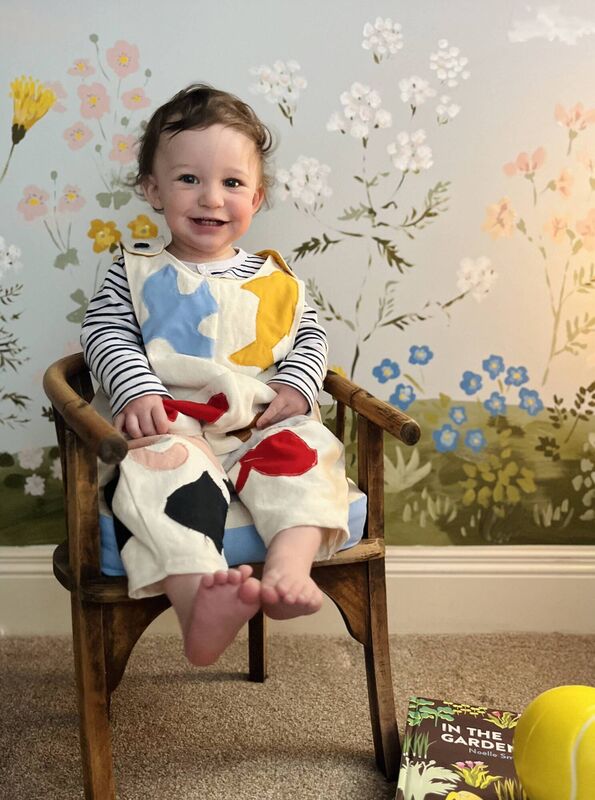
That decision also offered her the freedom to curate her daughter’s wardrobe however she wanted. Fast fashion options are often “a bit sad and beige”, she tells me — a mortal offence to the children’s illustrator. She prefers fun and colour and is busy researching painted fabrics and appliqué, so she can eventually put her illustrations onto clothing.
Making pieces for a growing toddler can sometimes feel futile, but the sense of achievement is irrefutable.
“That’s the thing about starting out making kids’ clothes, there’s a certain amount of shonkiness allowed,” says O’Hara. “It’s a really nice way of playing, practising and learning.
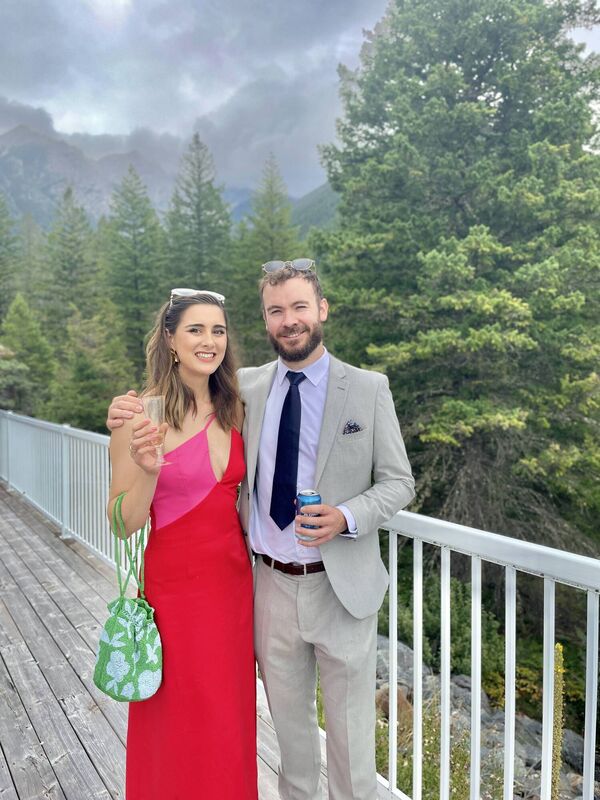
Like O’Hara, Hayes inherited her love of crafting from the women in her life. “My gran was an amazing sewer, knitter, and maker of things. My mum primarily made quilts and stuff, but she was very good at anything artsy. She died when I was 25, but when the pandemic started, I was left in the house with not much to do. Someone got me a book on how to sew for my birthday, and I just kind of started figuring it out. The first few things I made were fairly shite, but it gave me the bug. Once you get the concept of it, it gets really addictive.”
On social media, Hayes enjoys sharing her creations with her Instagram followers, but the process of making her own clothes is quite a mindful one. “We’re spending a lot more time consuming than creating, so it feels really nice to create something with your hands,” she tells me.
Finding a way to get off her phone was one motivation, but moving away from fast fashion was another impetus.
“I wouldn’t buy clothes new, really ever, but sometimes I’ll walk around the shops and take pictures of things I like and try to figure out how to make them... Not everything I make turns out well, but I learn something from everything I make.”
Admittedly, making your own clothes is not a quick fix, and it takes lots of time, patience, and resources.
“At the start of the year, I try to plan out 10 or 11 things that I would really like to make, that would fit into my wardrobe, that make sense with the rest of my clothes, and that I’ll wear regularly. That helps me manage my time and my expectations. I can’t churn stuff out, so I’m better off just focusing my time in a way that makes sense.
“It makes you think a lot more about the type of things you actually wear,” she says. “There’s nothing more disappointing than spending 15 hours on something and being like, ‘Ok, this would be great… on someone else’. Which does happen!”
Last year, Hayes took on the mammoth task of making her own wedding dress. “It was intimidating, I cried a lot,” she admits. “I second-guessed myself a lot. I’m not a couture sewer; I know that I’m not going to be able to make something as good as someone who does it professionally, but I thought it would mean a lot more to me to wear something I made on my wedding day and because my mum wasn’t going to be there, it made me feel close to her, which was nice. I’d rather look nice in something I’d made myself than look amazing in something that someone else had made.
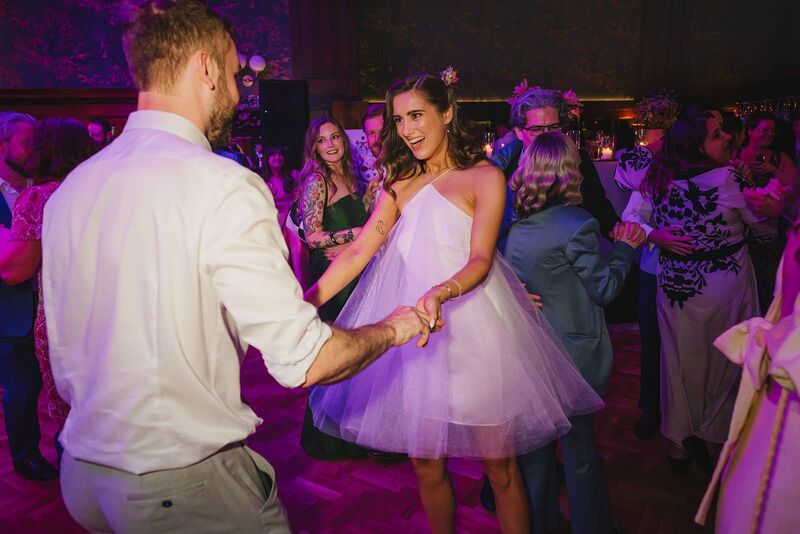
“There’s a story to it when you’ve made it yourself. There’s a lot of joy that comes from making things, and I think the creative process is something that’s a little undervalued… I don’t think sewing saves you money, but it does bring a lot of value to your life.
“Personally, I like things to look a little bit more polished, and that takes time. You learn as you go. Keep an eye out for a second-hand sewing machine and start on fabric that you don’t care that much about. Don’t be wasting the good stuff.”
For O’Dowd, sewing and mending are things she’s always done.
“I grew up in communist Poland, where a sewing machine wasn’t a fancy tool for a fancy hobby. It was just a tool like a washing machine and a dishwasher. My grandmother would cut off buttons from clothes that were no longer usable. Shirts were chopped for rags; that’s the kind of norm I grew up with. After my second daughter was born, I lost my mom. I had postnatal depression, and sewing lifted me from a very dark place.”
Encouraged by friends to start selling her wares — “the worst advice any friend can give you” she laughs — O’Dowd has pivoted her business several times over the past few years but now focuses on teaching others the skills she’s so enthusiastic about.
Deeply rooted in the art of making, her classes have sold out in as little as 30 minutes.
“My waiting lists are as long as my arm, which tells me we need more people doing this because there’s definitely demand. It’s wonderful,” she says. “I’m not against fast fashion because we all come from different economic backgrounds.
Sustainability is a big reason why O’Dowd feels moved to teach, but empowering women to be more confident in their bodies is another motivating factor. “I grew up in the 90s. We were bombarded with really crappy body image, which has caused massive trauma for a lot of us,” she explains.
As she points out, if you make your clothes, you can fit them to your exact measurements, rather than having to squeeze your body to fit into standard clothing sizes. “For me to see women building healthier relationships with their own bodies and not being caught up in sizes [is amazing]. As a woman, your size changes from breakfast to lunch to dinner. It changes depending on the time of the month. That’s normal, and it’s ok. Your clothes should be able to accommodate that,” she says.
Adding pockets to dresses is another passion project.
“That’s how I fight patriarchy, one pocket at a time.”
CONNECT WITH US TODAY



Be the first to know the latest news and updates