The Skin Nerd: What you need to know about psoriasis and how to manage it
Pic: iStock
With August being its national awareness month, psoriasis is a word you may have heard mentioned more recently.
More common than many imagine, over 125 million people worldwide suffer from psoriasis – an autoimmune condition that causes symptoms on the skin and often the joints too.
This condition truly reflects the notion that skin is more than a surface-level consideration, often having a significant impact on the psychological wellbeing of its sufferers.
Although there is no cure for psoriasis, there is support available and there are many things you can do to lessen the impact of the condition on your skin and wellbeing.
This week, I speak to Professor Caitriona Ryan, Dermatologist at Institute of Dermatologists, Ireland about what you can do to manage this condition positively.
"Psoriasis is a chronic autoimmune condition that affects the skin, joints, and other organs," explains Caitriona.
When a person has psoriasis, the process of skin replacement speeds up, meaning rather than taking 21-28 days to replace skin cells, it takes just a few days.
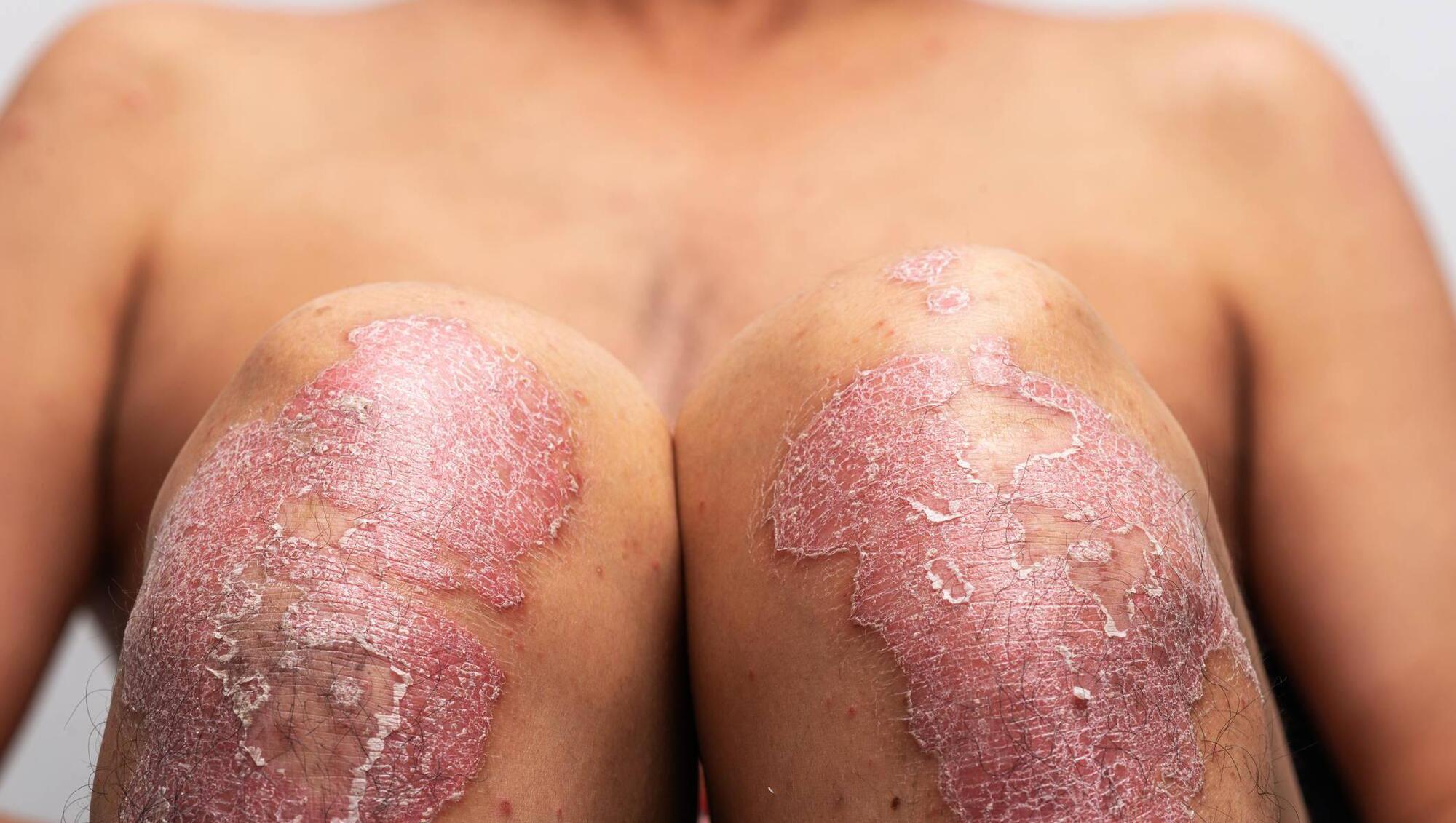
This buildup of skin cells then forms raised ‘plaques’ on the skin.
"Typically, plaque psoriasis lesions are round or oval in shape, with red, raised borders visibly distinct from surrounding unaffected skin, and are called psoriasis plaques. Although plaques can appear anywhere on the body, the most commonly affected sites are the elbows, knees, lower back, and the area around the belly button. About half the people with plaque psoriasis also develop lesions on their scalp, which usually begin behind the ears and along the hairline. Psoriasis can also affect the palms and soles of the feet."
It can be an uncomfortable condition, "Dry, cracked skin may cause itching, burning, or soreness, and the skin may bleed. Up to 25% of psoriasis patients also have joint involvement causing joint pain or stiffness (psoriatic arthritis).
"Psoriasis also affects the nails in 50-80% of people with psoriasis at some point during their disease. Nail psoriasis can affect both fingernails and toenails and can cause a variety of changes in the nails, including pitting, ridges, discoloration, thickening, crumbling and lifting of the nail from the nail bed. Nail psoriasis can be difficult to manage and may cause significant cosmetic concerns and functional impairment.
"Any trauma to the nails can cause worsening of nail psoriasis so it is important not to file the nails excessively and to be very gentle with the nail cuticles. Keep your nails trimmed and apply moisturiser to reduce dryness and cracking of the surrounding skin. Steroid and salicylic acid-containing topical medications may help. Some patients will require oral or injectable medications for severe nail disease."
The condition doesn’t just take its toll on physical health either. "Psoriasis can have a considerable impact on a patient’s mental health, relationships, and intimacy. I often find that the impact of psoriasis on a patient’s everyday psychological, emotional, social and sexual functioning can have more of a bearing on a patient’s life than the physical symptoms."
Like many health conditions, psoriasis is subject to flares.
"Environmental factors such as trauma, infections, medications, and psychological stress can trigger the inflammatory process that causes the disease. Lifestyle choices such as smoking, excess alcohol intake and being overweight can worsen psoriasis. Psoriasis typically improves during pregnancy but can flare in the postpartum period."
Although you cannot completely ‘cure’ psoriasis, there are many treatments for managing this chronic skin condition.
"For those with milder disease, topical medications such as steroids or Vitamin D creams and ointments are typically used. Patients with greater than 10% body surface involvement of psoriasis are considered to have more severe disease.
"Often when patients have this level of psoriasis topical treatments are poorly effective and too cumbersome to use – it takes so long to apply topicals to this amount of psoriasis twice a day.
"In these patients, phototherapy, oral systemic medications, or injectable biologic agents can be used. Patients with psoriatic arthritis also require systemic or biologic treatments."
Phototherapy or light therapy is also a possibility.
"This involves exposing the skin to a very specific and safe range of narrowband ultraviolet-B light on a regular basis (usually 3 times a week) under medical supervision by a Consultant Dermatologist. It is typically successful in clearing psoriasis in the majority of patients. The duration of clearance is very variable – from a few weeks to several years in some patients."
Patients may also be prescribed systemic oral medications.
"These are prescription drugs that typically work throughout the body to target the overactive immune system. Biologic drugs are a newer category of drugs given by injection to target more specific parts of the immune system and have revolutionised the treatment of psoriasis. Now patients with psoriasis can expect to be completely clear or almost clear their disease.
"Several categories of biologic drugs exist which block different inflammatory pathways which cause psoriasis. Patients must be monitored for side effects. Individualising treatment with consideration of patients’ needs and individual preferences should be central to the management of psoriasis. The future for patients with severe psoriasis is bright.’"
Should you see your GP or head straight to a dermatologist?
As psoriasis is a medical condition, your first port of call should always be your GP. "GPs are excellent at managing mild psoriasis -- typically with topical medications alone.
When psoriasis is more severe your GP may refer you to a Consultant Dermatologist for expert management. This is typically when your psoriasis affects more than 10% of your skin, or more sensitive sites of your skin that are not responding to topical treatments, such as your face, genitals, hands and feet.
If there is evidence of joint involvement with psoriatic arthritis it is important to see a Consultant Rheumatologist. If your psoriasis is affecting your quality of life or mental health, it may also be time to seek a specialist review."
CONNECT WITH US TODAY



Be the first to know the latest news and updates