'Whiddy is a story of what happens when a corporation comes to a small community'
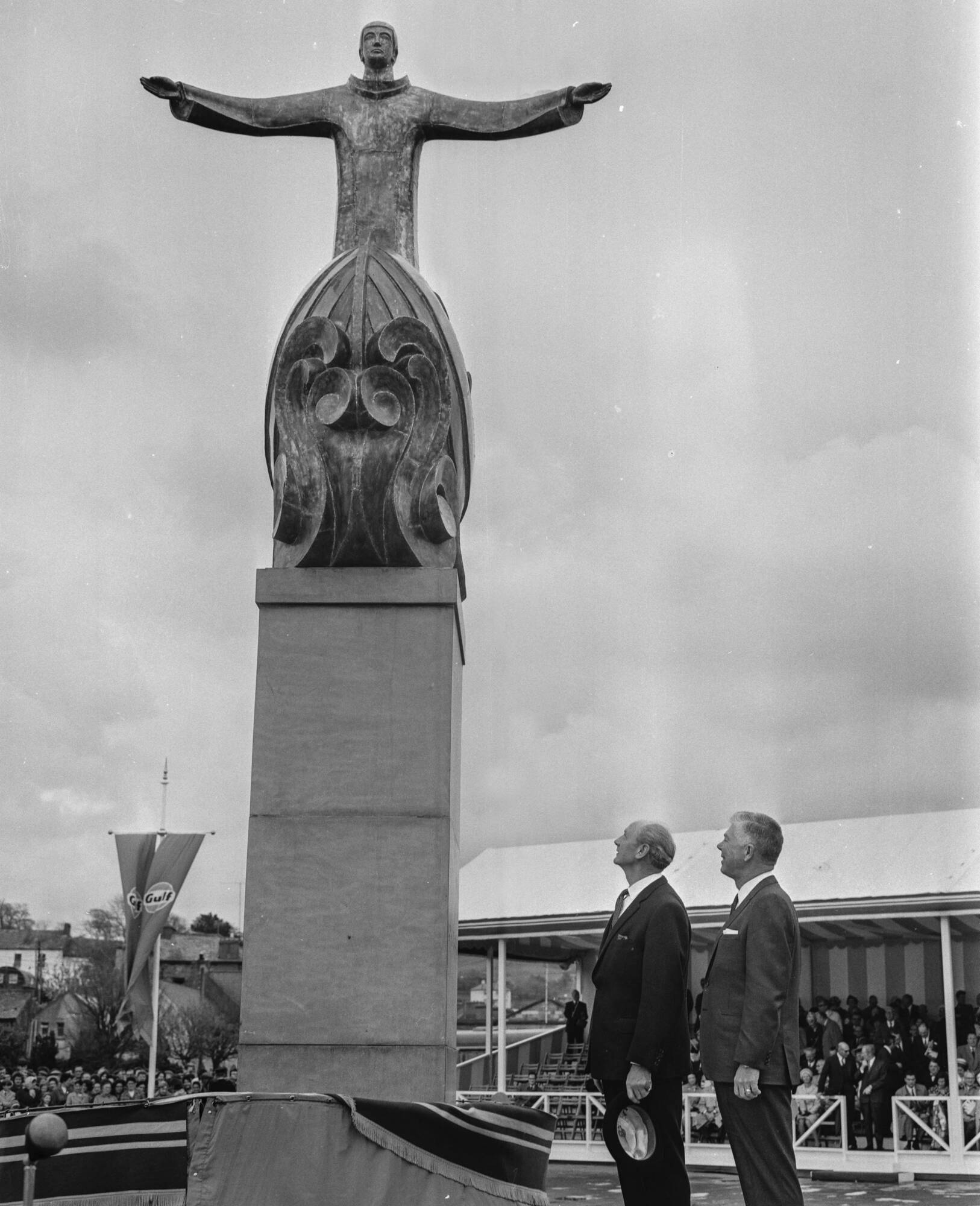
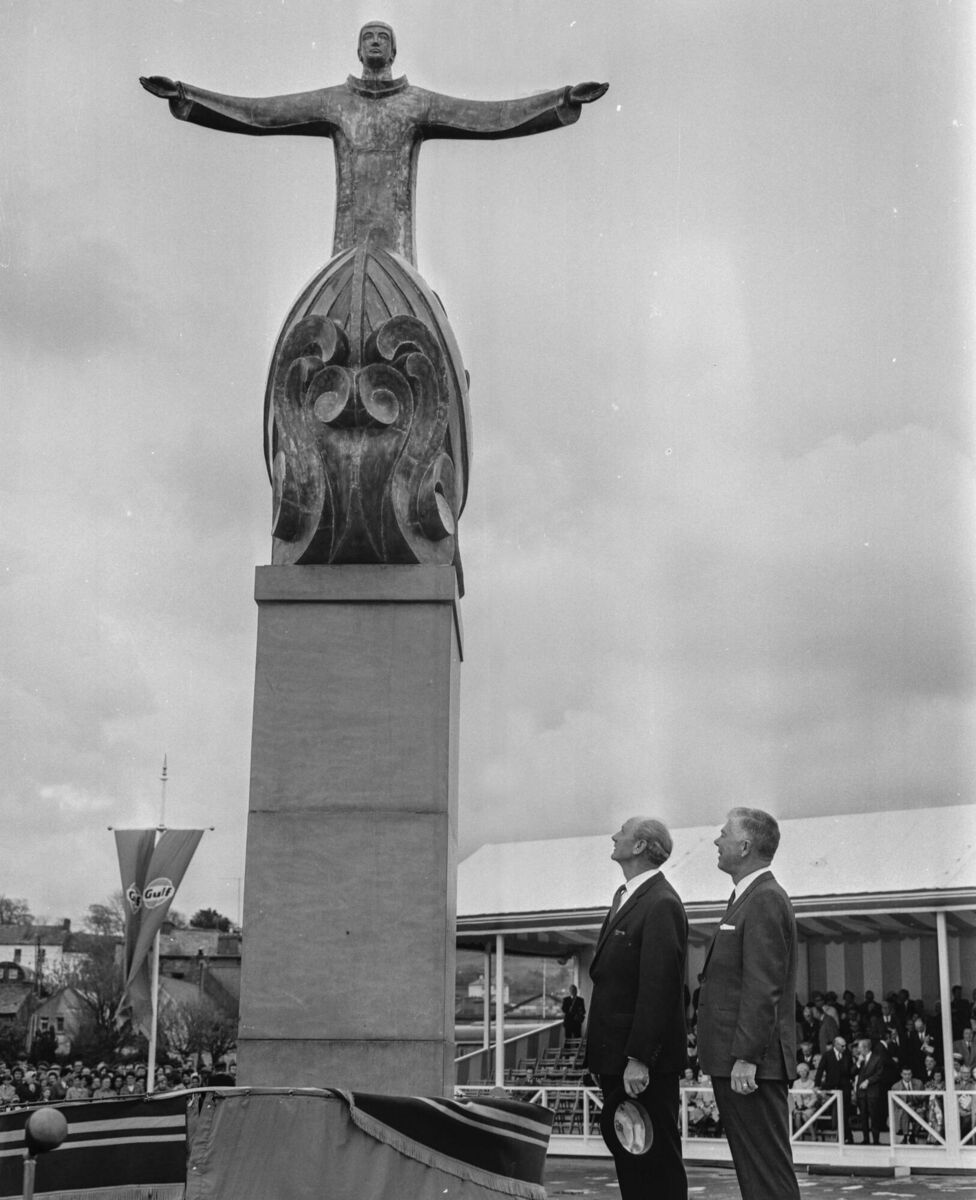
Then taoiseach Jack Lynch unveils a statue of St Brendan on the pier in Bantry in May 1969. The statue was a present from the Gulf Oil Company.
When filmmaker Adrian McCarthy was a boy, his father — a firefighter — ran out the door late one night, calling to his mother: “Whiddy’s gone. Whiddy’s gone.” Like many first responders on that night of January 8, 1979, he had just learned of a horrific tragedy that was unfolding on Whiddy Island in West Cork.
McCarthy remembers his father returning home late the next day, shaken by what he had seen. “I think it was about eight o’clock that evening that he came home,” says McCarthy.
“He was a bit of a shell of the man that left, and he described going down to the bathroom in our home in Skibb, and looking at himself in the mirror, and he broke down.”
It was a natural response to one of the most shocking disasters in Irish history. Fifty people died when the oil tanker MV Betelgeuse caught fire and exploded. The crew of 42 French nationals, an inspector, and seven Irish workers died.
McCarthy’s film — co-directed and edited by Brenda Morrissey — recalls the disaster, but it looks at the bigger picture of what can be gained and lost when a small community welcomes an international corporation in to their lives.
will have its Irish premiere at this year’s Cork International Film Festival and will be followed by a panel discussion.
McCarthy — an experienced documentarian and founder of Curious Dog Films — started to consider telling the story as the 40th anniversary approached, and the film is seven years in the making.
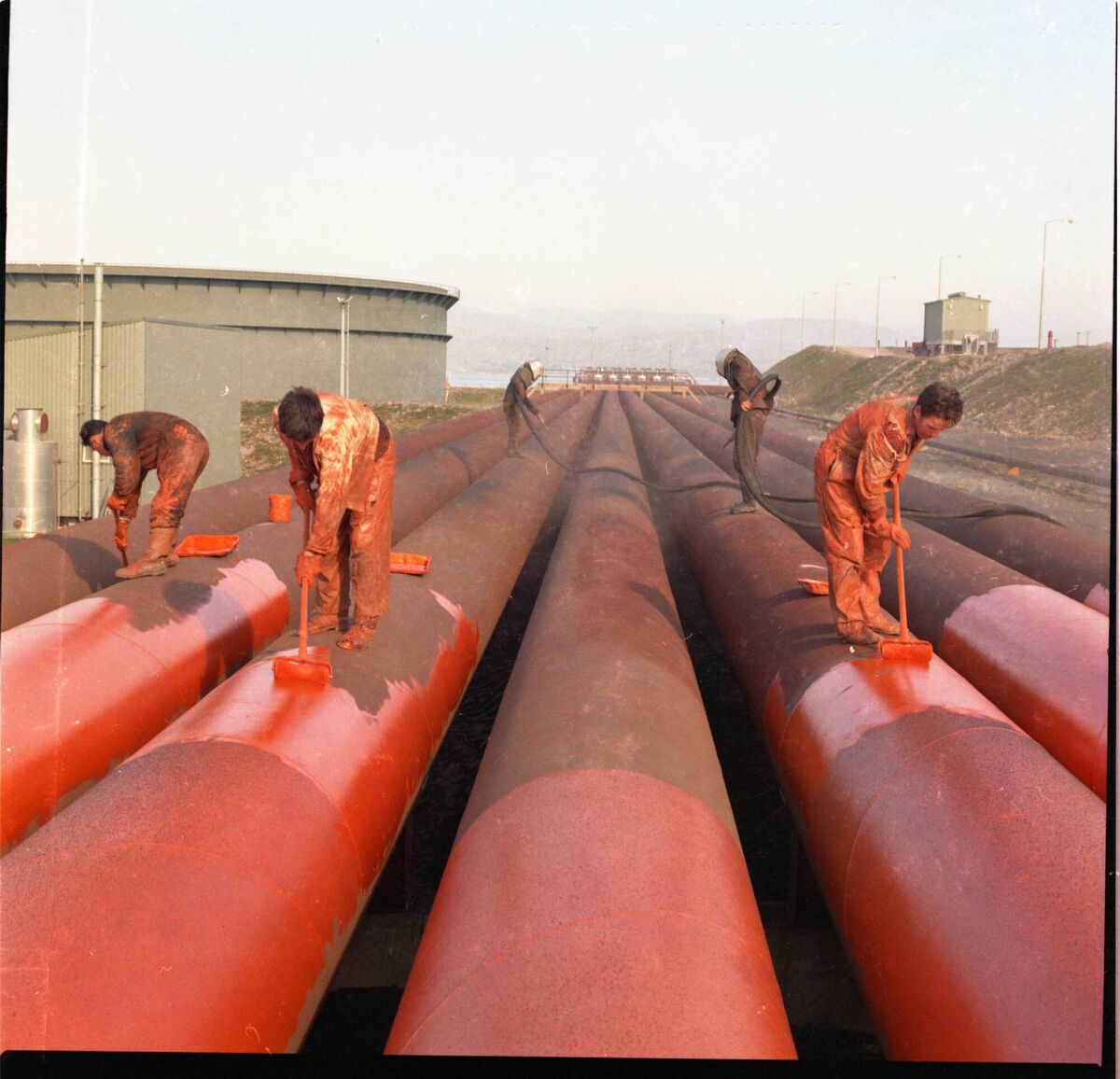
A decade before the disaster, the news US company Gulf Oil was to build a massive oil terminal was widely welcomed by locals and government.
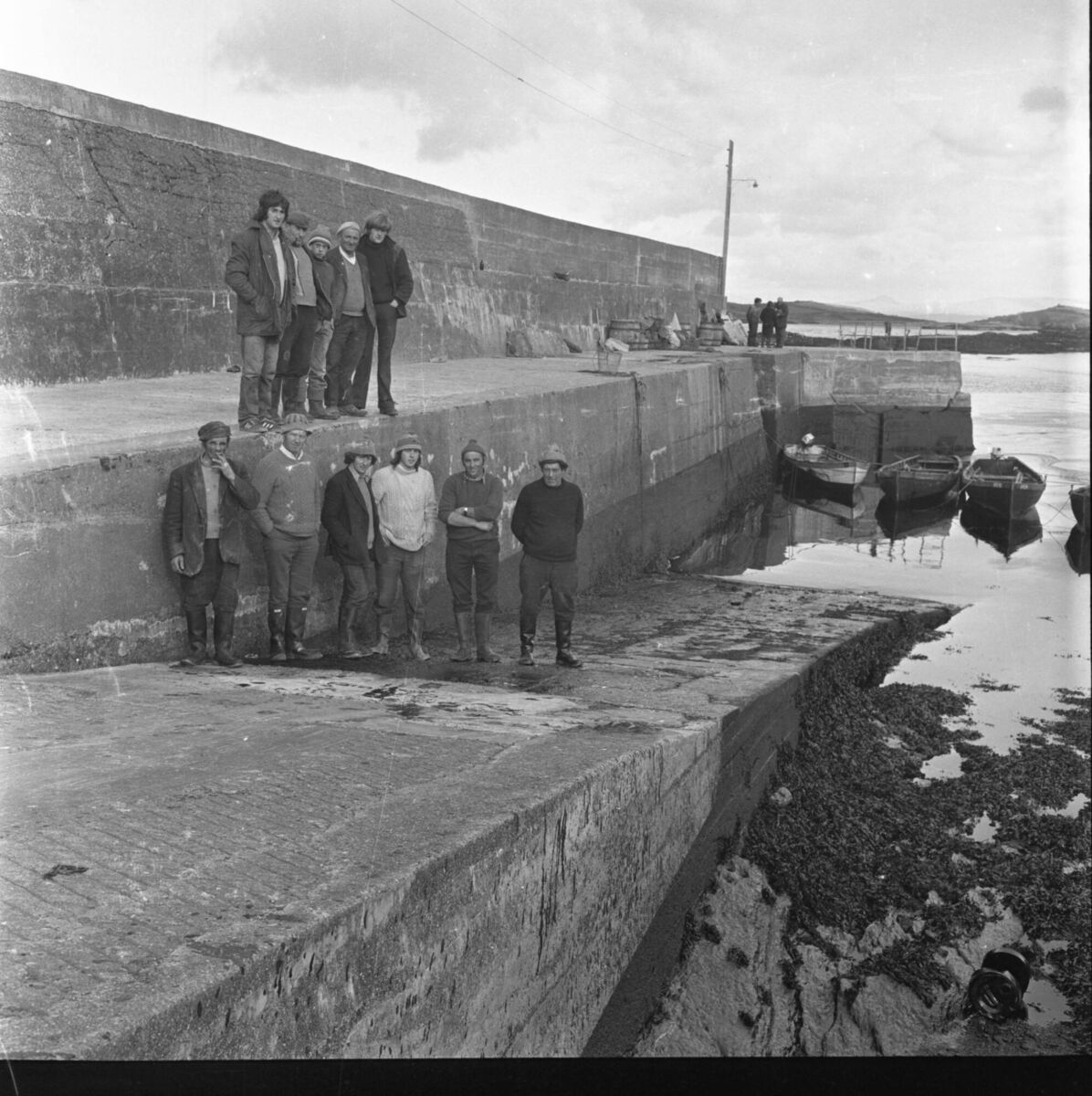
The terminal could turn around the fortunes of a community greatly impacted by unemployment and emigration. “The demand for oil around the world was increasing greatly, and Gulf Oil was one of the top companies in the world and in America,” says McCarthy.
“They wanted to figure out a way to bring more oil to Europe for that demand, and they were looking for somewhere in Europe to find a base where they could build a huge crude-oil storage facility.”
The waters of Bantry — one of the deepest bays in Europe — were deemed to be an ideal location.
“A contractor in Japan was going to build six of the biggest ships on the planet to bring oil from the Persian Gulf to Bantry Bay, and that oil would be stored in Bantry, and it would immediately be redistributed around Europe,” says McCarthy.
The closure of the Suez Canal, following conflict in the Middle East, made Whiddy even more vital. “That became a huge factor as to the movement of oil. Bantry became even more important in those years because of that.
“I think people in Bantry and in West Cork in general were like: ‘This is fantastic. We’re in real trouble. Most of our young men and women are emigrating, and this is the type of industry or large corporation that we’ve been dreaming of’,” says McCarthy. “When they came in, initially, once everything got the green light, I think the vast majority of people were absolutely delighted.”
But two subsequent major oil spills were among Ireland’s worst, while the reopening of the Suez Canal had greatly reduced demand for Whiddy before the tragic events of 1979.
The film recalls what happened that night and the findings of a tribunal that was critical of Gulf Oil, Total Oil (owners of the Betelgeuse), and the Irish government.
The Betelgeuse had been diverted to Cork while heading for a port in Portugal.
McCarthy says: “It was kind of interesting, during the research, that while they were building the terminal at Bantry, they were also building the ship in the north of France, called the Betelgeuse, at the same time. The only time they ever come together is in January 1979.”
also looks at the human cost, through the testimonies of locals and French families who were bereaved.
“My way in to it was through my dad’s experience,” says McCarthy. “A lot of those men are quite traumatised by it, in some respects.
“But it’s when you meet people who lost their loved-ones, that’s when you get the slap in the face, and that’s exactly what happened with me when I met some of the family members.
“You realise, whatever about the story we’re trying to tell, at the end of it there are these 50 families that were absolutely destroyed.”
It can be challenging to visually document events that happened many decades ago.
But benefits greatly from a wealth of archival footage of West Cork life, including from the late local filmmaker Denis Connolly’s Super 8 camera.
is produced by Maria Horgan, and the filmmakers also joined forces with musician Paul Hartnoll, of UK electronic band Orbital, who scored the film.
He will also be travelling to the Cork International Film Festival as part of a panel discussion.
McCarthy hopes the film will resonate with audiences and also feels it is a universal story.
His intention, he says, was to tell an important story. “It’s a story about the bigger picture of what happens when a corporation comes to a small community.”
Cork International Film Festival (November 12-22) features more than 200 films, Irish and international titles and special guests. Here are five more documentaries to watch out for at CIFF:
Filmmaker Alexander Murphy’s documentary centres on the O’Reilly family, who live in a rundown trailer. Pa, Lisa, and their 10 children weather the seasons in their tin castle, as they live their way of life under threat of eviction.
Manchester United player Eric Cantona comes under the lens of filmmakers Ben Nicholas and David Tryhorn as he navigates a crossroads in his career. Contributors include Alex Ferguson, David Beckham, French football manager Guy Roux and Cantona's parents.
Filmmaker Sophie Fiennes joins forces with philosopher Slavoj Zizek as they explore Utopian illusions through the mediums of popular culture, including film, music and media.
Irish speaker Ainle Ó Cairealláin embarks on a journey to help build and run a gym on the West Bank of Palestine. Set in a refugee camp, the film grows into a story of friendship and resilience.
Footage of a 1996 expedition into the Amazon to document the isolated Korubo people resurfaces decades later, forcing the re-examination of the contact and the implications that followed, in this documentary from filmmaker Nathan Grossman.