Lesbian Lines: Film looks back to when same-sex relationships were illegal in Ireland
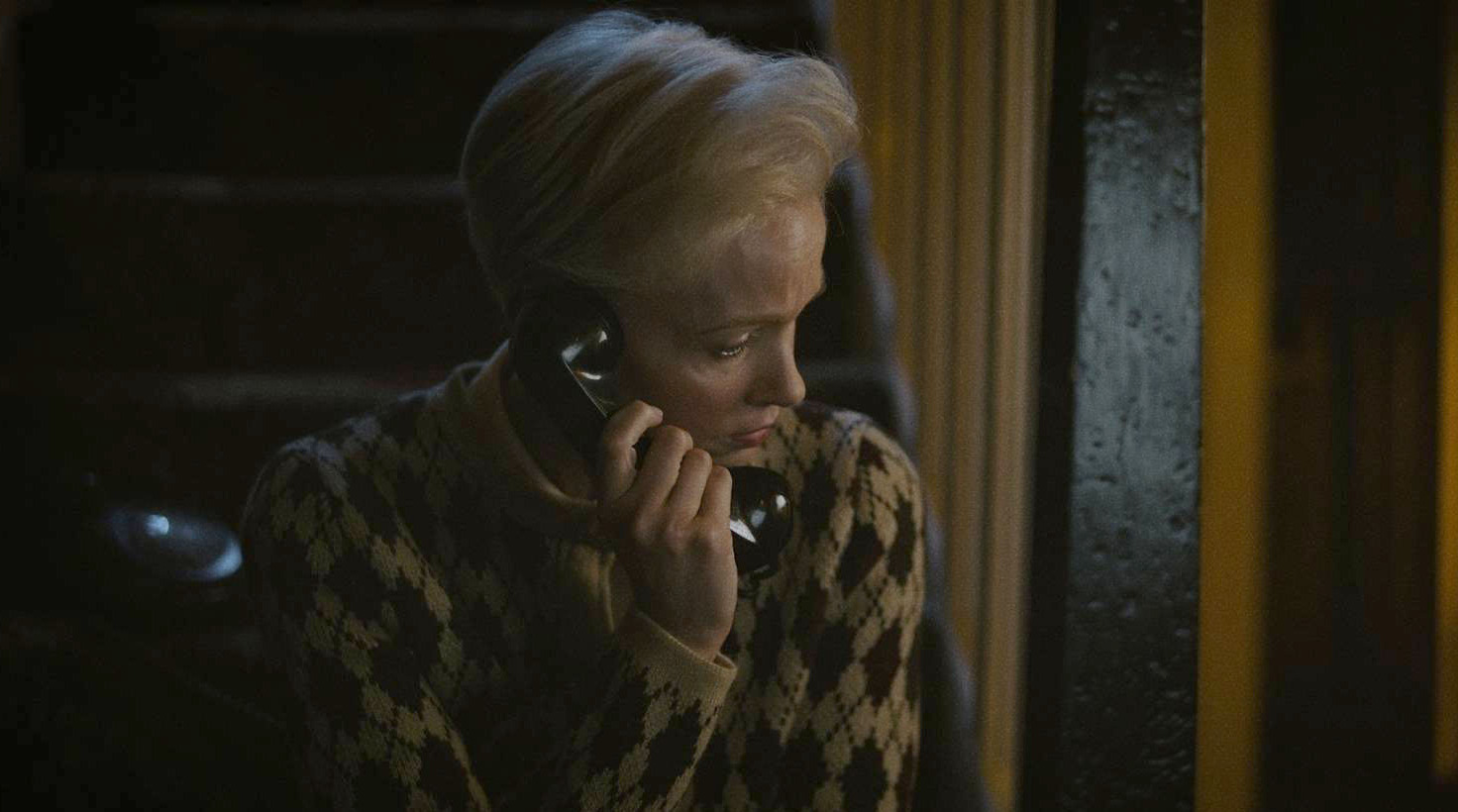
Lesbian Lines is in Irish cinemas from Friday, October 9.
There is a potent power to a moment that begins with silence in a new Irish film about how a network of helplines offered connection and support to Irish lesbians.
At a time when same-sex relationships were still illegal in Ireland, the network was established in the late 1970s and 1980s. Sometimes, the women would call but remain silent on the phone, too overwhelmed to speak. “Could you tap the phone to let me know that you’re there?” volunteers learned to ask, before hearing the tap.
The film explores this time in Irish history through the underground work of telephone helplines, staffed by volunteers and recorded in handwritten logs and notes.
Among the many women whose calls are brought to life, Cara Holmes’ film features several volunteers who worked the lines, including three from Cork: Louise Walsh, Helen Slattery, and West Cork-based filmmaker Carmel Winters.
“Carmel brings so much to the film," says producer Evan Horan of Keeper Pictures. "In fact, she's just through her own networks arranged a run for the film at Cinemax Bantry.”
The reaction to the film, he says, has been “incredibly emotional and moving”. combines documentary storytelling with reenactments of women’s testaments through actors, along with nine volunteers on camera who operated the lines at the centre of the story.
“Cara, the director, had approached us in early 2020 with the seed of an idea, and I think off the back of her short film work at that stage in her career and her longstanding editing career, we were very much taken by the scope of what we thought the project could be and the unknown stories that these queer lesbian pioneers throughout Ireland had given but were not widely known or celebrated at that time,” says Horan.
Working in a hybrid form of storytelling with the stories of volunteers themselves and actors reenacting the calls from women, the filmmakers leaned into the logbooks, which tell the stories of the people who sought out support.
“The silent call was very clear to us as coming out in the logbooks,” says Horan. “When you look through the logbooks, which we were so lucky to have the actual physical copies for to see this research, the silent call was very much a repeated nature of the call in terms of that silencing within Ireland.
"It was very clear to us that this is a film about listening, and it also is about embracing the silences. The silent call, in some way, shape, or form, had to be a standout moment within the film.”
During the making of the film, Holmes describes how she came to understand the helpline not just as a service, but as a form of survival. The Lesbian Lines were lifelines, built quietly, collectively, and against the odds, she says. They were acts of resistance but also acts of love.
Yet the film is also a celebration of the people who rallied to embrace their own identity and sexuality at a time of conservatism. The Lesbian Lines movement grew around the same time a woman in the West of Ireland set up a post office box number, enabling lesbians to write to her and her to reply to them. They provided invaluable forms of contact for women who wanted a conversation about their sexuality.
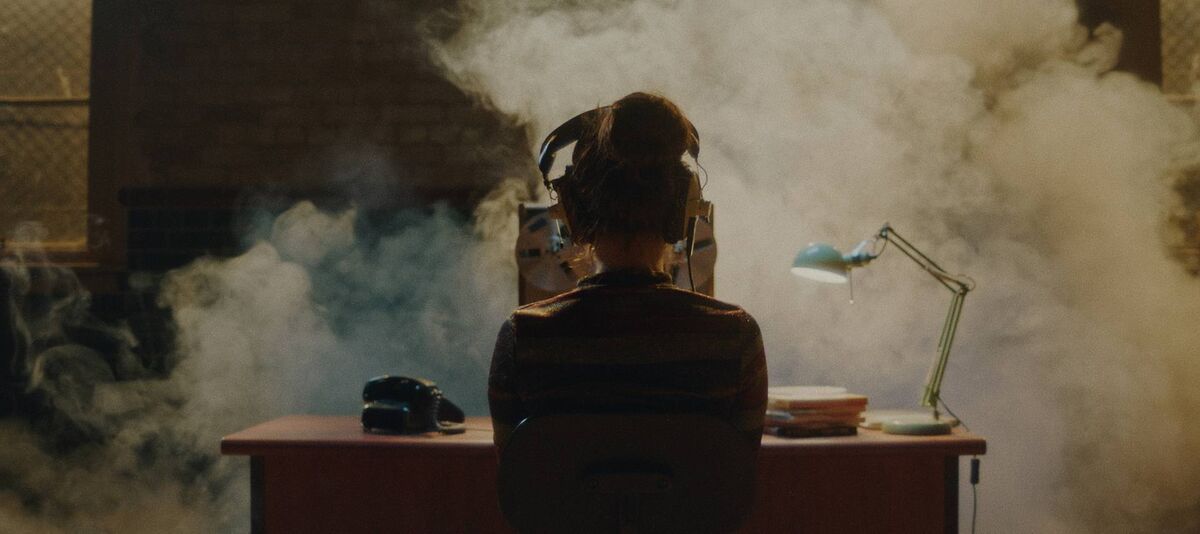
“There was a huge amount of secrecy. A lot of it was hidden and so I think that made for acute need,” says the film’s executive producer, Katie Holly. “It started from this sense of making people feel that they weren't alone. Giving them a sense of a possibility of connection, and that they weren't the bad things they might be feeling about themselves.”
That became something that became really interesting through the evolution of making the story, Holly adds. “We wanted to make sure — and it was clear when we had an early cut — that we didn't want to lose the joy. That connection and the sense that this was actually also about meeting other lesbians. It was about finding love or having sex or expressing themselves, and also how closely that was really tied up with a lot of activism too. And so it was about this building of community and shared connections.”
Some women would do so by heading to their local phone box, away from the family home. It meant the traditional Irish phone box became an important element of the production.
“We were lugging that big phone box around to various different spots that we could film with it because we managed to hire one,” says Holly. “But exactly, it was the age of the phone being the centre of a house, but it wasn't safe for people to make calls from there. That sense of aloneness and solitude, which is exactly what the lines were setting up to try and combat.”
One of the film’s many powerful archive scenes features playwright Joni Crone, who went on as a 26-year-old in 1980 to talk about her sexuality and her life. Forty six years after making that step, Crone is a contributor on the film.
“What an extraordinarily brave move it was for Joni Crone to go on when she did, to try and break down such negative perceptions about lesbians, about gayness in general, but particularly about lesbians,” says Holly.
“It was all about community and supporting each other, and also I kind of love that the film depicts that there were different communities across the country, in Galway and in Cork, up in the north, and Dublin and elsewhere. The sense of opportunities to meet and connect by the different groups and lines coming together. It was all about trying to find community and build up that community.”
Decades after these women first reached out to other women, the filmmakers hope is that their stories come to the fore — and reach new generations.
“I hope that what punches through is an awe and respect and an enjoyment for their resilience and their desires,” says Holly. “Also their care for each other and their care for their community. I hope it also sparks cross-generational conversations. Because I think that that's something that can be really enriching.”
- is in cinemas from Friday, October 9
Read More