Frank Berry: Catherine Corless biopic has 'its own cinematic power'
Irish filmmaker Berry, who directs the film, believes the release of the movie is timely, and he hopes it opens a discussion around Ireland’s past, writes Esther McCarthy
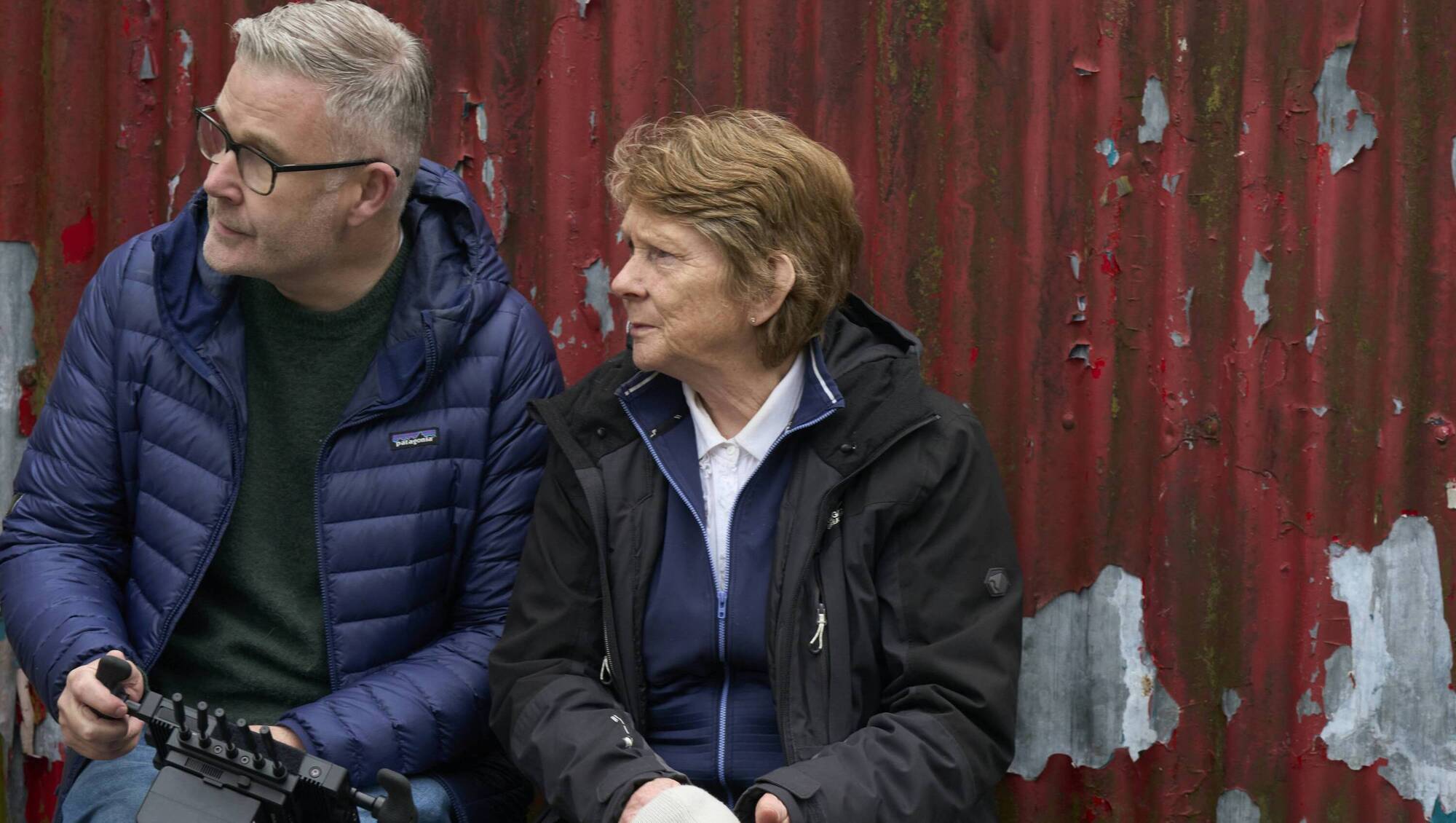
Frank Berry with Catherine Corless on the set of 'The Lost Children of Tuam'.
Frank Berry with Catherine Corless on the set of 'The Lost Children of Tuam'.
THE story of how amateur historian Catherine Corless uncovers a shocking hidden history of neglect and loss unfolds in The Lost Children of Tuam, soon to be released in Irish cinemas.

The film — directed by Irish filmmaker Frank Berry — recalls how Corless began researching a former institution for unmarried mothers and their children in the Co Galway town. What started as a local history project became something much greater when she discovered that the 796 children who died there had no corresponding burial records, leaving unanswered questions about what had happened to their remains.

The genesis for the film came about when Irish actor Liam Neeson read Pulitzer Prize-winning journalist Dan Barry’s New York Times article about the case, says Berry. “He’s very passionate about this subject, and when he read Dan Barry’s article, he was deeply moved by it — he was moved to act,” says Berry. 

“He wasn’t thinking about making a big Hollywood film. He wanted people to know about Ireland’s past, and he wanted people to know about Catherine Corless. That was the motivation, and the conversations from the very beginning were real, and were inspiring. The approach that we talked about that I might take in directing the film was one that he wanted also. He wanted that real approach.”

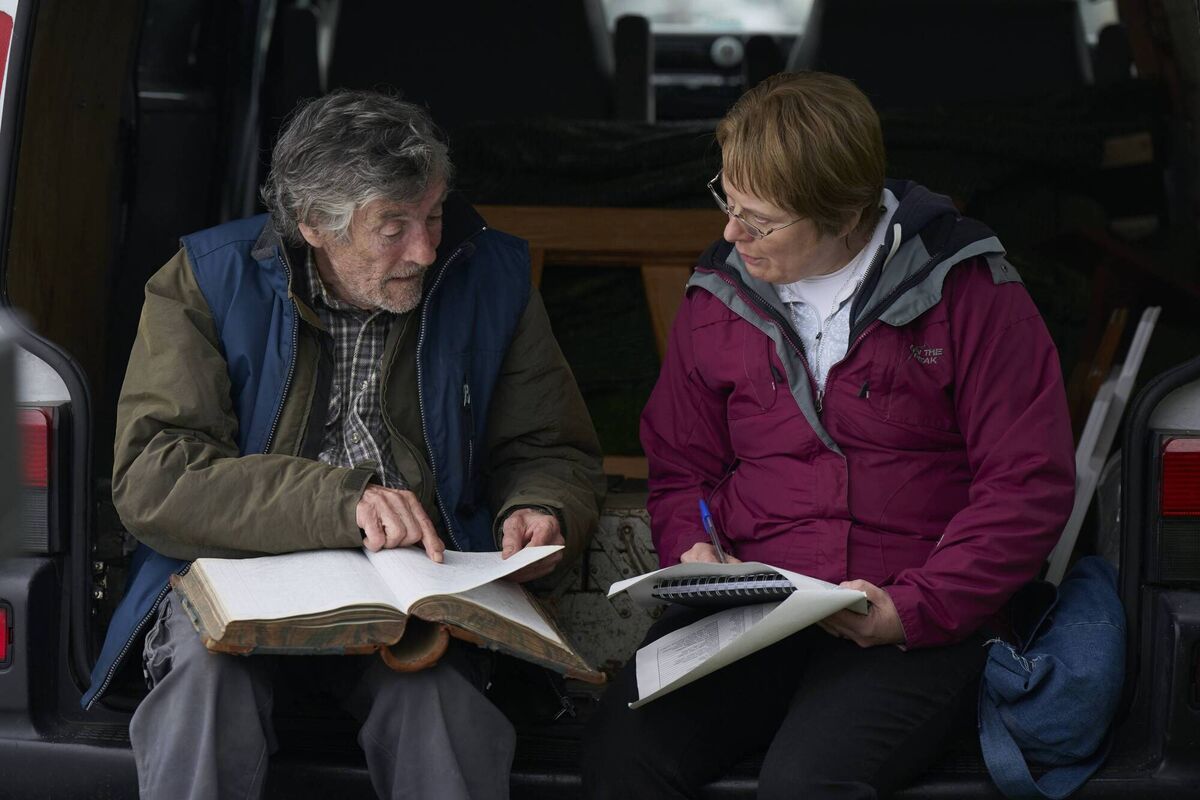
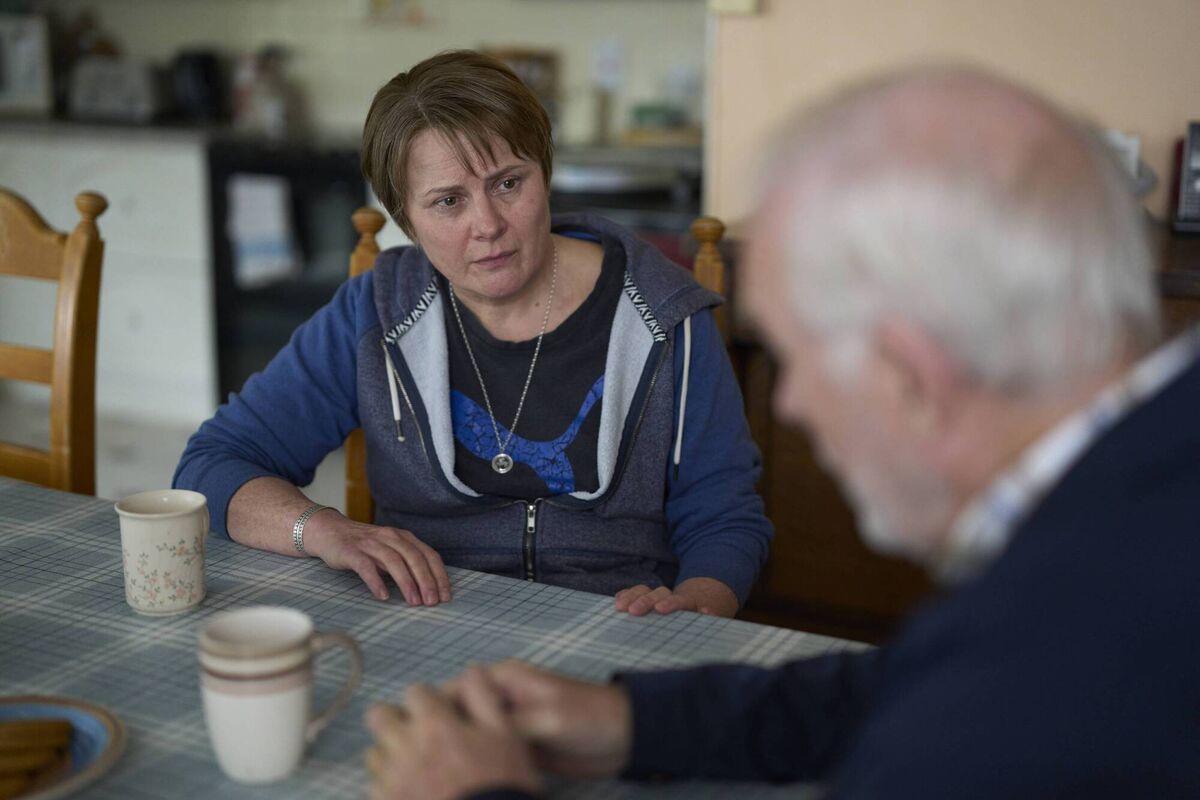
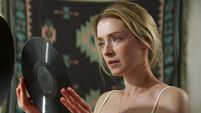
A scene from the movie 'The Lost Children of Tuam'.

Berry, a widely admired Irish filmmaker, had previously brought Irish audiences the dramas Aisha and Michael Inside.

“I felt that this role needed a brilliant actor, a character actor, somebody who would work really hard at depicting all the different shades and dimensions of Catherine Corless, which is no small task,” says Berry. “[Monica Dolan] really threw herself into the role, and her process is beguiling. It’s so in depth, unbelievably so. She met Catherine, spent time with her, worked really hard at understanding her.”

We speak a couple of days after the film’s first major international screening at the prestigious Toronto International Film Festival, where Berry had a sense that the story he and his cast and crew brought to the screen was, though local, universal.

“I was really curious to see how the film would resonate with international audiences. We got a really emotional response at the Galway Film Fleadh in July, and the response here was similar. It was very emotional. A lot of people responded to how the story resonates with similar institutions in Canada, and the state schools here, and the religious institutions.”

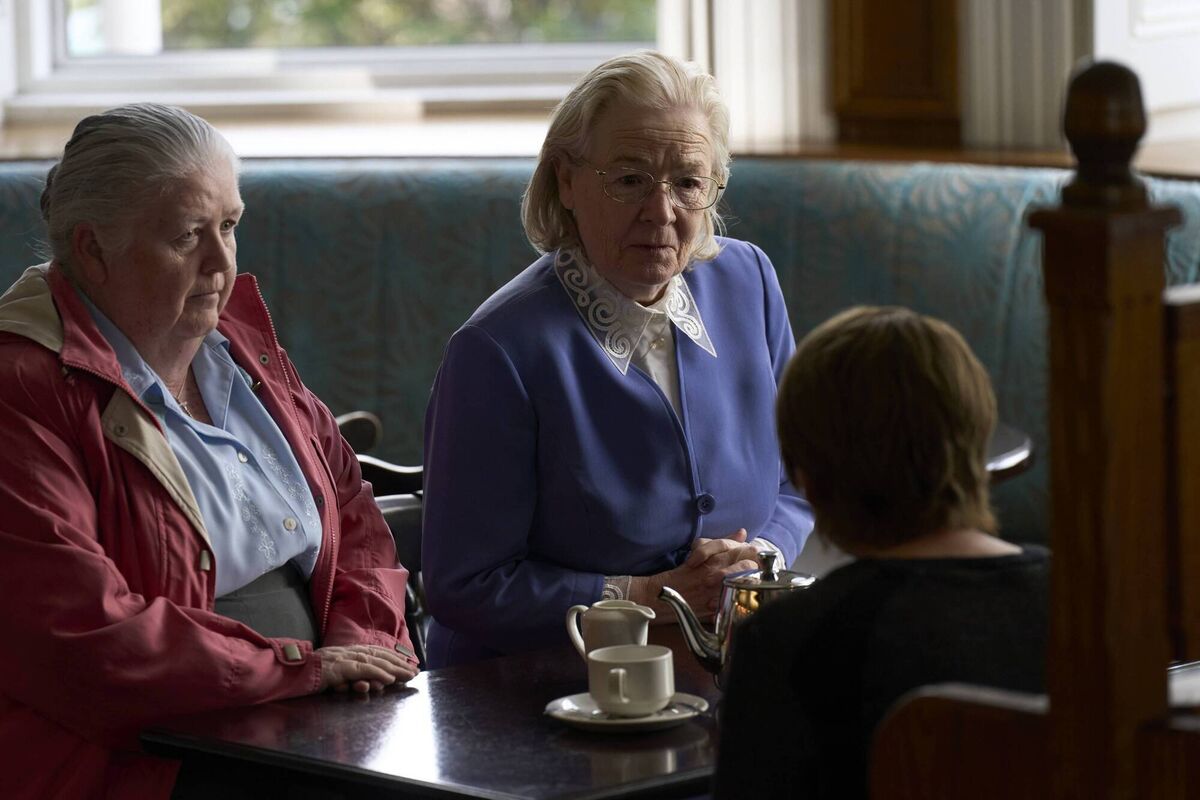
A scene from the movie 'The Lost Children of Tuam'.

Berry had been an admirer of Corless’s research and achievements long before he was approached to direct the film. Like many of us, he remembers her appearance on The Late Late Show that resulted in a spontaneous standing ovation from the audience, a scene which is depicted in the film.

What does he feel it is about Corless as a person that strikes a chord with so many people?

“I think when she first appeared in the public eye, she really moved the Irish people on The Late Late Show and in those early media appearances,” he says. “She’s quiet. She’s somebody that we recognise, and she’s someone that we feel we know. She’s reserved. She doesn’t like the limelight. 

"She has a very pure conviction to do the right thing, and she sees that something’s wrong, and there’s just something about someone like that who’s dogged, and who’s doing it for clearly moral reasons. She’s a little bit of an enigma in that respect. I was drawn very much to her, and as I got to know her, she’s not ordinary — she’s extraordinary, and what she’s achieved is extraordinary.”

The Lost Children of Tuam was backed by Screen Ireland and BBC Film, and working closely with a team that included screenwriter Rebecca Lenkiewitz and producers El Paso Films, Jules Daly for Big Red Films, Chelsea Morgan Hoffmann, Ed Guiney and Andrew Lowe for Oscar-winning Element Pictures, and Martina Niland for Port Pictures, Berry began bringing the story of Corless’s work to the big screen.

“I felt it didn’t need to be embellished, or it didn’t need to be sensationalised,” he says. “That by telling the story in a restrained, truthful way, that that will have its own cinematic power. I think people are being moved by the film because it doesn’t feel manipulative. It just feels like an honest telling of this person.”

Berry feels that the release of the film is timely, and he hopes that when it is released, it opens a discussion around Ireland’s past. He also hopes it will place focus on other sites like Bessborough, the former mother and baby home in Cork City. Future plans for Bessborough have generated debate amid plans to build apartments on the grounds.

“I would love the film to create discussion around Ireland’s past and around other sites like Bessborough,” says Berry. “It’s shocking to learn that they’re planning to build apartments over a similar site where there are hundreds of children unaccounted for, and they’re going to build over that site. 

A scene from the movie 'The Lost Children of Tuam'.

"I think it’s callous and shocking. The fact the film’s coming out at this time, I hope it contributes to that conversation and in some way helps object to such an awful thing from happening.”

Throughout his career, Berry has typically worked with a combination of actors and those who have lived experience of the stories he’s bringing to the screen. It’s an approach that works particularly potently in The Lost Children of Tuam.

“There are survivors in the film, like in my other films, and lived experience is an important part of all my filmmaking. I engage with people who have lived the story that we’re telling early on, and form relationships and bonds with people that last the course of the filmmaking and beyond. 

"Myself and Rebecca Linkiewicz, the screenwriter, met with survivors when I joined the project at the very beginning and made friendships, and a lot of those people are in the film. There are other special extras in the film playing survivors. 

"But I didn’t differentiate between survivors. There are survivors of Irish institutional abuse all around us, from different institutions, even secondary schools. I wasn’t categorising survivors and non-survivors.”

Berry’s great hope is that Irish and international audiences will watch the film and appreciate what Corless has achieved. He remembers watching an early interview with her while researching the project after an early reading of the screenplay. 

“In the interview she said: ‘We must face this’. If there was ever a motivation for a filmmaker to make a film, to put something on the screen, that spoke very heavily to me.”

  • The Lost Children of Tuam is released in cinemas on September 25, 2026

More in this section

Scene & Heard

Newsletter

From music and film to books and visual art, explore the best of culture in Munster and beyond. Selected by our Arts Editor and delivered weekly.
Cookie Policy Privacy Policy Brand Safety FAQ Help Contact Us Terms and Conditions

© Examiner Echo Group Limited