Tom Dunne: Rubber Soul comes bouncing back into my life, and it's as good as ever
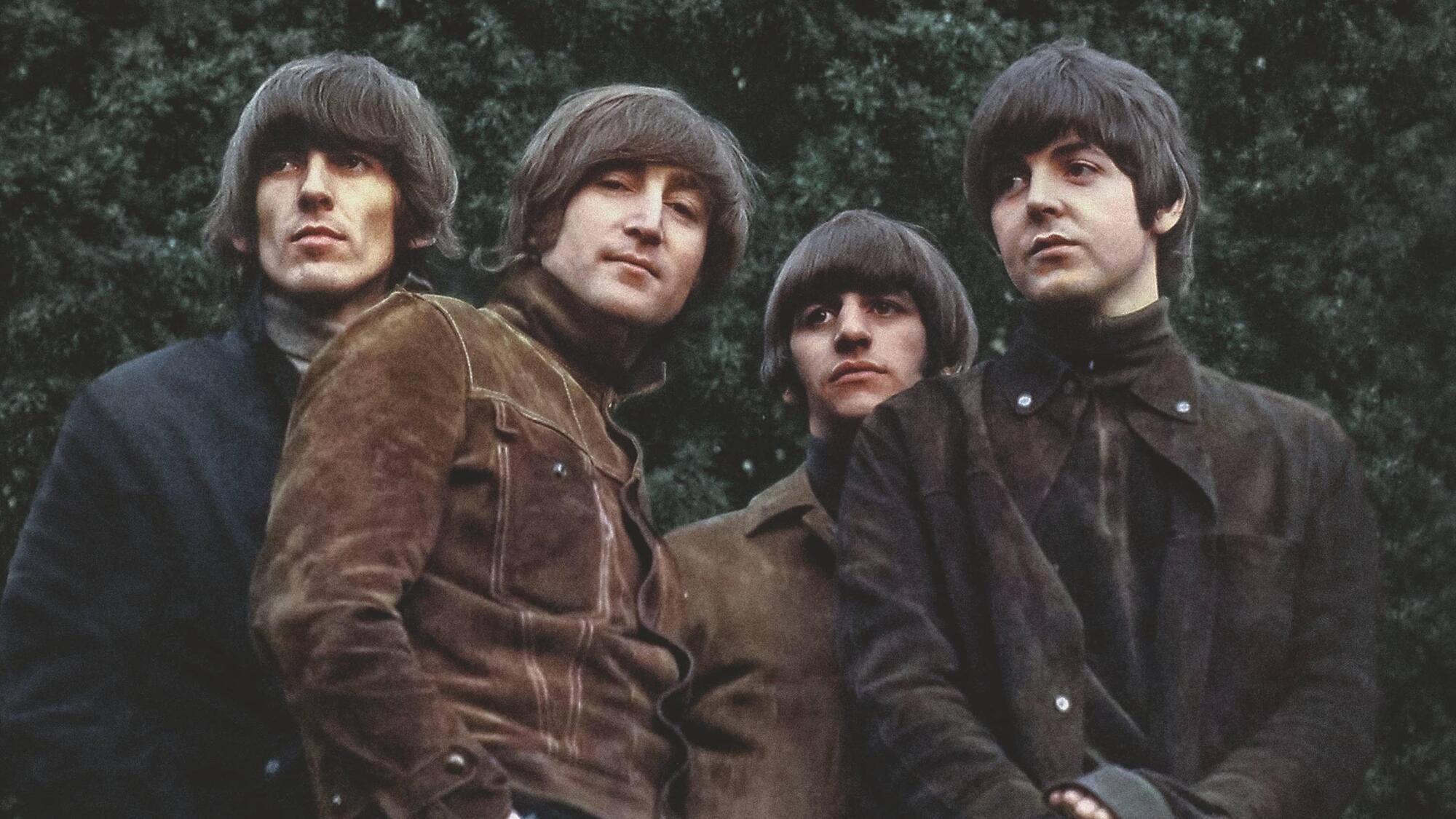
The Beatles around the Rubber Soul era. Picture: Courtesy of Apple Corps

Among fans that experienced The Beatles first hand, buying their albums on the day of release, and its follow up, tend to be especially cherished. They are often simply their favourites. They like what came next, they admire it, but these two they love, end of.
They see these albums as imperial pop brilliance, nigh on perfect releases, peak melodic, commercial Beatles' genius on tap. Subsequent albums became more about The Beatles themselves: their ambition, personal relationships, mini dramas, the narrative. On these two albums, the songs just spoke for themselves.
Coming later to The Beatles, as did most people I know, I was as caught up in the narrative, possibly even more so, as anybody else. was the album that prodded Brian Wilson into making is what prodded The Beatles into
These were seismic events to my mind. Somehow, and I thank God everyday for it, life has conspired to see me interview all the major players. Brian Wilson once looked into my eyes and told me when he heard he felt The Beatles has beaten him to the punch. “They had made the perfect record.”
The Beatles who entered Abbey Road studios in 1965 would have been oblivious to all that. In 1965, they had toured America and Europe, written the album and starred in the film. Now, after a six-week rest, they had another six weeks to write and record an album and a new single before Beatlemania resumed with a UK tour in December.
Six weeks recording would still be the longest they had ever spent on an album up to this. A certain largesse was being granted. But something else had changed.
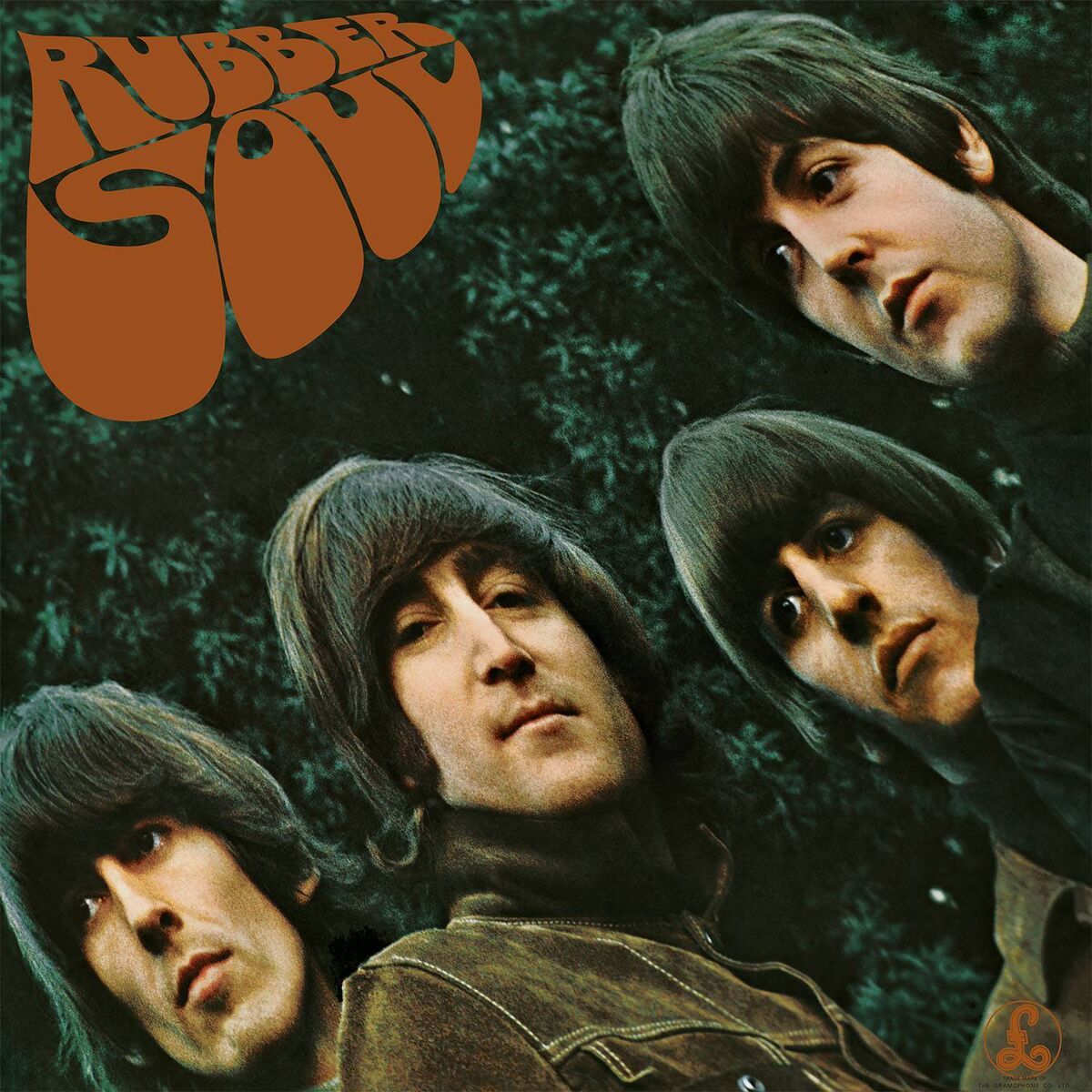
As Giles Martin — son of Beatles producer George Martin — observed from listening to the relaxed conversation on the outtakes: “The fear [of the studio] was gone. The experimentation was beginning to happen.”
As always with these re-issues, there is a treasure throve of new discoveries. There is even an unreleased John Lennon song, Previously known only to a handful in the inner sanctum of Abbey Road staff, it appears to date to 1965. It’s slight enough but still, a new John song in 2026!
This presentation of the songs themselves, their early incarnations, back stories and the world into which they were released is a heady cocktail. is John’s story of meeting a strong independent woman — she has her own place — and was gone to work before he woke up. Not that common in 1965!
came to John in a dream, complete with music and lyrics, as had with Paul. is a lesson in song writing, since covered 750 times. John’s, first major piece of work, came about when an interviewer goaded him to “write about your own life”.
Those who bought the originals of these albums on the day of release, sometimes don’t see the point of or appreciate these remixes, and I can really see where they are coming from. The magic of The Beatles is there for all the world to see and hear on those original recordings as they were released. Nothing will beat that.
They cannot be improved, but modern technology can bring a clarity to the mix, that given the playing and genius of each respective part, is jaw-dropping. There is magic at work and hearing it more clearly is a gift for the ages. Giles Martin take a bow.
There is also the simple charm of The Beatles having fun in the studio. George Harrison telling the others: “I’m sorry, sometimes I feel less than useless at these sessions, I really do.”
He’d introduced the sitar to these sessions. was only his fourth solo composition, even if Paul McCartney’s bass steals the show. Hardly “useless” George, come on.
John is still the dominant writer. He is unhappy at home, and you can tell. He is the But, often, when he writes about relationships, as in and , he writes about women who are, at the very least, his equal. Contrast that 1960s worldliness with the Rolling Stones’ 1965 offerings: and
The album was indeed out in time for Christmas, and the double A-sided single was the Christmas Number One in 1965. Other 1965 releases sound dated. sounds contemporary. Go figure.