Best albums of 2016: Bowie and Rihanna among the records marking their 10th anniversary
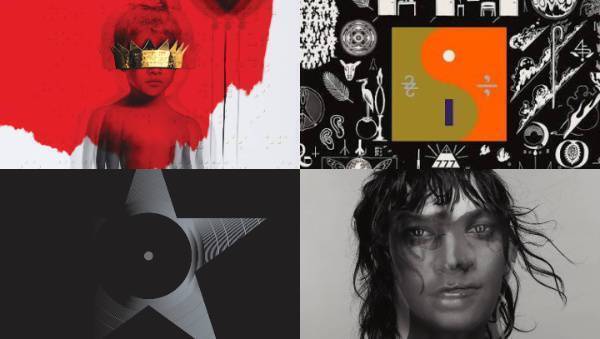
Albums by Rihanna, David Bowie, Bon Iver, and Anohni feature among our picks for the best records of 2016. albums2016
The year 2016 was one of seismic shifts: Brexit shook the UK, Donald Trump won the US presidency, and the world felt increasingly fractured. Against that backdrop, it was striking how many black artists delivered some of the year’s most vital and boundary-pushing statements. And of course, David Bowie's final album was released just a few days before his death in January. Here are ten albums from 2016 have stood the test of time.
Can you remember what you thought of this album when it was released in the first week of 2016, on his 69th birthday? Maybe you found it challenging, an interesting pivot from one of music’s great chameleons. But that was all upended when he died just two days after its release. A devastating loss to music, David Bowie’s 26th studio album is an epic way to go out. It was recorded in secret in New York City — LCD Soundsystem’s James Murphy was one of the names involved, though he later questioned why. The opening song is nearly 10 minutes long and signals the jazz-inflected intrigue that follows. The name of the last song on his last album reads like a joke now: A haunting, beautiful farewell from a true legend.
We didn’t know how good we had it when Rihanna released at the end of January 2016. There were no instant Umbrella-sized smashes, no obvious blockbuster singles, and it felt almost understated for one of the biggest pop stars on the planet. But ten years on, stands as her best full-album effort — a rich, endlessly replayable record that proved far more irresistible than anyone gave it credit for at first. And as for hits, well it seems stuffed with them now. Work is a cultural phenomenon (that Bajan patois!), while — the song with the highest streaming numbers on Spotify — showed raw vulnerability and proved to be playlist gold. A slow-burn masterpiece.
Personally, I had a complicated relationship with this album for a long time. I loved Bon Iver’s plaintive first two albums — the debut that became a cliché, spawning a million lesser men with acoustic guitars pleading about how big they felt, and the self-titled follow-up that felt like a genuine masterpiece, opening doors to collaborations with the likes of Kanye West and James Blake. He also had the brilliant sideproject Volcano Choir in the five-year break before was released. This third Bon Iver album is heavy on beats, samples, and auto-tune and makes the listener work. What might have once been viewed as difficult is now accepted as rich. There’s so much depth and beauty — see the transcendent . He also samples Irish singer-songwriter Fionn Regan on the album closer as he sings, “The days have no numbers.”
The first album under her ANOHNI guise following the Antony and the Johnsons‘ swansong six years previously, Hopelessness is bombastic and impossible to ignore. At its centre is that piercing, otherworldly voice — now raw with rage and grief — as she stares down the state of the world: the climate crisis, endless war, surveillance, and political failure. Trump becoming US president, which had felt like a dark joke just a year earlier, only sharpened the album’s sense of dread and disillusionment. Coproduced by the acclaimed Hudson Mohawke and experimental musician Daniel Lopatin (aka Oneohtrix Point Never) — who is responsible for the super soundtrack — still feels urgent and vital. All together now: “Blow me from the mountains, and into the sea. Blow me from the side of the mountain.”
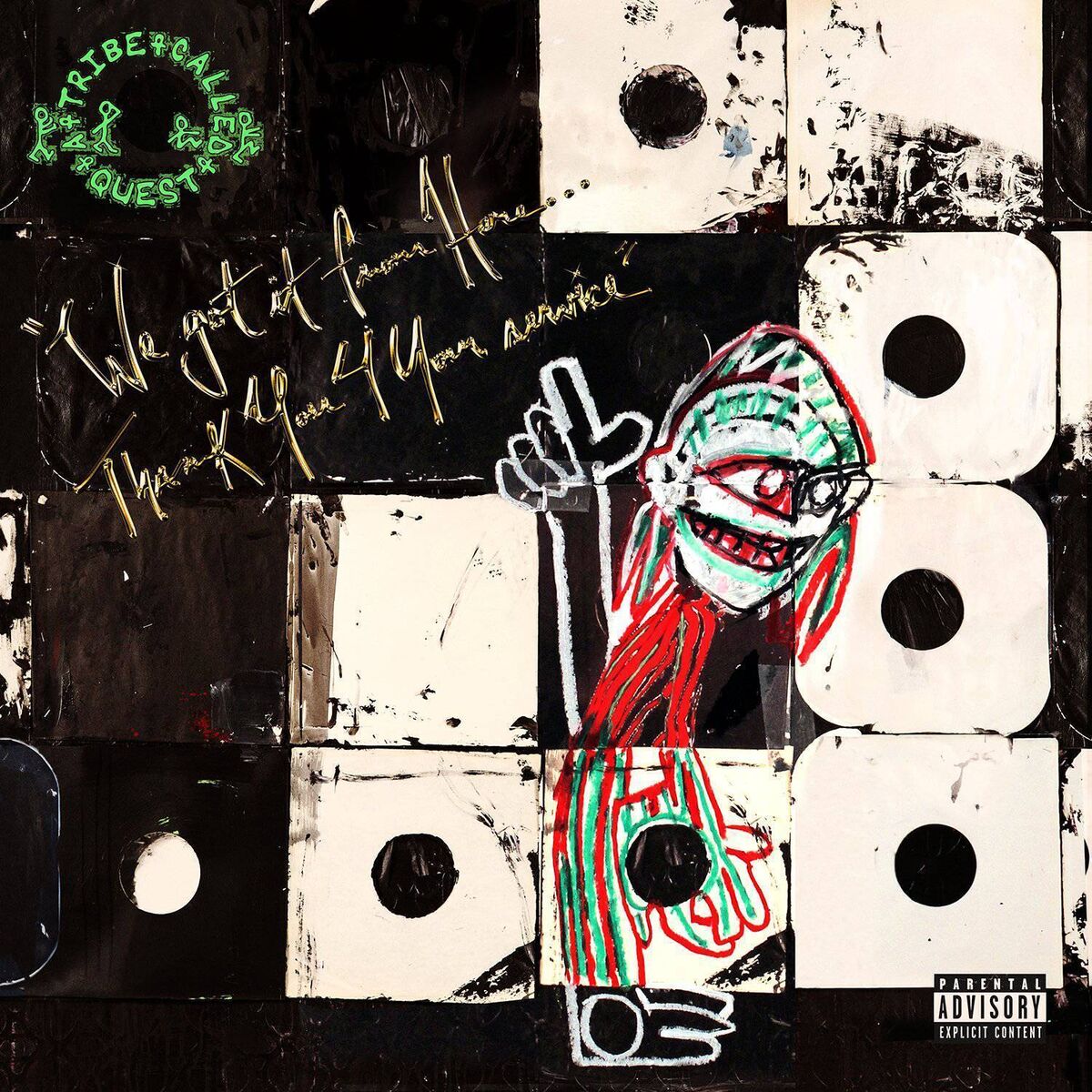
Their first album of the century, since 1998’s nobody was expecting A Tribe Called Quest’s farewell to be this good. Friendships had splintered between Q-Tip and Phife Dawg due to — well, take your pick: Ego, money, creative control. The 2011 documentary had documented it all. But in November 2015 they performed on Jimmy Fallon’s late-night chat show, felt charged, and went into the studio. Death got in the way, though, as Phife Dawg died in March, just months before the album dropped. Featuring a plethora of guests, is a fiery, politically charged, and joyfully inventive record that feels like classic Tribe updated for a fractured America.
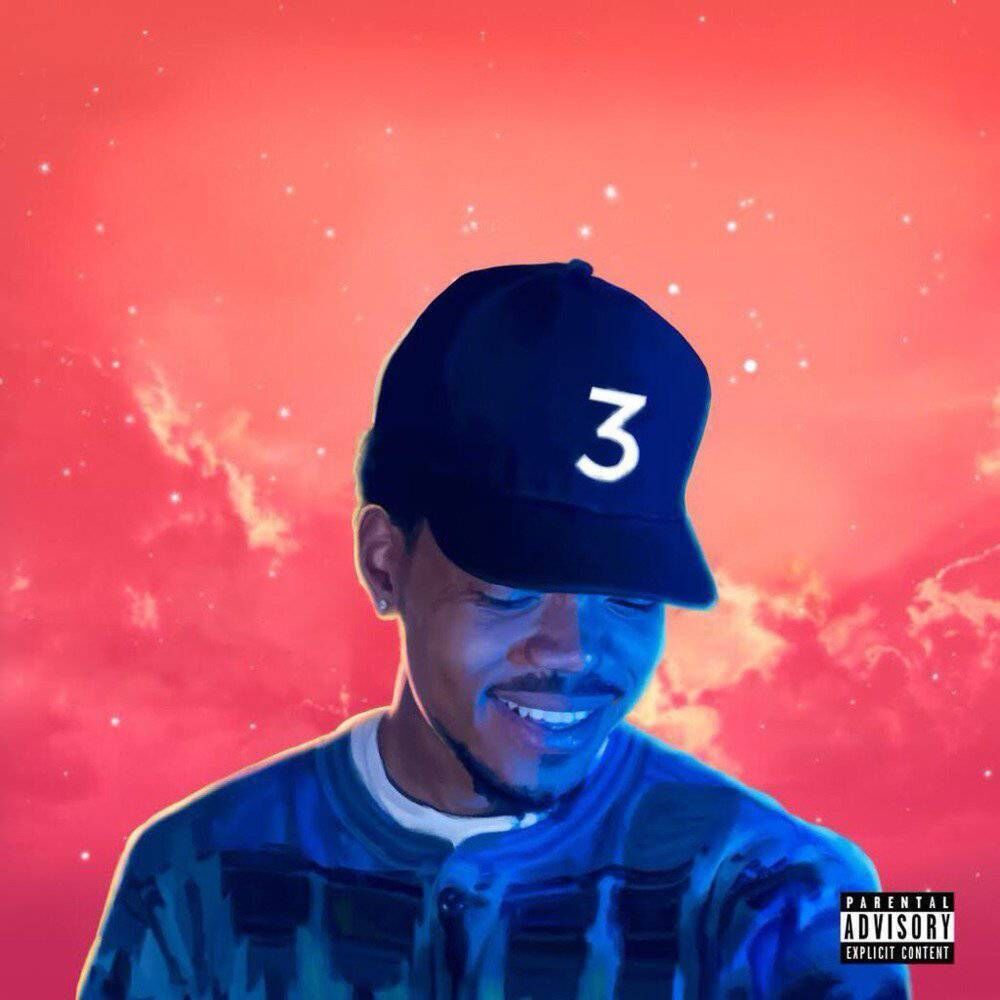
No album makes 2016 feel like another lifetime than Chance the Rapper’s third mixtape This was a statement from one of the most exhilarating up-and-coming artists, a joyous, gospel-tinged, mainstream rap record bursting at the seams with energy. Kanye West, Justin Bieber, Lil Wayne, and 2 Chainz all featured. It still sounds so great. The Chicago rapper won a Grammy for best rap album — the first streaming-only project to do so — and it looked like Chance was the future of rap. Ten years on, it still sounds fantastic… even though we’ve barely thought about him since. He released two albums proper, including 2025’s , but he dropped totally out of relevance almost as quickly as he arrived,
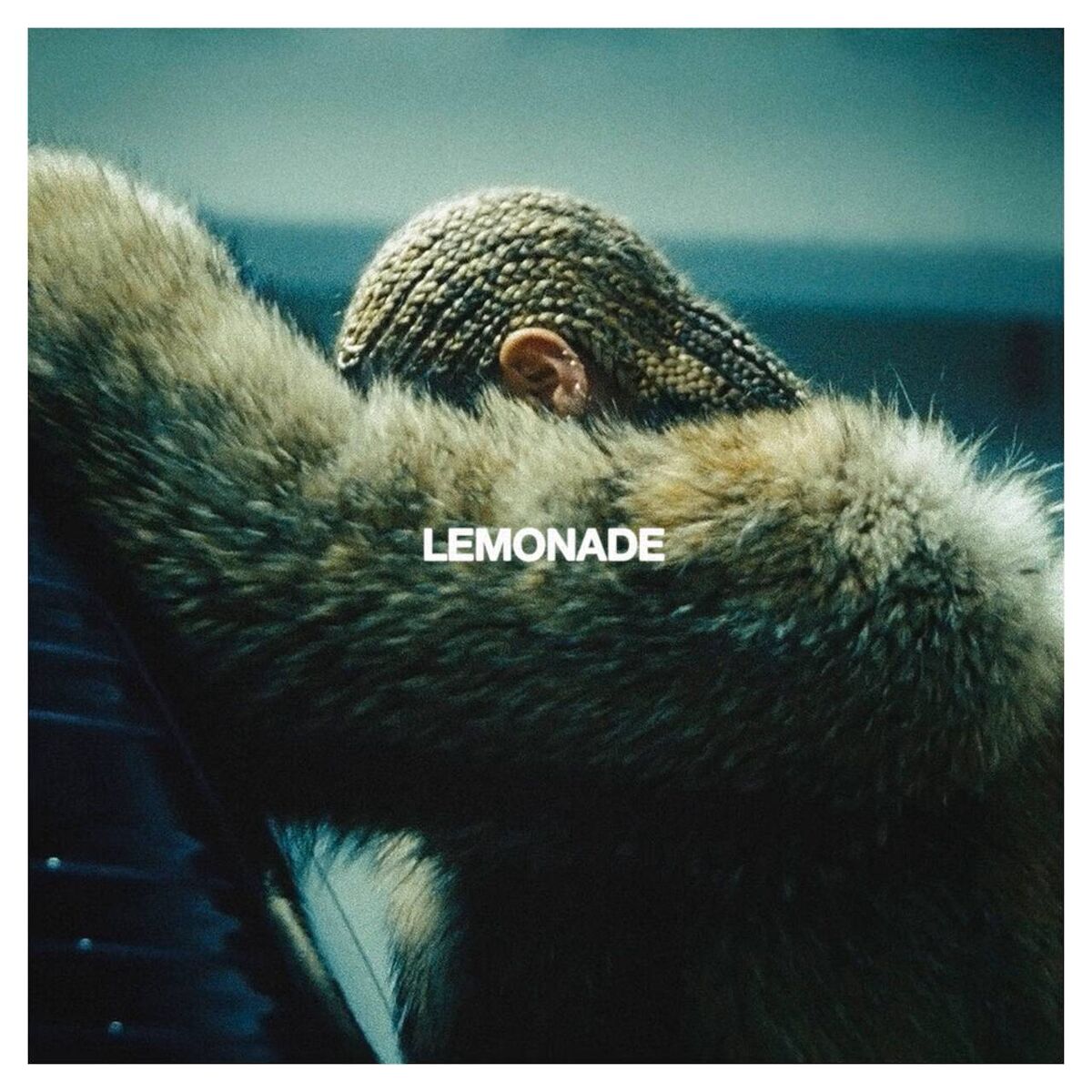
Like Kendrick Lamar’s a year earlier, Beyoncé’s is a statement record. That was obvious from the very first seconds of the lead track with its powerful glimpses of New Orleans after Hurricane Katrina, the marching band horns, and Beyoncé standing proudly on a police car in that iconic red dress. It’s impossible to ignore its exploration of the black female experience in America.
Beyoncé celebrates southern black culture, beauty, resilience, and power while staring down systemic injustice — amid cries against her from right-wing commentators. That defiant spirit ran through the whole visual album — see Beyoncé smashing car windows with a smile while carrying a baseball bat in Her ambition has only increased with the records that have followed — but still feels monumental.
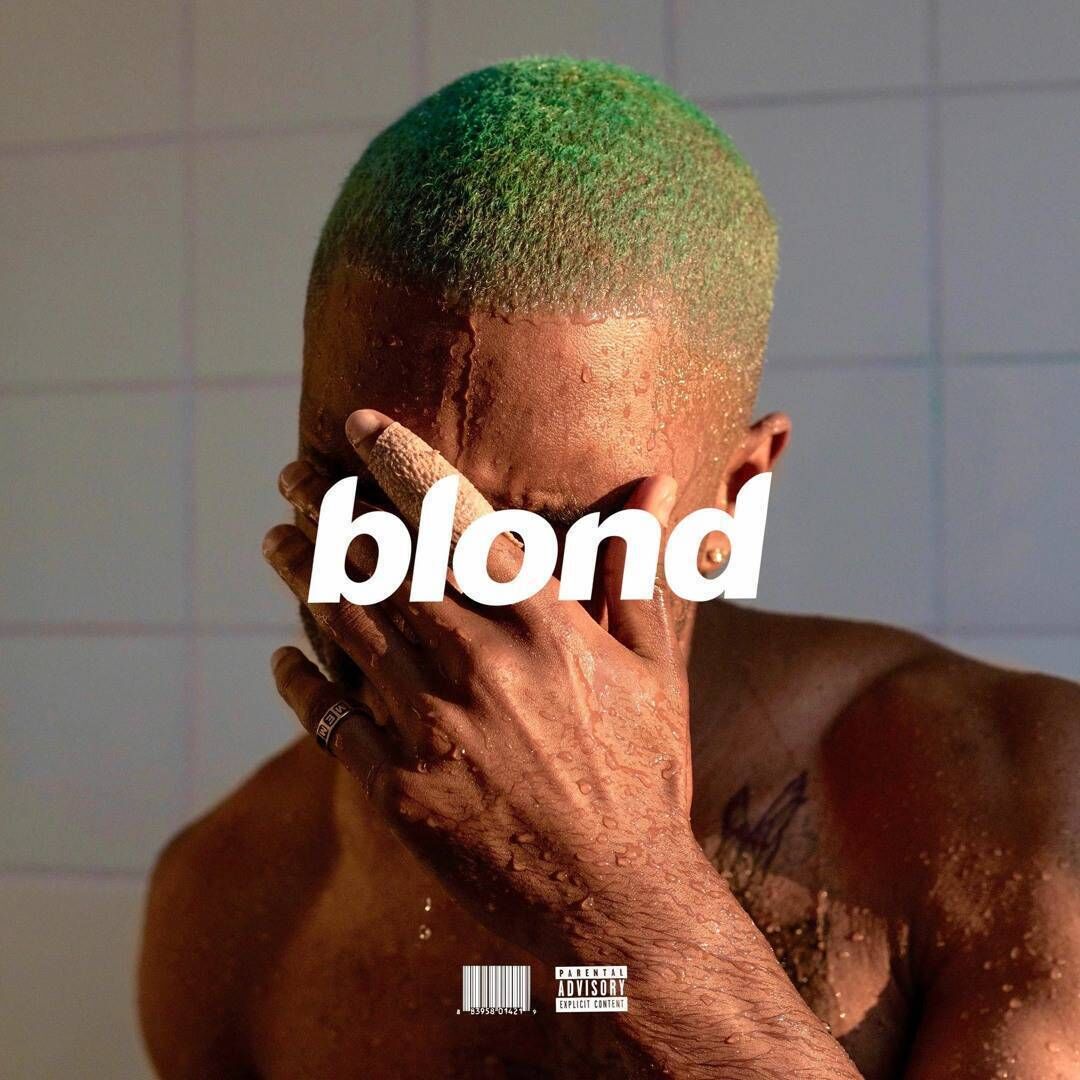
Blonde is the third studio album by Frank Ocean, arriving a day after the visual album and four years on from the startling Whereas that record announced the arrival of a new superstar, Blonde felt like a deliberate step back into the shadows — Ocean literally shielding his face from the camera on the cover. Ten years on, that retreat has only solidified.
Aside from a Spinal Tap-esque headline slot at Coachella in 2023 (who thought an ice rink in the desert was a good idea!?), we’ve barely heard from him. is sumptuous and hazy, full of layered beauty, yet it carries a quiet righteous anger. The opening track Nikes sets the tone immediately with the haunting line: “RIP Trayvon, that nigga look just like me.” Blonde doesn’t try to grab your attention like It’s intimate, immersive, and quietly influential — a masterpiece that rewards endless listening.
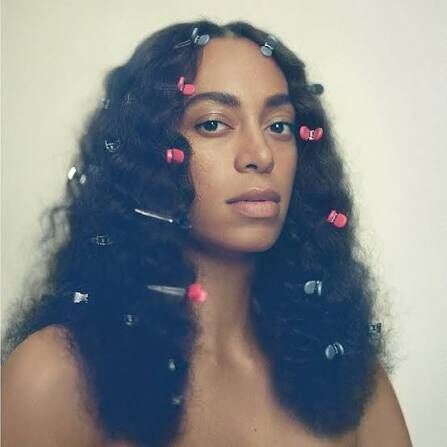
“I’m weary of the ways of the world,” sings Solange on the second track of her third studio album. is a beautiful, graceful record about self-empowerment, identity, and — like her sister Beyoncé’s Lemonade the same year — a proud celebration of black identity. It’s stitched together with intimate interludes: Matthew Knowles (her father) recounting the racism he faced growing up in followed by Solange calmly asserting her right to anger on Her mother Tina Lawson says in “There’s so much beauty in being black,” which flows straight into the stunning response of The emotional high point is , a superlative reflection on trying to outrun pain — trying to drink it away, dance it away, work it away — only to realise “it made me that much sadder”. As Solange told Beyoncé in magazine later, she was working through “a lot of challenges at every angle of my life… And I think every woman in her twenties has been there.”
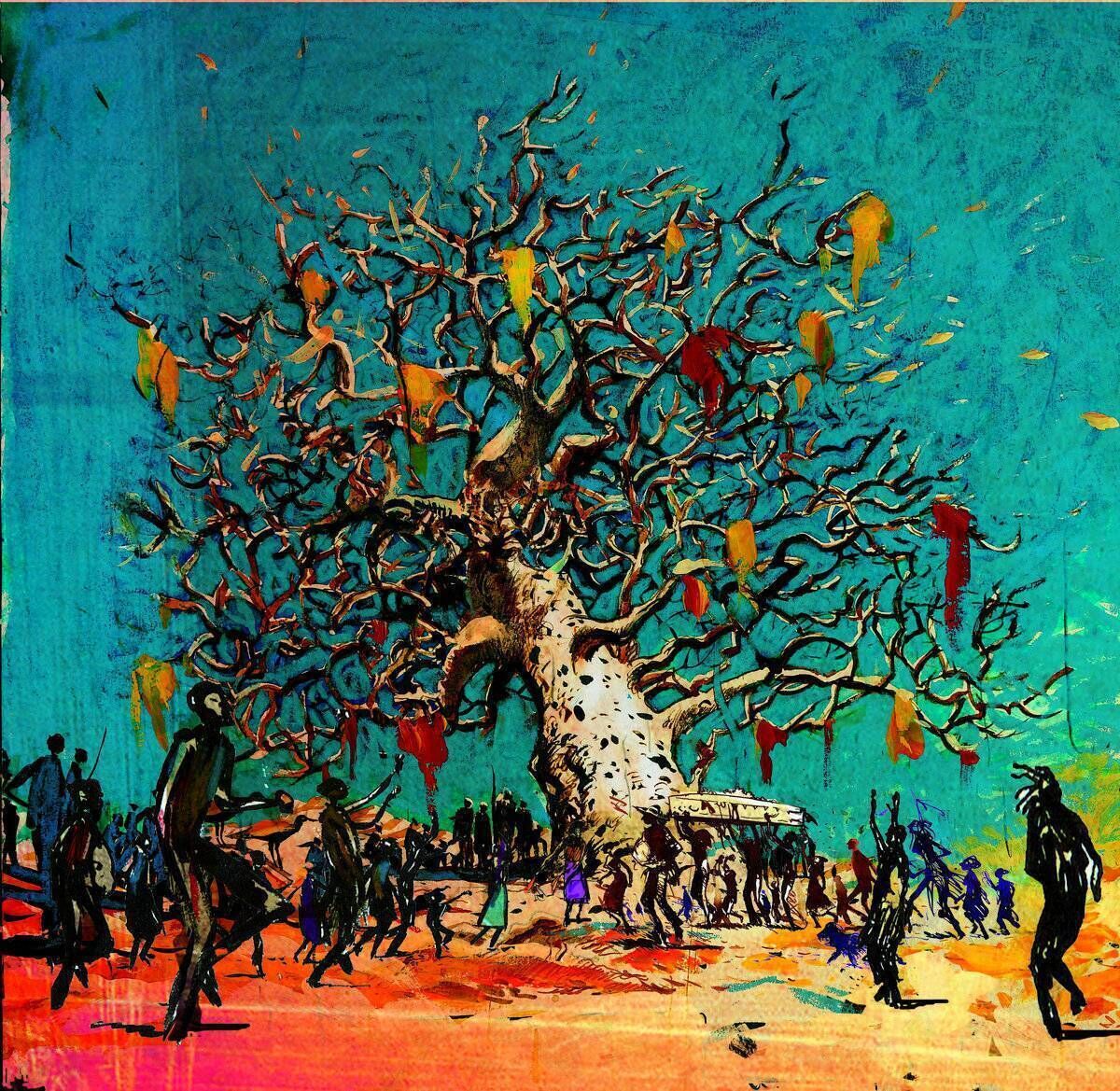
The first rap album to win the Choice Prize for album of the year, the first majority-black act to claim the prize, and the album that introduced us to Denise Chaila. Rusangano Family grew out of a couple of solo mixtapes by friends God Knows and Murli, both produced by Clare DJ MynameisjOhn, into one of the most exciting acts in Ireland. At once introspective and reflective, political and electrifying, they say is a call to all to step off the treadmill of everyday life, to question and engage, and to seek life by letting what is dead bury itself. There are knowing shoutouts to Biggie, Fela Kuti, and Chuck D, paying tribute to the artists who laid the path before them, while featuring Denise Chaila — then known as a spoken-word artist — is a heart-rending standout.