Jim's Gems 2006: Ten best albums of the year, including Amy Winehouse and Bob Dylan
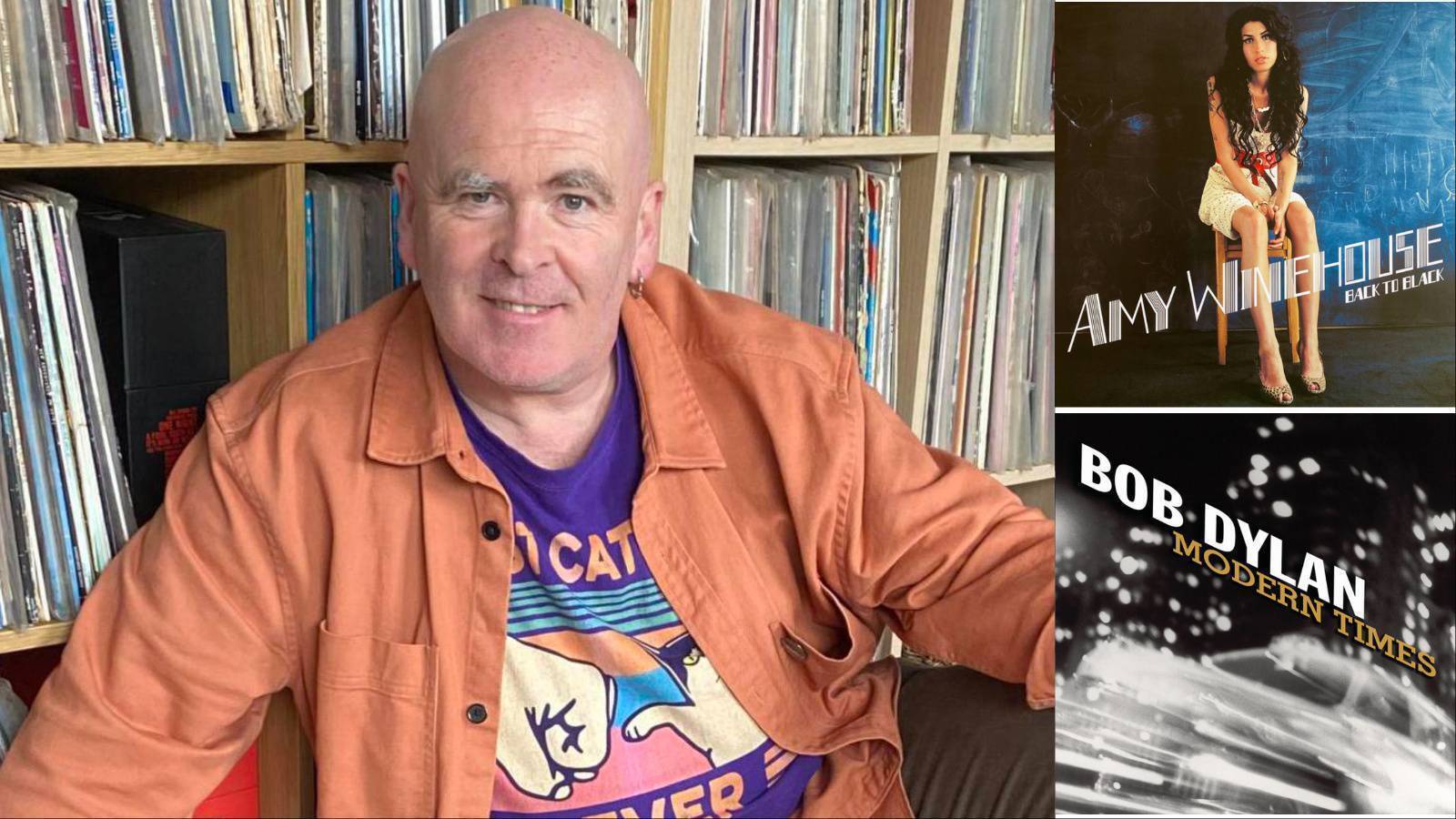
Jim's Gems 2006: Cork music aficionado Jim Comet selects the best albums marking their 20th anniversary.
It was a landmark year for social media which saw the launch of Twitter and the huge expansion of Facebook and YouTube, but by the middle of the first decade of the new millennium, the music industry was an entirely new landscape. Manufactured boy bands and second-rate karaoke acts ruled the charts thanks to the rising popularity of reality TV talent shows.
Away from that glossy facade, however, 2006 still managed to be an incredible year for music. Here’s my pick of the best 10 records:
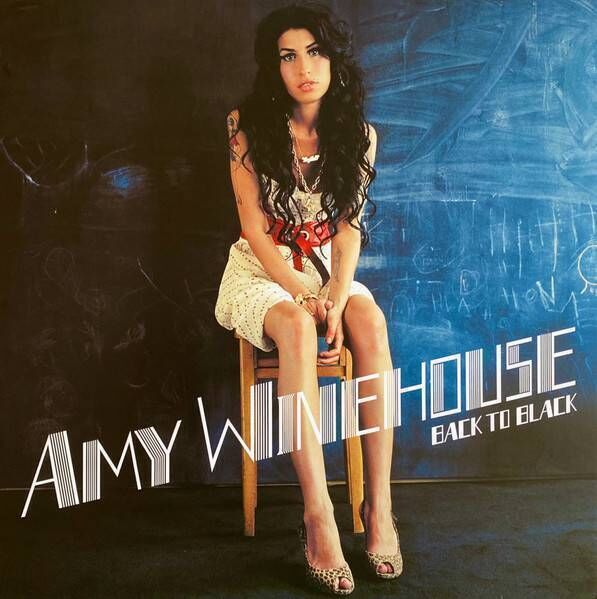
While the Londoner’s first album was a lighter, jazzy coming-of-age record, for the second album, Winehouse took it more to the dark side. With the addition of Mark Ronson on production, and the Dap-Kings as a studio band, the sound was completely changed. It had obvious influences from the early New York girl groups like The Shangri-Las and The Crystals, which she now absolutely devoured.
The songs deal quite openly with her struggles at the time. A major relationship had ended and she couldn’t see past that. It became the theme of the whole album. She was also dealing with addiction problems and an eating disorder, and she was only 23.
Winehouse lays it all out for all to see on the record. “I stay up, clean the house, at least I’m not drinking,” is a line that still gives me shivers. I hope Winehouse is remembered for her amazing talent and for making possibly the greatest record of the 21st century as opposed to the macabre soap opera that contributed to her untimely demise in 2011.
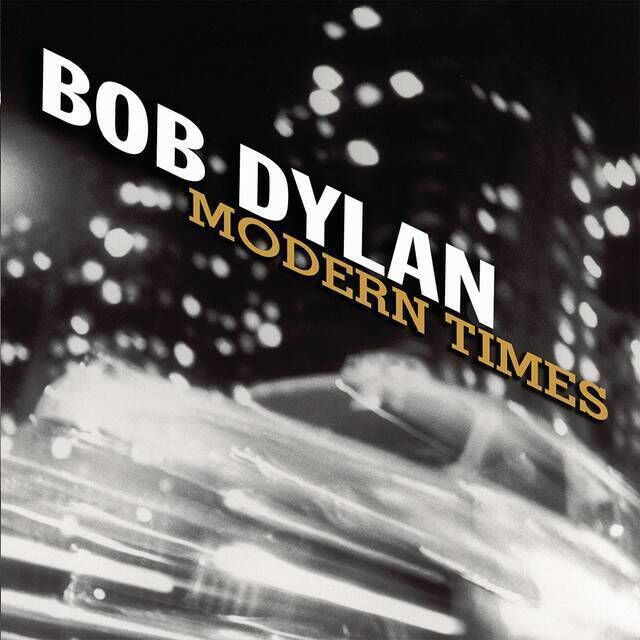
His 32nd album and the third in that incredible creative run that began with in 1997. While it treads the same American roots platform as its predecessors, musically it takes a much more subtle approach. The band sounds like they’re tiptoeing through songs like and , with the acoustic guitar and jazz drums doing most of the work. Less is definitely more in this case.
Vocally, it’s one of Dylan’s strongest performances. He had just qualified for his bus pass at the time, and his distinctive voice had matured accordingly, adding further gravitas to this extraordinary collection. There are two stone-cold Dylan classics here: and , which I saw him perform live in Thomond Park in 2010.
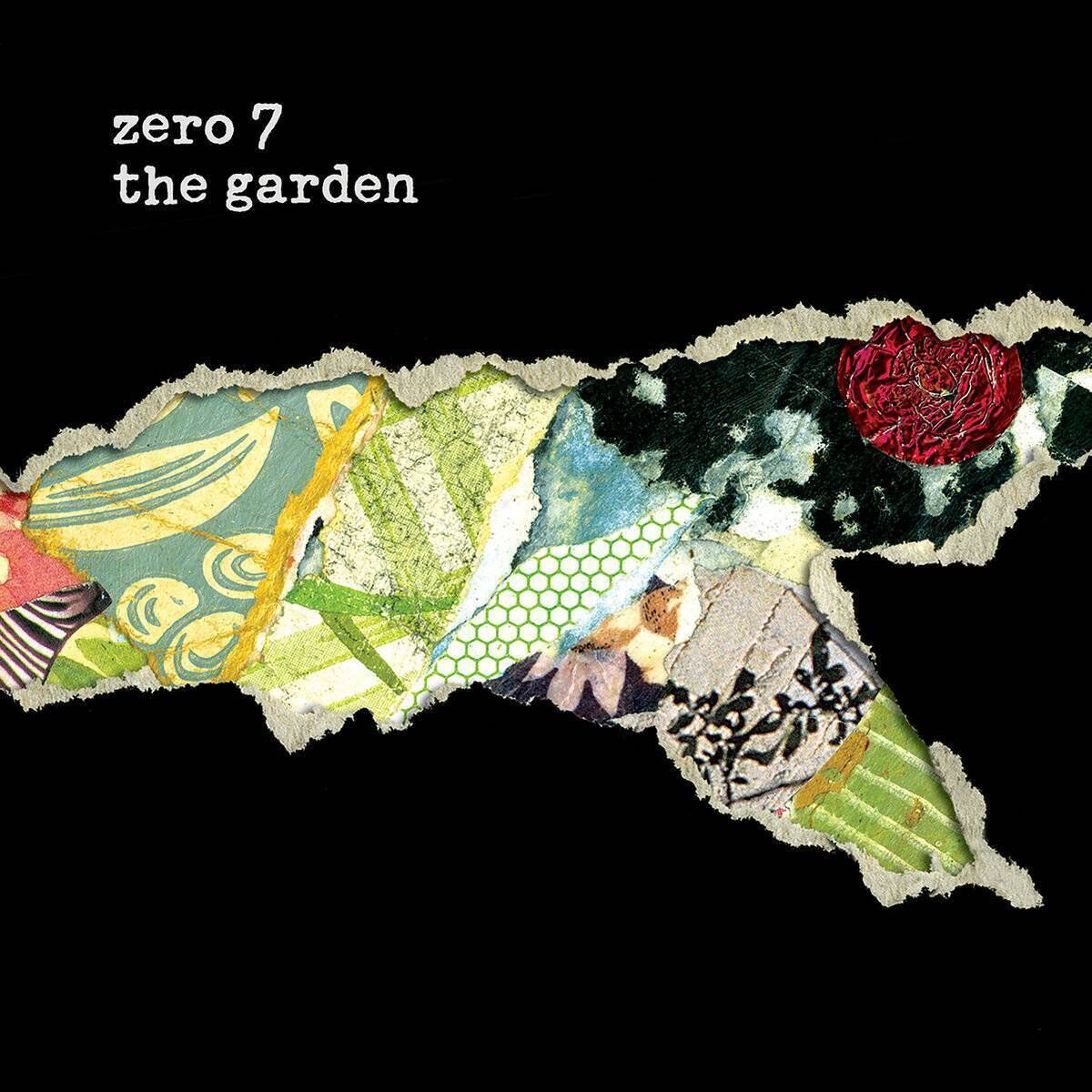
I fully expected Zero 7 to either disappear or have a by-the-numbers career after the excellent Simple Things in 2001. How wrong was I. On this, their third and best record, they seriously push the boat out musically to create an album that’s steeped in jazz, electronica, chill out and, bizarrely, 1970s folk rock. Someone’s obviously been at the Fairport Convention records. Sia provides the vocals, as does Jose Gonzalez, and they shine throughout this incredible journey that channels artists as diverse as CSN, David Axelrod and our own Gilbert O Sullivan.
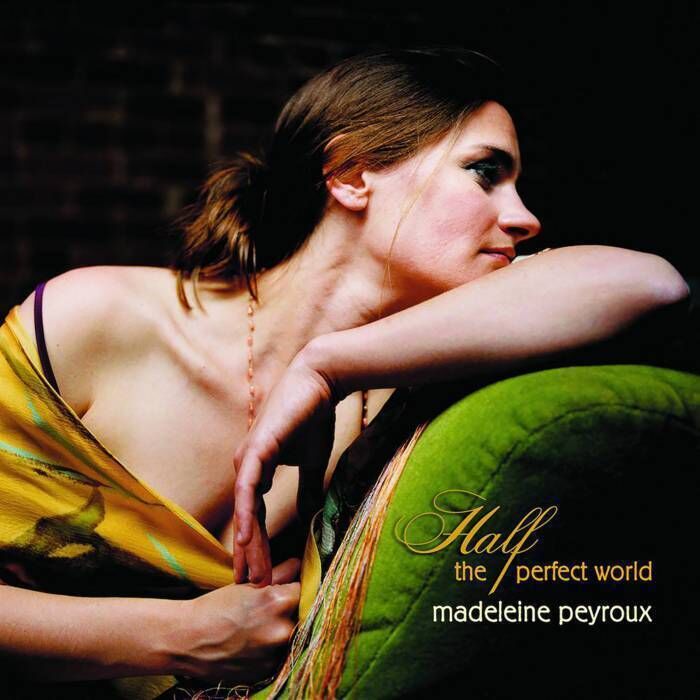
Originally from Athens, Georgia, Madeline Peyroux moved to Paris at age 11 when her bohemian parents divorced. Raised on a diet of jazz, she was singing on the Parisian streets by the time she was a teenager. Imagine a hippy version of 1940s and ’50s jazz and easy listening, with bits of Astrud Gilberto and Françoise Hardy thrown into the mix. Similar to Billie Holiday, she has a limited but effective vocal range. On this, her third album, she includes original material, as well as covering Tom Waits, Leonard Cohen and Charlie Chaplin’s beautiful Smile.
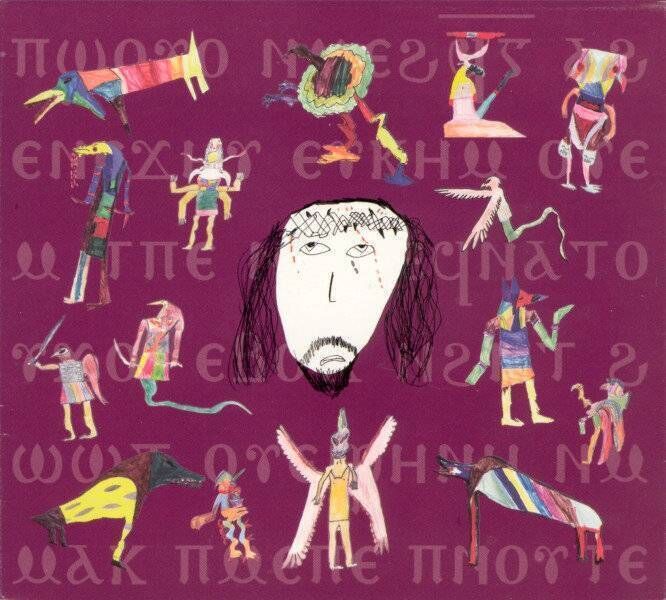
Current 93 are a musical collective founded by former Psychic TV member David Tibet. Originally concentrating on electronic and industrial music, the group veered towards a gothic folk style, drawing its influences from the occult, Christianity and the film The Wicker Man. This strange but very compelling album features nine different versions of the same song, an old Appalachian tune called Idumaea. Vocal contributors include Marc Almond, Will Oldham, Anohni (Antony & The Johnsons), and Chris & Cosi from Throbbing Gristle. Definitely an acquired taste but well worth checking out.
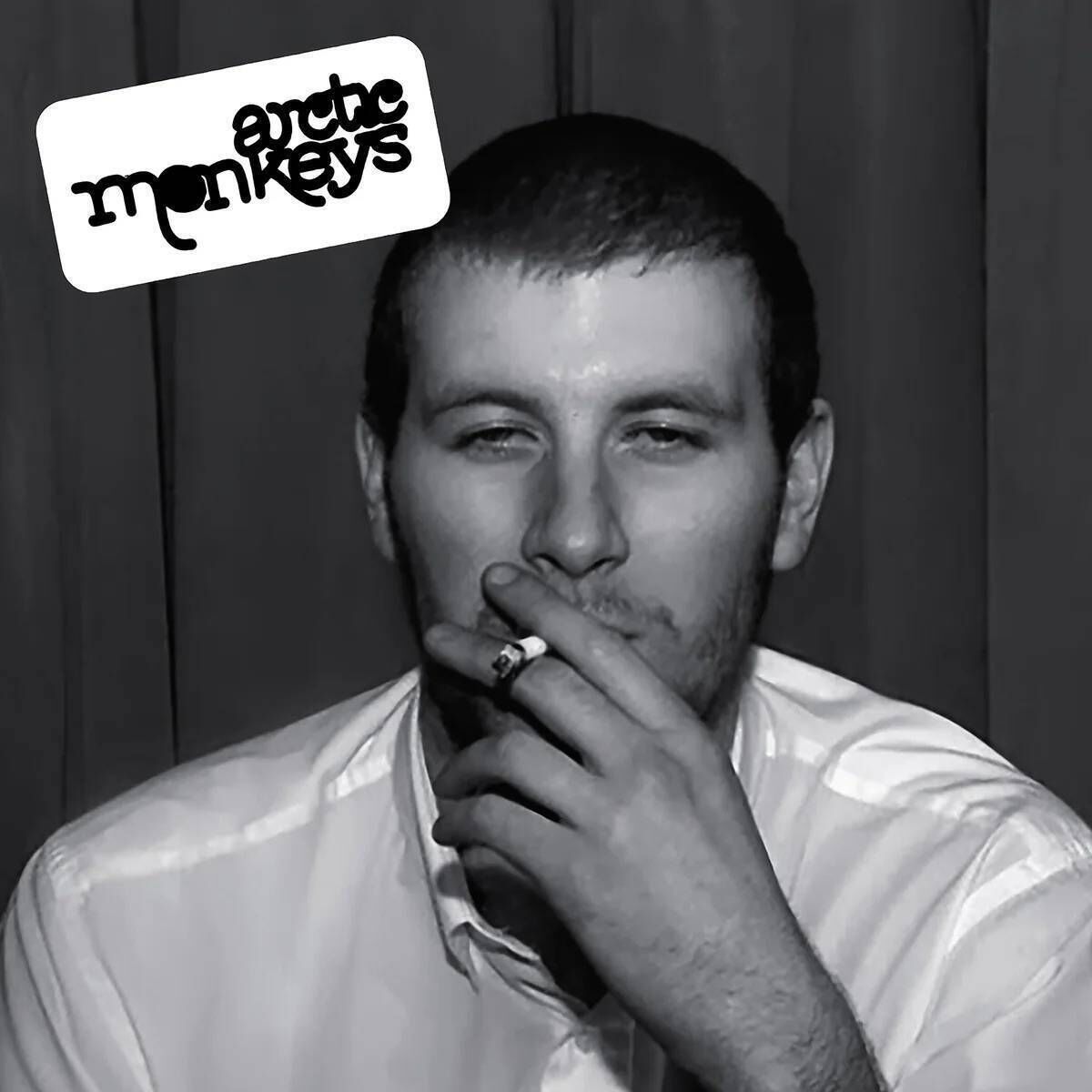
I remember the excitement that surrounded this album. A real band with real people who wrote their own songs and played their own instruments. A welcome respite from what was going on in the pop charts. They were seen by many as the saviours of rock music, which didn’t really need saving. The Sheffield lads, however, seemed to take it all in their stride. In Alex Turner, they had one of the best upcoming songwriters and frontmen of his generation. They didn’t break any new musical ground. The Smiths, The Fall, and The Wedding Present had trodden these boards before, but this was a refreshing take, and the tunes were great.
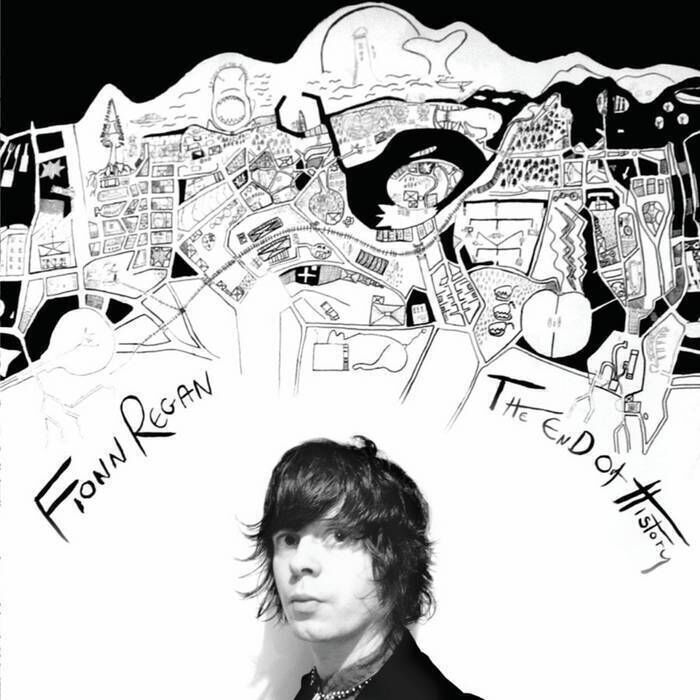
There was a time in the mid-noughties that you couldn’t throw a stick in Ireland without hitting an angst-ridden singer-songwriter. They were everywhere and the quality could vary. I always felt Fionn Regan was a bit different. He initially reminded me of a younger Dylan with a bit of Nick Drake and Elliot Smith thrown in.
The Bray man seemed to be a bit of an outsider who didn’t follow the rules of this particular genre and he didn’t seem to care. His songs were very cleverly constructed, and his delivery had a maturity and arrogance that belied a man of his tender years. Maybe the genre had exhausted itself because despite the accolades and award nominations, the expected superstardom didn’t quite happen. We were left with yet another addition to the great lost and forgotten Irish albums series.
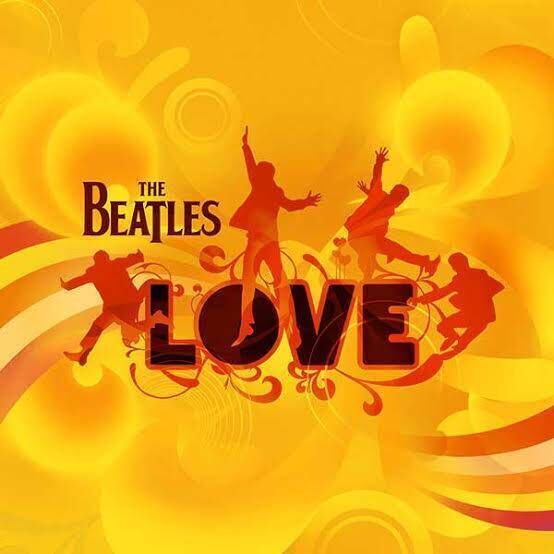
Technically not a new record but a completely new way to experience The Beatles' music. Originally conceived as a soundtrack for the Cirque Du Soleil show of the same name, this is basically a mash-up of their back catalogue deconstructed and spliced back together rather ingeniously by George and Giles Martin. The purists may recoil in horror, but I think it’s brilliant. There are some serious gems here. While My Guitar Gently Weeps with George Harrison and a string quartet is beautiful, while a version of Strawberry Fields that begins with just John Lennon and an acoustic guitar and slowly builds into a crescendo as the band and orchestra join in is even better than the original.
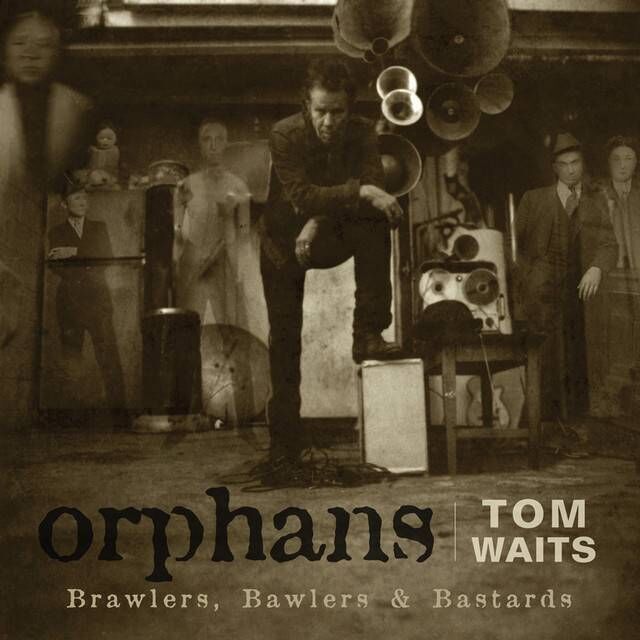
I suppose every great artist has a treasure trove of songs that didn’t make it onto their original albums for various reasons. Sometimes these songs may have been shelved for a good reason, but in certain cases those leftover piles can be treasure. Dylan’s Bootleg Series and Van Morrison’s Philosopher Stone spring to mind.
Waits’ goodie bag was always going to be brilliant… and he’s organised them in such a Tom Waits way. is the dingy backstreet jazz and guttural blues stuff that he started to develop halfway through the 1970s. , as the name suggests, is the late-night maudlin piano stuff, which is my favourite version of Waits. The third part is mostly spoken word and soundtracks, and includes a beautiful spoken Charles Bukowski piece called , which for me is the highlight of the record.
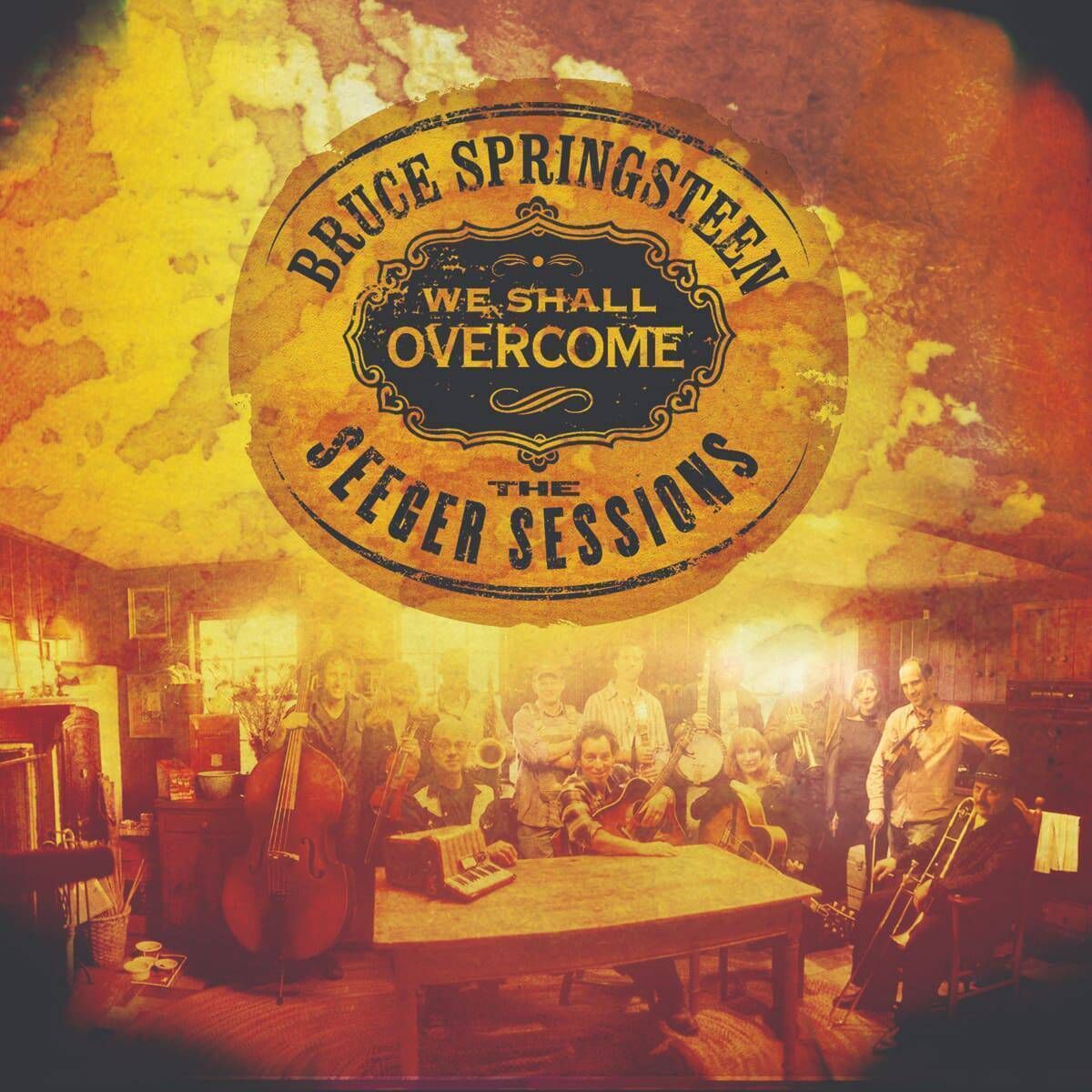
I’m not usually a fan. For me, Bruce Springsteen has always been a byword for uninteresting and underwhelming music. However, this is very different. This is Bruce with a different band, tackling the great American folk songbook. This is the music of Pete Seeger and others who paved the way for Dylan, Bruce himself, and many others. This is the music that tells us the story of the building of America and of the pioneers from far and wide who made that journey west. O Mary Don’t You Weep, Shenandoah, and The Erie Canal are among the many folk songs included on this fine collection.
I’ve always thought Jack White was wasted in the appalling White Stripes. This record proves my point.
Great album but a word of advice, lads. sounds great when you play it at Electric Picnic. Maybe don’t put it on your album.
Sonic Youth back to a four-piece and sounding very -ish.