Ireland's festival posters are a time capsule for music — and the country
From indie rock and international superstars to Irish acts commanding top billing, Ireland’s festival posters are time capsules of how our music — and our culture — have evolved, writes Holly Warren.
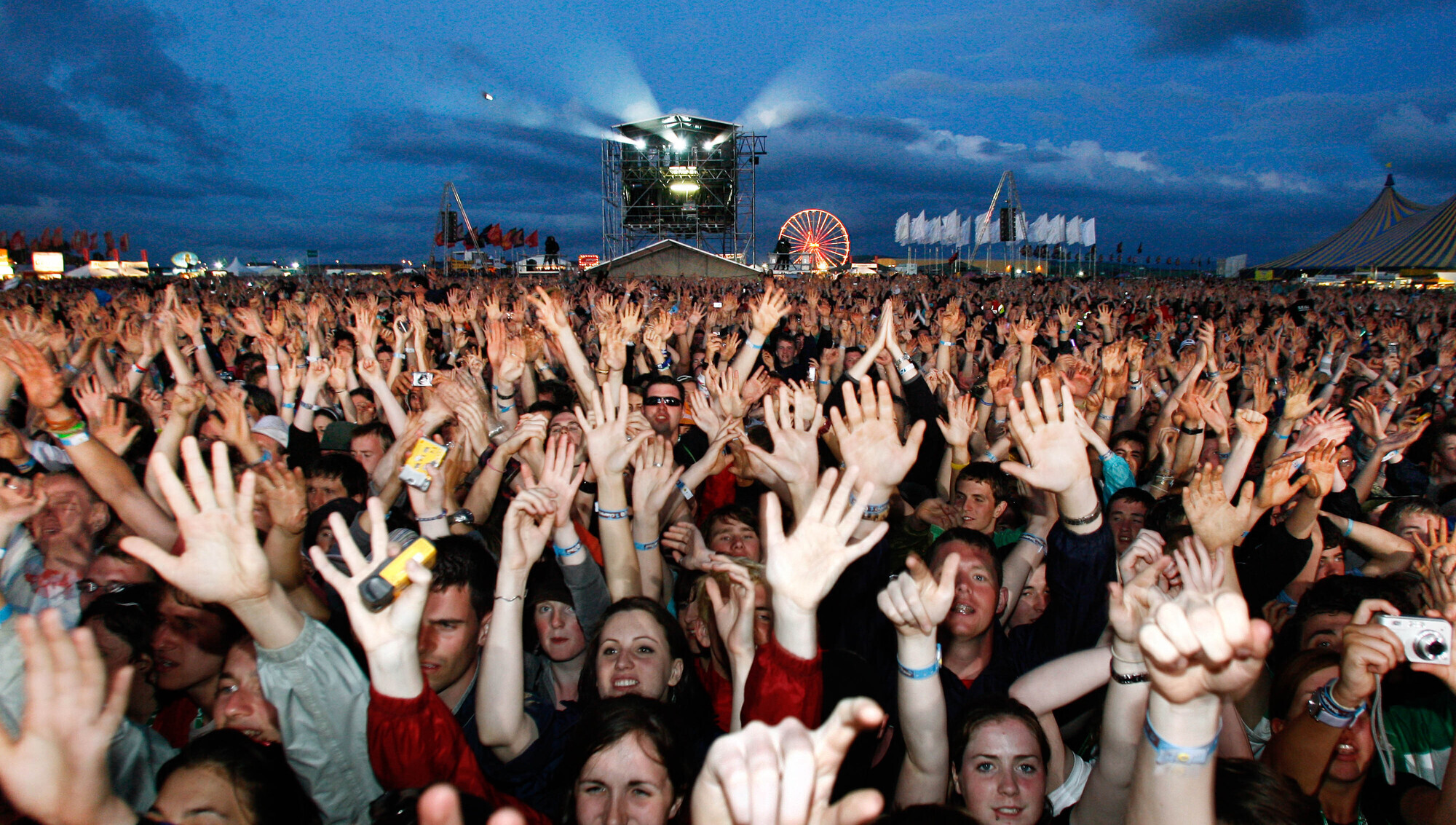
The crowd cheer on Snow Patrol playing on the Main Stage at Oxegen 2007. Picture: Mark Stedman
The crowd cheer on Snow Patrol playing on the Main Stage at Oxegen 2007. Picture: Mark Stedman
Festival posters are time capsules. Long after the wristbands have been cut off and the tents packed away, they remain a snapshot of the moment they were made, capturing not just who we were listening to, but the kind of country we were.

Twenty years ago, Ireland’s biggest festival bills looked remarkably different. Oxegen, then the country’s flagship music festival, was dominated by male, guitar-led acts and arena-sized international names. The Chemical Brothers, Muse, Kings of Leon, Foo Fighters, The Killers, Snoop Dogg, and Red Hot Chili Peppers were among the artists that defined the era, reflecting a music industry where indie rock, alternative music, and blockbuster headliners ruled festival culture. Female artists were noticeably fewer, Irish acts rarely occupied the biggest slots, and genres largely stayed in their own lanes.

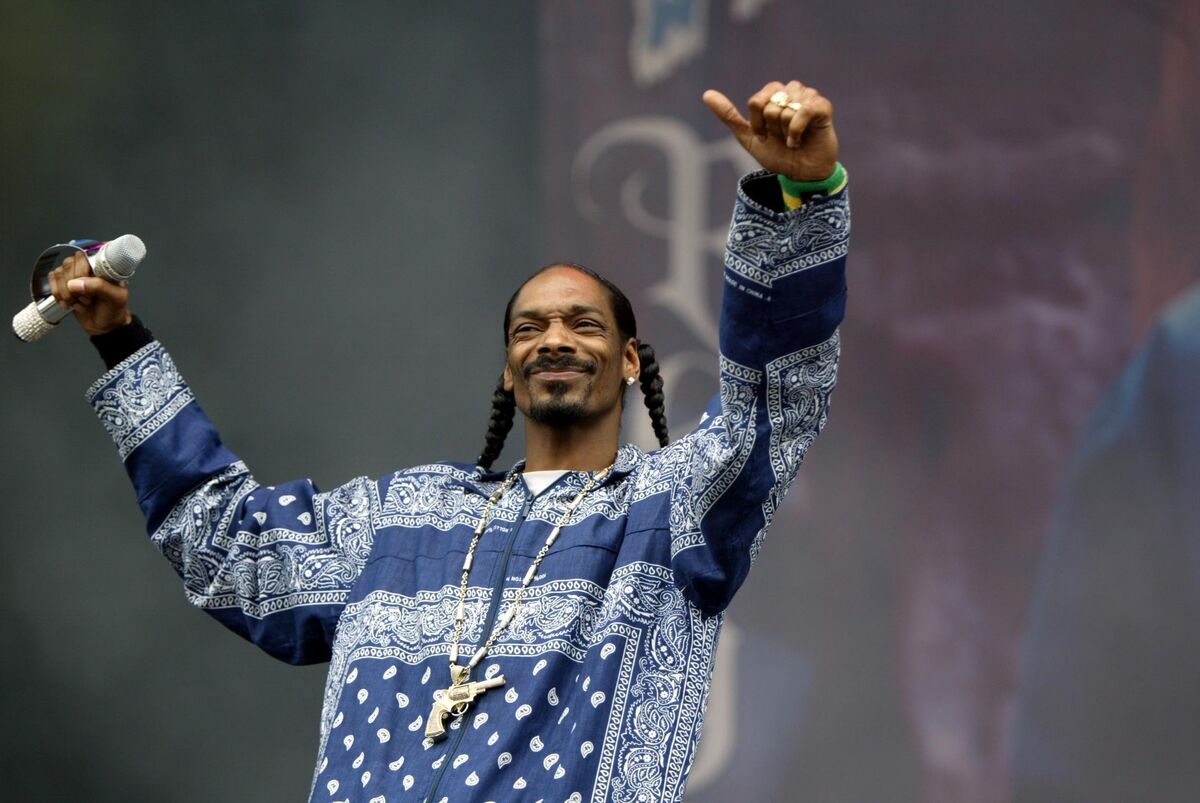
Snoop Dogg performing at Oxegen in 2005 Picture: Paddy Cummins/PCPHOTO

Today’s festival posters paint a very different picture.

At Electric Picnic, home-grown artists now sit comfortably alongside global superstars. Pop, rap, folk, dance, and indie share equal billing, while artists like CMAT and Fontaines D.C. command the same attention once reserved almost exclusively for international acts. All Together Now has built its identity around equally eclectic programming, pairing established names with emerging artists across folk, electronic, spoken word, and left-field music. Rather than following one dominant sound, Ireland’s festivals now reflect the way audiences actually listen to music: Playlists instead of genres, discovery instead of loyalty.

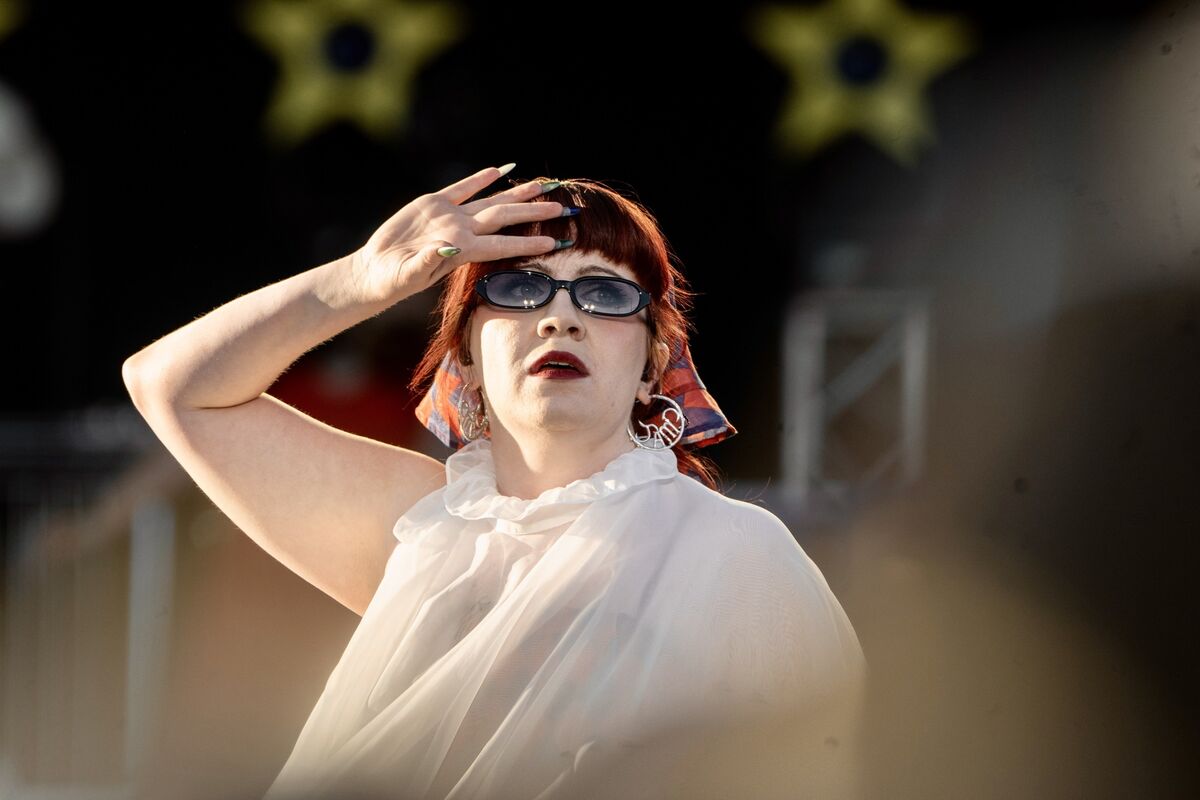
CMAT performs to a packed crowd during her headline show at Virgin Media Park, Cork. Picture: Chani Anderson

The evolution of Irish festivals isn’t simply a story about changing musical tastes. It’s a story about Ireland itself.

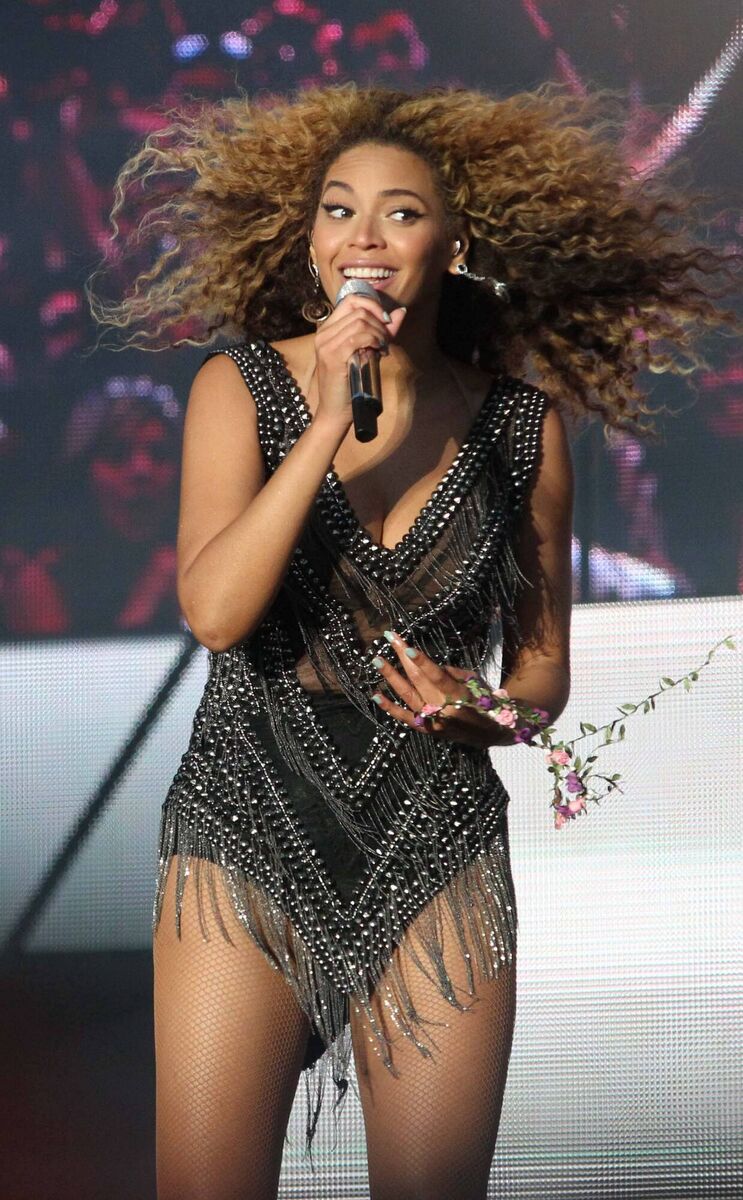
For much of the 2000s, Ireland found itself on the touring schedules of some of the biggest artists in the world. Beyoncé’s headline set in 2011, Blur’s long-awaited reunion, REM, Arcade Fire, The Cure, Radiohead and Arctic Monkeys all helped cement Ireland as a serious stop on the European festival circuit. Electric Picnic carved out a different reputation, bringing artists such as Pixies, New Order, Primal Scream, Kraftwerk, and My Bloody Valentine to Stradbally while championing electronic music, theatre and spoken word alongside the main stages.

Beyonce performs at Punchestown Racecourse for this year Oxegen Festival in 2011

Looking back through those posters is like flipping through a musical history book. Every era has its defining names. The mid-2000s belonged to indie rock, when guitar bands dominated both radio playlists and festival bills. The late 2000s saw electronic music claim increasingly prominent headline slots, while the 2010s ushered in blockbuster pop acts capable of drawing audiences that stretched well beyond traditional festival crowds.

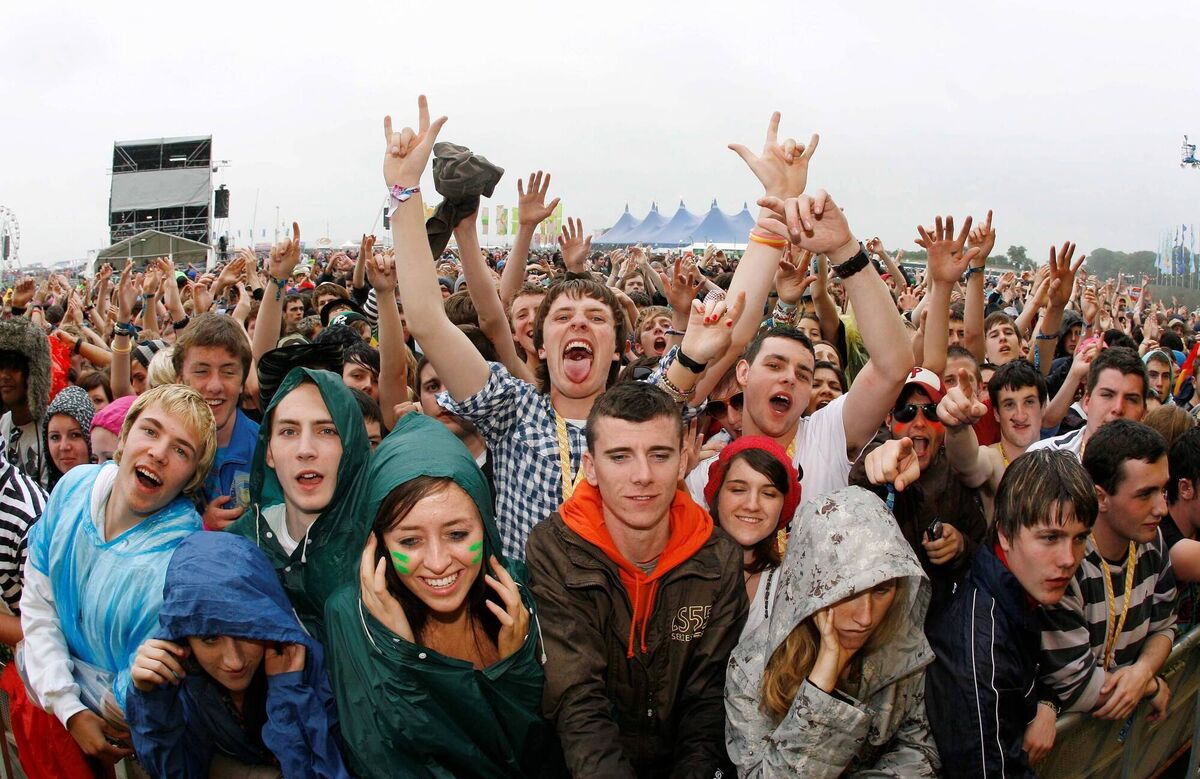
Crowd at the Main Stage at Oxegen 2010. Picture: KOBPIX

But perhaps the biggest story isn’t who came to Ireland. It’s who eventually rose to the top of the bill.

When Electric Picnic launched in 2004, Irish artists were an important part of the weekend, but rarely its biggest attraction. Acts such as Bell X1, The Frames, and Republic of Loose regularly appeared on festival posters, yet the responsibility of selling tens of thousands of tickets almost always rested with international stars. The festival itself was a far smaller affair than it is today; a one-day event attracting 10,000 people. Today, Electric Picnic welcomes roughly 80,000 attendees across an expanded three-day programme. Festivals largely looked outward, importing the biggest names from Britain and the United States and building their identity around them.

Look closely at festival posters over the past two decades and broader cultural shifts begin to emerge. The rise of Irish artists mirrors the confidence of an industry producing globally recognised talent. The growing prominence of female performers reflects a wider conversation about representation across music. The disappearance of rigid genre boundaries speaks to the streaming era, where audiences are just as likely to move from hip-hop to folk as they are from electronic to pop in the space of an afternoon. Even the festivals themselves have changed, evolving from music events into sprawling cultural weekends featuring comedy, theatre, food, wellness and political discussion alongside the headline acts.

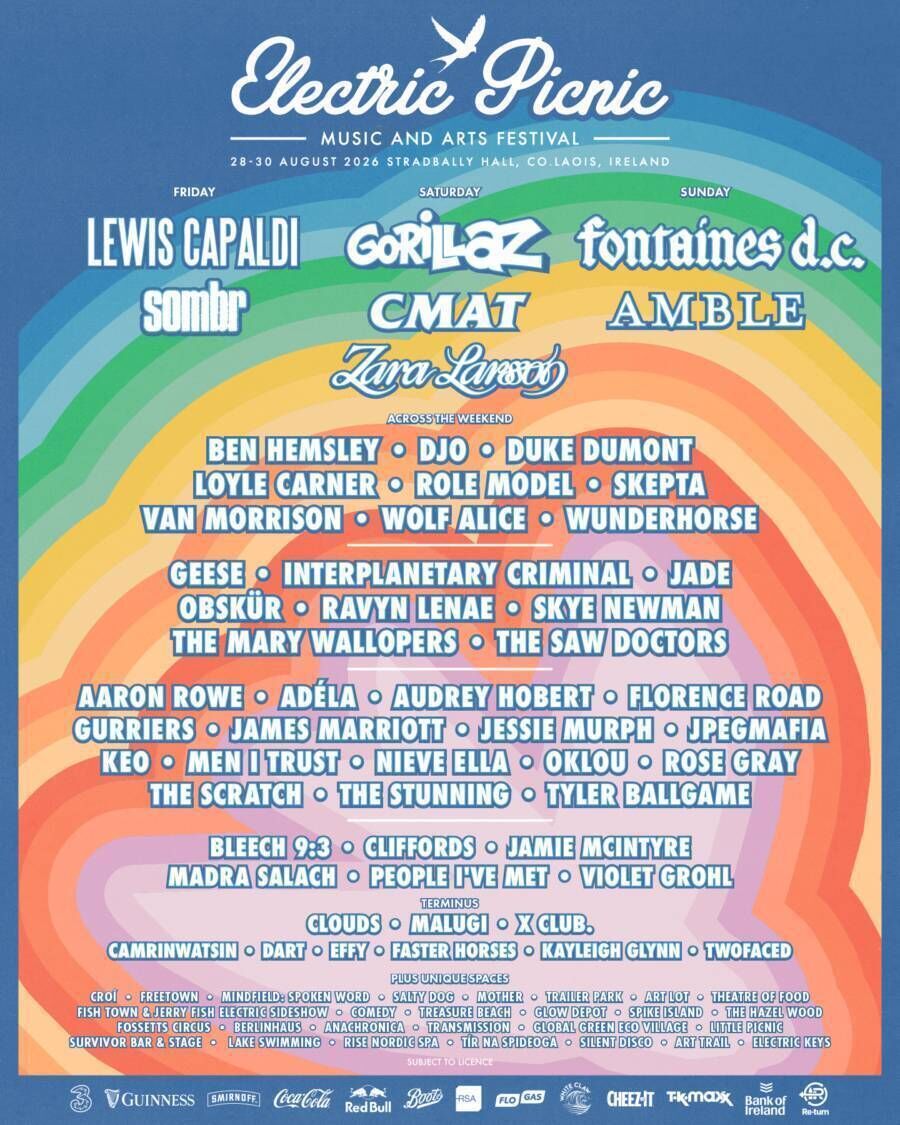
Electric Picnic's 2026 lineup

That balance has shifted dramatically over the past two decades. Today, Irish artists don’t simply fill afternoon slots or smaller stages; they define festival programmes. Fontaines D.C. have become one of the world’s most acclaimed guitar bands, CMAT has evolved from an emerging act into one of the biggest names on Electric Picnic’s poster, while Kneecap, Lankum, The Mary Wallopers, and a new generation of Irish musicians have demonstrated that home-grown talent can command the same attention once reserved almost exclusively for overseas acts.

The change says as much about Ireland as it does about music. A country that once looked abroad for its cultural headliners is increasingly celebrating its own, reflecting a music scene that has never been more confident, ambitious or internationally recognised.

That evolution can be traced not just through the names on the posters, but through the posters themselves.

Compare an Oxegen line-up from 2006 or 2008 with an Electric Picnic poster today and the difference is immediately striking. Where once the largest font was almost exclusively reserved for international rock bands, today’s posters move comfortably between genres and generations. Fontaines DC can sit alongside Hozier, CMAT beside Fatboy Slim, while rap, electronic music, folk, and pop all command the same prominence.

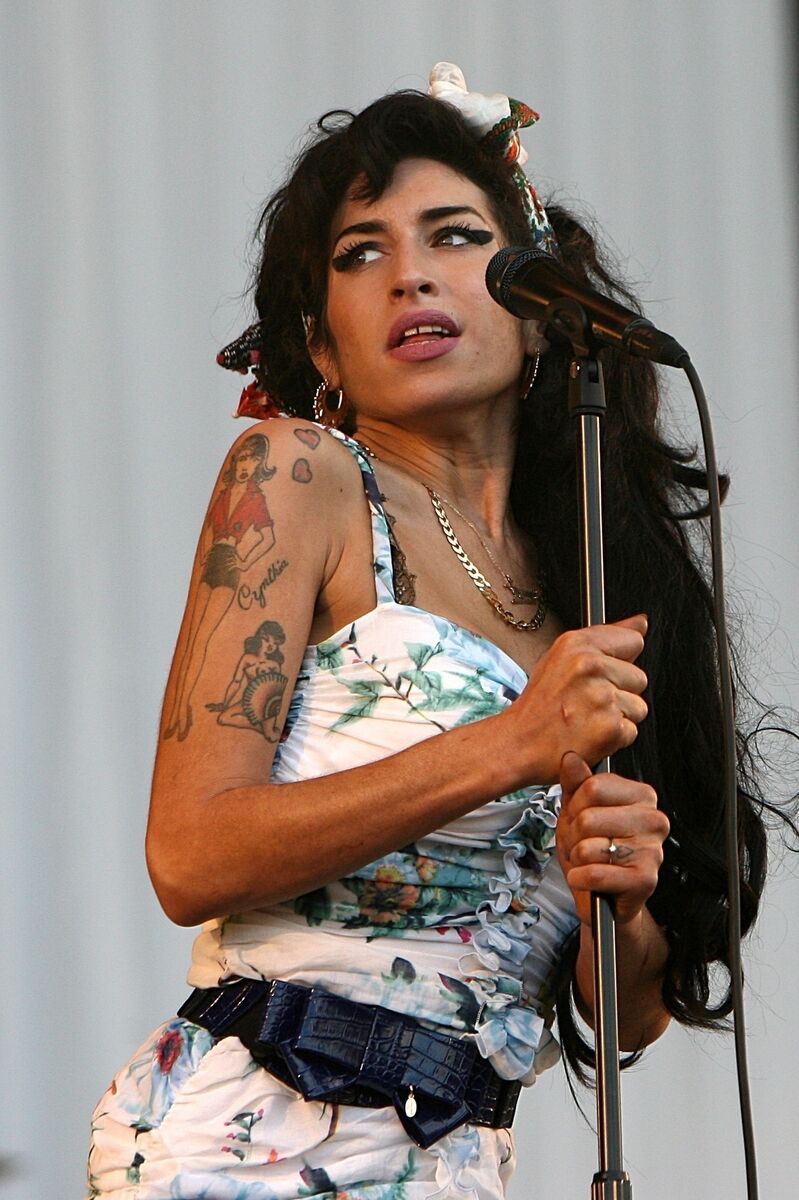
Amy Winehouse performs during the Oxegen Festival 2008 at the Punchestown Racecourse, Naas, County Kildare, Ireland.

It’s a reflection of audiences who no longer define themselves by a single musical identity.

Today’s line-ups would have been almost unimaginable in 2006. A modern festival audience can move from The Mary Wallopers to Pulp, from Wolf Alice to Underworld. Festival programmers are no longer catering to indie fans or dance fans; they’re programming for audiences whose playlists jump effortlessly between genres.

The changing face of the festival poster is also evident in who occupies its top lines. For much of the 2000s, female headliners were the exception rather than the rule. While artists such as PJ Harvey, Björk, and Goldfrapp appeared on festival bills, the largest names were overwhelmingly male. Today’s posters paint a noticeably different picture. Kylie Minogue, Billie Eilish, Charli XCX, Chappell Roan, Raye, CMAT, and countless others have demonstrated that female artists are no longer filling token slots; they’re among the biggest draws of the weekend. There is still room for improvement, but the imbalance that once defined festival programming has narrowed considerably. Perhaps no change has been more significant than the growing confidence in Irish music itself.

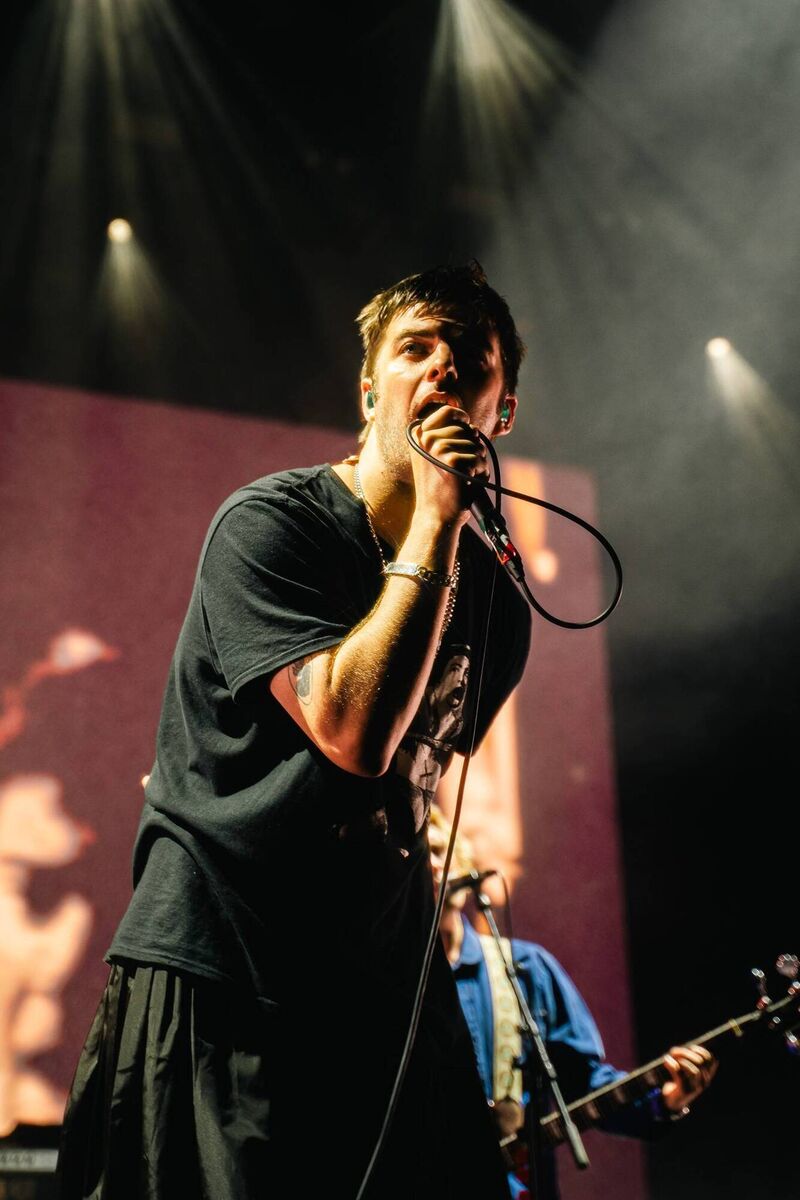
Grian Chatten of Fontaines DC on stage at All Together Now 2025. Picture: Aiesha Wong

The success of Fontaines DC, CMAT, Kneecap, Lankum, and The Mary Wallopers isn’t an isolated phenomenon. It reflects the strength of an Irish music scene that has gained international recognition while remaining rooted at home. Festivals no longer rely solely on importing global stars to sell tickets because Irish artists have become global stars in their own right.

That confidence extends beyond the headline acts. Walk through Electric Picnic or All Together Now today and you’ll find Irish musicians represented across every stage, from emerging artists making their festival debuts to established acts drawing thousands of fans. In many ways, festivals have become a showcase for the health of Ireland’s music industry, offering audiences the opportunity to discover the next breakout act before they reach international recognition.

The festivals themselves have also evolved beyond recognition. As the scale of Electric Picnic evolved, so too did the line-up, expanding from dozens of acts to hundreds of performers spanning music, comedy, theatre, spoken word and the arts. Ticket prices tell a similar story. A weekend camping ticket for Oxegen in the late 2000s cost under €200, while a standard Electric Picnic ticket today costs over €300, reflecting not only inflation but how much the festival experience itself has expanded.
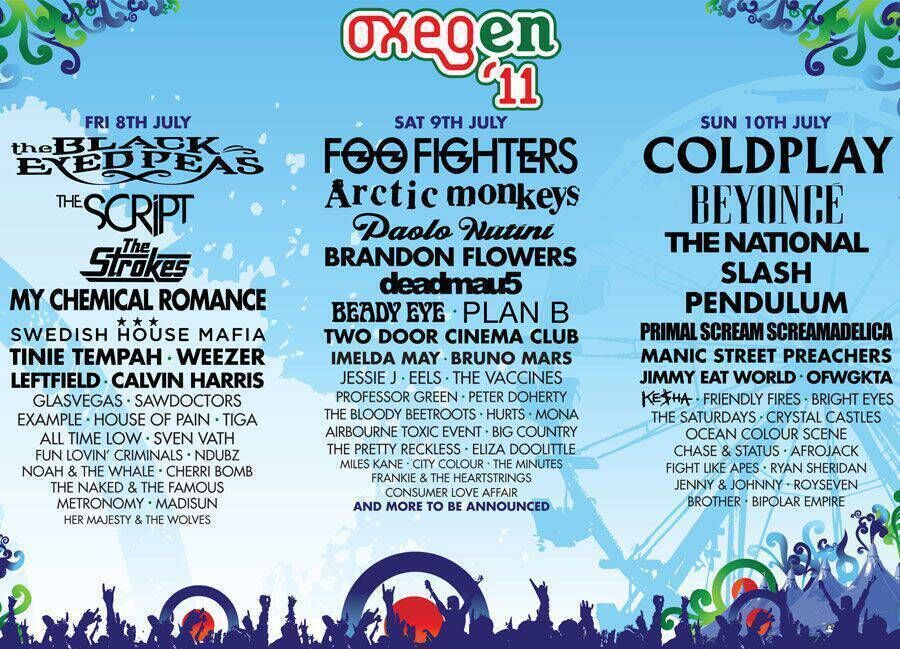
The Oxygen line-up in 2011

At the time, Electric marketed itself as more than a music festival, weaving theatre, comedy, art installations and performance, which distinguished it from Oxegen, which focused more squarely on blockbuster music bookings. Two decades later, that broader vision has become the norm. Modern festival-goers expect far more than a sequence of concerts. Wellness areas, literary events, podcast recordings, food villages, craft workshops and immersive art installations have become as much a part of the experience as the headline act.

That shift says something about modern audiences too. Festivals are no longer simply places to watch music; they’re destinations where people spend entire weekends looking for new experiences. The line-up remains important, but it sits within a much broader cultural offering.

Looking back across two decades of festival posters, it’s tempting to focus on the artists who have come and gone. Portishead gave way to Fred again…., PJ Harvey to Geese, while the dominance of indie rock made room for a generation that refuses to be confined by genre. Yet the posters tell a deeper story than changing musical tastes. They chart the evolution of a country that has become more culturally confident, more open to different influences and far more willing to celebrate its own talent.

Because festival posters have never simply been about music. They are snapshots of Ireland at a particular moment in time, and few documents capture how much the country has changed over the past 20 years quite so vividly.

More in this section

Scene & Heard

Newsletter

From music and film to books and visual art, explore the best of culture in Munster and beyond. Selected by our Arts Editor and delivered weekly.

Cookie Policy Privacy Policy Brand Safety FAQ Help Contact Us Terms and Conditions

© Examiner Echo Group Limited