Jim's Gems 1986: Nick Cave and Van Morrison among the best albums marking 40 years
Jim's Gems 1986
The news headlines in 1986 gave the impression of a grim year for our world.
Internationally, Chernobyl and Apartheid in South Africa dominated the news, while closer to home we lost Phil Lynott. However, it was also an incredible year for music.
I’ve done my best to whittle it down to 10 albums.
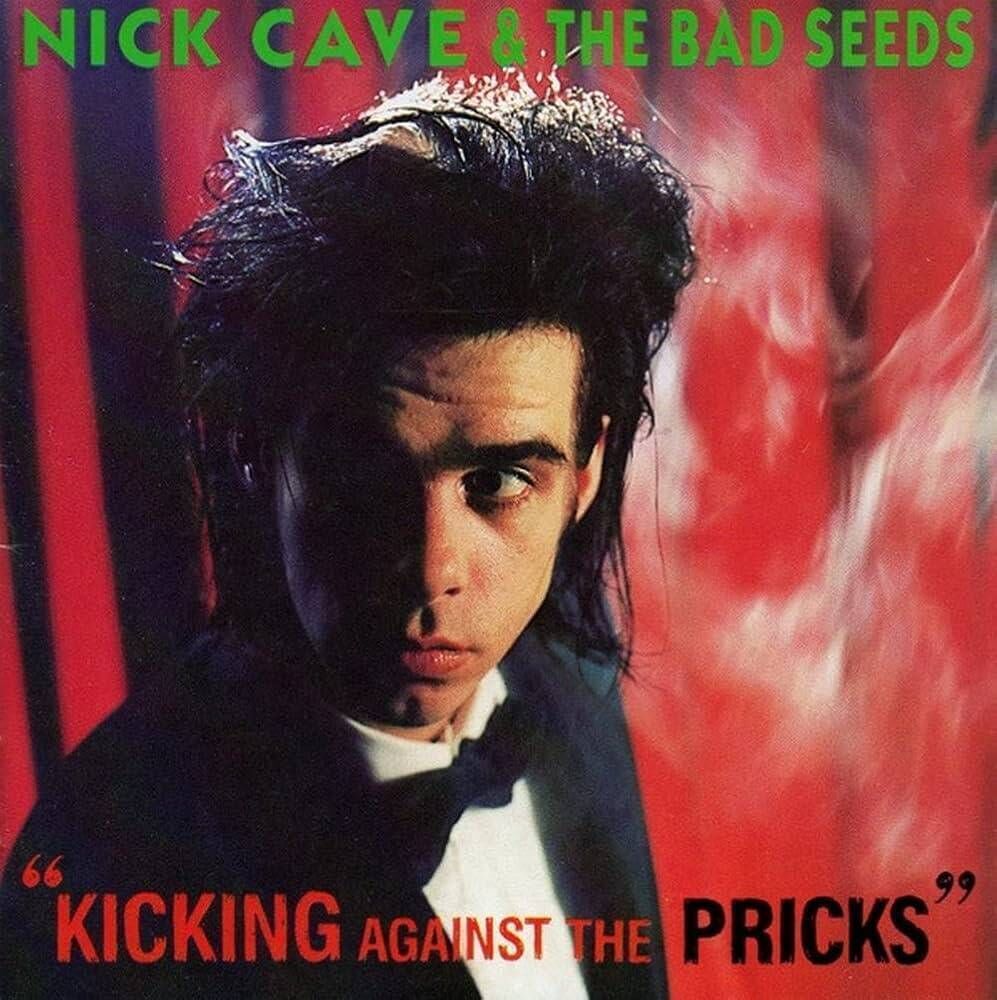
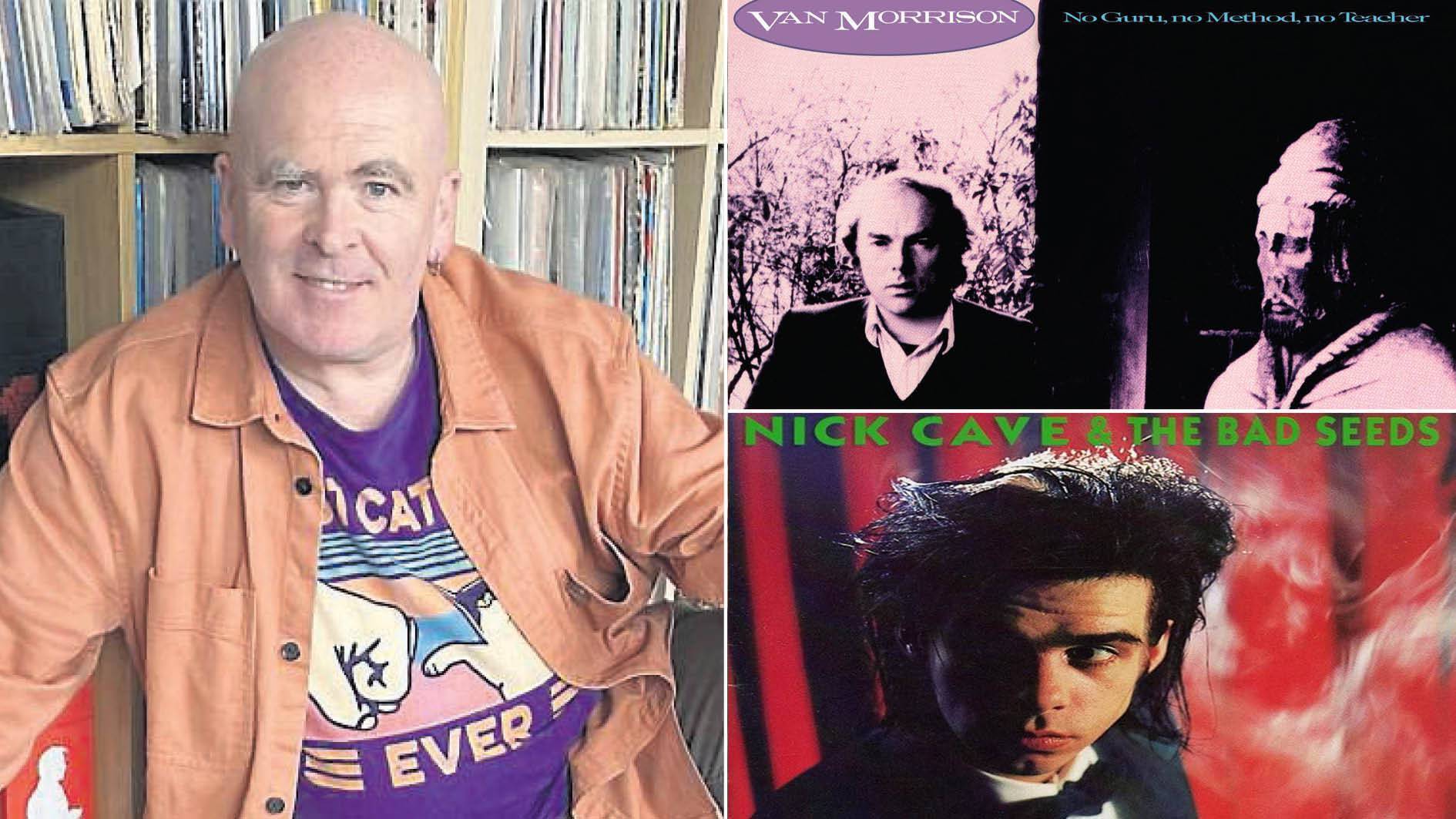
So, in an incredible year for music the best album of the year is a covers album? Really? But this isn’t just any covers album. This is Nick & The Bad Seeds, now a five-piece, covering a strange selection of songs that are meaningful to them in their own unmistakable style.
and all get the Bad Seeds treatment, while Nick fulfils his Elvis Las Vegas fantasy and morphs into a demented crooner. The version of is the best cover version of any song by any artist (I’ll die on that hill!). This is Cave’s greatest record.
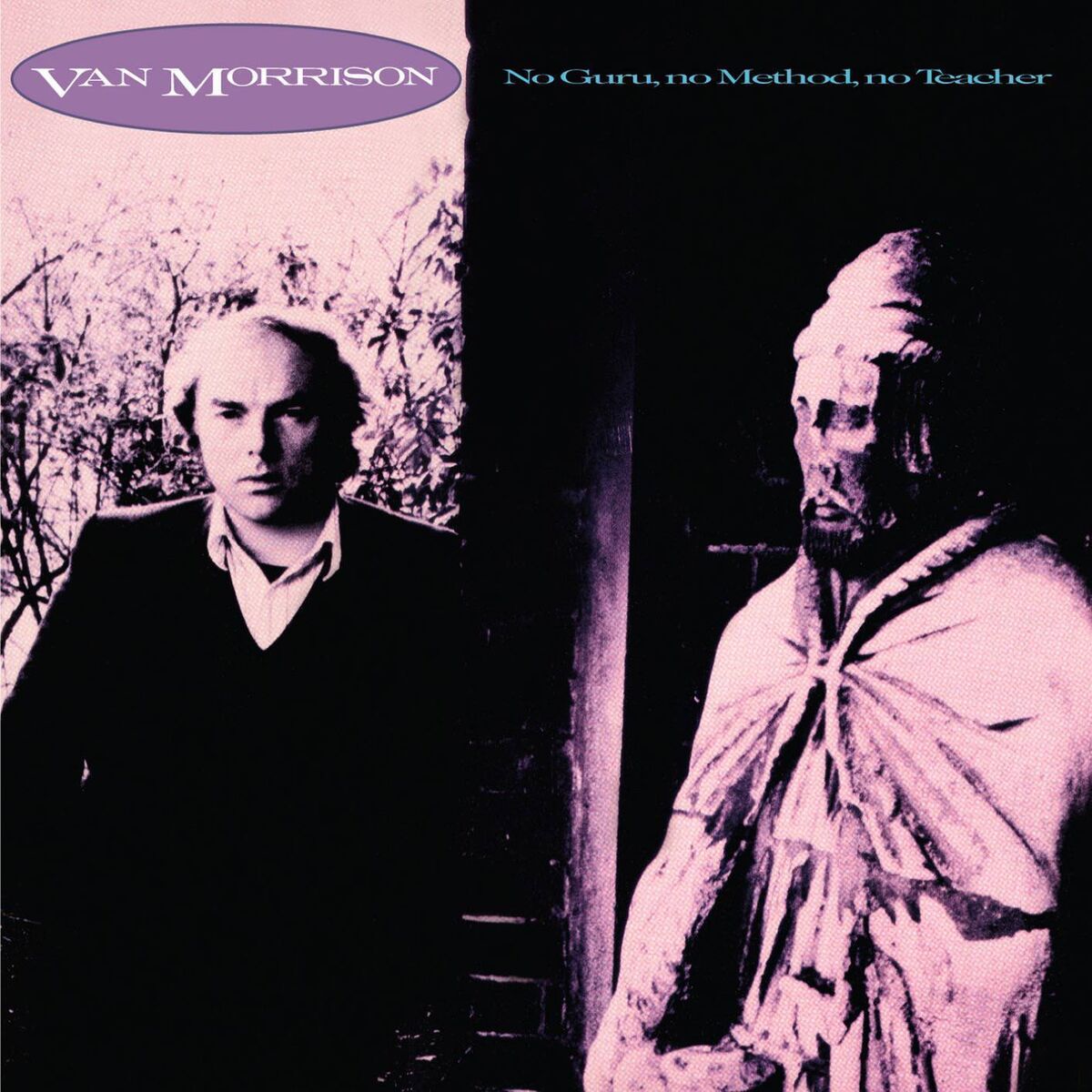
I remember watching the Self Aid concert on the telly and Van coming onstage and gruffly announcing that he was playing all new material. That’s exactly what he did. Three unheard songs from his yet to be released new album ( was a veiled dig at Paul Brady who was also on the bill), while headlining a telethon… and he blew everybody else off the stage.
The album in question is his best of the decade and one of his overall finest. It’s a deep and mystical record with a sometimes loose and rambling feel that has echoes of The band are subtle and superb, with the trumpet, oboe and sax dipping in and out occasionally to suit the mood, instead of operating as a conventional brass section.
The backing vocals are the best I’ve heard on a Van record. It also has this strange reverb all over it which gives the album the feeling of being played in a large room.
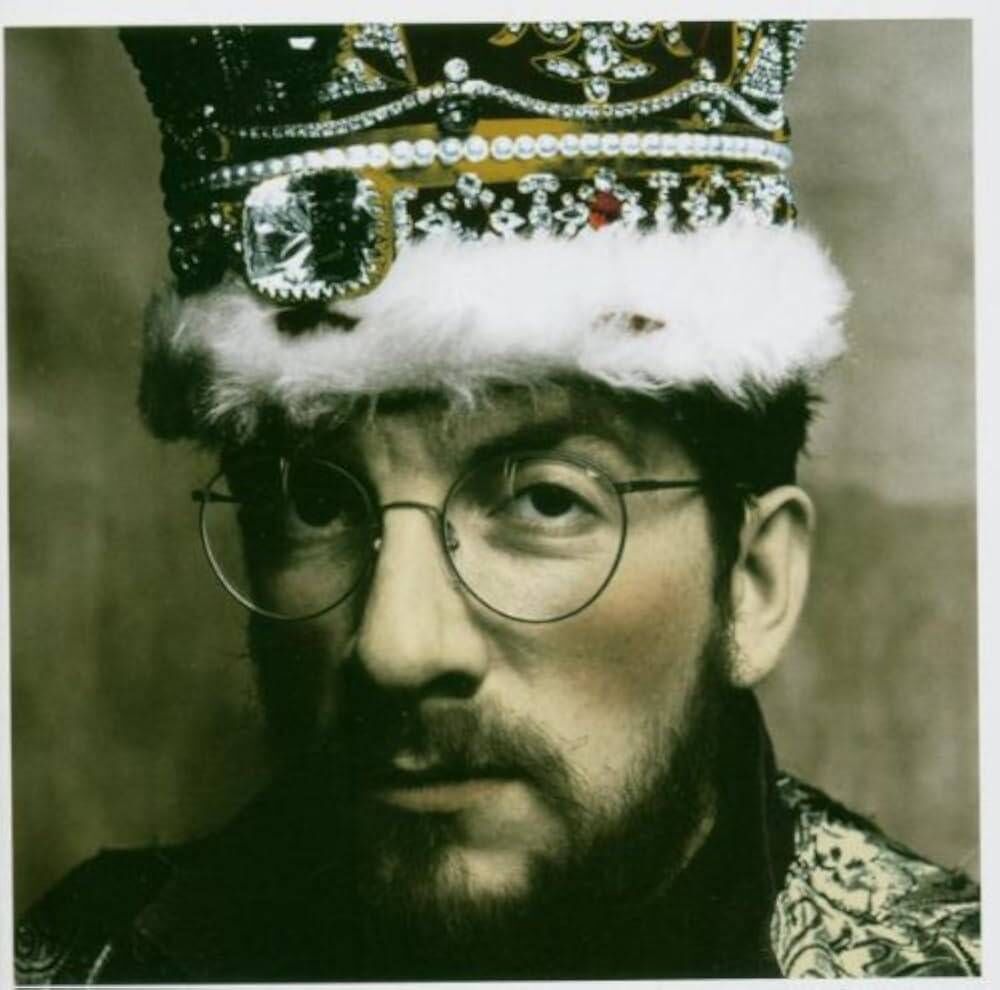
Never one to stick to the same tried and tested formula, Elvis Costello had flirted with various styles and genres throughout his career with varying degrees of success. By now, he was bored with The Attractions and increasingly drawn to American roots music. He wanted to strip his songs down to the bare bones and let the words speak for themselves.
Inspired by touring with T Bone Burnett, the English star assembled a bunch of American musicians who had played with the likes of the other Elvis and Tom Waits. With Burnett on production duties, he created this beautiful slice of Americana that sounds completely authentic and home-grown. The single, a cover of Nina Simone’s doesn’t even do justice to what in my opinion is his best record.
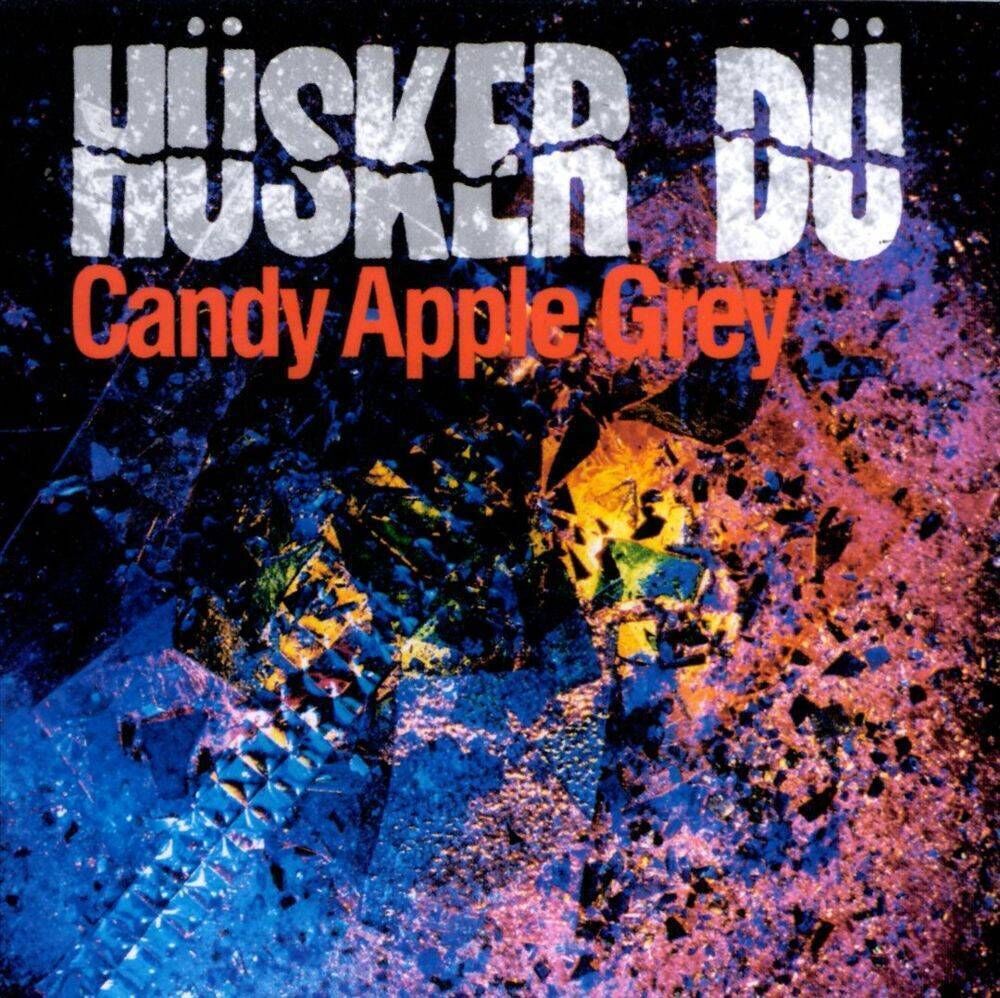
Having signed the big deal with Warners, Husker Du delivered their finest selection of songs to date. However, off the field all was not well. Creative and personal tensions between Bob Mould and Grant Hart, the two songwriters, were at an all-time low.
When the record company chose Hart’s as the first single, the mood in the camp worsened. When they chose Hart’s as the second single the shit completely hit the fan. A point of no return had been reached.
When the album failed to do the business despite good exposure and promotion, it was really only a matter of time before it all came crashing down for the band.
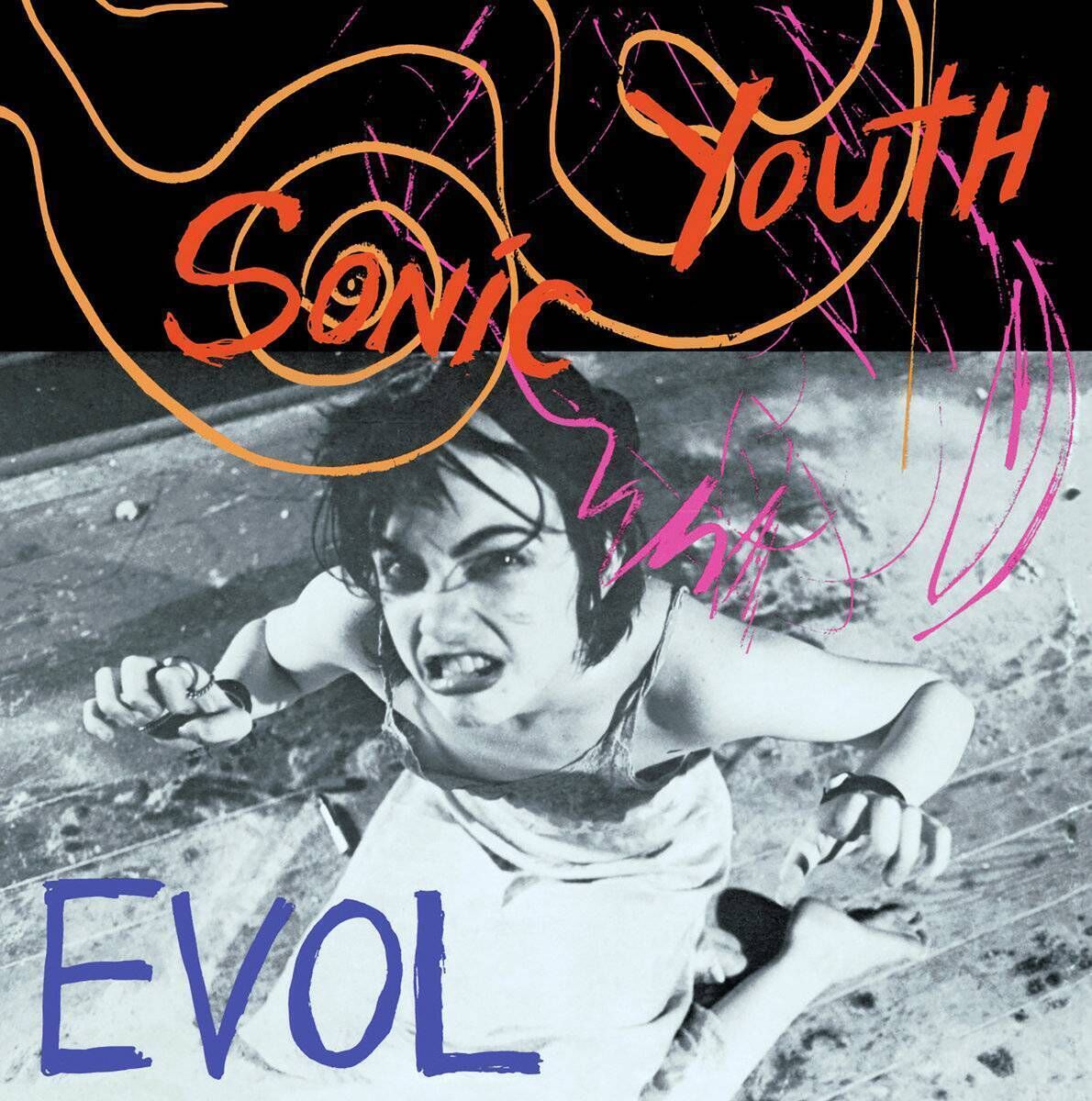
is the moment in Sonic Youth’s career when they began to move from their hardcore roots and began developing their own more recognisable style. It’s got all those textbook Sonic Youthisms.
Those weird and dissonant chords, the slightly off-key disinterested vocals that makes a song like so charming, and the obligatory Lee Ranaldo song, which always seems to allude to a car crash of sorts. Add to this my personal favourite which has Kim Gordon breathlessly hyperventilating a spoken word piece over an eerie piano.
If I’m ever fortunate enough to drive across America by car, this is the album I want in the stereo.
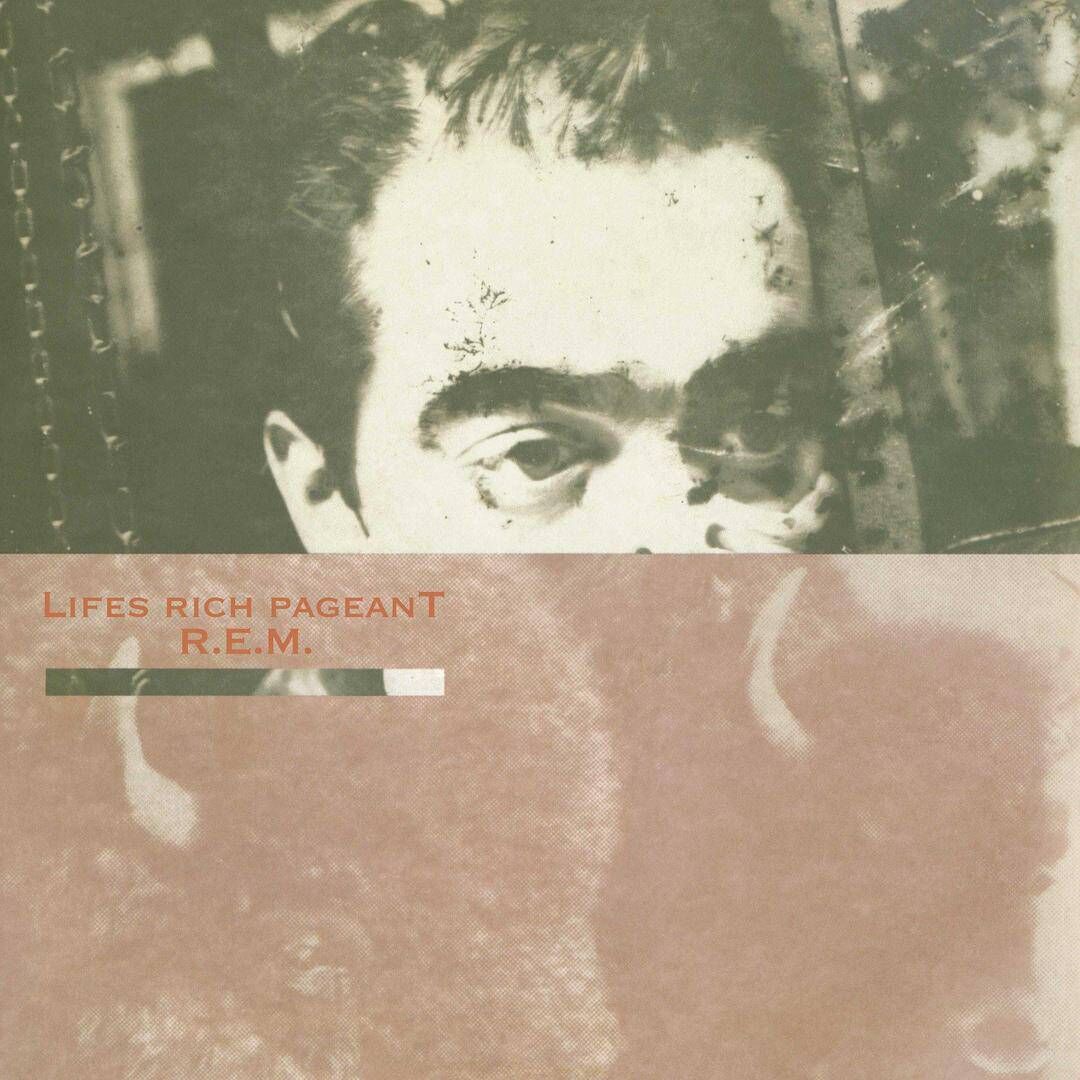
This is the point when REM began to move away from the roots feel of the first three albums towards a rockier and more radio-friendly sound. The intention was obviously to move to the next level and they certainly managed to do that without compromising their artistic integrity, as one would expect from the most consistent band of the 1980s.
I remember buying this on release day in Golden Discs in Cork and it just blew me away. They had taken that REM formula and just made it bigger and bolder. jumped out at you from the speakers with those chattering guitars. was just beautiful, while genuinely sounded like the best song I’d ever heard.
The experience was tinged with sadness as well, because I knew we of the ‘in-the-know’ circles had lost them. They were going to be mega.
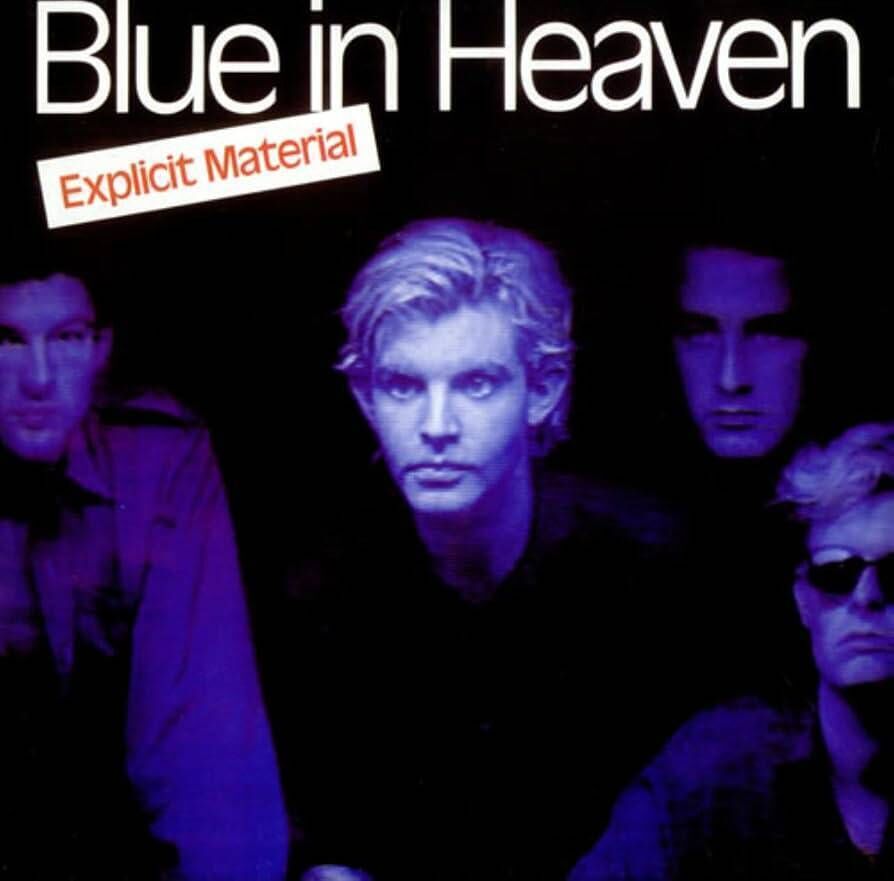
For their second album moved away from their post-punk roots toward a more late-1960s garage feel inspired by bands like The Stooges. It was a risky move and maybe a bit self-indulgent, but it worked and resulted in one of the best Irish albums of the decade.
The new sound was rawer and rootsier, with great emphasis on Shane O’Neill’s vocals. Gliding underneath like a magic carpet was Eamonn Tynan’s understated but brilliantly effective keyboards. They seemed to play in Sir Henrys in Cork every other week and those shows were legendary. Onstage, songs like and the single took on a life of their own.
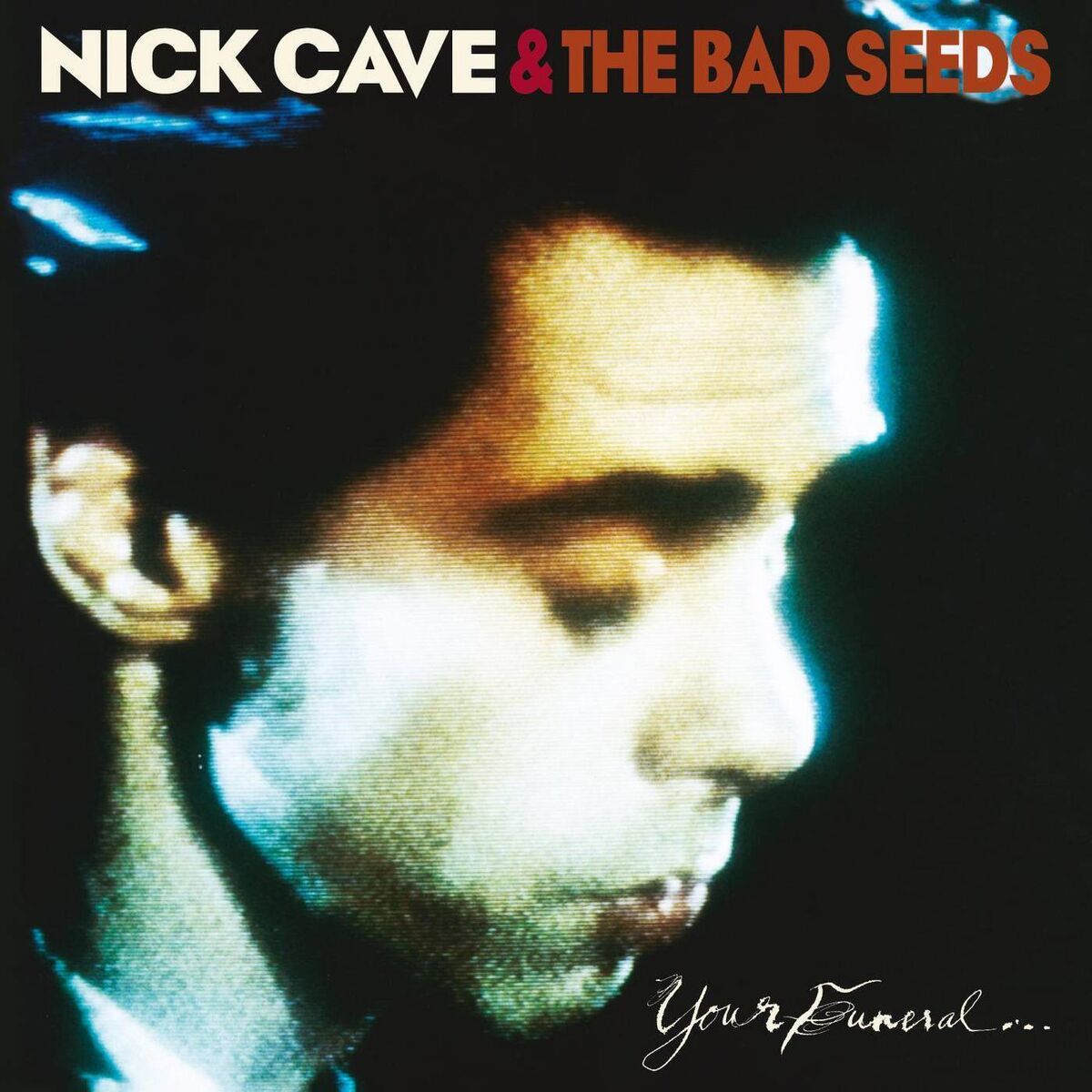
I’m just putting this out there. Early Berlin Nick Cave is head and shoulders above anything he has done from the 1990s onwards. No contest. This is the third and possibly darkest of the Berlin records.
He was in the throes of addiction at the time and its certainly reflected in the music which for the most part is gloomy, dark and intense. Bass player Barry Adamson left the group after the recording, fearing for his sanity.
The band appeared in Wim Wenders’ beautiful around this time, with being used to great effect. In a recent interview, Cave has said this is his favourite record.
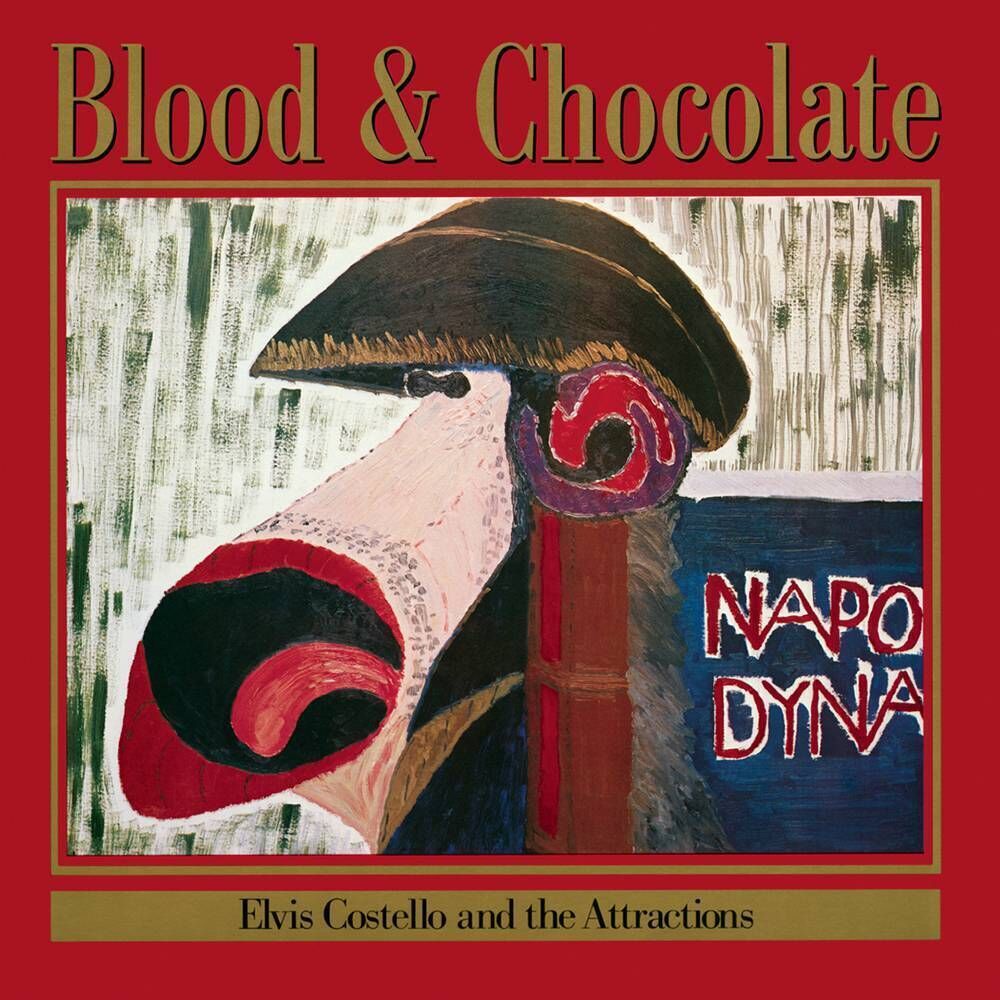
Following his stint in America with T Bone Burnett, Costello returned to the studio to work with The Attractions once again. It was not a happy experience. The old tensions were still there, and The Attractions were seriously cheesed off at being sidelined for
They decided to record the album live just to get it done quickly. But something else had changed. America had changed Costello creatively in a good way, and the songs he brought to the table were deeper, more profound and mature than on any previous Attractions record, particularly the single
The band responded and, out of the chaos and disharmony, this great record emerged. Bizarrely, it flopped in terms of sales, and it would be 10 years before he worked with The Attractions again.
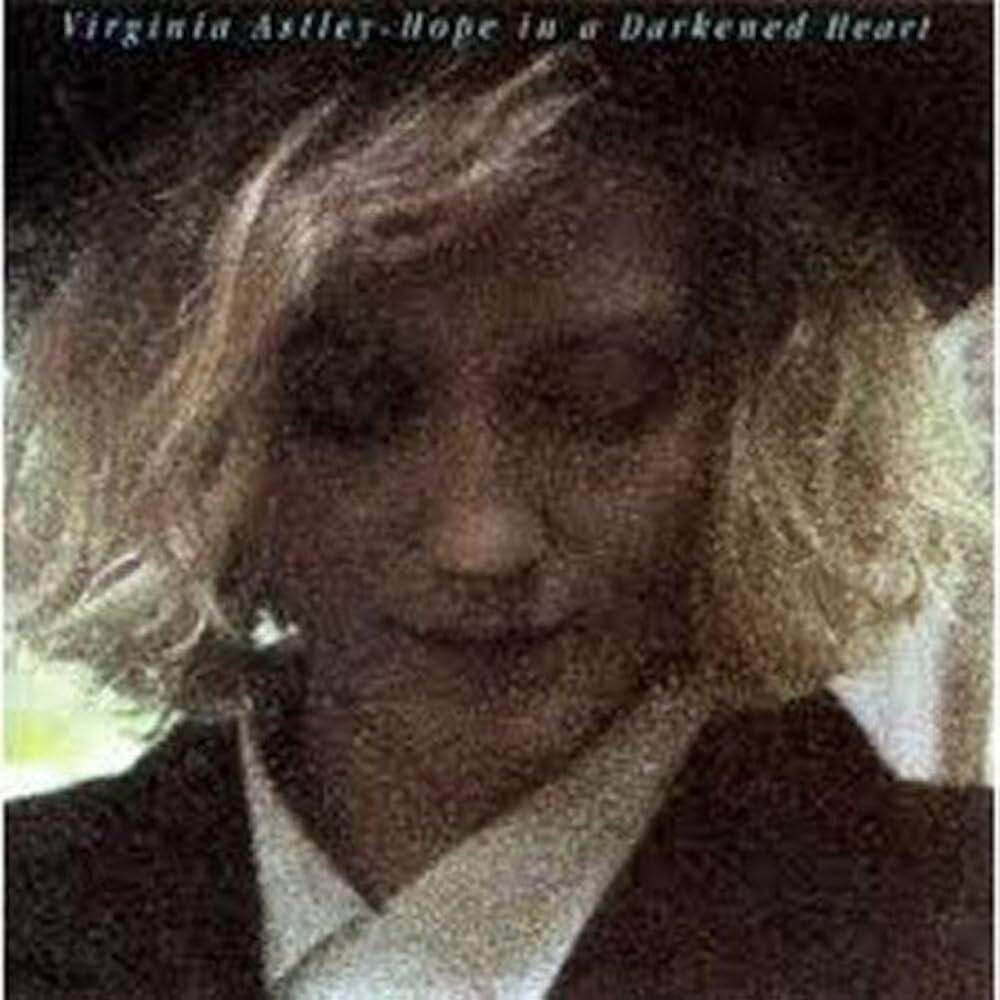
Serious wild card here. Virginia is the daughter of composer Edwin Astley. She grew up in a household that was steeped in both classical and choral music.
Her sister married Pete Townshend and her brother did sound for Eric Clapton. She’s also worked with John McGeogh, Teardrop Explodes and The Skids.
All of these influences are brought to the table on her third album which at times sounds like a 1970s version of the Cocteau Twins covering Francis Lais Bilitis soundtrack. A genuinely haunting and melancholy record that really stays with you.
I hated this when it came out. Old age inspired a U-turn. I love it now.
I’m not a huge fan of the band, but this is The Smiths at their jangliest and poppiest. Includes and
An album that doesn’t get spoken about enough and his final one with The Revolution.