Jim's Gems 1976: The 10 best albums marking their 50th anniversary
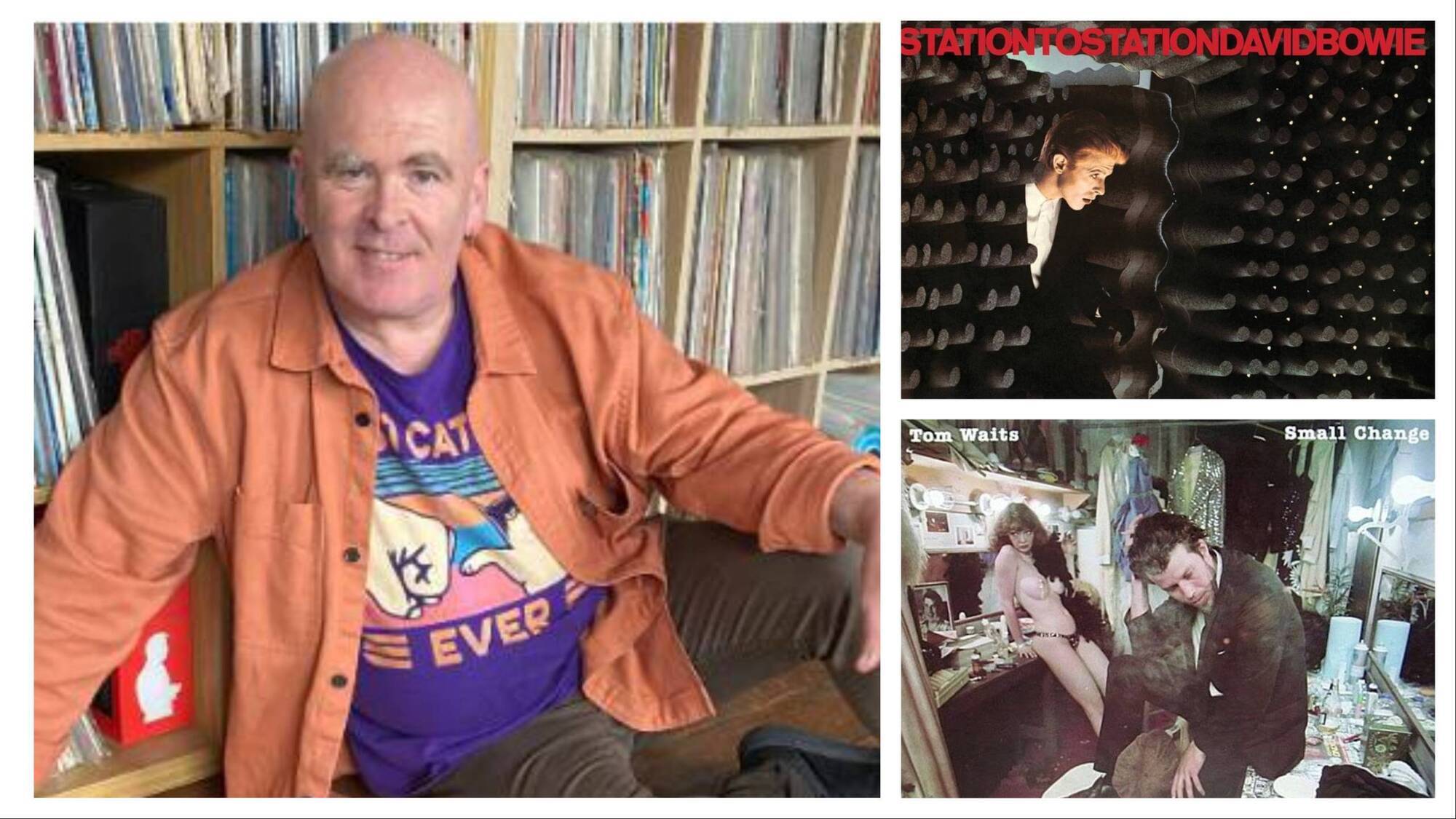
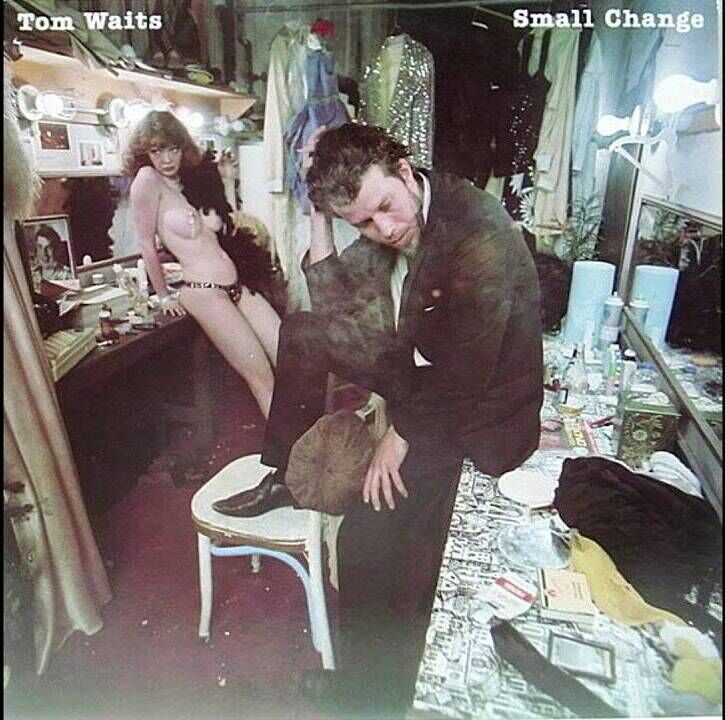
Jim put David Bowie, Station To Station and Tom Waits, Small Change in the top two slots on his list 10 best albums from 1976
Great art is often influenced by social conditions and how society reacts to those conditions. This would go a long way to explaining how the 1976 musical landscape often sounded grim and jaded, emulating a world that seemed to have lost its its soul. Awful situations in Vietnam, Cambodia, and Argentina hogged the international headlines. In Ireland, the Troubles continued to rage, and Uachtarán na hÉireann resigned after being publicly insulted by a minister for justice.
Thankfully, the year also gave us an eclectic mix of fine albums – here’s my pick of the best of them. we had music and here’s the best 10.
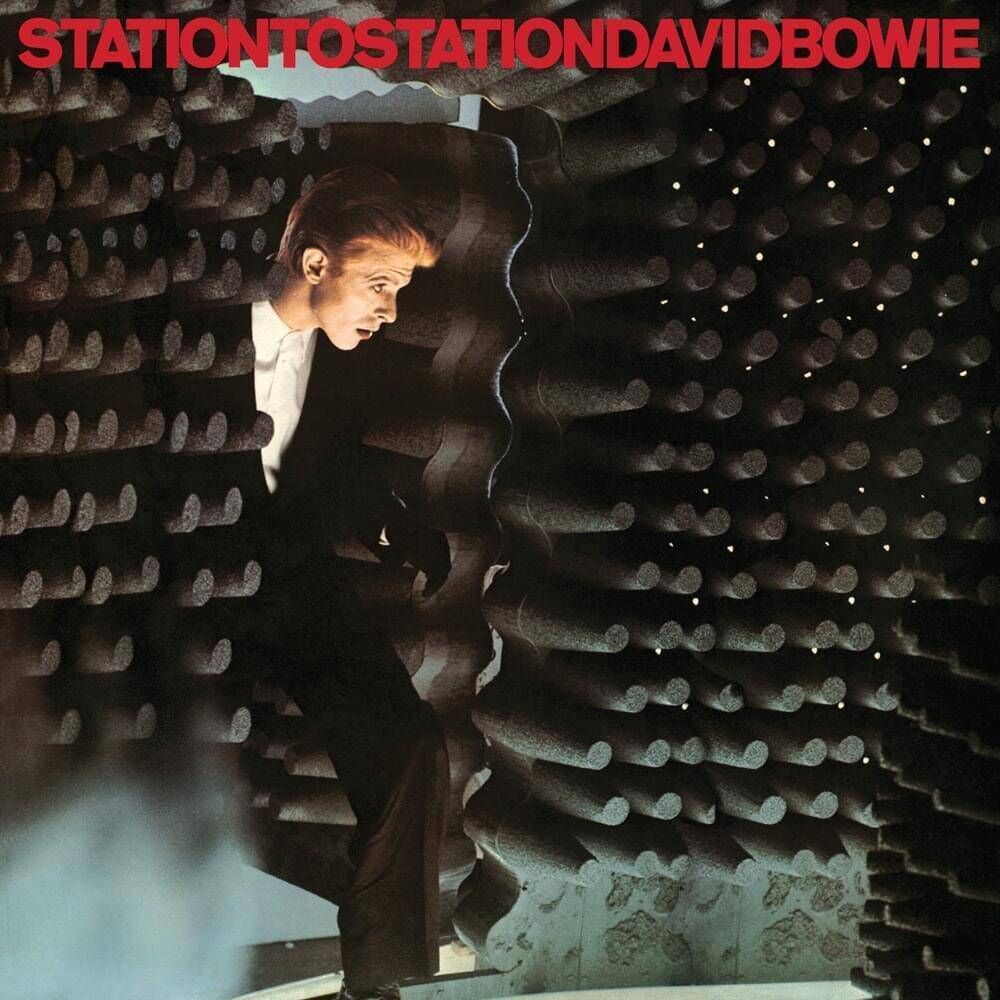
By 1976 David Bowie was not in a good place. Unhappy, paranoid, locked in his room all day trying to telepathically change the TV channel while surviving on a diet of milk, peppers and cocaine, and attempting to record the follow-up to the acclaimed Young Americans album. His 10th album had just six songs with no outtakes, because that was all he had.
What he also had was a serious band, augmented by Earl Slick on guitar, and that voice which miraculously remained unscathed by his unhealthy lifestyle. The sound was colder and more abrasive than previously, perhaps reflecting his current state of mind. But he sang with a depth like never before, particularly on Word On A Wing, his gut-wrenching plea for redemption and salvation. Something needed to change. “The European canon Is here,” he sang on the title track. Berlin beckoned.
Already sounding like an elder statesman, the fourth album by Tom Waits has just the right mix of maudlin and melancholic regret-soaked jazz to make the vaudeville tracks almost bearable. At times it feels like he’s actually sitting at the bar with the microphone propped up on the counter. This completely in the moment feel stems from producer Bones Howe, an old-school jazz producer, who wanted to record the album live in a small studio, just like they did back in the day. It worked. If you ever need to explain Tom Waits to anyone, just play them I Wish I Was In New Orleans.
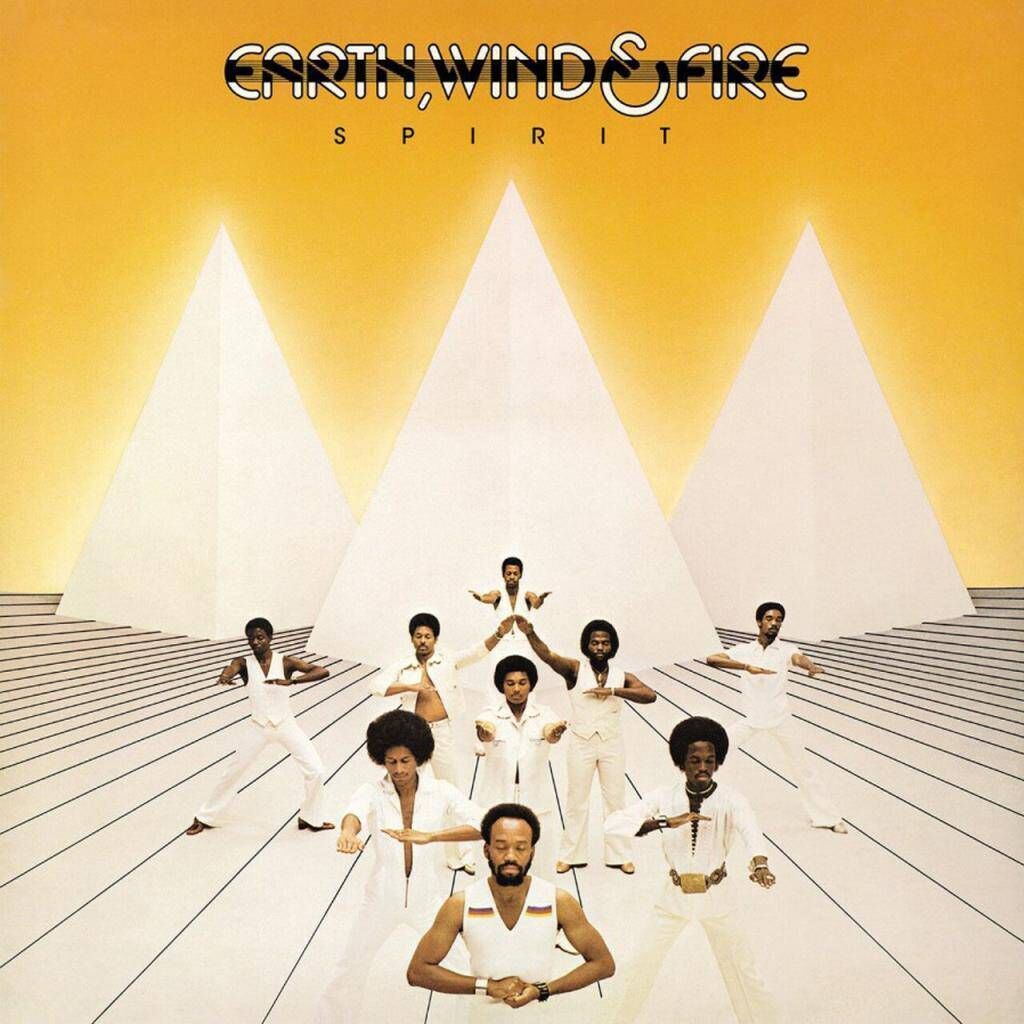
I’ve always thought that EWF took the psychedelic soul template that was developed by Rotary Connection in the late 1960s and tweaked into something more commercial and ’70s-friendly, while adding their own magic touch. Indeed they worked for years with Rotary Connection producer Charles Stepney, who died during the making of this record. EWF were a big band with a big sound whose every move inside and outside the studio was dictated by singer Maurice White’s devotion to astrology. The big soulful symphony really comes through the tunes Spirit and Burnin’ Bush, while the single Saturday Nite hints at the commercially successful ventures into disco which would come later.
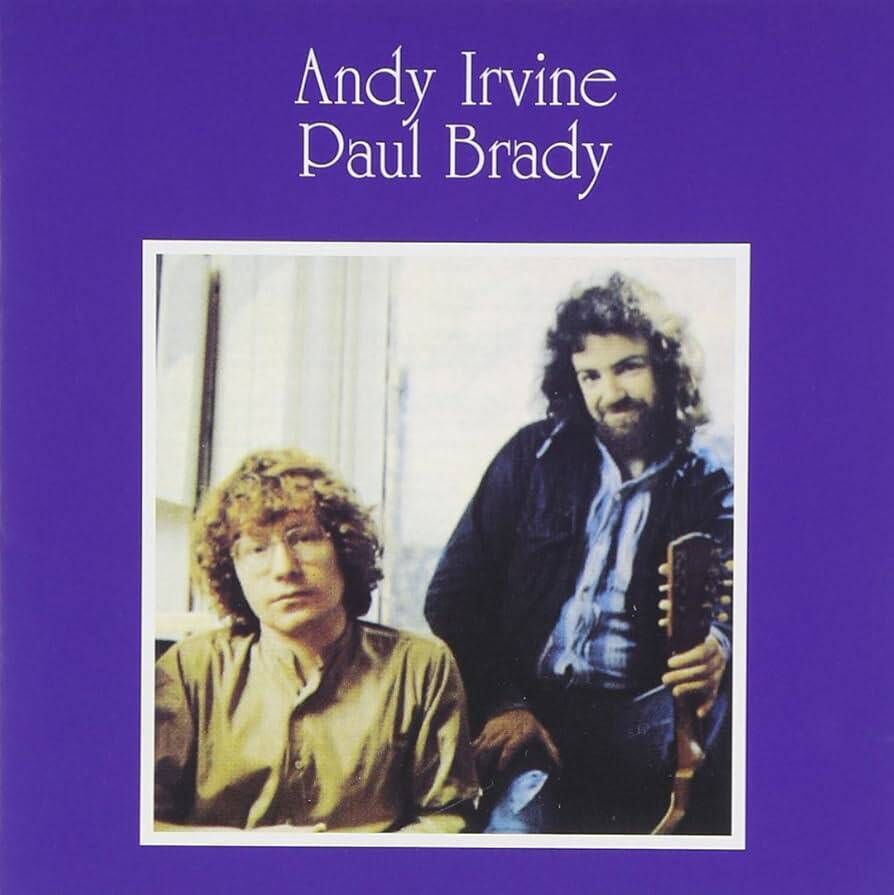
While the mid-70s musical landscape was jaded and sometimes creatively self-indulgent, the Irish folk scene was like a hidden goldmine awash with musical gems. Great records by groups like Clannad, Planxty and The Bothy Band went largely unrecognised by the wider musical world. I include myself in this as I’ve only really discovered this in the last 20 years. hen When Planxty split, Brady, who never recorded with Planxty despite a stint in the group, and Irvine , who did, decided to form a duo.
They hit the studio with former Planxty member Donal Lunny and fiddler Kevin Burke to create one of the greatest records of the Irish folk genre. Kicking off with Irvine’s Plains Of Kildare, the album takes the Planxty journey to the next level and beyond. Arthur McBride would be later praised and covered by Dylan, who had also ‘borrowed’ Brady’s open G guitar tuning style for Blood On The Tracks.
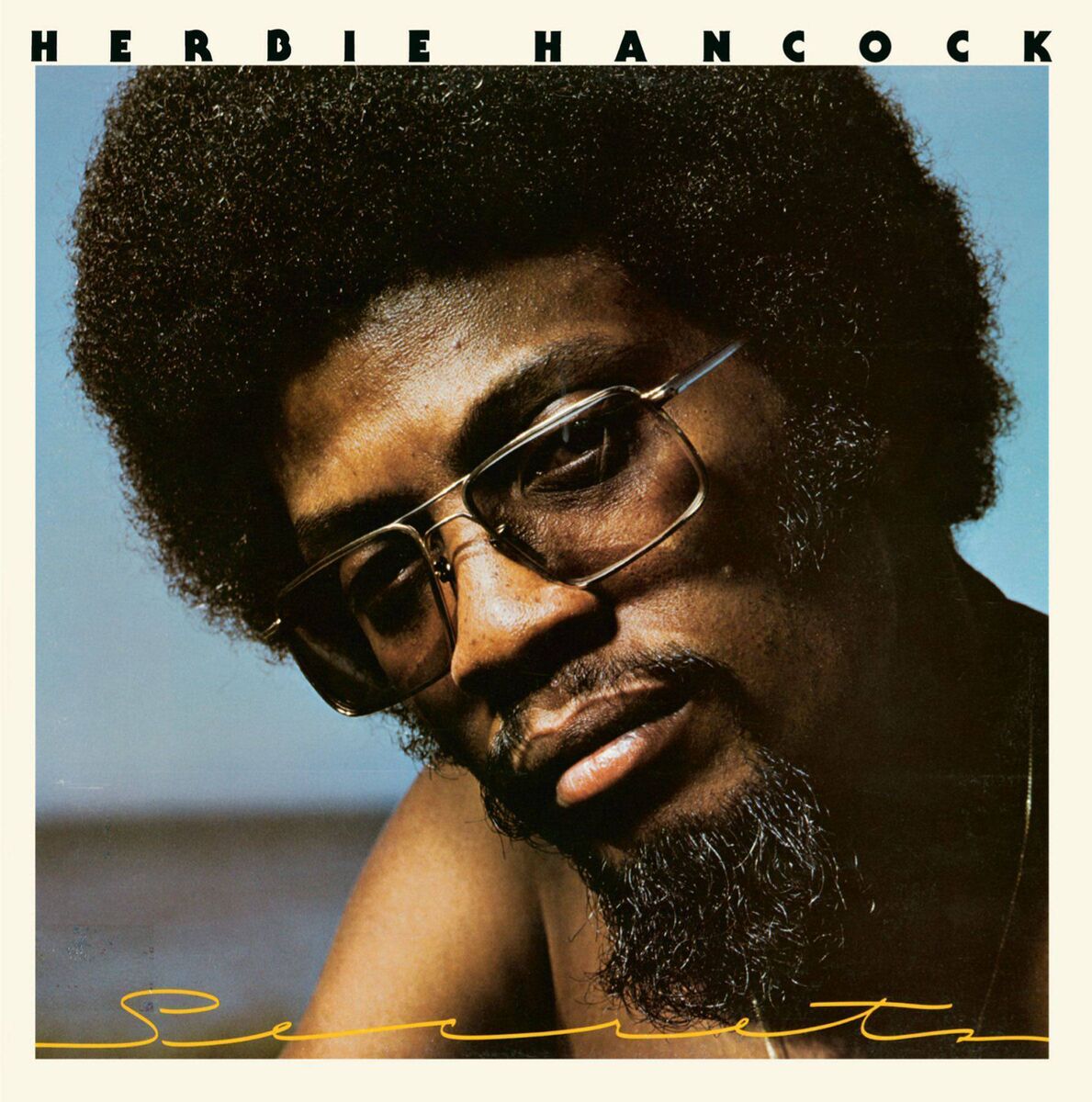
One of the big questions posed at the start of the 1970s was where was jazz going to go. Miles Davis had thrown down the gauntlet at the start of the decade, with Bitches Brew showing a possible pathway. Herbie Hancock is the one, in my opinion, who grabbed the torch and ran with it. He took Miles template and created his own unique jazz funk fusion. He released bucketloads of albums in the ’70s and, while they tend to morph into each other, Secrets is the one that stands out. Opening with the classic Doin It, the album takes a mellower approach than its predecessor, Man Child. Secrets has more emphasis on electric pianos and synthesisers, giving a lovely cinematic feel on People Music and a lusher reworking of Cantaloupe Island.
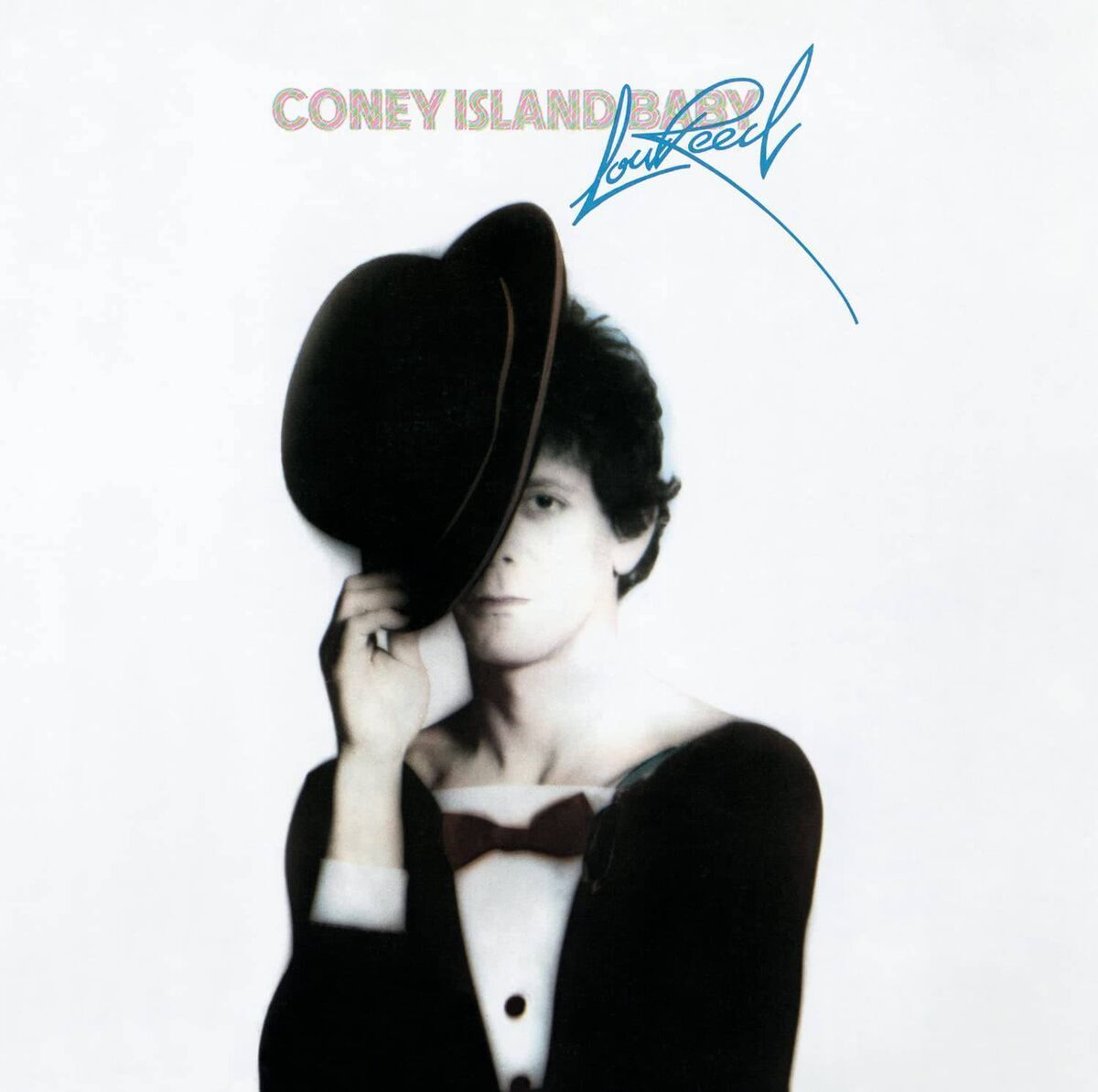
One of two albums released in the year by Lou Reed, this is a very different record to any of his others. It is laid back, relaxed and almost sentimental, showing a previously unheard softer side of the New Yorker. It feels like he’s coming out of something and finally getting his act together. The songs, dedicated to his transgender girlfriend Rachel Humphreys, are reflective and sentimental. It was also the first album since the Velvet Underground’s Loaded (1970) where he plays guitar. The band, featuring ex Velvets member Doug Yule are laid back, adding just enough colour. Fortunately, the underlying hint of menace is still there when he sings I’m a Coney Island Baby at the end of the album.
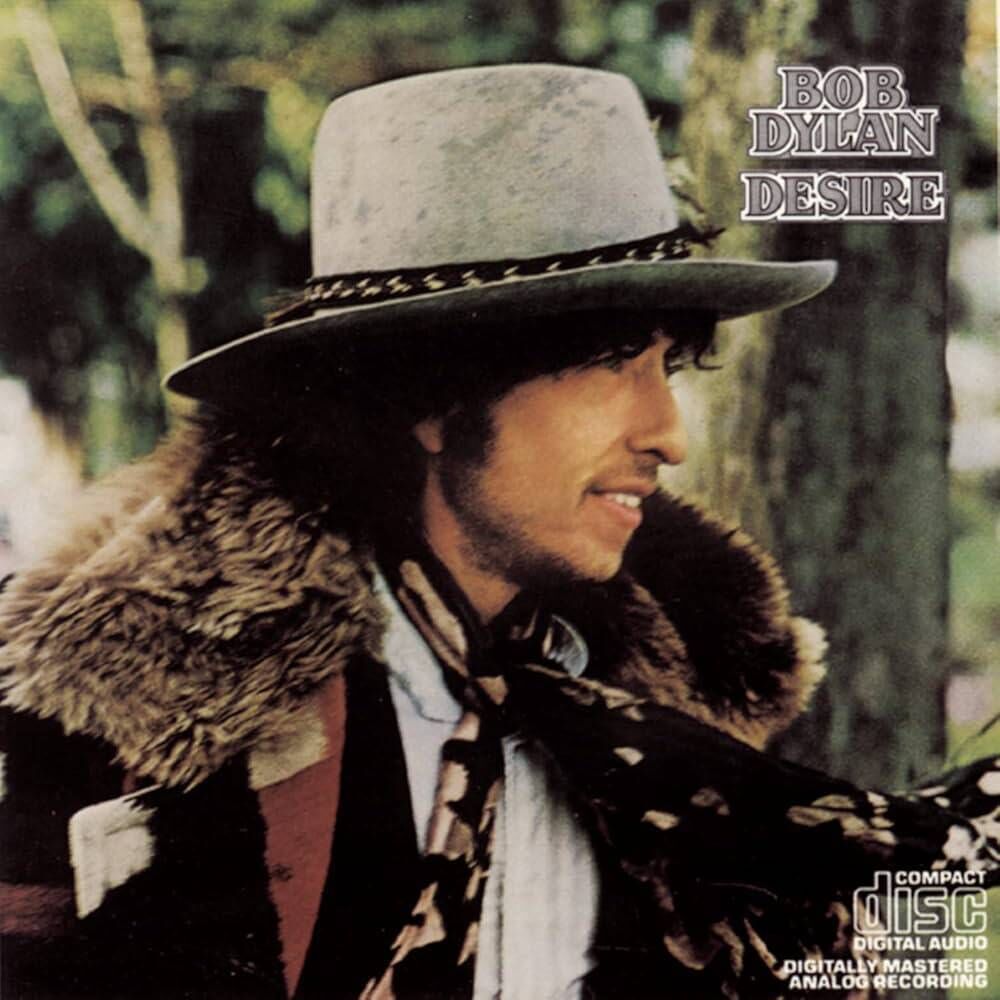
This is a Dylan album that really stands apart from all his others, mainly due to the fact that the sound is so coloured by the distinctive gypsy-style violin of Scarlet Rivera. Released early 1976 in between the two legs of the Rolling Thunder tour, the album successfully captures that live impromptu feel of perhaps Dylan’s finest tour. The tour itself however was a game of two halves. His wife Sara joined the first half, but when the second leg began they had split in an acrimonious parting that left Dylan bitter for years. The split coincided with the album’s release so its probably understandable why the track Sara, containing the line “Don’t ever leave me don’t ever go”, didn’t feature on the tour. I’ve seen Dylan 13 times, but have never heard him play anything off this record.
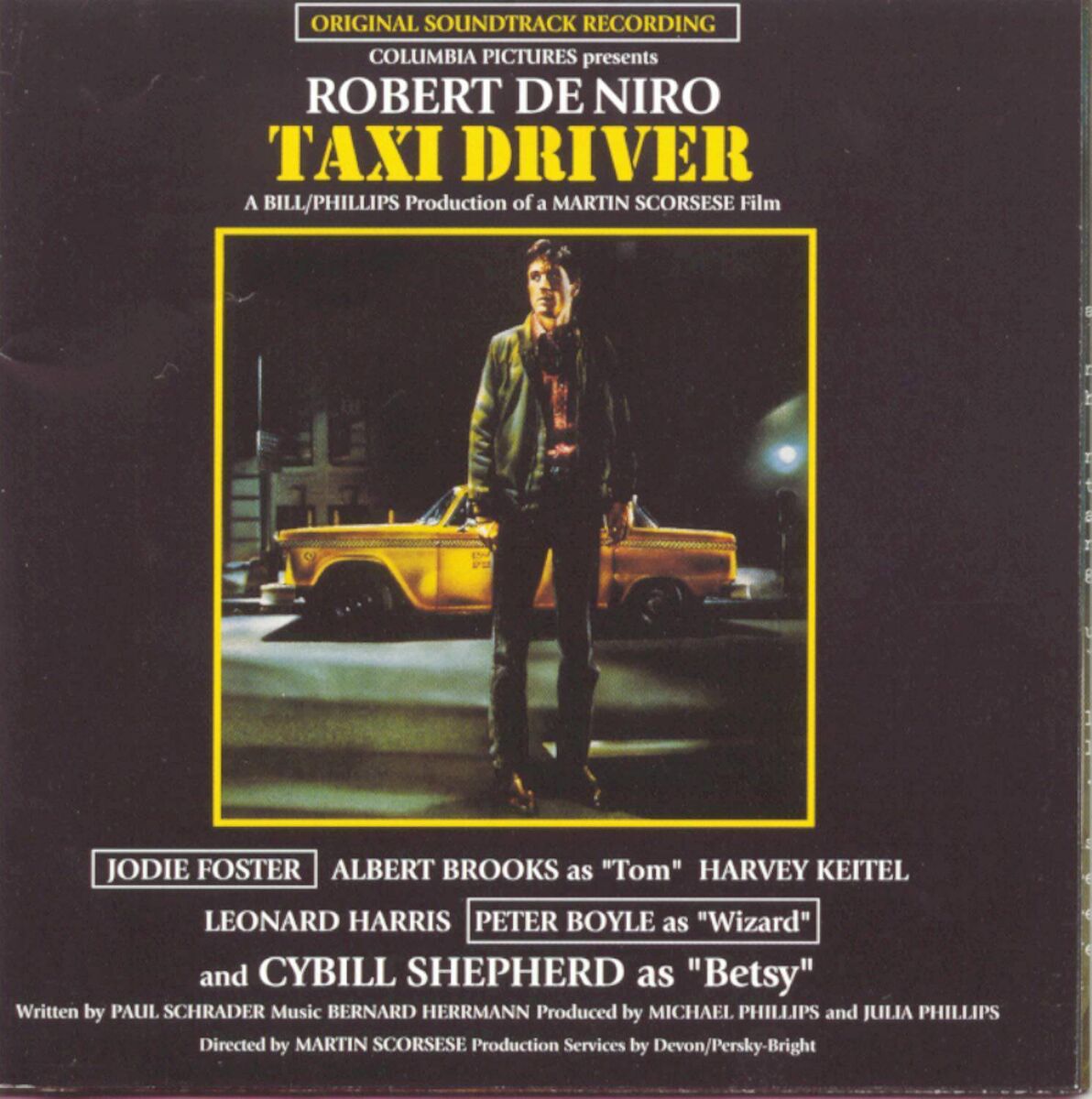
Some of the best films were made in the mid 1970s, especially American movies where Hollywood mavericks enjoyed a level of creative freedom and control that today they could only dream about. The standout film in 1976 was Taxi Driver, following army veteran Travis Bickle as he drove his taxi through a seedy and decaying New York. It was almost a metaphor for America. An excellent film which wouldn’t have worked without Hermann’s soundtrack, it was equal measure late night jazz, street funk and disjointed melodrama. Best known for his work on Psycho, this would be his last soundtrack, and he finished it just hours before he died from a hear-attack, aged 64.
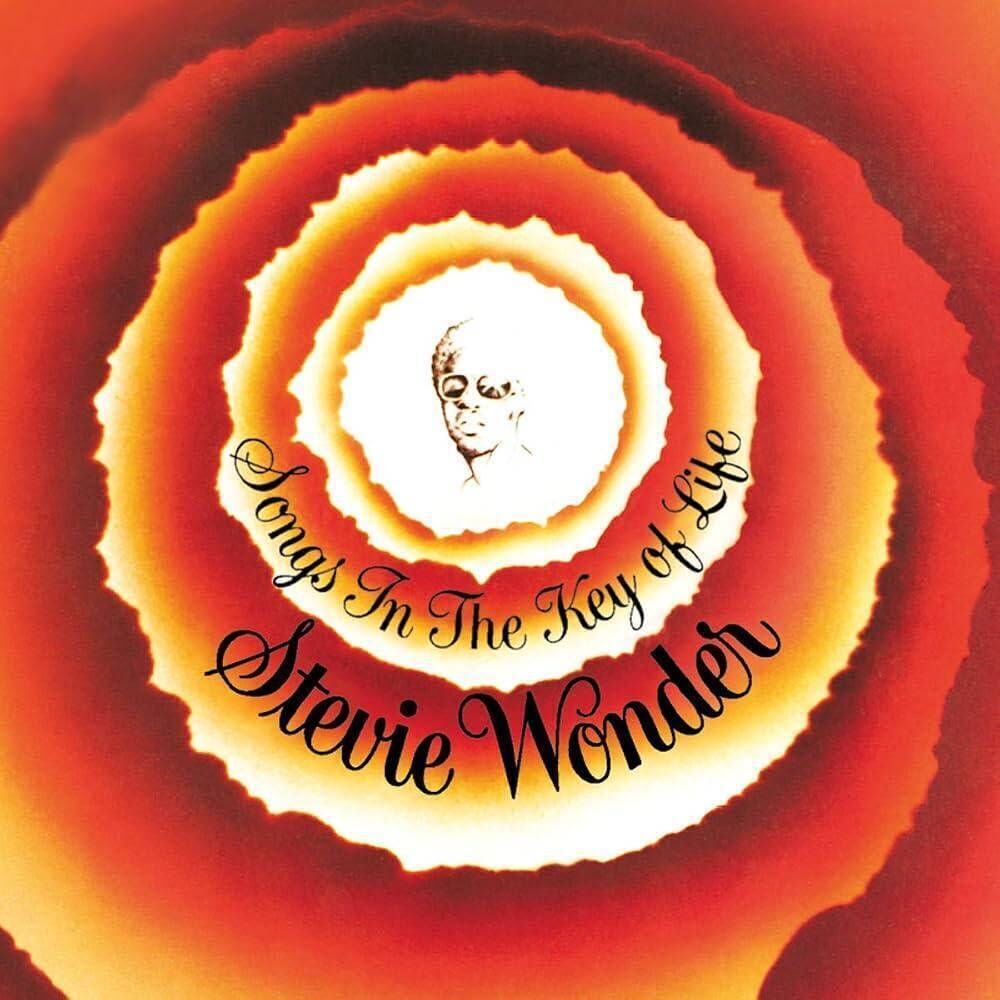
The final album in that incredible five-album run that began in 1972 with Music Of My Mind. Key Of Life is an album that nearly didn’t see the light of day as he seriously considered quitting the business at the time, with plans to move to Africa and do charity work. However, a new and lucrative contract with Motown gave him full creative control over his output, and helped get him back in the studio to make what’s regarded by many as his best record. I disagree with this because I believe there’s a very thin line between genius and self-indulgence, and this album is at times guilty of straying into this territory. But then you have Sir Duke, Another Star, As, and more. Enough said.
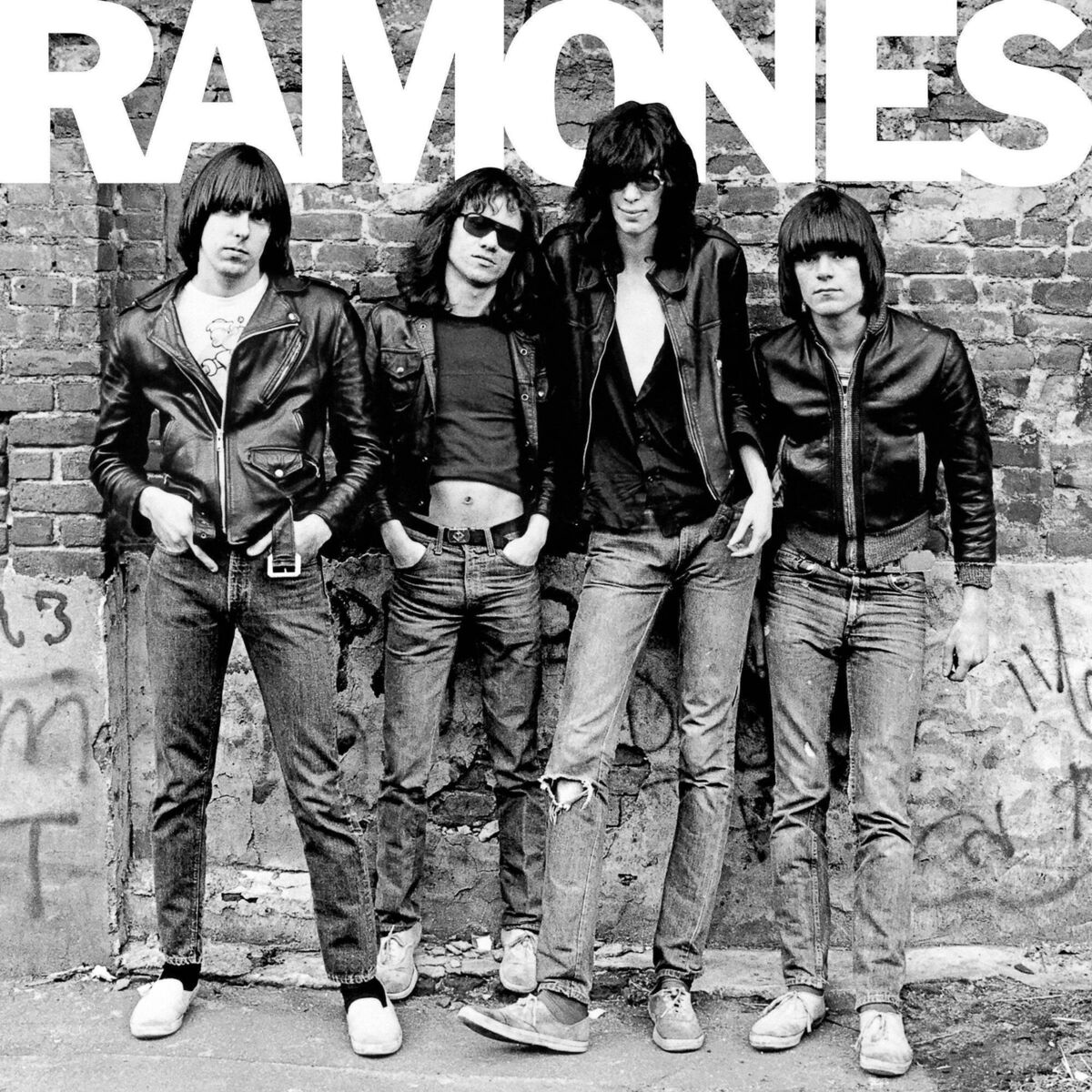
While it would take another year for the UK punk scene to produce albums, the Americans were first out of the blocks in 1976. The Ramones had a residency in New York venue CBGB and they were spotted by label executive Seymour Stein, who always had a great ear for alternative music. He saw the potential and signed them up. The album was recorded in a week on a shoestring budget and, despite the poor production, it would go on to be one of the most influential albums ever made. It also has a special place in history as the first punk album.
Modern Lovers, Modern Lovers: I love Jonathon Richman but only in small doses. Easily his finest record.
Marvin Gaye, I Want You: Brilliant and underrated, the album does suffer from some questionable lyrics.
The Bothy Band, Old Hag You Have Killed Me: Another one from the Irish goldmine.