Film review: Forget the detractors, The Odyssey is cinema at its best
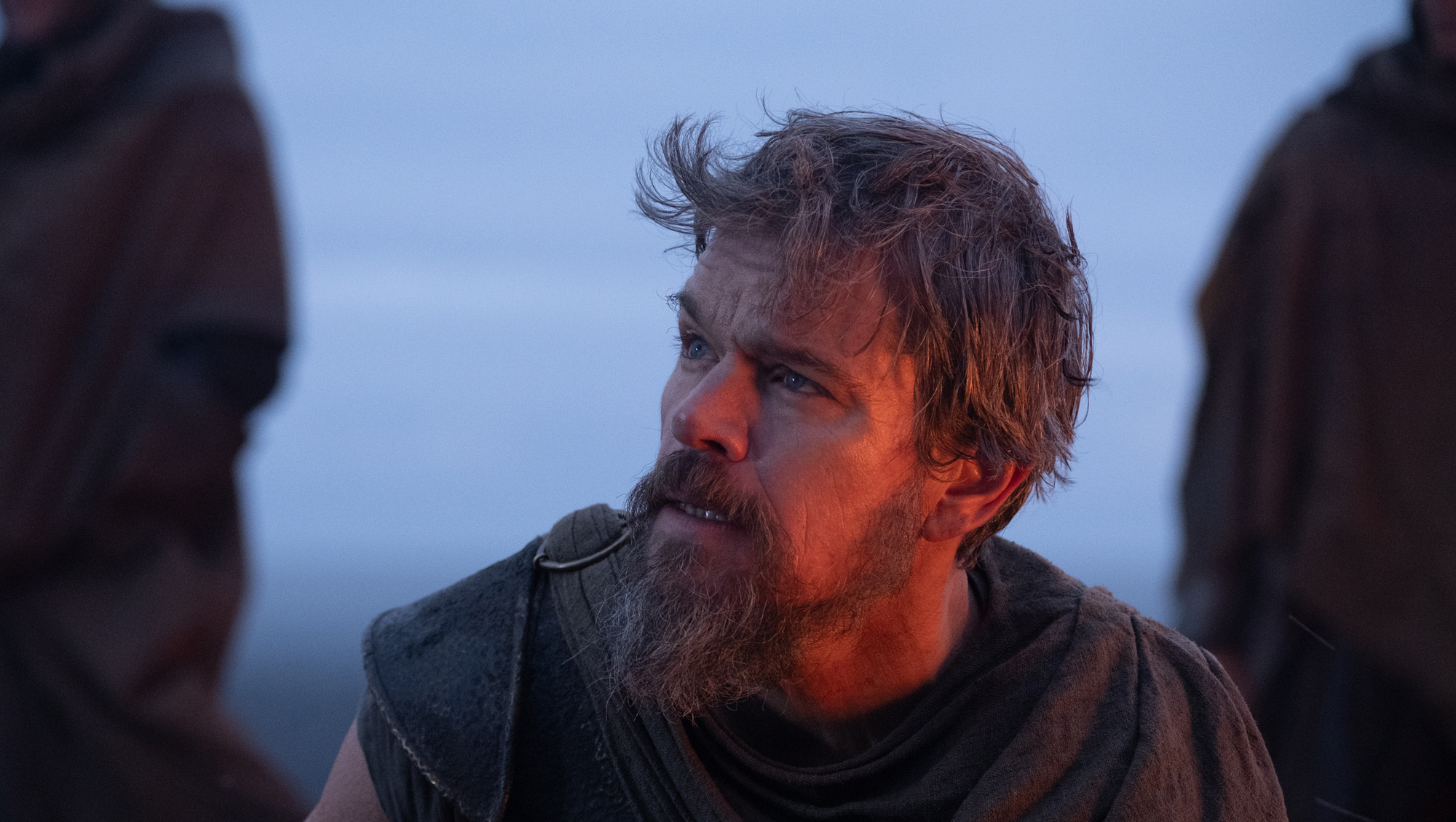
Matt Damon as Odysseus Matt Damon is Odysseus in 'The Odyssey' by Christopher Nolan.
★★★★★
Christopher Nolan is a wizard of filmmaking, regarded by many as the greatest modern-day director. His understanding of cinematography is unparalleled; his use of sound is extraordinary, and his dedication to practical filmmaking — using as few CGI techniques as possible — is truly admirable.
Following the epic success of Oppenheimer, starring our own Cillian Murphy, Nolan returns to bring one of history’s greatest stories to the big screen: (15A).
Matt Damon steps into the role of Odysseus, the legendary hero of the Trojan War. The film unfolds in a non-linear fashion, with much of the story told through flashbacks, yet it is woven together so seamlessly that the audience is never left confused.
Odysseus is the King of the Greek island of Ithaca. The Trojan War takes Odysseus and his men from Ithaca for 10 years. Before leaving, he tells his wife, Penelope (Anne Hathaway), that he may be gone a long time, but neither expects the gruelling journey that will delay his return by another decade.
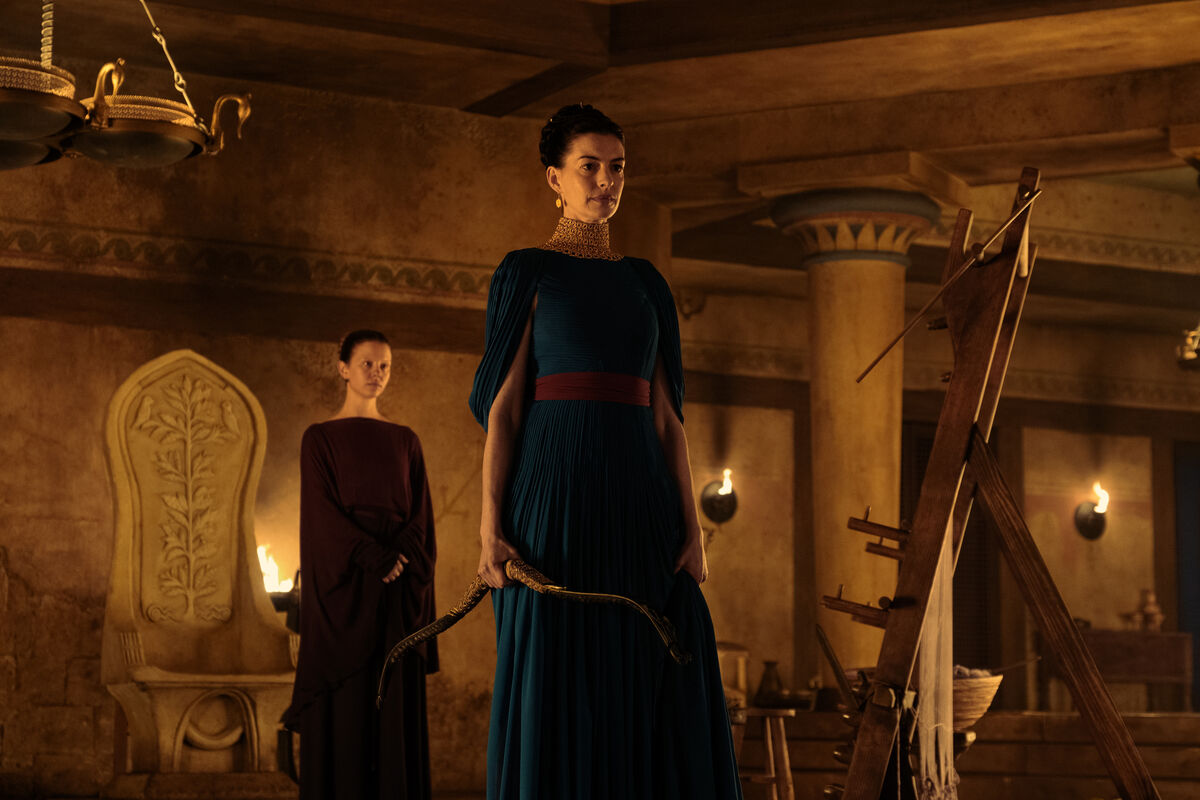
What should have been a voyage lasting only a few weeks instead stretches into another ten years. As Odysseus and his crew sail across the seas, they are repeatedly tested by gods, monsters, and impossible challenges. They confront the terrifying Cyclops Polyphemus (Bill Irwin), endure the dangerous enchantments of Circe (Samantha Morton), and encounter Calypso (Charlize Theron), whose magic causes Odysseus to forget who he is and the home he longs to reach.
Meanwhile, back in Ithaca, Penelope struggles to keep the kingdom together as her palace is overrun by arrogant suitors. Their son, Telemachus (Tom Holland), begins his own journey to discover what has become of the legendary king, while Odysseus’s most loyal servant, Eumaeus (John Leguizamo), quietly believes that the king will return home.
Nolan opted to have the actors use American accents rather than the English accents that audiences are used to in period drama. It takes a beat for the ear to get used to the accents and modern-day phrasing. Telemachus saying “mom” is a little bit of a jolt. But it settles quickly; everything else distracts from the language.
There are some things that could irk diehard fans of Greek history. Nolan doesn’t use the correct type of boat for the era, but, cinematographically, it makes sense: the actual boat, with its two-tier seating, would not allow audiences to see all the action. (Can you tell this is written by a retired archaeologist with experience of working in Greece?)
Nolan doesn’t follow the story to the letter, but again, as a cinematic outing, his choices all make sense; there are no quibbles from this Greek literature nerd.
What he does get right is what Nolan always does. He has created a full-body experience, a film that attacks the senses in the best possible way.
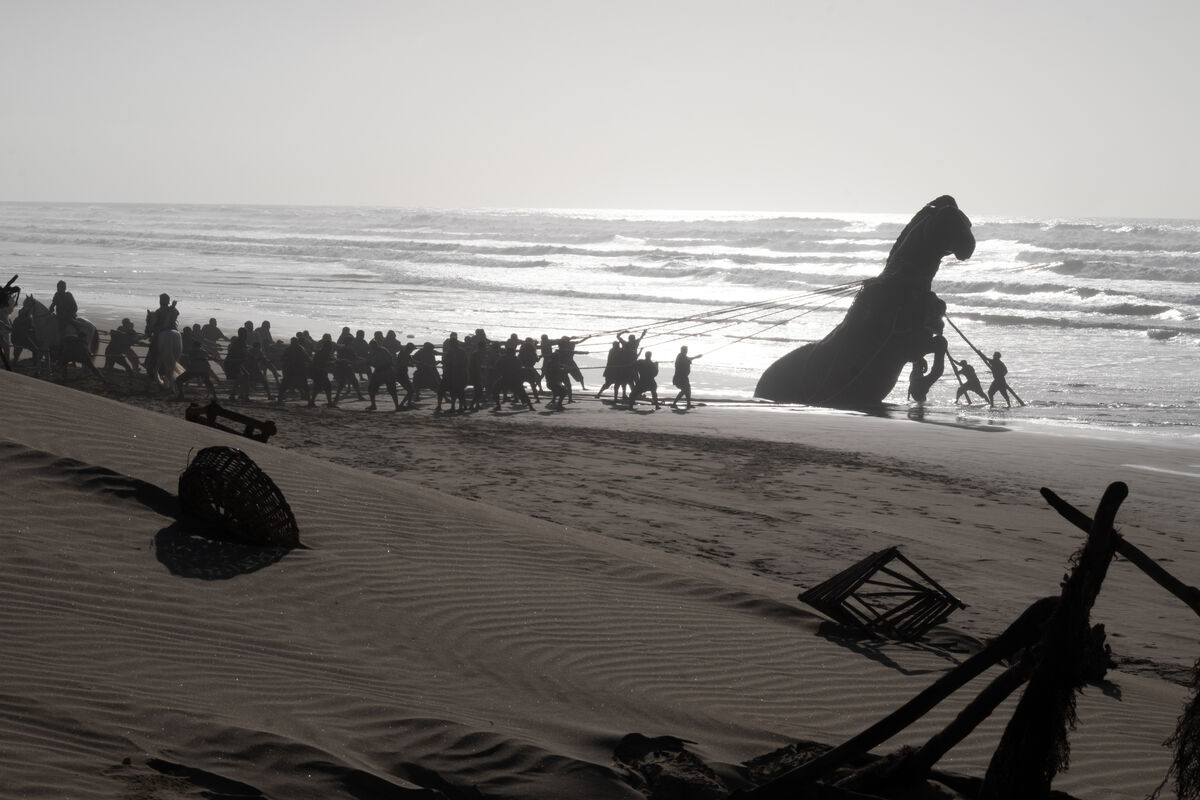
From the soundtrack to Nolan’s use of sound, the effect is sublime. It is pulsing, at times uncomfortable, but it keeps the audience in the action at all times, never allowing the ears a break. The cinematography is a masterclass — from the vision of the wooden horse on the beach, to the destruction of Troy, your eyes won’t want to miss a single frame.
It is dark, leaning towards horror as Odysseus and his men face monster after monster. It is deeply moving as Odysseus learns to live with the consequences of war and the trauma it brings. It is thought-provoking as the audience wrestles with the right and wrongs of war.
With Oppenheimer, Nolan didn’t show the consequences of the atomic bomb. Many felt he had let down the victims by doing this. In The Odyssey, he shows the consequences and asks: if you burn down societies, can you ever really be human afterwards?
From Hathaway’s righteous fury to Holland’s boundless optimism, the cast is terrific. Leguizamo gives the performance of his career; we might see him on the Best Supporting list come awards season. Damon, meanwhile, wears trauma in his eyes, his fatigue palpable in every movement, and his longing to return home achingly real. Yet, his charisma never falters, making it clear why his men remained loyal for so many years. An Oscar may well be in the offing.
Nolan has received backlash for casting choices, but ignore it. Forget what the detractors are saying on social media. This is a film that you want to see, and see in the cinema, not just to see it but to experience it in all its glory. Haunting and breathtaking, is cinema at its best.
- Cinematic release