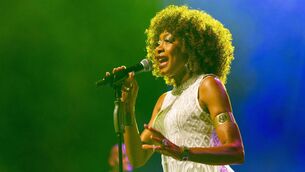
Big Tom to Luke Combs: How Ireland has fallen in love with country music again
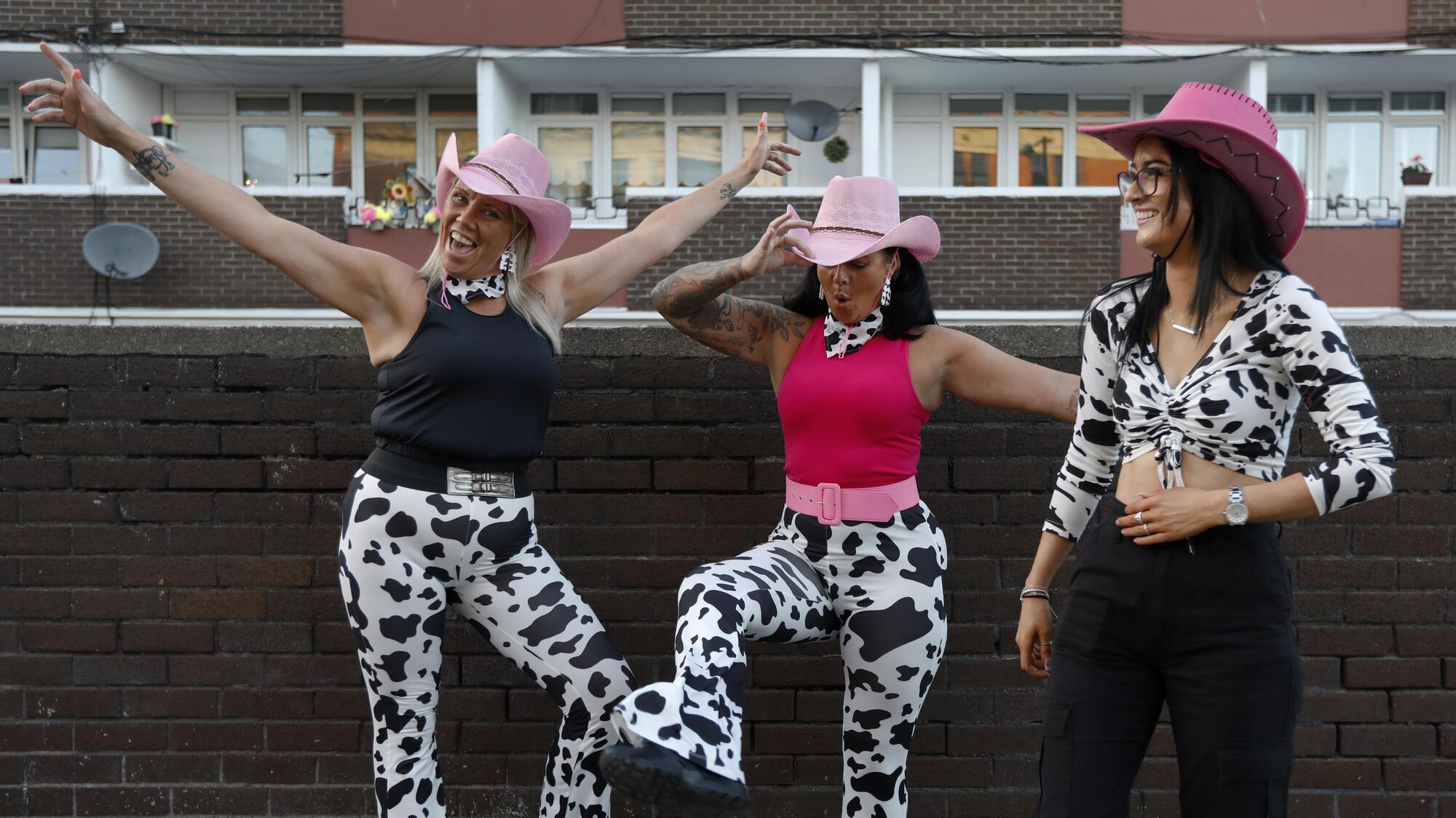
Garth Brooks fans on their way to Croke Park in 2022, the biggest country music concerts Ireland had ever seen. Picture: Mark Stedman
Ireland’s love affair with country music runs deeper than ever. From the legendary days of Big Tom and Philomena Begley to the frenzy surrounding Garth Brooks’ sold-out concerts, country music has long held a special place in the hearts of Irish audiences. It’s a connection built on storytelling, community, and a shared appreciation for music that speaks to everyday life.
Many in this country proudly claim that country has always been cool, but the reality is that, despite its diehard followers, the genre was never truly considered cool by the majority — until now.
Last month, Zach Bryan conquered Cork, playing to more than 80,000 fans across two nights at Páirc Uí Chaoimh. Meanwhile, Luke Combs is set to take over Slane with two sold-out shows, becoming the first artist ever to sell out two nights at the iconic venue. Add to that the fact that Spotify’s country music streaming figures are growing by thousands every day, and it’s clear that country music is experiencing unprecedented popularity.
But why now? How has country music gone from being a much-loved genre, but not necessarily a mainstream one, to becoming one of the biggest commercial success stories in modern music? What has fuelled its remarkable rise, turning stadium tours into sell-out events, and attracting millions of new listeners around the world?
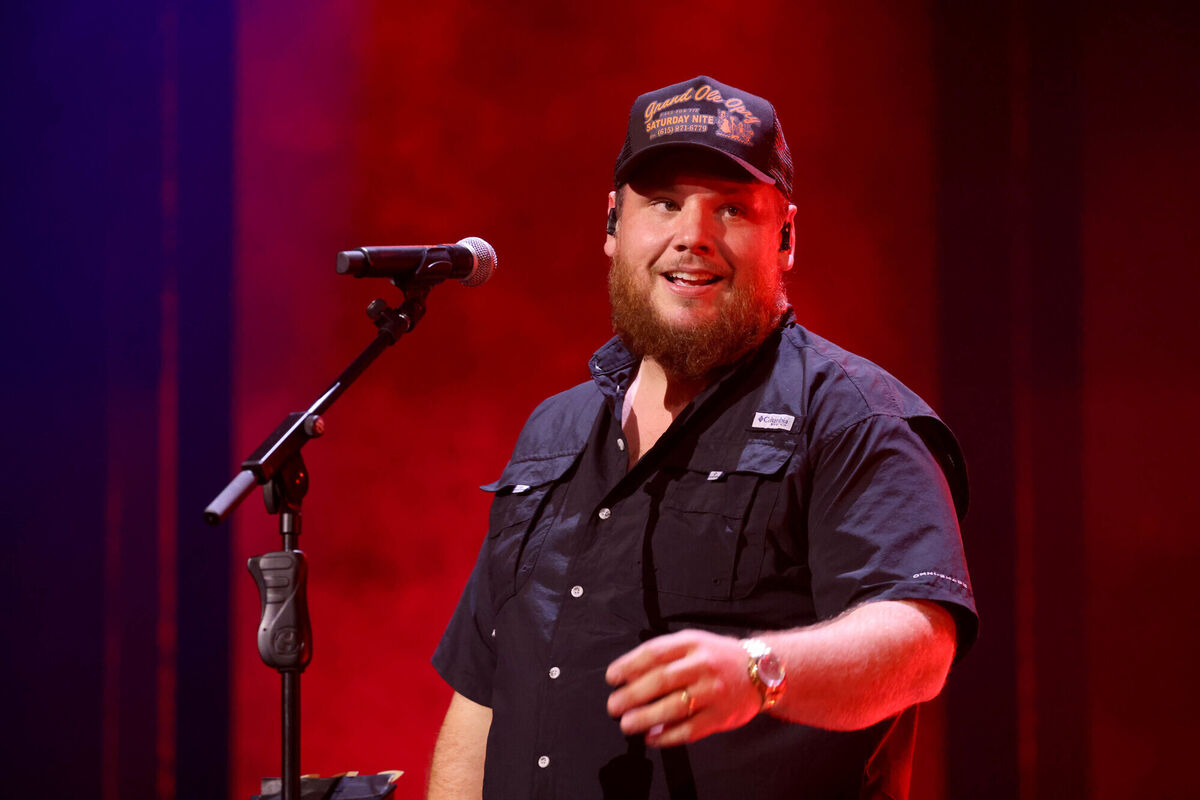
Country singer and host of Today FM’s show, Clodagh Lawlor, credits much of the genre’s recent success to Post Malone’s pivot from pop and hip-hop into country music, particularly following his duet with Tennessee artist Morgan Wallen.
“When Post Malone and Morgan Wallen decided to collaborate in 2024, that’s when I really saw the shift from country radio into commercial radio. When you have the power of Post Malone’s audience combined with Morgan Wallen’s position as a mainstream country artist in America, a song like I Had Some Help was always going to make an impact. I’ll never forget hearing it in the car; I was completely mind-boggled.”
Lawlor says the song opened a gap in the market. “People were asking, ‘What is this? Who is Morgan Wallen?’ Then you start discovering Luke Combs, Lainey Wilson, and so many others, and it becomes generational in the shift.”
Beyoncé's album was another project that brought the genre to new years, while closer to home Cmat has ridden the zeitgeist with knowing nods to country.
Lawlor’s passion for country music runs deep, mirroring the strong connection many Irish people feel for the genre.
“Country music has been a part of my life since childhood, just as it has been for many Irish households. My career has been built around American music, whether that’s on radio or on stage, and it just keeps growing. Country is one of the fastest-growing genres in the world, if not the biggest. Everyone is tapping into it. I have a country music show on a national radio station, which shows how popular it has become.”
Lawlor’s work often takes her to Nashville, where she has witnessed the shift in musical tastes towards country music first-hand.
“Last November, I was at the Grand Ole Opry, the Mother Church of country music, for an international gathering. I saw Ne-Yo. He was making his Grand Ole Opry debut, and I thought it was amazing. I started talking to him, and he told me he was bringing out a country album. He was releasing a song called and I thought, ‘If Ne-Yo is tapping into country, that says everything about where the genre is going.
“You’ve got artists with huge audiences looking towards country music now, bringing new listeners with them. That’s why I think it has become so widespread — it’s reaching people who might never have explored the genre before.”
Lawlor says country music was always playing in her house. Her mum introduced her to the American greats, Vince Gill, Dolly Parton, the Judds and, of course, Garth Brooks, but Irish country was always on the air, too.
“My mum has always loved Susan McCann, Louise Morrissey, Philomena Begley — just some of the women who inspired me to be a singer. I discovered Carrie Underwood when she was on American Idol, and I fell in love with those American sounds. I would run home from school to watch American Idol. In my career as a singer, I started fusing sounds. It’s built around Irish country, with a little bit of American twang.”
The Clare singer says it feels like a dream to see country music become both commercial and mainstream, and that watching so many people discover what she already knew to be true has been incredible.
“Country music is like a drug. Once you become a fan, you are a fan for life — you will never turn back, ”she says.
Paul Claffey, managing director of Midwest Radio, has been a driving force in Irish country music for more than 30 years. Through Paul Claffey Tours, he has combined live country music with travel, bringing fans from across Ireland to destinations including Spain and Portugal.
He says his tours are centred around Irish country music, drawing on the long-held love and passion that people have for the genre.
“We all, to a certain extent, grew up with it," says Claffey. "Some of us grew up when the Larry Cunninghams and the Big Toms were on the go. Then a new kind of country singer came around — the likes of Mike Denver, Michael English and Declan Nerney — who rebranded Irish country music.
“Whether it’s the old style or the new style of Irish country, people can relate to it. It’s a very close relation to American country music. It’s all down to the beat, really, which is so important for dancing — and dancing is what Irish people really love.”
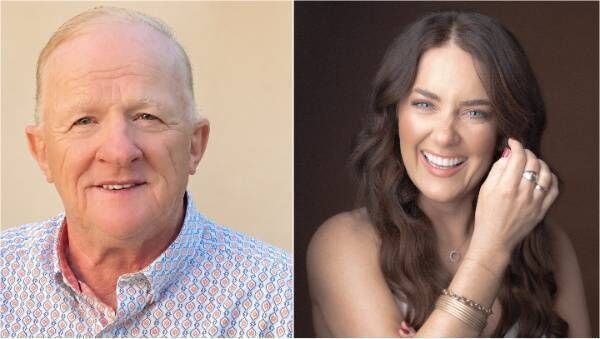
Given his deep roots in country music, does Claffey believe that the growing popularity of mainstream country music could benefit Irish artists? He says homegrown talent faces a challenge.
“Irish country stars are very talented and much loved, but the new challenge is to try to bring that into the concert market. There are only a quarter of the venues since covid, and it’s difficult for them to survive now in the traditional sense of going out dancing.”
A thousand country fans travel on Claffey’s trips, and he says at the moment, 80% are over fifty. Does Claffey think the fresh love of American country might benefit Irish artists and draw younger listeners? He certainly does.
“My granddaughter is listening to American country. She is only young, but what she is listening to is so different from what people were listening to less than five years ago. When she is old enough to pay for concerts, and if her generation keeps listening to country at the current rate, the genre will be unstoppable. If a new breed of Irish country star came up doing more American-style country music, I think they could be huge.”
Claffey admits he never could have predicted just how big country music would become.
“Who would have thought Luke Combs would sell out Slane? If you’d told me that five years ago, I’d have got 1000-1 with the bookies.”
- Luke Combs plays Slane Castle, Co Meath, on Saturday and Sunday (July 18-19)
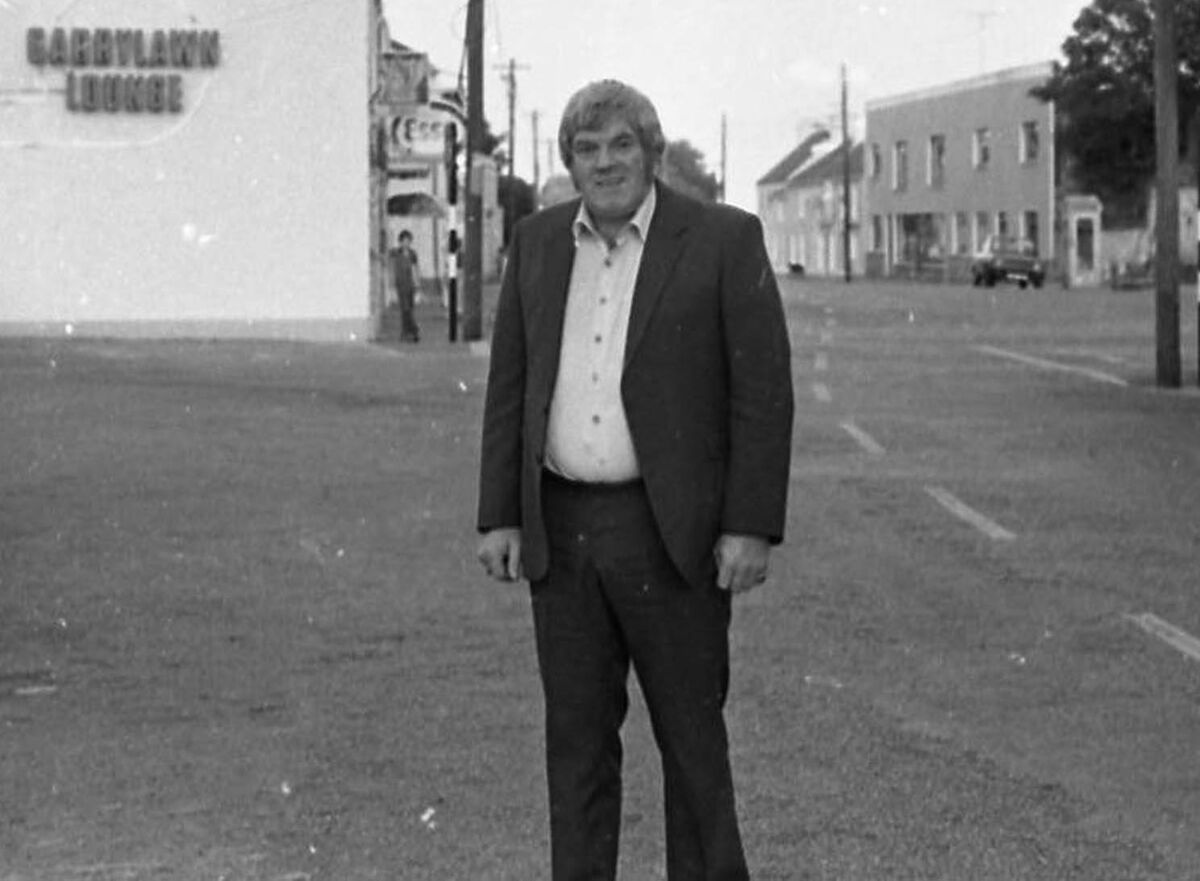
Much of Ireland’s country music tradition stems from the showband era of the 1960s. Monaghan’s Tom McBride began his career as a member of the Mainliners showband, eventually becoming a solo artist best known as Big Tom. The gentle giant is viewed by many as the father of Irish country music and was often compared to Johnny Cash for his baritone voice and slow, conversational singing style.
Big Tom frequently performed duets with Margo O’Donnell, who began singing at just 13 years old. The Donegal native is also the sister of Daniel O’Donnell, who, for many, remains the definitive star of Irish country music.
Tyrone’s Philomena Begley is perhaps the most famous of the Irish queens of country music. She successfully crossed over into the American country music scene, touring the United States and performing for emigrant communities. She also graced the stage of the Grand Ole Opry on many occasions, further cementing her place as one of Ireland’s most celebrated country music artists.
Together, these singers helped shape the sound and popularity of Irish country music, bringing it to audiences across Ireland and beyond.
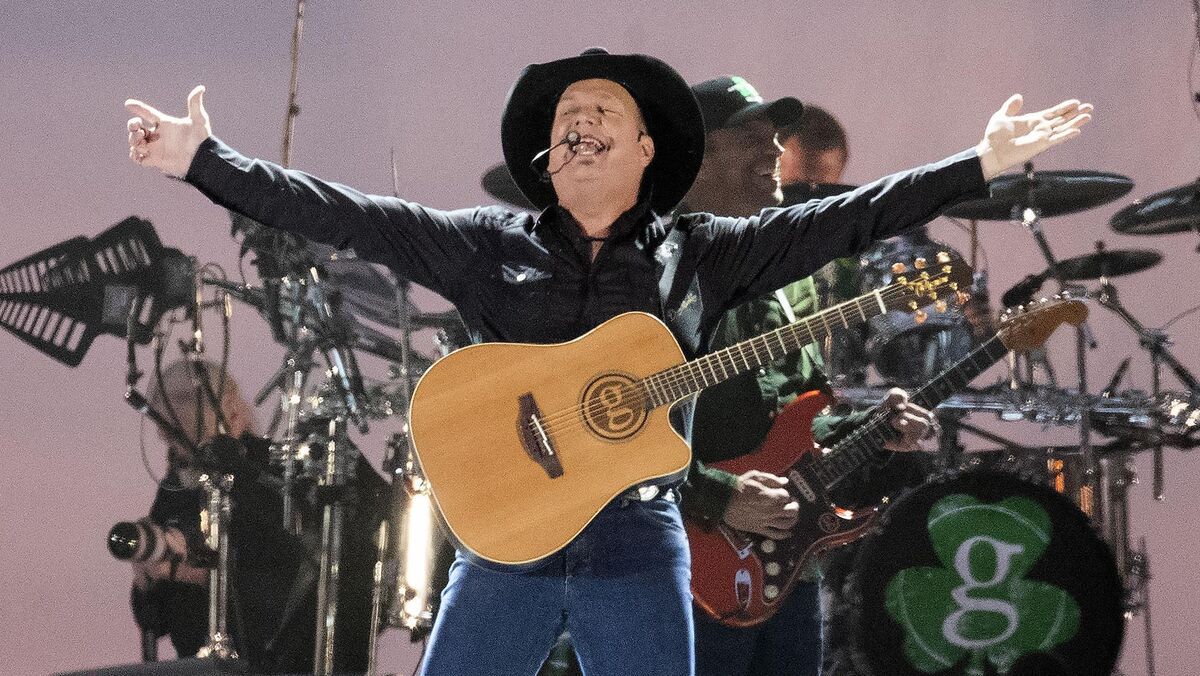
Everyone knows the story: more than 400,000 hearts were broken when Garth Brooks was forced to cancel his planned five sold-out comeback shows at Croke Park in 2014. Eight years later, he finally made good on that promise. In 2022, Brooks returned to Dublin to play all five concerts, and the city was awash with check shirts, Stetsons, and country music fans soaking up the occasion. But are younger contemporary country fans aware of the original phase of Garthmania?
When megastar Brooks first came to Ireland in 1994, the country had no idea of the mania that would ensue. Sure, he was popular — a well-established star in the States — but even he admitted to the press that he was surprised by just how popular he was here.
After selling out eight shows at Dublin’s then Point Depot, Brooks returned for a three-night run at Croke Park in 1997. It was the days before mobile phones, but a quick YouTube search will bring up footage of Brooks performing on top of a bus in Bray, Co Wicklow. It sounds like an urban myth, but Brooks really did serenade the crowd with a rendition of from the roof of his minibus.
It’s unlikely a star of that stature would ever do something similar in Bray today, but fast-forward to 2016 and Kip Moore — hugely popular, if not quite on Brooks’ level — opted to busk on the streets of Dublin following his gig at the Academy. The Gardaí weren’t impressed, but fans and passers-by loved the impromptu performance. Maybe he’d heard about Brooks’ legendary Bray session?
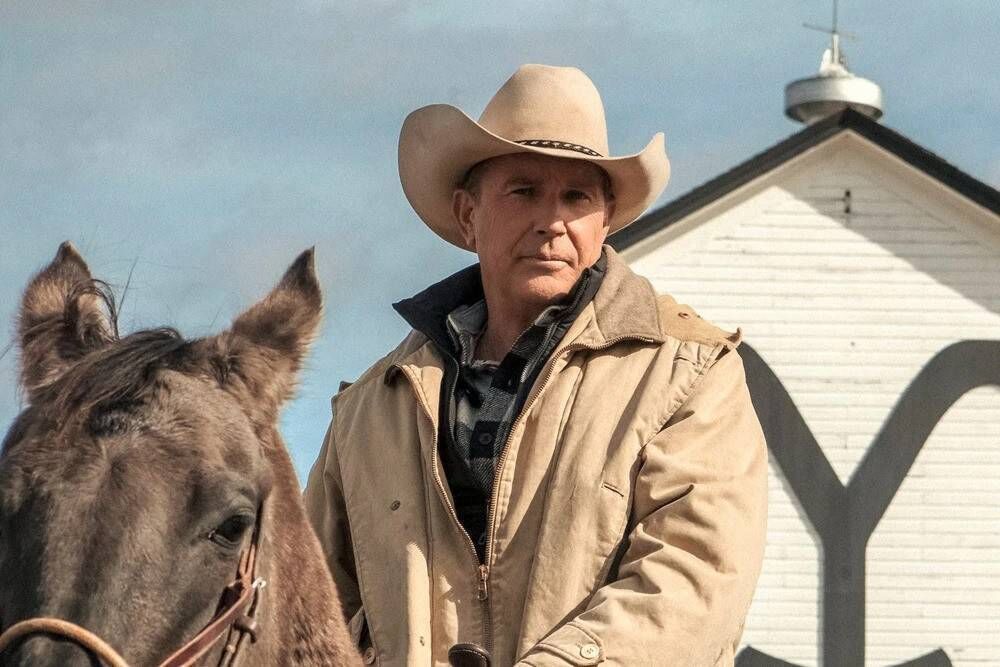
From the earliest days of Hollywood, the Western genre was one of the most popular and profitable forms of filmmaking. While the style of Westerns evolved with each decade, their popularity remained strong well into the 1990s. The 2000s saw a decline in the genre, with Westerns becoming increasingly rare, until Taylor Sheridan helped revive it with the hard-hitting, cinematic, and sweeping Western series Yellowstone.
Sheridan’s vision has since expanded across generations and landscapes, tracing back to 1883 and 1923, extending into Texas with Landman, and continuing the Dutton legacy with Dutton Ranch and Marshals.
With each show attracting massive viewership figures, the popularity of the Western genre grew far beyond the audience that had long felt its absence. The resurgence drew viewers of all ages and demographics and coincided with a renewed appreciation for country music, as both cultural movements grew hand in hand.
Zach Bryan, Shane Smith & the Saints, Riley Green and trailblazer Lainey Wilson are among the artists who can credit Sheridan’s expanding empire with helping elevate their profiles. Even country music icons Tim McGraw and Faith Hill found a renewed spotlight through their leading roles in 1883, introducing them to a new generation of viewers beyond their established musical audiences.