Tom Dunne: Choose life, and also the cultural phenomenon that is Trainspotting
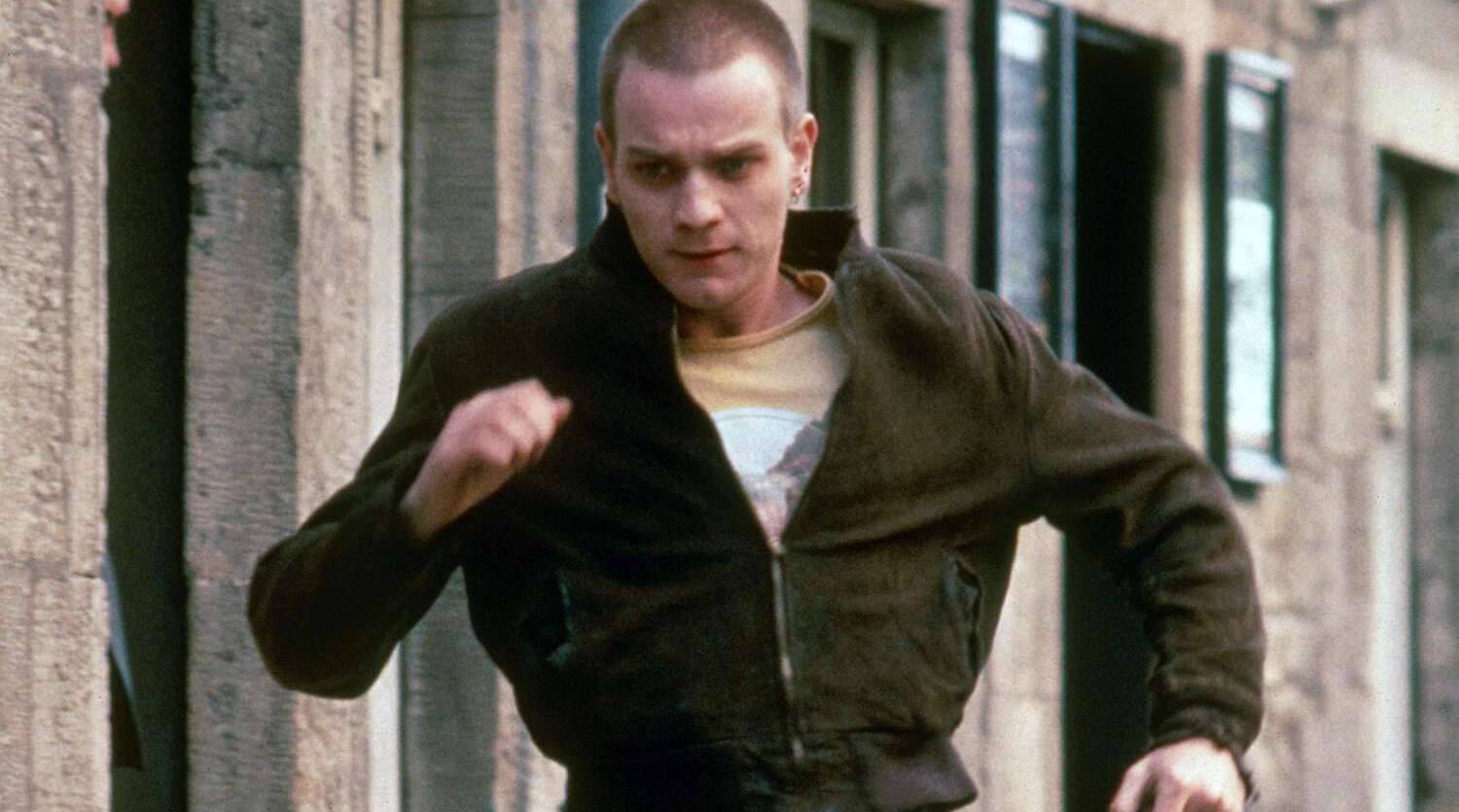
Ewan McGregor’s character Renton being chased in Trainspotting.

Is the greatest film soundtrack ever? Think of scenes like Ewan McGregor’s character Renton being chased ( ), Renton sinking into the carpet ( ), Renton climbing into the toilet (Brian Eno) or Renton possibly breaking free ( ) and you’d say “yes, 100%.” But honestly the soundtrack isn’t even the half of it!
The film is 30 years old this year and looking back on the era it came from it is hard to imagine another film that so perfectly captures the times that created it. It is the zeitgeist, it is the heady drug-fuelled optimism, the energy and the youth, and it’s then dark, drug-fuelled destruction.
It is an era too from which you cannot separate Tony Blair. The youthful, guitar playing face of New Labour seemed to mark a dramatic ending to the Thatcher era. The pantomime villain and her acolytes were gone. Smooth, cool, honest Tony was in the house.
‘Back to Mine’ was a popular music magazine feature in which celebs notionally invited you back to their place after closing time to enjoy their music tastes. In 1996, Number 10 Downing Street was suddenly on that list. It was back to Tony’s gaff with, incredibly, Blur and Oasis. Tony was one of ours.
The writer Nick Hornby, himself a part of that scene through the success of and , described it as “the last time the country was happy”. He said also: “We felt influential again, culturally... our generation was obsessed with America when we were in our teens, but the gap had started to close.”
Closing that gap, in a way not seen since the Swinging Sixties, was Britpop. Those involved in that scene may have dismissed it as a media invention, but for those of us in radio at the time, it was like surfing a musical tsunami. Putting a “cool radio show” together was child’s play.
You had to contend with new, often career-defining releases from Blur, Oasis, Pulp, Radiohead, Suede, Beck, The Manic Street Preachers, Underworld, DJ Shadow, Nick Cave, Orbital, Beth Orton, Ash, The Divine Comedy and REM. People paid me to arrange these in order and enthuse about them. No joke.
It wasn’t just music. The YBAs (young British artists) like Tracey Emin and David Hirst were doing things with sharks and unmade beds that was all a bit 1960s' Andy Warhol. Lads mags had arrived; the Premier League was making people like David Beckham into superstars; Kate Moss was everywhere.
All of this coalesced into something that was referred to as Cool Britannia. Beatlemania and the great British invasion had been reinvigorated. The Union Jack was everywhere. That could have been divisive, but here it evoked only images of Brett Anderson’s cheek bones. It was beautiful, end of.
It was into this sea of optimism that Danny Boyle placed “Choose Life,” it told us. "Choose a big-screen TV, fixed interest mortgage repayments, low cholesterol, leisurewear and matching furniture." Then came the kicker: “Choose heroin” said Renton, as the edifice collapsed around him.
I had always given Danny Boyle total credit for the effectiveness of the music in this film. After all, he was the man behind and all films in which the music choices have been centre stage. But it would appear I was wrong.
The person we should have been feting is a man called Tristam Penna, a then EMI A&R man. A rough soundtrack had already been assembled by the time he was brought it to advise. Watching those early scenes, he was frankly appalled.
A clubber at the time, he had seen how Iggy’s had become a club anthem. It wasn’t really a very big song back then, but in clubs, people wouldn’t go home until it was played. He knew it was perfect. Equally, as Bowie’s wasn’t available, he suggested a “special song” for him and his partner at the time.
It was his contacts that allowed him to bring in Blur, Pulp, Elastica and all the other bands du jour. He was the right man in the right place with, as you’d expect, an A&R man’s ear for great music.
It is worth noting there is no Oasis track here. Liam and Noel assumed it was, in fact, a film about men of a certain age out spotting trains. Naturally, they wouldn’t touch it.