Toy Story 5 review: Latest sequel could have been messy — but this is funny and poignant
Director Andrew Stanton weaves his signature Pixar magic
Buzz Lightyear and Woody. Pictures: Disney/Pixar

Buzz Lightyear and Woody. Pictures: Disney/Pixar

★★★★☆

Thirty years after Toy Story first hit cinemas in 1995, Toy Story 5 (G) arrives as the newest chapter in one of the most influential and successful film series ever made.


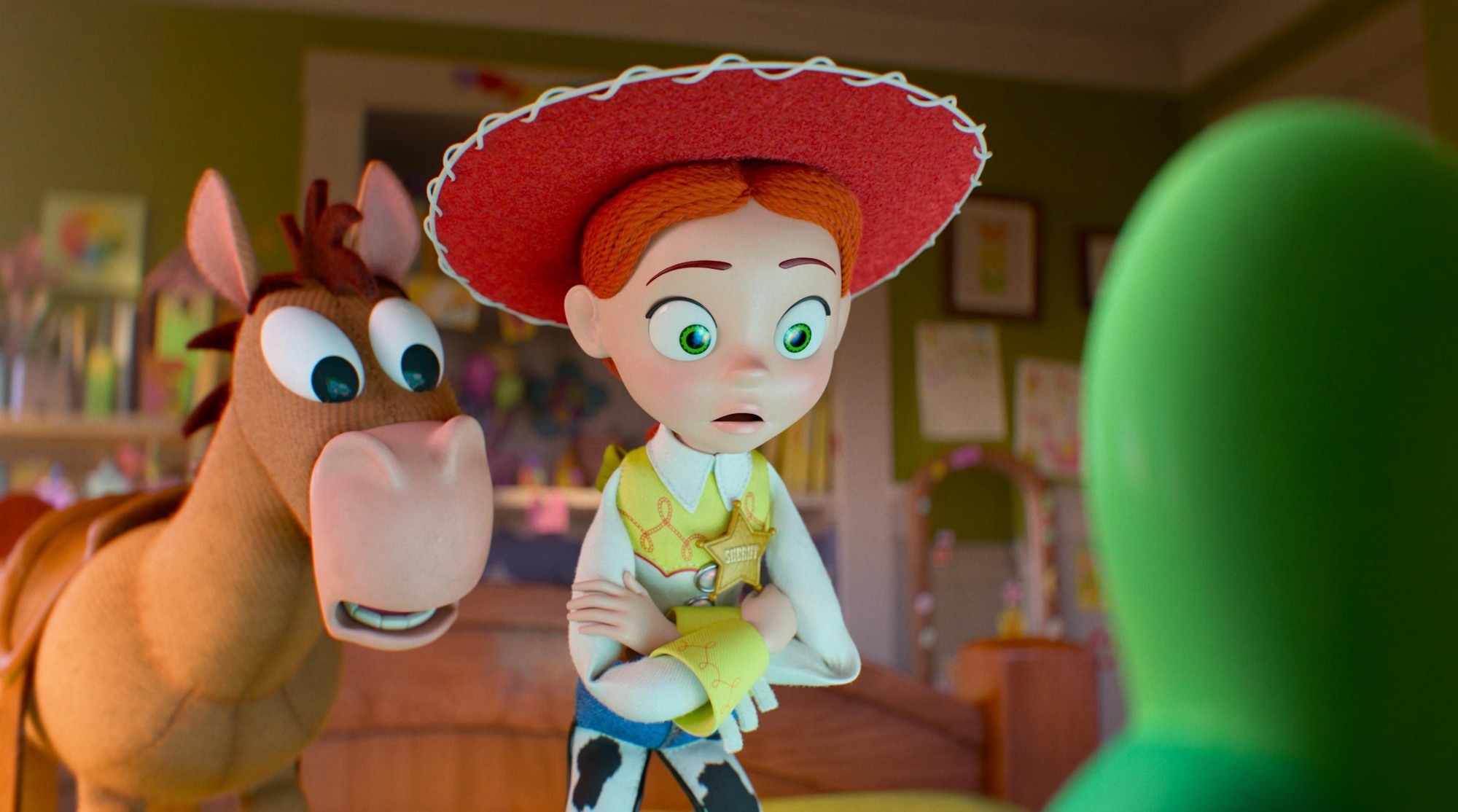
Die-hard fans will know that Woody (Tom Hanks) left his fellow toys to pursue a new mission—helping lost toys. In his absence, Jessie (Joan Cusack) has stepped up as the new sheriff in town and Bonnie’s fiercest protector. Woody does make an appearance in this one too, as does Buzz Lightyear (Tim Allen), but first, it is Jessie who has to rise to a new challenge.

When we last saw Bonnie, she was five years old. She is now eight and navigating a whole new set of challenges. Bonnie continues to imagine her toys in wildly imaginative scenarios. But the children around her have moved on from traditional play. Bonnie is being left behind; she can’t relate to the other kids.

Bonnie’s parents have tried to keep her away from screens but accept that it’s time to give her a tablet, hoping it will help their shy daughter connect more easily.

Jessie and the other toys have heard rumours that “smart toys” are on the rise. When they sneak out to peer into neighbouring homes, they are shocked by what they see: children transfixed by glowing screens, toys abandoned.

Bullseye, Jessie, and Lilypad

Jessie and co meet a group of toys in a state of deep distress—having been abandoned in favour of technology, they are struggling to cope with what feels like profound trauma. The experience of being replaced has left them withdrawn and fractured.

Bonnie’s toys are determined that this will not be their fate, but none of them is prepared for Lilypad (Greta Lee), a smart tablet capable of doing a million things they cannot. They watch helplessly as Bonnie becomes captivated within seconds.

Naturally, Jessie does not take to Lilypad, and while the two are increasingly at loggerheads, the other toys begin to panic. Will they soon be forgotten? What, even, is a toy when it is no longer played with? These are just some of the big questions the film explores.

As Jessie tries to fix the situation, she finds herself led to the house where she lived many years earlier. It is this journey that brings Woody back into the fold, and the film expands beyond the familiar world of the toys, taking on a western-inspired tone.

It also carries echoes of a war film, as a side plot involving a squadron of lost Buzz Lightyear units add humour and unexpected stakes to the story.

With so many genres in the mix, the film could have become quite messy, but director Andrew Stanton weaves his signature Pixar magic, and all the pieces fall into place.

Toy Story 5 is both funny and poignant. Growing up is never easy, and part of that journey means leaving certain things behind, including the toys that once meant everything. 

In a world dominated by technology, that transition feels more complicated than ever. Yet the film wisely avoids treating tech as the enemy. Instead, it argues that children—and adults—must learn to balance digital life with creativity and imagination.

Warm, witty and emotionally resonant, Toy Story 5 reminds us that while childhood may change, there will always be room for play. Cinematic Release.

x

More in this section

Scene & Heard

Newsletter

From music and film to books and visual art, explore the best of culture in Munster and beyond. Selected by our Arts Editor and delivered weekly.

Cookie Policy Privacy Policy Brand Safety FAQ Help Contact Us Terms and Conditions

© Examiner Echo Group Limited