Donovan at 80: Music legend talks drugs, The Beatles, and living near Mallow
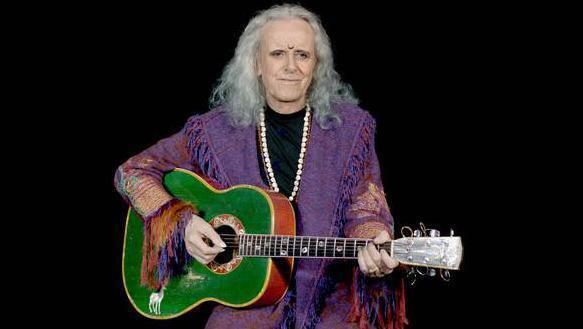
Donovan tours Ireland in the coming weeks, including a gig at the Everyman in Cork. Photo: Jaume Caldentey
There are certain pop artists that are known by their first name only. They include Elvis, Madonna, Prince, and Beyoncé.
Donovan, who grew up in post-war Glasgow as Donovan Leitch — the son of a Catholic mother and a Protestant father, and the grandson of two Irish grannies — also occupies that rarified air.
Donovan, who has “reached the year of my 80th summer around the Sun”, has been living in Ireland in an old rectory house about 15 minutes’ drive from Mallow, Co Cork for over 30 years.
He first performed in the country in the late 1960s. The music impresario Jim Hand booked him to play a dancehall somewhere outside Dublin.
“I arrived,” says Donovan. “Jimmy Hand took me to a small hotel where the wallpaper is peeling off the wall. I'm about to play after a showband. I'm a big hit already. All I have is my guitar.
"I look up at the peeling of the wallpaper when we're checking into the hotel. I say to Hand, ‘It looks like this place is falling down.’ He said, ‘Ah, sure, now, they're just redecorating.’”
As a 10-year-old, Donovan moved south from Glasgow with his family to live in Hatfield, a town in Hertfordshire, about 20 miles north of London, not far from St Albans, a university town where he hung out.
As a teenager in the early 1960s, he explains there were battlelines drawn between kids into pop music and beatniks who favoured jazz, blues and folk music.
“Every city with a university, a jazz club or a blues club was where the beatniks hung out. That bohemian scene was in the pubs. The pubs said to the beatniks, ‘You take the back room, but don't come anywhere near the front room.’ It was happening in London too.
"The beatnik thing had nothing to do with pop music. The jazz, blues and folk people were so insular. They thought pop music was rubbish — that anybody who wanted to be in pop music was stupid and uneducated. They were all posh, saying, ‘We’re banning the bomb. We're the real bohemians.’
“Then one day, I said to my bohemian friends in the bohemian pub in St Albans, The Cock Inn, which was an unfortunate name for a hangout for young people trying to make out: ‘Guess what? I bumped into a songwriter. He wants me to do demos. I'm gonna make a pop single.’
"They looked at me as if I'd gone three kinds of crazy, saying, ‘You're a disgrace to the world of folk.’”
Donovan hit the ground running. In early 1965, while still only 18, his debut single, , reached number 4 in the UK singles charts. The following year, the title track from which is widely credited as the world’s first psychedelic pop album, went to number one on the U.S. Billboard Hot 100 charts.
More hit singles, including — in which Paul McCartney provides backing vocals — and followed.
Donovan was tight with The Beatles, socially and creatively. George Harrison famously said, “Donovan is all over the White Album.”
In June 1966, police raided Donovan’s apartment on London’s Edgware Road.
He was a soft target, having broadcast about smoking hash in his track, ; and there was a scene with his friends smoking pot in a TV documentary, which raised the hackles of notorious drugs squad officer Norman Pilcher.
With the aid of a lawyer supplied by Harrison and McCartney, Donovan got off with a £250 fine and a scolding in court.
Shortly before recording the , Donovan joined the four Beatles on their spiritual trip to India in February 1968, a travelling party that included Mike Love from the Beach Boys and Mia Farrow. Their transcendental meditation retreat was led by Maharishi Mahesh Yogi.
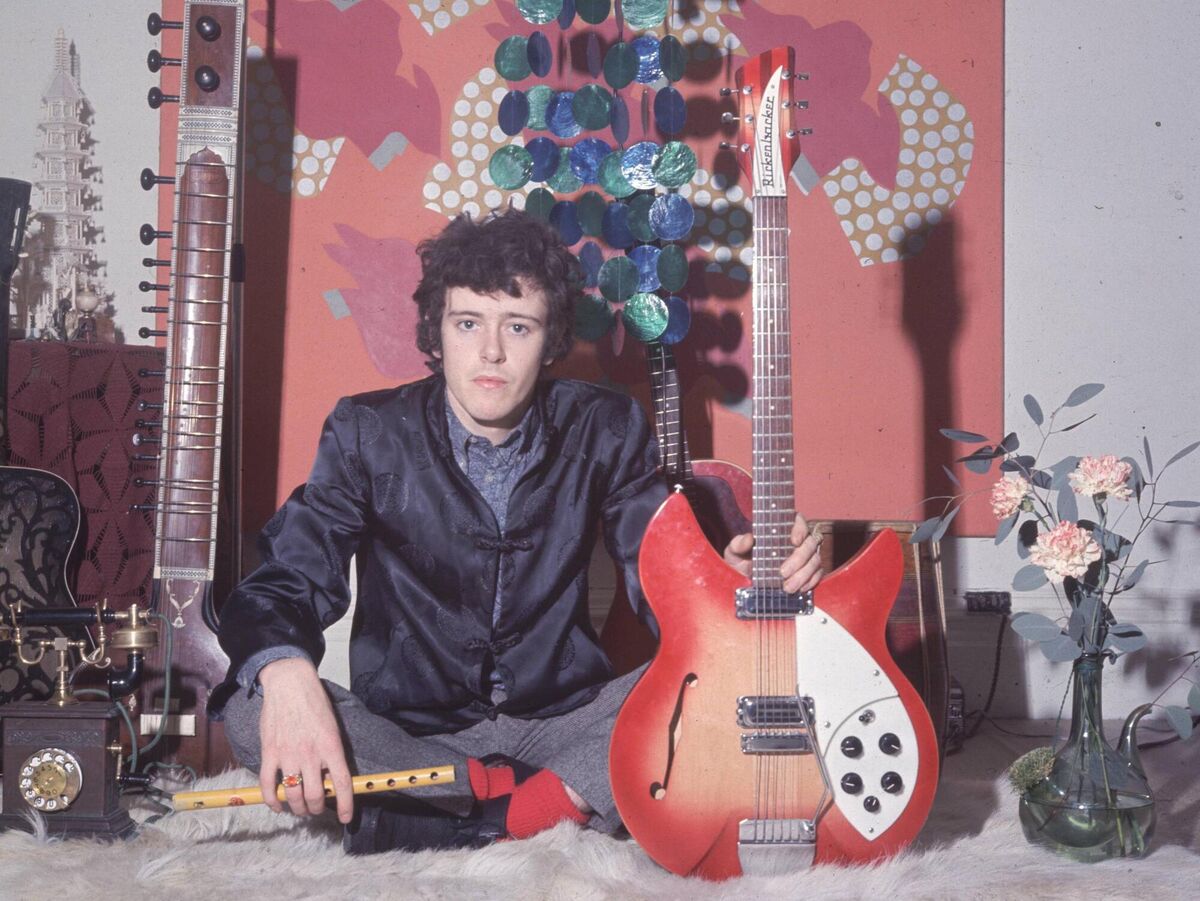
The Beatles were in search of peace. “The Beatles were overwhelmed by their success,” says Donovan. “It was overpowering. It was dangerous. It looked funny in the film but it became quite intense.
"The Beatles were on the verge of mental difficulties. They had no private life. Fans were screaming. They couldn't hear their songs anymore in the concerts.
“In our songs, we sang about smoking marijuana. Beatles’ songs were saying, ‘Turn off your mind, relax, float downstream’ or ‘I’d love to turn you on’ and me with hashish in my song. Dealers were saying, ‘Hey, all these guys are famous, they're promoting our stuff.’
"What could one do? Well, first we wanted to learn meditation, which was part of the bohemian tale going back to the 1800s. We needed to test whether meditation worked without smoking pot, without getting extremely stressed out with LSD or the heavier mushrooms.”
Whatever about the quest for transcendence, the journey was productive musically. “At one point, we're sitting around playing acoustic guitars,” says Donovan.
“John was watching me playing this extraordinary fingerpicking style I learned called the clawhammer. It's fast. He said, ‘How do you do that, that thing you're doing with your fingers?’
"I said, ‘Do you want to learn it? It'll take a little while.’ He said, ‘I've got a little while. We’re out here in the jungle.’ So, I had to deconstruct the pattern. He got it in two days.”
Lennon used the fingerpicking technique on his songs and .
- Donovan is performing at Cork’s The Everyman, 8pm, Saturday, July 11. See everymancork.com; Other upcoming gigs include June 12, Derry Guild Hall; June 19, Hawks Well, Sligo; July 4-5, Pavilion Theatre, Dún Laoghaire; October 2, Town Hall, Galway.
Jimi Hendrix first arrived in London in September 1966. He was unknown, lured to the UK by Chas Chandler, bass player with The Animals.
At the time, Donovan — and his eternal sidekick, the sculptor Gyp Mills, aka Gypsy Dave — was hiding out from London’s paparazzi after Donovan’s drugs bust earlier that summer.
“The press of the world had camped on the pavement,” says Donovan. He forsook his apartment on Edgware Road for a hotel in Bayswater. “We checked into this not-so-clean, funky little hotel,” says Donovan.
“You could do what you like, stay up all night, play guitar. Gypsy was chatting up this Swedish girl who was painting a psychedelic mural behind the bar. I'm there, watching all this, having a coffee.
"The phone rings. It's Chas. He says, ‘Hey Gyp, I want you to get in a taxi right away. Get to Heathrow. I've got this amazing guitar player I found in New York.’"
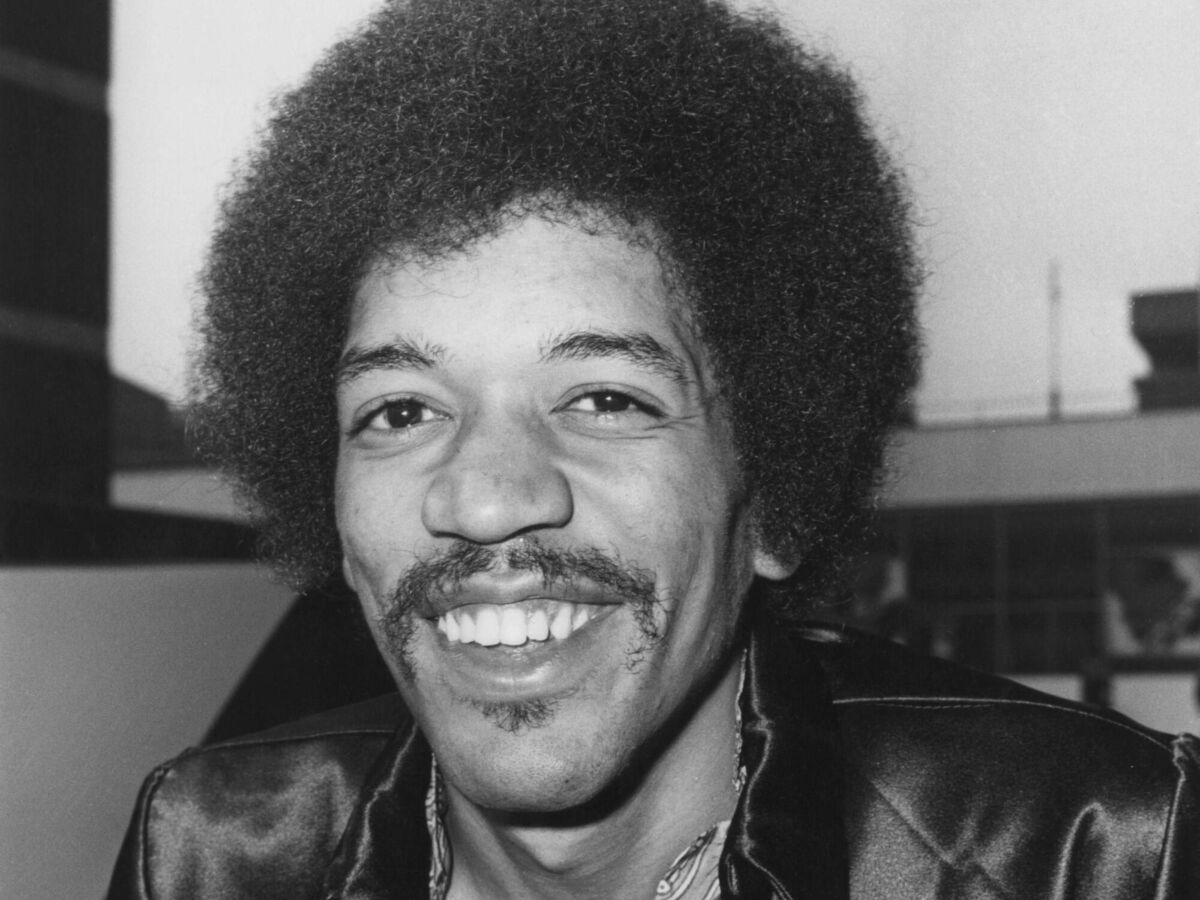
Shortly after, a taxi pulled up at the hotel with Hendrix. Donovan continues: “This thin black guy from America with Spanish boots, a matchbox for a suitcase and a Fender guitar case. He's jet lagged.
"I learned he's a painter. He wanted to paint but he's now been drawn into this extraordinary pop world. I spent some time with him; he doesn't feel at all angry.
"On stage, he's wild, but off stage, he's a gentle artist, withdrawn, not quite knowing what he's doing out in this business, but he knows what he can do.
“Chas found Noel Redding, a bass player, and Mitch Mitchell, a jazz drummer. Chas was smart. He knew there needed to be a jazz drummer because nobody else will ever follow Jimi where he's going.
"Then we were all brought to the Bag O’Nails, a club in Soho. Everybody who’s anybody in London is invited to see the debut of Jimi Hendrix from New York. The room is buzzing. Everybody's stoned, drunk.
"Then on comes Hendrix. The first 30 seconds he plays, the room goes silent. Jeff Beck, Jimmy Page, Eric Clapton were there. Their mouths fell open.”