Book review: ‘The Country Girls’ for modern times
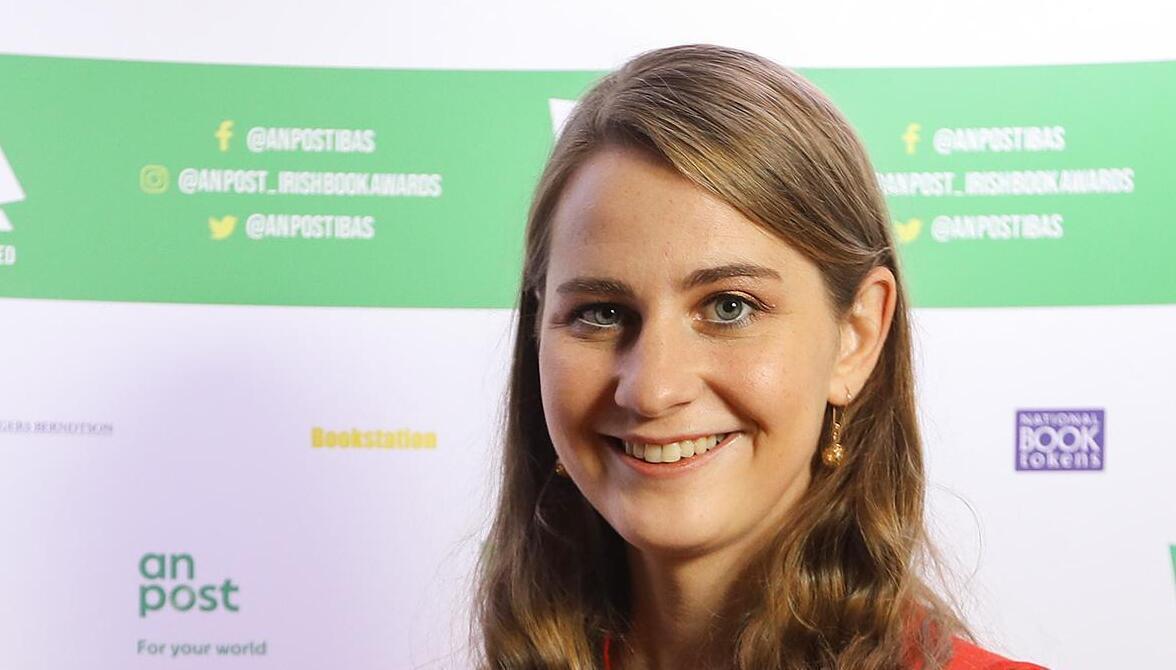
Louise Nealon’s second novel, 'Everything That Is Beautiful', is not a pleasant or uplifting experience; it is not meant to be
Book review: ‘The Country Girls’ for modern times

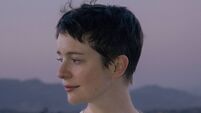
Louise Nealon’s debut was the award-winning ‘Snowflake’. File picture: Lorraine O' Sullivan/Patrick Bolger Photography

  • Everything That Is Beautiful 
  • Louise Nealon
  • Manilla Press, €15.99

It is ironic that fiction essentially involves made-up stories because often we judge a book by how close it gets to the truth.

Everything that is Beautiful, Louise Nealon’s second novel, is not a pleasant or uplifting experience; it is not meant to be. 

It makes for oppressive reading, told from the perspective of female characters who experience sexism and harassment on all sides: From men they have hardly met before to the people they trust the most.

In other words, this is a book about misogyny in Irish society, whose themes and authorial tactics place it firmly within a tradition that goes back at least as far as Edna O’Brien’s The Country Girls

The point of such books is not exactly to bring us pleasure, although they can have great moments; it is to help us understand ourselves.

Judged by that yardstick, it is hardly the place of a male critic to tell if this book gives an accurate portrayal of Irish sexism. 

But it certainly manages to convey a sense of how experiencing misogyny might feel: The relentlessness of people’s looks and remarks and actions, how they can become part of the way we see ourselves.

Everything that is Beautiful tells the story of the Foley family, who live in a small Irish town, and Niamh, a neighbour who grows up with the Foley children and whose life is entwined with theirs (so too, it will turn out, were those of her unhappy and neglectful parents).

At one point, Niamh complains to herself when her therapist keeps forgetting who the Foleys are: “They weren’t just neighbours,” says the third-person narrator, “they were a language. They were the only way she could talk about herself.”

Liam Foley, the father of the house and ex-GAA star, is a well-known hurley maker and coach of the local camogie team.

His wife Helen is a teacher who gives up work to stay at home; their children are John, Maria, Bláithín, Kate, and Peter, who is Niamh’s childhood friend and teenage love-interest.

The novel’s chapters move between the perspectives of Helen, Niamh, and Kate.

The story alternates between long flashbacks and a present, where the children are grown up, that slowly advances towards Maria’s wedding.

All three are still coming to terms with a brutal and life-altering chain of events that took place some years before, described at the end of the first chapter and beginning of the second. 

The plot of the book is not made up of actions but reverberations, and its ending less a climax than a resolution.

In that sense, the novel is optimistic because in the end its characters manage to live at peace. But some of its most striking moments happen in the wings of the main story.

For example, at one point Kate is living in Belfast, changing jobs from one cafe to another to avoid a male customer who won’t leave her alone. 

Eventually her manager, Simon, helps her to get the point across. But when Maria and the camogie team come to Belfast for her hen party, Kate finds Simon in the bar waiting for them. 

He comes on to some of the girls, and when they rebuff him angrily, at last he leaves, but not before approaching Kate: “‘I don’t know what’s wrong with me. You just ... you never come to work nights out, you know?’

“‘And I was curious to see what you’re like on a night out because you’re great, but you’re so —’ he clenched his fists and brought them into his chest, ‘— closed off in work.’ (...) He kissed her on the cheek before he left.

“‘I don’t want to talk about it,’ she said to Maria, who had walked over to ask for an explanation of what had happened.”

x

BOOKS & MORE

Check out our Books Hub where you will find the latest news, reviews, features, opinions and analysis on all things books from the Irish Examiner's team of specialist writers, columnists and contributors.

More in this section

Scene & Heard

Newsletter

From music and film to books and visual art, explore the best of culture in Munster and beyond. Selected by our Arts Editor and delivered weekly.

Cookie Policy Privacy Policy Brand Safety FAQ Help Contact Us Terms and Conditions

© Examiner Echo Group Limited