Film reviews: Power Ballad is a funny and thoughtful meditation on fame and artistic agency
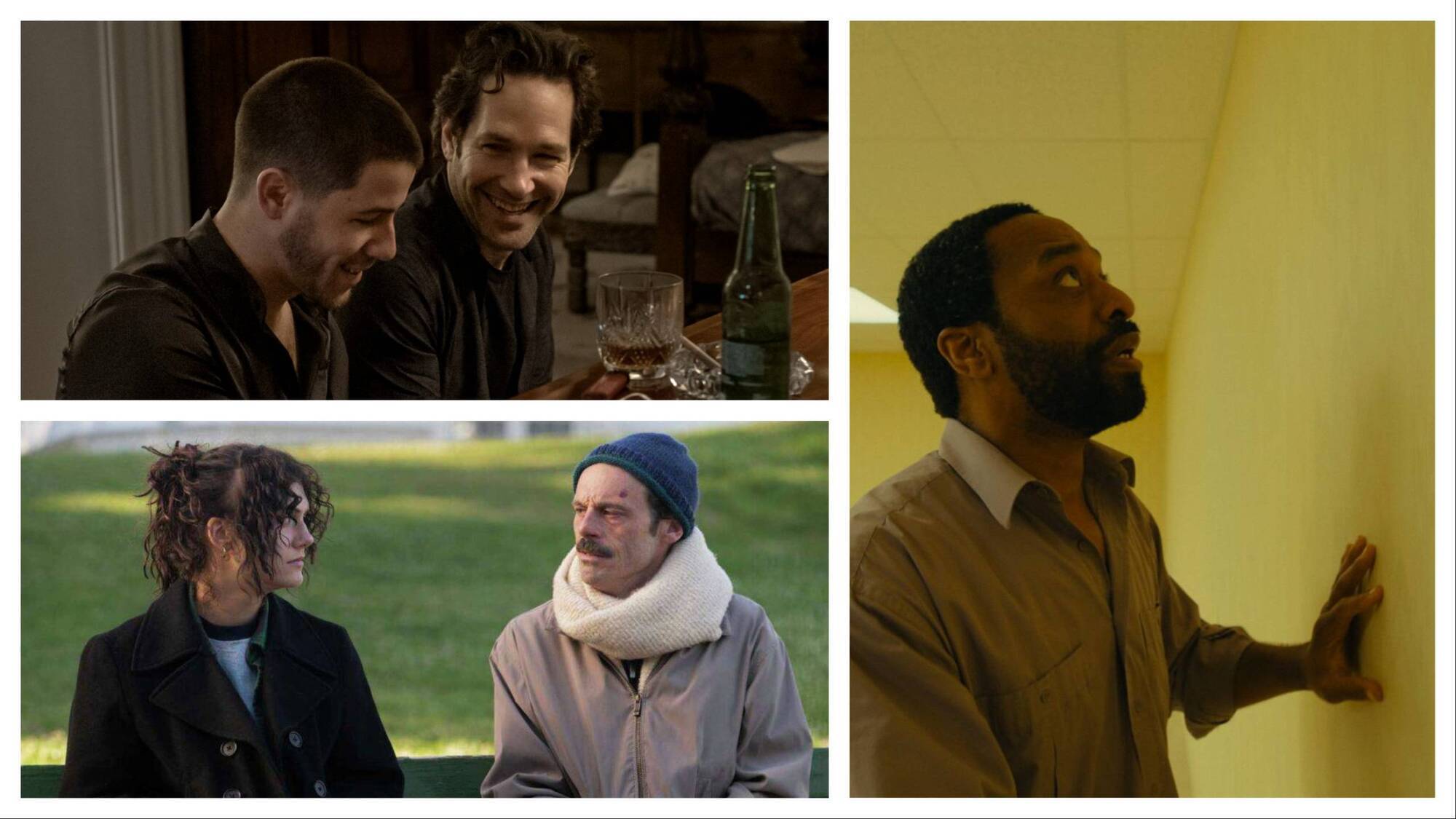
Power Ballad, Backrooms, and Fairyland are up for review this weekend
★★★★☆
From Once (2006) to Begin Again (2013), Sing Street (2016) to Flora and Son (2023), John Carney has been exploring the interrelation of music and film for two decades.
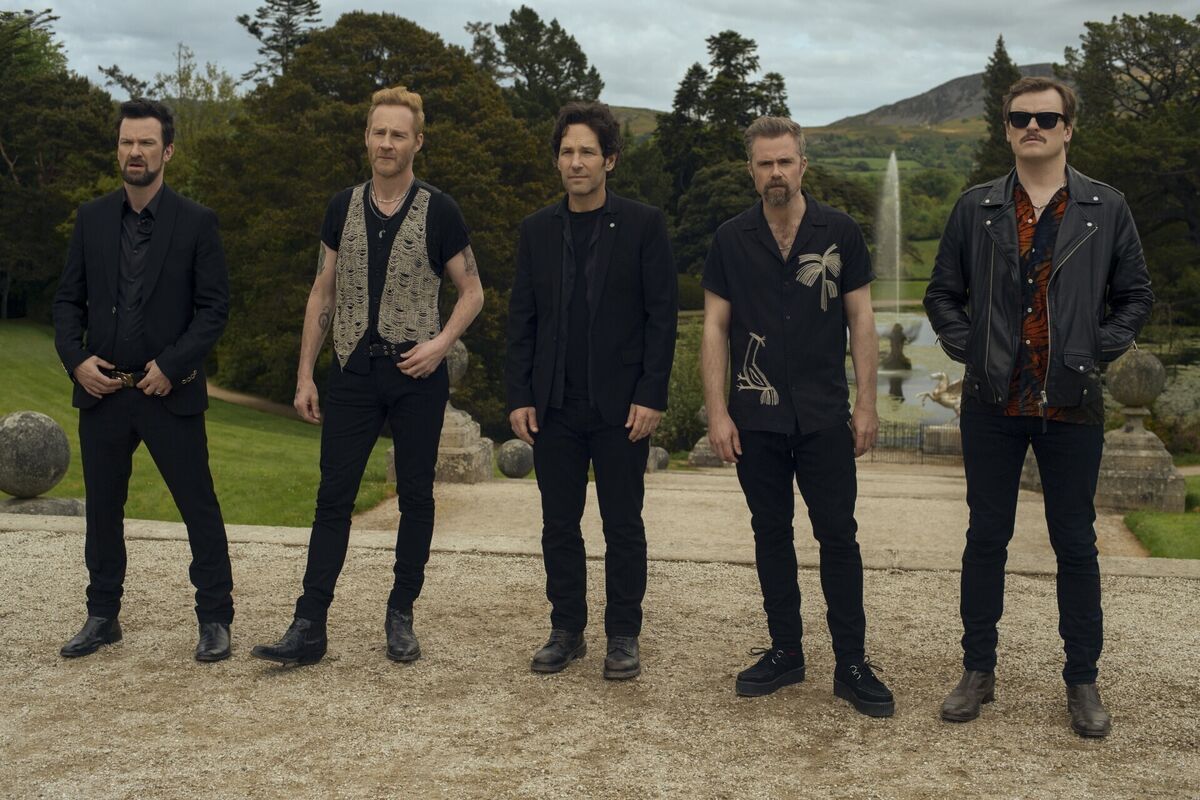
He’s at it again with Power Ballad (15A), which stars Paul Rudd as Rick Power, an American who gave up his dreams of rock stardom when he met Rachel (Marcella Plunkett) and settled down in Dublin.
Now the proud dad of 14-year-old Aja (Beth Fallon) and the lead singer with wedding band The Bride and the Groove, Rick is reluctant to share the stage when a groom asks if his old pal Danny Wilson (Nick Jonas), a washed-up boyband singer, can belt out a tune. But Danny proves to be good fun and humble with it, so when he and Rick hang out afterwards, getting drunk and jamming, they help one another out with some songs they’re struggling to finish.
Six months later, Danny’s back at No 1 in the States with the power ballad How to Write a Song (Without You). The problem is, Rick wrote the song; worse, Rick can’t prove it.
Co-written by Carney and Peter McDonald (who co-stars as Sandy, the wedding band guitarist and Rick’s best pal), Power Ballad opens as a humorous riff on thwarted ambitions (the wedding band, Rick protests, are little more than ‘human jukeboxes’). As the depth of Danny’s betrayal is revealed, however, it gradually segues into an exploration of what it means to be an artist and to be recognised for the value of your work.
Rudd is delightfully off-beat as the naive and easygoing Rick, Jonas makes for a charmingly villainous pop parasite, and both get good support from Jack Reynor, playing Danny’s cynical agent Mac, and McDonald as the chaotic but loyal Sandy.
It’s a funny and thoughtful meditation on fame and artistic agency, and How to Write a Song (Without You) — which is co-written by Carney and Gary Clark — is a hell of an earworm.
★★★★☆
Backrooms (15A) stars Chiwetel Ejiofor as Clark, a failed architect currently earning a living as the manager of a furniture store.
Puzzled by a strange light that seems to be shining through the store’s basement wall, Clark investigates further, only to fall through the wall into a vast labyrinth of interconnected rooms, all of which seem to be bizarrely out of kilter.
So begins Kane Parsons’s psychological horror, which is co-written with Will Soodik and spends most of its running time challenging the audience to believe what it’s seeing.
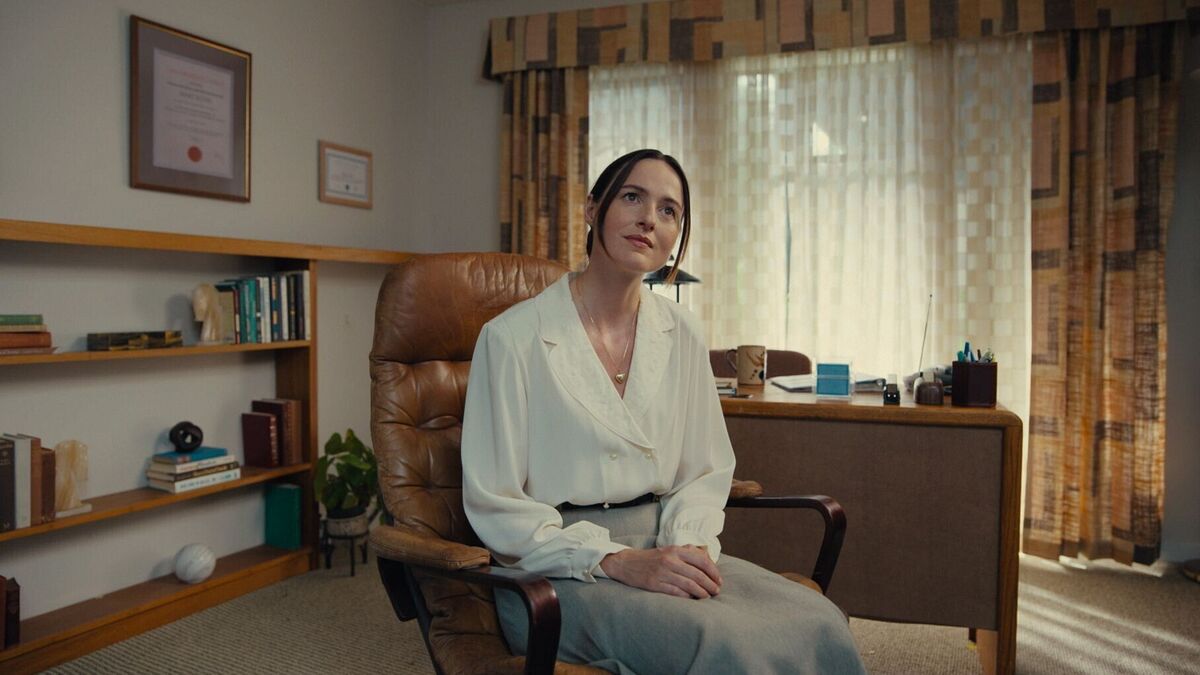
Clark, we know, is being treated by a psychiatrist, Dr Mary Kline (Renate Reinsve) and may not be the most reliable of witnesses.
The recent Exit 8 played with ideas of perceptions of space, time, and inter-dimensionality, and Backrooms pursues similar themes as Clark ventures further into a maze that may well be a construction of his own disturbed mind.
The film plays with Escherian motifs in a way that echoes the sinister spatial manipulations of the late David Lynch. Enthralling stuff.
★★★★☆
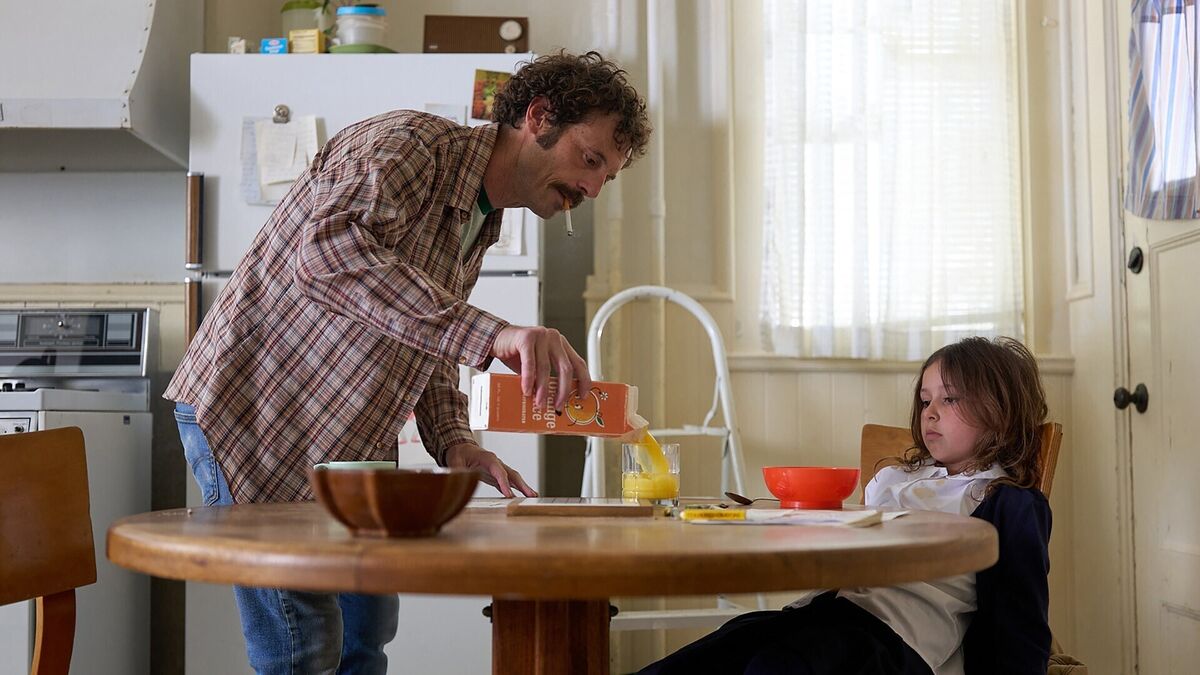
Opening in the early 1970s and adapted from Alysia Abbott’s memoir, Fairyland (15A) follows the widowed Steve Abbott (Scoot McNairy) and his young daughter Alysia (Nessa Dougherty) as they relocate to San Francisco.
In the heart of Haight-Ashbury, Steve throws himself into the world of the counter-culture and comes out as gay; meanwhile, Alysia learns to fend for herself, growing up to become a teenager (now played by Emilia Jones) whose feelings for her father are hugely conflicted.
Written and directed by Andrew Durham, Fairyland plays out against the backdrop of the post-1960s cultural shift, as the permissiveness of the 1970s gives way to the conservatism of the 1980s and the devastating HIV epidemic.
McNairy and Dougherty are both terrific as they create a superb on-screen father-daughter chemistry but Jones burns up the screen in a star-making turn.
- All theatrical releases