Book review: Eerie predictions from the past
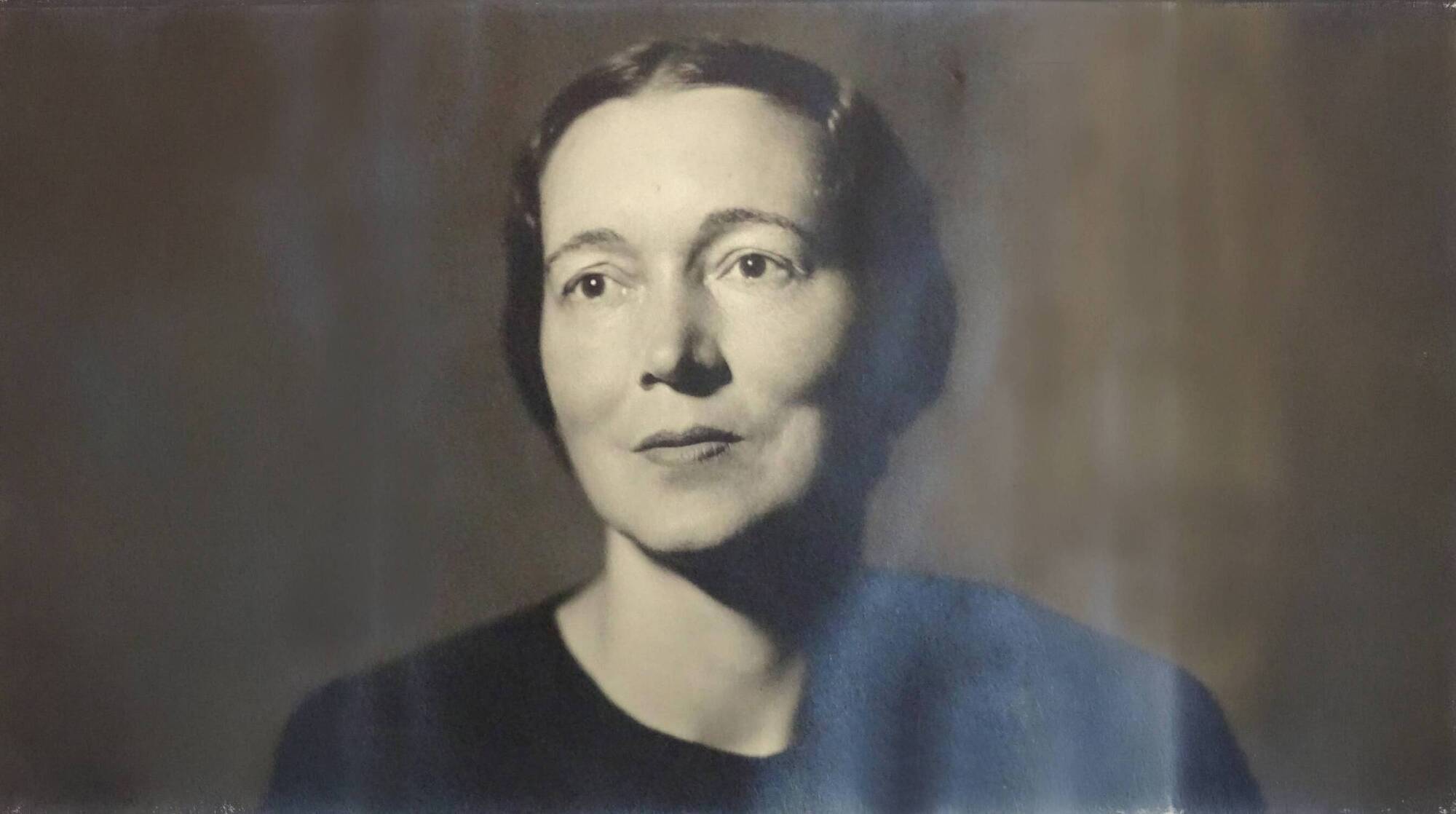
The book is an obvious reflection of the darkening political clouds gathering over Europe in the 1930s
Book review: Eerie predictions from the past

Susan Ertz’s vision of 1985 is a curious mix of the dystopian and utopian, the steadfastly old-fashioned and futuristic

  • Woman Alive 
  • Susan Ertz 
  • Manderley Press, £19.99

“I thought, if there was no future, how would we behave?” was PD James’ premise for The Children of Men, her 1992 novel, a terrifying glimpse into a future where extinction beckons due to mass infertility.
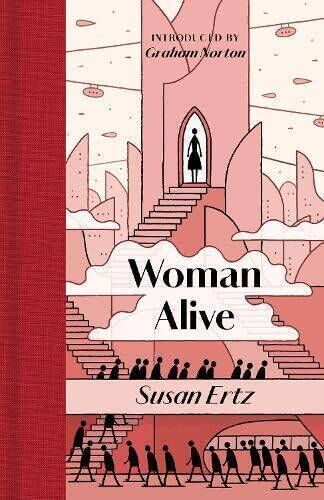
A whole six decades previously, a similar premise was pondered by the Anglo-American writer Susan Ertz in her novel Woman Alive, about the only female survivor of a gas-induced sickness which has eliminated women worldwide.

Unlike James’ novel, this intriguing piece of speculative fiction disappeared in the mists of time, something now remedied thanks to a reissue by Manderley Press, a London-based independent publisher which aims to bring forgotten titles to a new audience.

The introduction to Woman Alive is by broadcaster and author Graham Norton, a fan of Ertz, who first encountered her work when he picked up a copy of her debut novel Madame Claire, at a fête in the West Cork village of Durrus. 

Originally published in 1923, it was a success and she followed it up with numerous novels and a collection of short stories, with her last book published in 1976. 

Her 1960 novel In the Cool of the Day was turned into a film of the same name starring Jane Fonda and Angela Lansbury.

The narrative framing device is provided by Dr Selwyn, who time-travels from Britain of the 1930s to 1985 (curiously, the same year that Ertz herself died, aged 98, and also just one year off George Orwell’s 1984). 

The book is an obvious reflection of the darkening political clouds gathering over Europe in the 1930s, and apart from this particular resurgent echo, there are many other resonances for a modern audience. 

The United States of Europe — of which Britain is not a part — has split into two factions and during an act of war, a gas is released which has led to a fatal sickness affecting only women. 

However, Dr Selwyn encounters Stella, the last woman standing, who he helps to navigate the surreal situation in which she finds herself.

Ertz’s vision of 1985 is a curious mix of the dystopian and utopian, the steadfastly old-fashioned and futuristic; there are the de rigeur flying cars, yet communication is still by wireless (God only knows what Ertz would have made of what the internet unleashed).

Some of the scenarios have a bleakly comic undertone. 

She writes of how in 1985, people swim in the Thames, which has been dredged and cleaned, and fruit trees and flowers planted along its banks, perhaps providing a remedy for our approaching AI-induced obsolescence.

“This had been the task of unskilled workers for many years. For unemployment had gone on increasing with the perfecting of machinery … until finally all those who could not be absorbed by the trades made parks and beautified England instead of living idly and miserably on the dole.”

The feminist message is admirably forthright for the time; the book was described in a contemporaneous review as a “bitter indictment of male stupidity”. 

Indeed, the impassioned proclamations of the wonderfully sardonic Stella could have come directly from Valerie Solanas’ SCUM manifesto: 

“Men! Without them, how happy we could have been! We ought to have destroyed the majority of them years ago … they’ve made such an atrocious muddle of things that they deserved to die.”

Rather than the remaining men being given the onerous task of taking care of their male children, they are put in institutions where their fathers can visit them. 

While it might be a stretch to call it a love story, there is romance of sorts for Stella, who, despite her initial protestations, does eventually pair up with a man in a bid to save the human race.

Woman Alive is, like Stella, singular in its nature but is also an entertaining and thought-provoking read. 

It would also make a fine addition to any bookshelf, with a distinctive cover by the renowned cartoonist and illustrator Tom Gauld and the carefully considered aesthetic that is a hallmark of Manderley Press — a much-needed reminder of the book as an object of beauty as we drown in an ever-increasing dungheap of AI slop. 

I’m sure Ertz would have approved.

x

BOOKS & MORE

Check out our Books Hub where you will find the latest news, reviews, features, opinions and analysis on all things books from the Irish Examiner's team of specialist writers, columnists and contributors.


More in this section

Scene & Heard

Newsletter

From music and film to books and visual art, explore the best of culture in Munster and beyond. Selected by our Arts Editor and delivered weekly.

Cookie Policy Privacy Policy Brand Safety FAQ Help Contact Us Terms and Conditions

© Examiner Echo Group Limited