Contestants, new rules and boycotts: Everything you need to know before the Eurovision final
The 70th edition of the singing contest will be held in Vienna, Austria, this evening
Contestants, new rules and boycotts: Everything you need to know before the Eurovision final

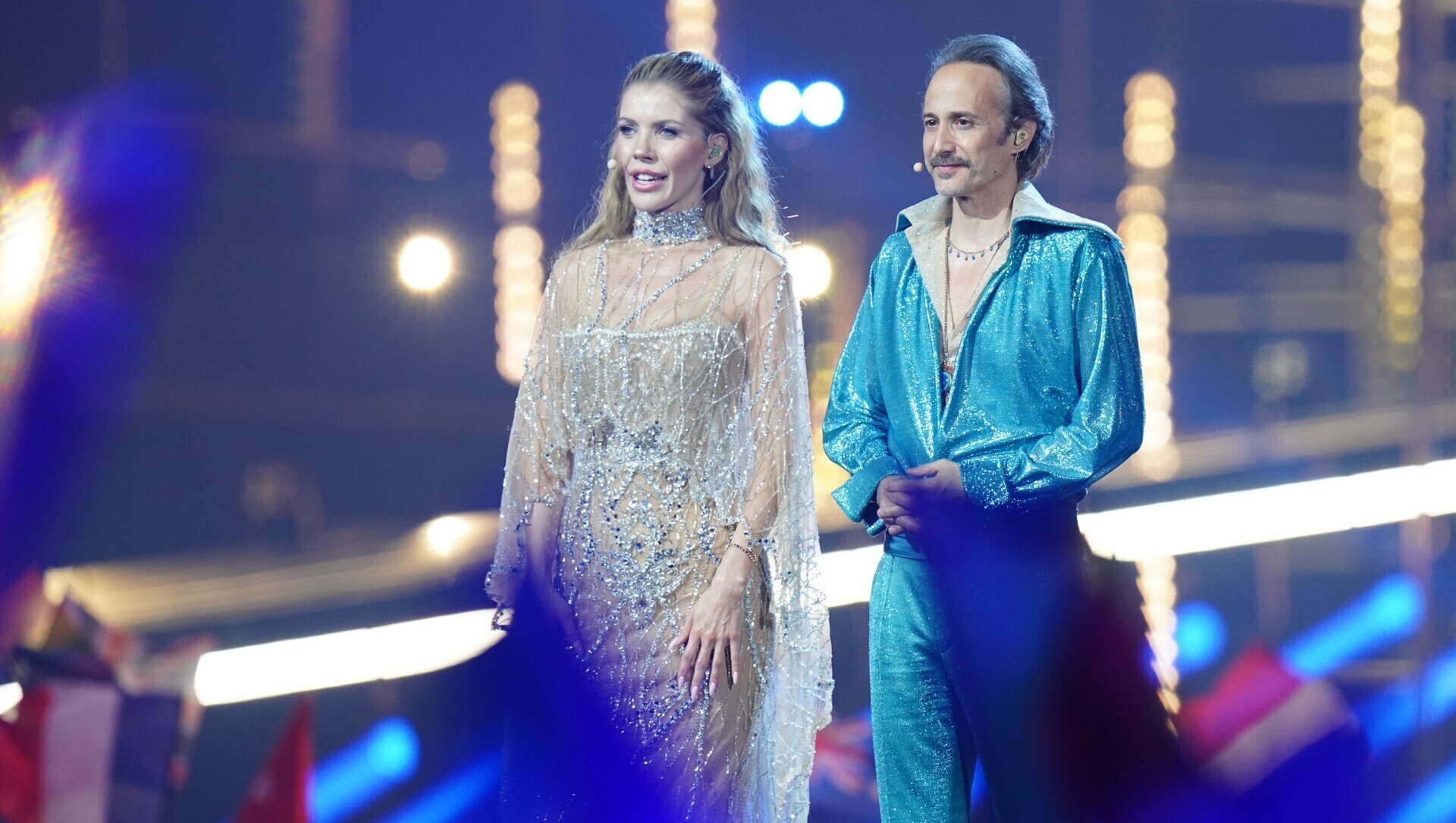
Presenters Victoria Swarovski and Michael Ostrowski during the second semi-final for the Eurovision Song Contest. Picture: Ian West/PA Wire.

The Eurovision Song Contest final will see 25 countries perform as they bid to be crowned the Eurovision 2026 champion.

The 70th edition of the singing contest will be held in Vienna, Austria, this Saturday.

When will the Eurovision final take place?

The grand finale of the Eurovision Song Contest, and the 70th edition of the contest, will take place in Vienna this evening.

Who will be performing?

The competing countries in the grand final will be Albania, Australia, Austria, Belgium, Bulgaria, Croatia, Cyprus, Czechia, Denmark, Finland, France, Germany, Greece, Israel, Italy, Lithuania, Malta, Moldova, Norway, Poland, Romania, Serbia, Sweden, Ukraine and the UK.

The first semi-final, held on Tuesday, saw Estonia, Georgia, Montenegro and Portugal miss out on their dreams of Eurovision glory following a public vote.

Veteran pop star Boy George was also eliminated, having joined San Marino’s entrant Senhit to perform the song Superstar, which he co-wrote.

The second semi-final on Friday saw Azerbaijan, Luxembourg, Armenia, Switzerland and Latvia voted out of the competition.

Ireland, Iceland, the Netherlands, Spain and Slovenia are all boycotting the event due to Israel’s inclusion in the contest amid its actions in Gaza.

Following a meeting of European Broadcasting Union (EBU) members in December at the Winter General Assembly in Geneva, RTÉ announced it would not send an entry to Vienna on account of Israel’s participation.

It has described their inclusion as “unconscionable”, because of Israel’s conduct during the war in Gaza.

Israel’s inclusion 

Noam Bettan performing Michelle for Israel

While standard procedure continues in the run-up to Eurovision 2026, organisers are gearing up for the largest boycott of the song contest.

Israel has already been handed a formal warning for an ad encouraging fans to vote the maximum 10 times allowed for their country, which organisers said was not in the spirit of the competition.

Meanwhile, Israel’s Eurovision entry Noam Bettan was booed by the crowd during his performance in Tuesday’s semi-final.

The 28-year-old made it through to Saturday’s final after receiving a mixed reception from the crowd before his performance began, with some members of the audience shouting, and later booing during the quiet moments of his song Michelle.

A number of protests reportedly took place in the Austrian capital this week over Israel’s inclusion in the contest, and there is a pro-Palestine concert set to take place on Friday.

Earlier this week, human rights group Amnesty International criticised the European Broadcasting Union (EBU) for its failure to suspend Israel from the song contest, as it did with Russia following its full-scale invasion of Ukraine in 2022, calling it an act of “cowardice” and a “blatant double standard”.

Who are this year’s favourites?

Soren Torpegaard Lund from Denmark performing  during the second semi-final. Picture: Ian West/PA Wire

Current favourites of the competition according to betting odds tracking website Eurovion World include: Finland’s Liekinheitin by Linda Lampenius x Pete Parkkonen, Greece’s Ferto by Akylas and Denmark’s Før vi går hjem by Søren Torpegaard Lund. Israel’s Michelle by Noam Bettan is currently tracking sixth.

New rules 

During the Winter General Assembly of the EBU in December, members voted on rules intended to prevent governments and third parties from overly promoting entries in order to sway the result.

Who will present on the night?

The final will be presented by Austrian stars Victoria Swarovski and Michael Ostrowski, and the opening act will see 2025 winner JJ showcase his vocal abilities alongside 40-plus dancers and acrobats.

Then the competition kicks off, with the 25 entries taking to the stage one by one. During the voting period, three interval acts will perform: Eurovision All Stars, who will perform iconic songs from the contest’s history to celebrate the 70th anniversary; Austrian electro-swing icon Parov Stelar, who is showcasing his distinctive dance sound and striking visuals; and Austrian Eurovision legend César Sampson will perform Billy Joel’s Vienna.

Where can I watch?

RTÉ, along with broadcasters in Spain, the Netherlands, Iceland and Slovenia, will not be televising the event.

During Saturday's final, RTÉ will show Father Ted’s Eurovision-themed episode A Song For Europe, where priests Ted and Dougal perform  My Lovely Horse, as part of its boycott of the contest.

The full contest is set to be broadcast on the official Eurovision Song Contest YouTube channel.

Meanwhile, Irish presenter Angela Scanlon will join the BBC’s coverage of the contest alongside Rylan, with grand final commentary from Graham Norton.

More in this section

Scene & Heard

Newsletter

From music and film to books and visual art, explore the best of culture in Munster and beyond. Selected by our Arts Editor and delivered weekly.

Cookie Policy Privacy Policy Brand Safety FAQ Help Contact Us Terms and Conditions

© Examiner Echo Group Limited