Film reviews: 500 Miles is a profound road-trip to the heart of the human condition
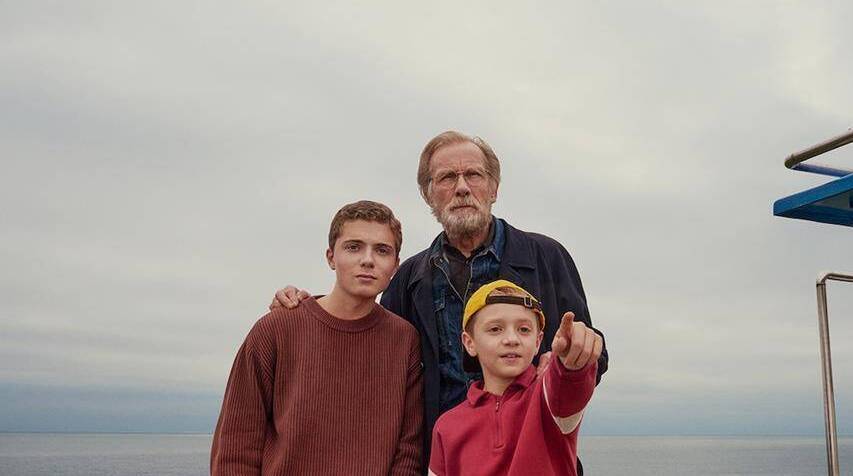
Eoin Duffy, Roman Griffin Davis, and Dexter Sol Ansell in '500 Miles'
★★★★☆
Home is where the heart is, and the further away it is the more like home it can feel.
(12A) opens in Sheffield, where teenager Finn (Roman Griffin Davis) is horrified to overhear that his parents Julie (Clare Dunne) and Ben (Eoin Duffy) are separating; worse, Ben is taking Finn’s younger brother Charlie (Dexter Sol Ansell) with him.
Determined not to be separated, the brothers run away from Sheffield to Dingle and the sanctuary provided by their beloved grandfather John (Bill Nighy), pursued by the terrified Julie and Ben, who have no choice but to park their pain and work together again.
Adapted by Malcolm Campbell from Mark Lowery’s novel Charlie and Me, and directed by Morgan Matthews, subtly blends a number of themes into Finn and Charlie’s epic trek.
As the boys navigate their way to Kerry via trains, ferries and buses, the irrepressibly ebullient Charlie and the sober, conscientious Finn cope with the devastating news of their parents’ separation in their own way, a theme echoed by Julie’s estrangement from John, which appears to be rooted in her anger at how John failed to care for her mother Molly (Deirdre Monaghan), who succumbed to dementia in her later years; meanwhile, Kait (Maisie Williams), a busker returning home to Ireland, embodies the kindness of strangers as she takes the underage boys under her wing.
Bill Nighy is reliably dotty as the grandfather who has never quite forgotten how to revel in childish joys, but the film largely revolves around a superb performance from Roman Griffin Davis, whose Finn seems mature beyond his years as he chaperones his younger brother across the Irish Sea and into the Southwest, all the while suppressing his wounding sense of loss.
Funny, profound and tender, is a road-trip to the heart of the human condition.
★★★★☆
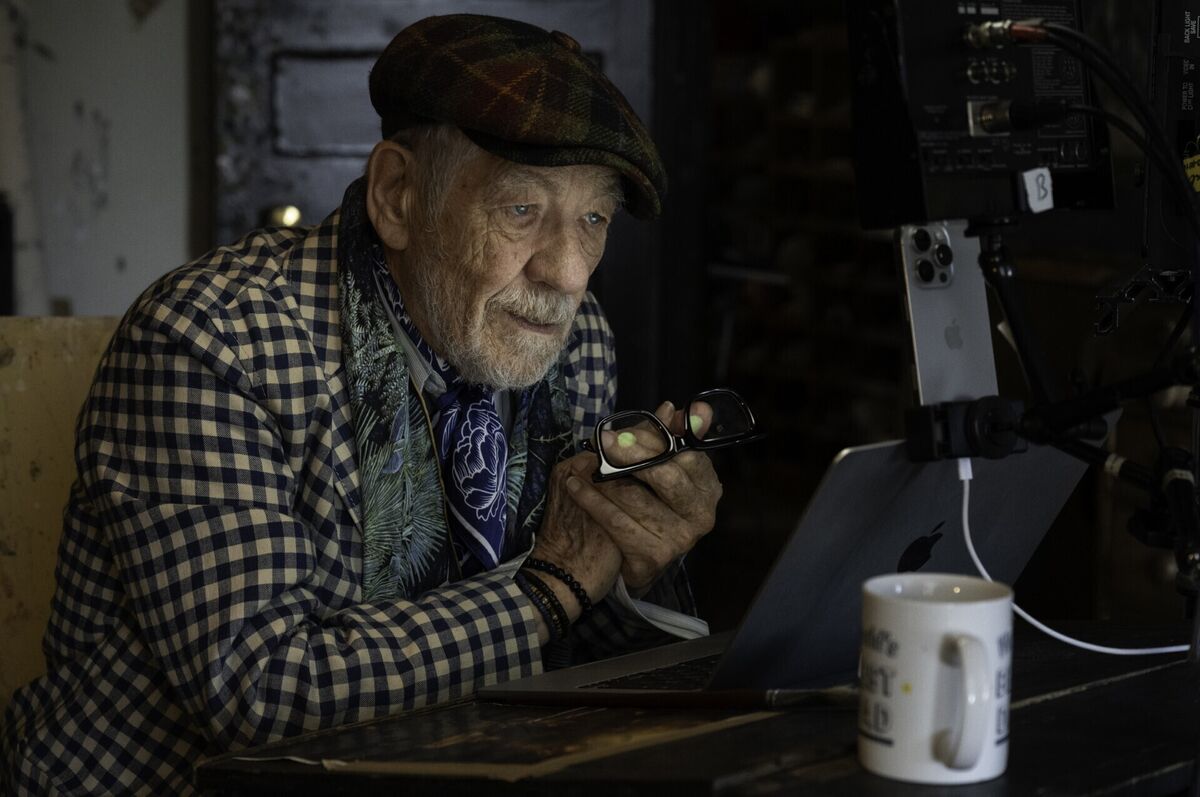
(15A) are portraits, worth millions, painted by the artist Julian Sklar (Ian McKellen) back when he was the enfant terrible of the London art world. Commissioned by Sklar’s son Barnaby (James Corden) and daughter Sallie (Jessica Gunning) to ‘restore’ — i.e., forge — a tranche of unfinished Christophers, aspiring artist Lori (Michaela Coel) takes a position as the washed-up Sklar’s assistant, whereupon a game of cat-and-mouse begins between the spiky, irascible Sklar and the young woman who once idolised the artist but now secretly despises everything he has come to represent.
Written by Ed Solomon and directed by Steven Soderbergh, — Soderbergh’s 33rd feature film —offers a neat bait-and-switch.
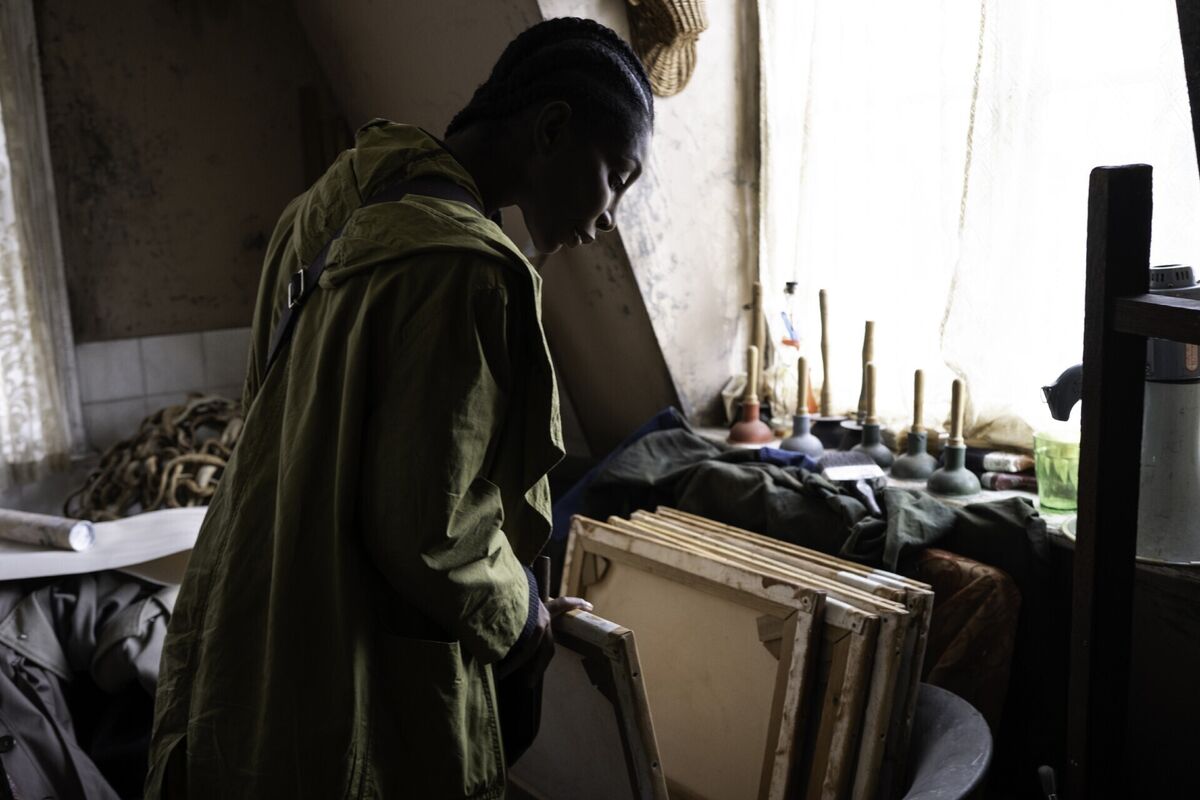
Initially a subtle variation on the heist movie, it gradually evolves into a meditation on the role of the artist and ‘the art of becoming someone else’ before digging deep into the nature of art and its function as divining rod for love, loss and what it means to create.
Michaela Coel delivers an understated performance of cool restraint, allowing Ian McKellen to dominate proceedings with a scenery-chewing turn as the chaotic, disreputable but endlessly wily Sklar.
★★★☆☆
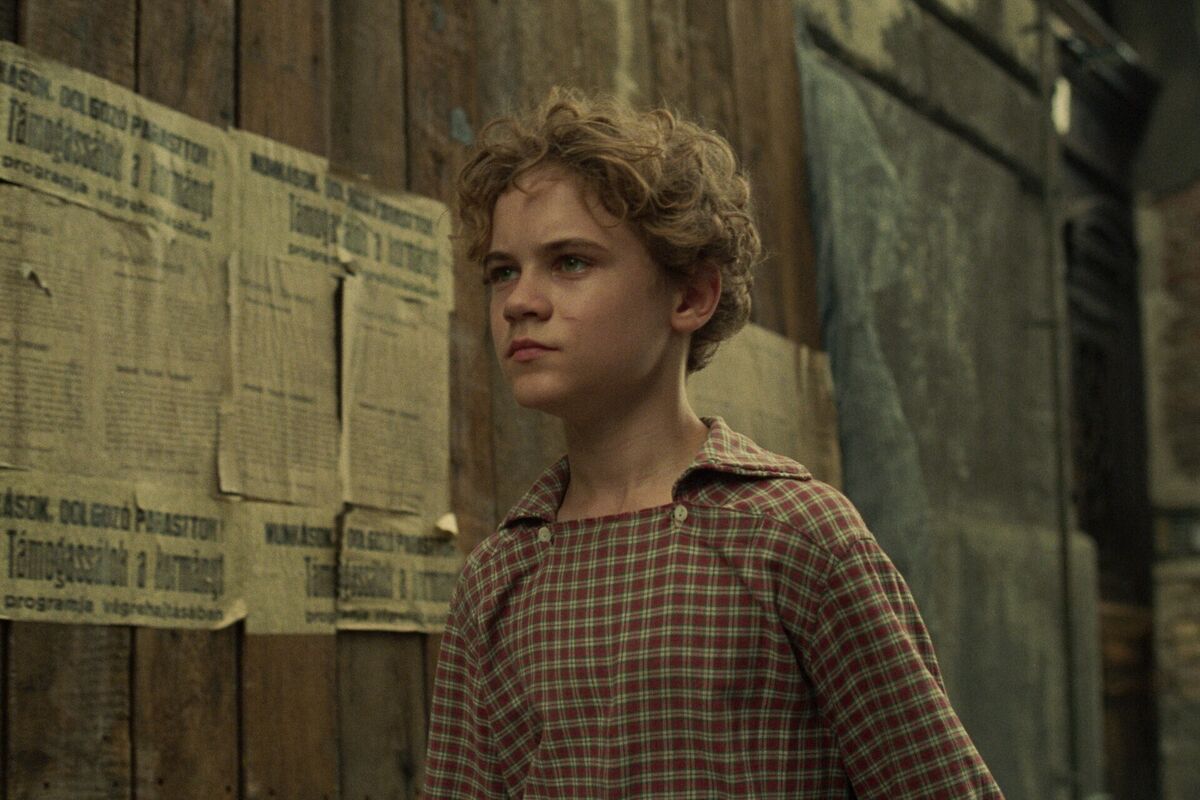
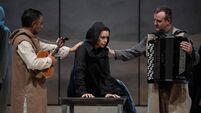
Set in Hungary in 1957, (15A) stars Bojtorján Barabas as Andor Hirsch, a sensitive boy living with his mother Klára (Andrea Waskovics) who is horrified when the coarse and overbearing Mihály (Grégory Gadebois) turns up one day claiming to be his father — Mihály, it seems, sheltered the Jewish Klára on his farm during the Nazi occupation in WWII.
László Nemes’ (Son of Saul) film sets up Mihály to personify Communist rule in post-war Hungary: where Andor idealises his absent (and presumably martyred) father as a noble hero of the Hungarian resistance to Nazi rule, Mihály is an oppressive, brutal presence who inserts himself into every aspect of Andor’s life. It’s beautifully filmed, with a superb attention to period detail, and both Bojtorján Barabas and Grégory Gadebois are strong in the lead roles, but the meandering narrative tends to leach the story of its tension.
- All theatrical releases