'It’s harder to make a living': Taxi Driver writer Paul Schrader on the changing industry
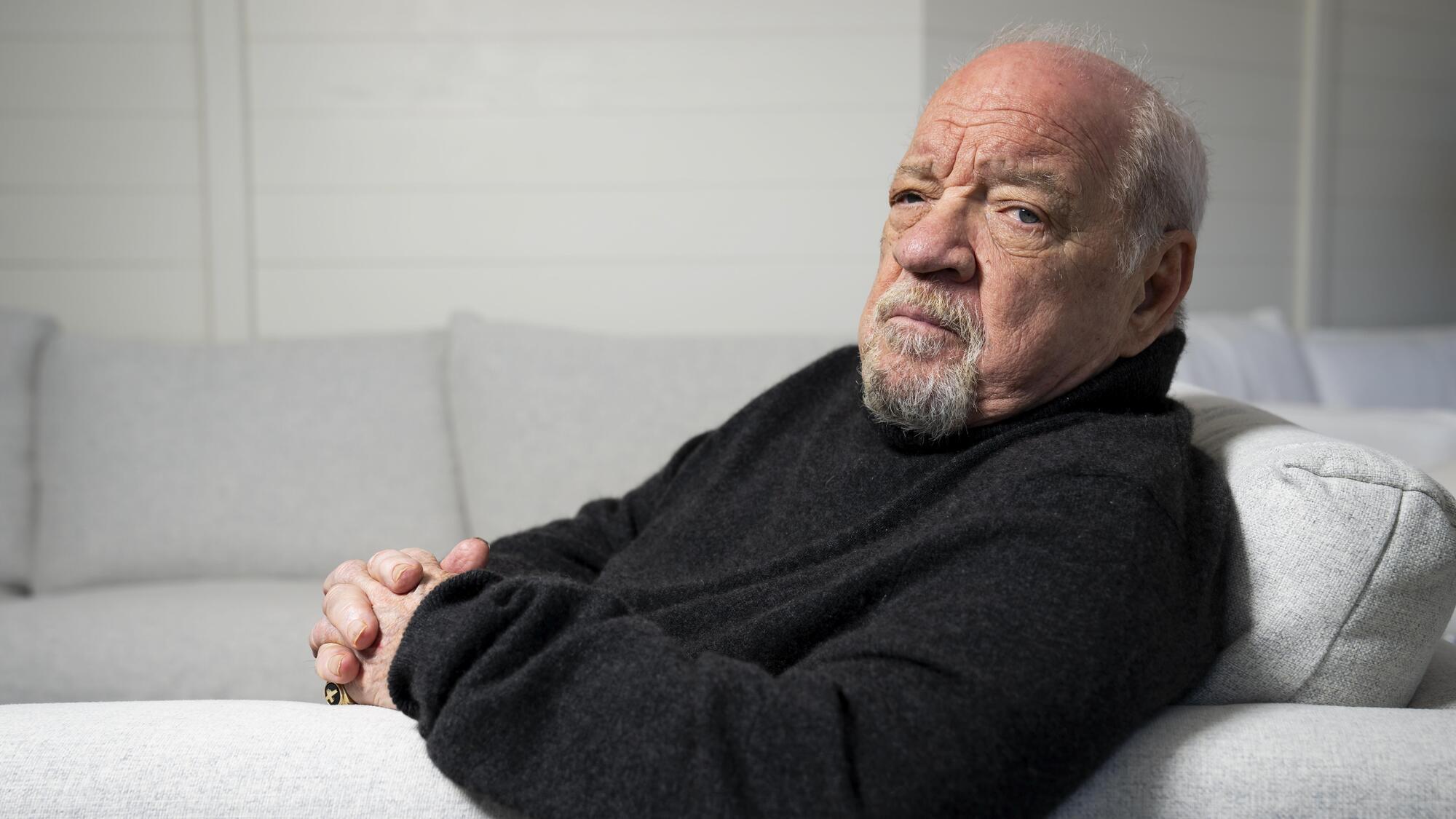
Paul Schrader in Cannes for a screening of 'Oh Canada'. Picture: Scott A Garfitt/Invision/AP
He wrote the screenplays for some of Martin Scorsese’s greatest films and pursued his own successful career as a director. For his latest feature film, storytelling icon Paul Schrader turned to the work of a renowned American author, his friend Russell Banks.
Based on Banks’ 2021 novel the film has drawn a cast that includes Richard Gere, Jacob Elordi and Uma Thurman.
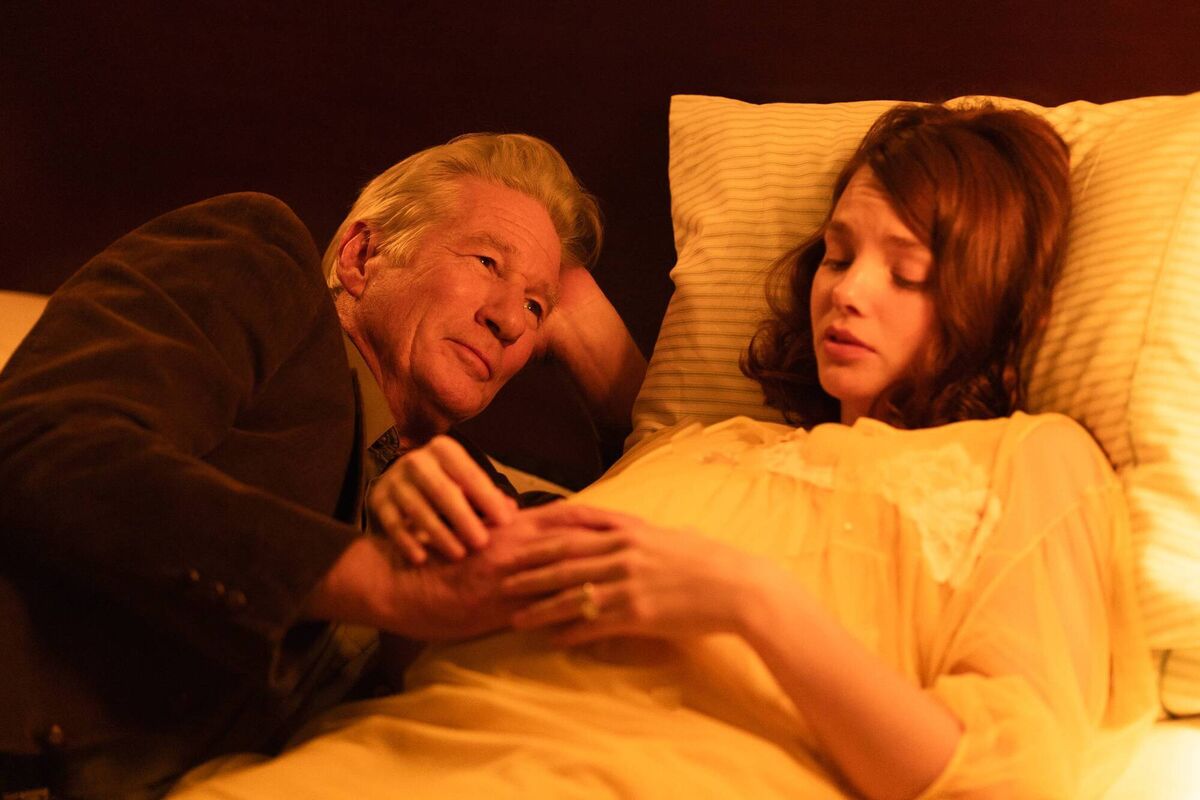
Gere plays an ageing filmmaker, Leonard Fife, who wants to tell his life story — unfiltered and in front of his wife (Thurman) — before it’s too late. He’s had lots to be proud of, but his reputed avoidance of the Vietnam War draft and past relationships are poised to reveal some difficult truths. Elordi plays Fife as a younger man.
Schrader is now aged 79, and it felt like the time was right to make a film that meditates on mortality, he says. “Russell had been a good friend since the time of [their previous collaboration] says Schrader.
“I spent a couple of weeks every summer up in the Adirondacks [New York mountain range] with him, and I was going to go up a couple of years ago, and he said: ‘Not this year’. He had cancer and was undergoing chemo, and he had written a book about the death process called
As he prepared to read the novel, the filmmaker had his own health challenges as covid left him hospitalised three times with bronchial pneumonia.
“I started thinking: if you're gonna talk about dying, you better hurry up, because you can write a deathbed poem and write a deathbed song but it's pretty hard to direct a deathbed film.”
Banks knew his friend was working on the adaptation, but succumbed to his illness in 2023, before the script was completed.
sees Schrader reunited with Richard Gere, who he previously directed in the 1980 crime thriller Gere is excellent as a man determined to assess his life in what is a layered and multifaceted film. Schrader brought the project together himself. “I get the rights from Russell, write the script, put the cast together, a little bit of money, more cast, more money, and make the film at a very tight schedule, low budget,” he says of the process.
“When I began directing, a film was about 45 or 46 days. Now it's 20 or less. This was 17. So you're literally half a budget, but you're getting more film because the technology is so improved, so it goes much faster now. If you're in the independent world, you can break through, but you have to finance it yourself, and then you go to the festivals and whatever. If it's successful with audiences, then you can make some money.”
It seems he has witnessed extraordinary changes in filmmaking over the course of his decades-long career. Has it become easier or harder to make an independent film? “It's much easier to make a film. It’s much harder to make a living,” he says, adding that massive changes in how films are produced, distributed and viewed over the course of his career means a more agile approach is needed.
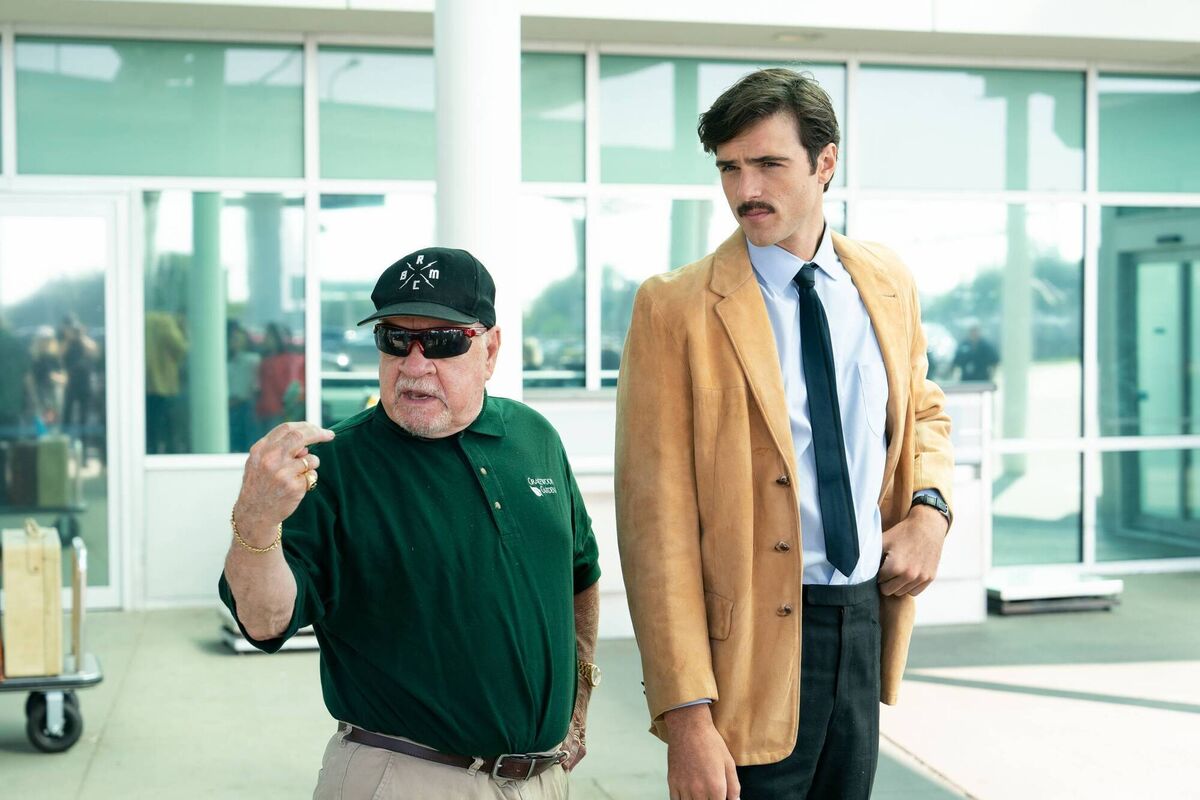
For example, Schrader hasn’t had a trailer on the set of his last three or four films, preferring to remain on set. “By the time I would get there, they would be running after me, saying: ‘Mr Schrader, we're ready’. Just because you're shooting in 20 days doesn't mean you're getting less footage. You're getting actually more footage. What you're not getting is the insights that come during downtime.
"But you know, trailer time is overestimated anyway. When you get in your trailer and you sit down, your creativity kind of shuts off. As long as you stay on the site, you're still in the scene.”
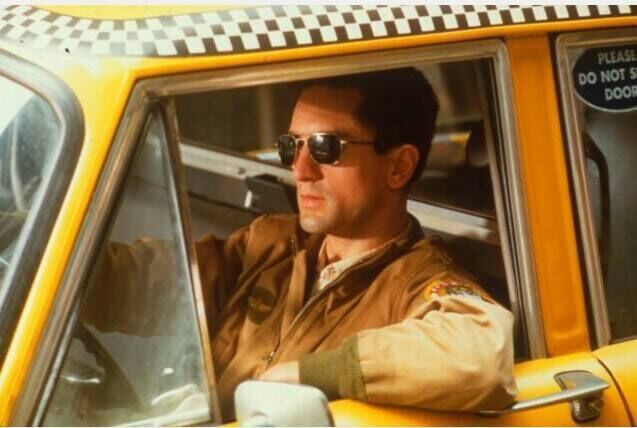
Born in Michigan, Schrader worked as a film scholar and critic before collaborating on a screenplay for director Sydney Pollack’s — a crime thriller set in Japan. That film put him on the radar of a new generation of American directors, including Brian De Palma, and an emerging filmmaker by the name of Martin Scorsese. Schrader wrote the screenplay for Scorsese’s classic and the two would collaborate again on and
He has also worked extensively as a director with films that include , , and . In 2017 starring Ethan Hawke as a minister of a small congregation struggling with personal problems, earned him an Oscar nomination for Best Original Screenplay.
Remarkably, Schrader didn’t see a film until he was in his mid-teens, as he was raised in a strict Calvinist family. He recalls sneaking to a cinema to see 1961’s and being underwhelmed by the experience (“Is this what they're prohibiting?”). A subsequent screening of starring Elvis Presley sparked his interest. The discovery of European cinema in the 1960s, featuring directors including Ingmar Bergman, Francois Truffaut, Jean-Luc Godard and Robert Bresson fuelled his love of cinema.
“The prohibition against motion pictures had been put in place in 1928, at the height of the Jazz Age, and the movies were very loose then,” he says.
In the 1930s, the Hays Code was introduced by the industry amid mounting political and social pressure. “The reason the Hays came in was that individual church groups around the country were banning movies, and Hollywood very quickly realised that if we don't establish our own standards, this will get out of control. We were one of those churches that unilaterally banned movies and that ban pretty much stayed into effect until the '60s. Once you had [Bergman films] Seventh Seal and Winter Light, you really couldn't justify movies as profane entertainment.”
Schrader hopes to weather further change as a filmmaker in the industry, with his next project already in the planning stages. “I think we're on the cusp of another big, maybe one of the biggest, changes, which is when AI starts to become part of the filmmaking process, which is happening already, and it's happening faster than people think.”
He feels change will continue in an art form that is still evolving. “It’s constantly mutating. You know, a movie used to be something that lasted about an hour and a half, a projected two-dimensional image in a dark room. That's not what a movie is anymore. Movies keep redefining themselves. The idea of the moving image is only a little over 100 years old.”
- is on digital platforms from January 12