Nouvelle Vague: Richard Linklater on his homage to French cinema, and working with Paul Mescal
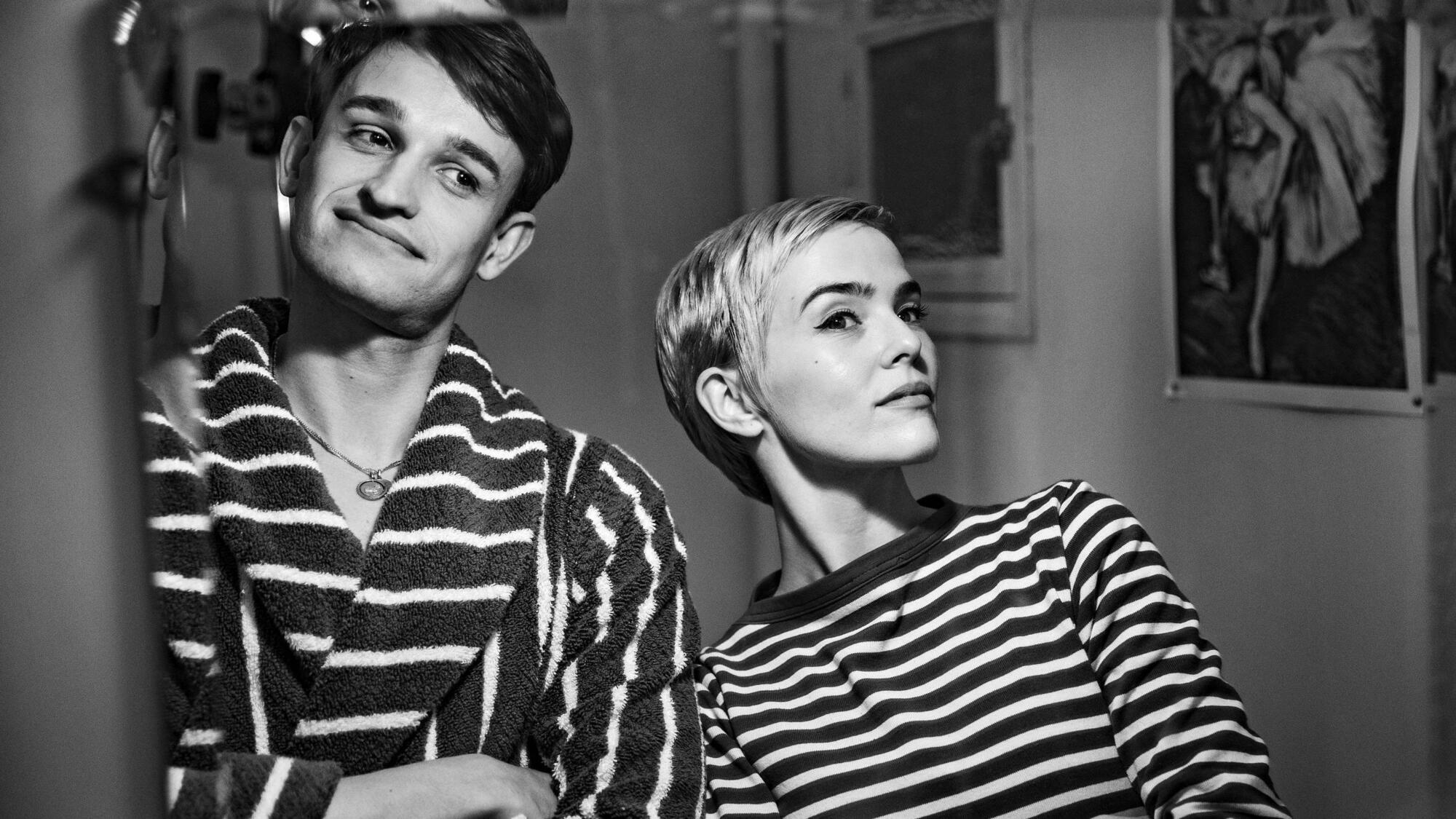
Aubry Dullin and Zoey Deutch in 'Nouvelle Vague', by Richard Linklater.
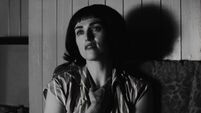
There’s a joie de vivre to , a love letter to French New Wave cinema that dances to a Parisian beat. Shot in black and white, Richard Linklater’s sassy and funny film is the story of the making of (Breathless) told in the very spirit and style of that original film.
Though cinephiles will be in their happy place, you don’t have to be familiar with New Wave cinema to enjoy being whisked away to 1960s Paris in this colourful tale. From the cool contrarian Jean-Luc Godard (Guillaume Marbeck) to his leading lady Jean Seberg (the uncannily similar Zoey Deutch) Linklater’s film brings these personalities and the sense of time and place vividly to life.
That the American filmmaker, who doesn’t speak French, pays homage to cinema in another language is all the more impressive. “It's strange, I would have never attempted this movie even 20, 30 years ago,” he says now.
“I’ve been to France a lot, though I don't even try to speak the language because I got tired of getting laughed at! They appreciate the effort, but then I'm making a movie, I don't have time to.”
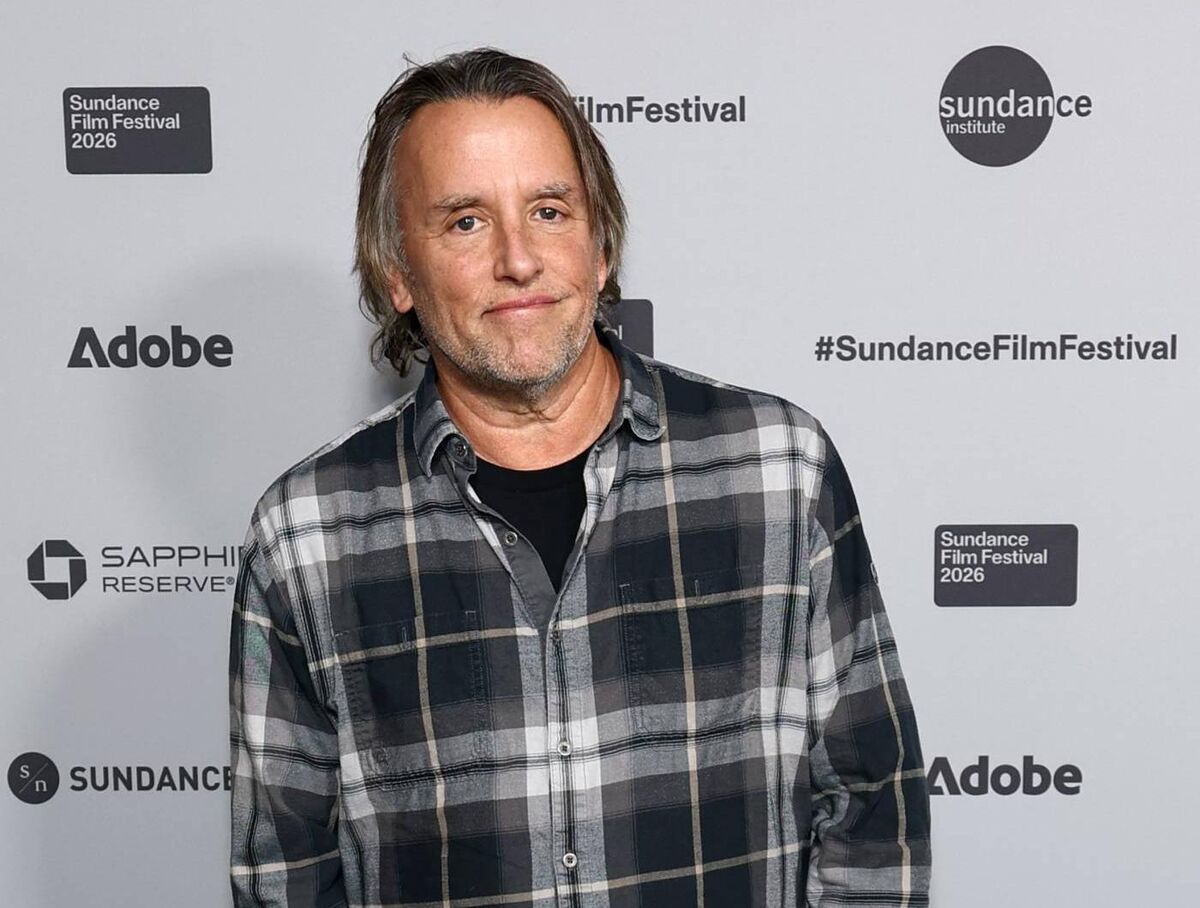
Working with a bilingual cast and crew where English was widely spoken meant he could communicate with everyone. “We built around a whole system. My script supervisor and producer were my backup. It's fun — you get very visually attuned. This is a visual experience for me. When you don't have one sense, your others are more attuned. I was looking so closely at the performances, and I know what they're saying, but I'm seeing an English subtitled movie in the frame, in my head.”
Leaning into the making of , the cast and crew of Linklater’s film within a film make for fun company as they strive to embrace the notoriously unconventional approach from Godard. “Where better to get transported to in history?” says Linklater of Paris in 1960, adding all filmmakers since that time have some sort of relationship to the French New Wave.
“It's inevitable that you feel that. I'm a couple of generations removed. It feels like when I was getting into the in the '80s, first discovering them, reading books, seeing the films, they symbolise something liberating about cinema. It wasn't just the techniques and the styles, it was also, I think, the attitude about what a film could be. A film could be an essay. A film could be a little personal thing.”
He feels it freed up cinema in the same way the US Beat writers did in literature. “Instead of writing some big novel about something important, you could just do it about your own life, a trip you took across the country, personalising the stakes. You could just make a film about what was going on in your head.”
Filming on location in Paris was a no-brainer, and revisits many of the locations featured in , widely regarded as a movie classic.
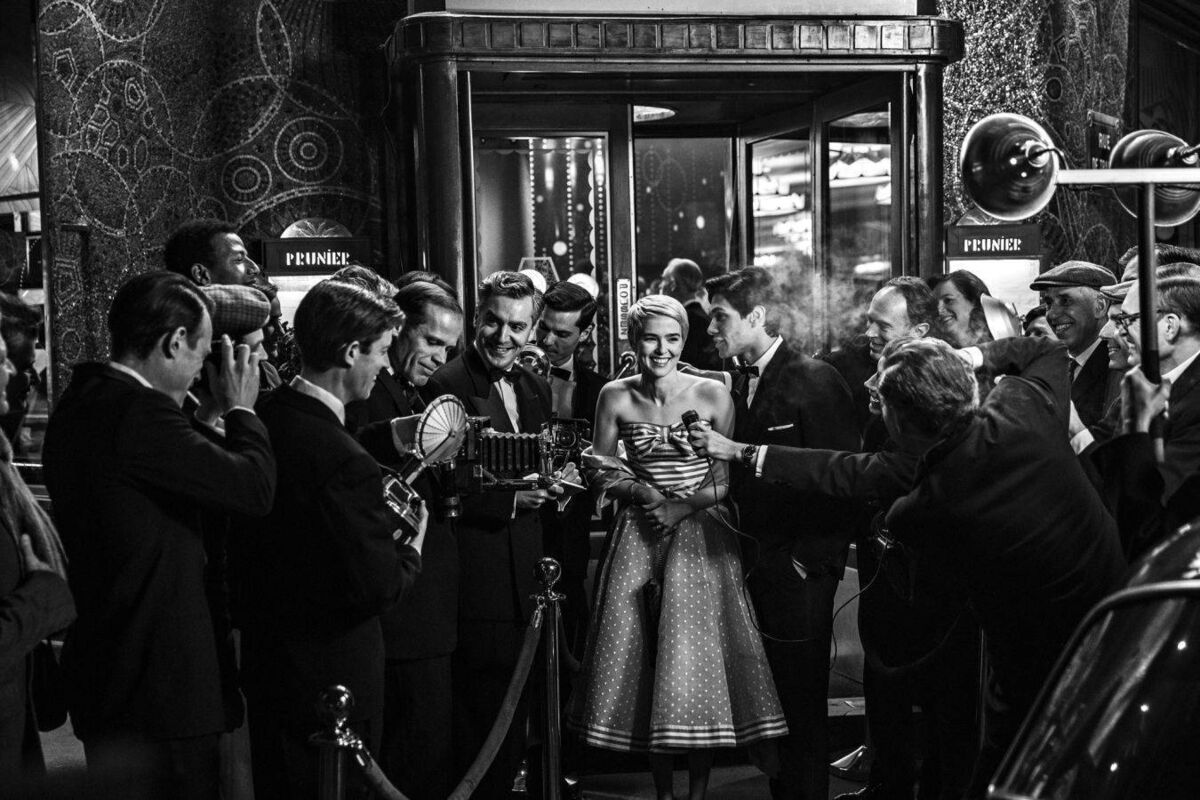
“There was one place to make this film,” says Linklater. “The whole film is a bit of a magic trick visually. The first floor of Paris is commercialised and different. But from then on, those Haussmann buildings and the whole vibe of the city is pretty well preserved as big cities go, more than most. Paris was very generous to us.”
New Wave filmmakers including Godard, François Truffaut, Claude Chabrol and Éric Rohmer brought a sense of freedom that he has always been inspired by, Linklater says. “Truffaut writes very eloquently about this in the '50s — it’s punk rock. It's probably the closest film got to punk rock. But they dressed so nice, they were so fashionable. There were no safety pins. They were so French.”
From Huston, Texas, Linklater’s own sense of storytelling freedom has made him one of the most admired and versatile filmmakers of his generation. It’s evident in a career spanning more than three decades, from early comedies like and , to the greatly loved trilogy, which saw Ethan Hawke and Julie Deply fall in love on a train, reunited years later in two follow-up films.
The fun brought him to younger audience while saw him work in animation. The remarkable , shot in segments over the course of 12 years, charted the course of a boy’s family life from childhood to the cusp of adulthood.
A project that Linklater is working on with our own Paul Mescal sounds even more extraordinary in its timescale and ambition. In recent years, he has been working on an adaptation of Stephen Sondheim’s classic , a musical comedy set over a 20-year period. The director and his cast will film at regular intervals over 20 years to reflect the characters ageing over that period of time on screen.
“It's such an unusual journey,” says the filmmaker. “We've all set sail together into uncharted seas. We do know where we're going — we have a good map, that great Stephen Sondheim map. Quite an adventure. I got great, great mates on board here. We're having fun.”
Mescal, currently playing Paul McCartney in Sam Mendes’ four-film Beatles project, has been meeting Linklater on the film festival circuit. “Paul's film is out so I saw him a little bit — it's fun to just cross paths at film festivals, he's out there with Hamnet. But I think he's pretty solidly in Paul world now — when I say Paul, I mean McCartney, I probably won't see him for a while.
"I'm just so glad to have met him when we did, and that he had the interest. You think you know someone by seeing them in something, but you really don't — their skill set kind of reveals itself over time. I'm enjoying that with Paul, people's perceptions of Paul, just how gifted he is in so many areas.”
Linklater has become familiar with Irish talent in recent years — as well as working with Mescal, he filmed his Oscar-nominated film on these shores. It tells the story of lyricist Lorenz Hart, who faces his future at the opening night party for his former partner's hit show The film is set in a famous Manhattan restaurant which was constructed for the Irish shoot. “We had to recreate it. It's more fun and artistic, I think, to recreate.”
What was the experience like of making it in Ireland? “Wonderful, wonderful. We had the best time, a great crew.”
- is now in cinemas