Culture That Made Me: Irish author Emma Donoghue selects her touchstones
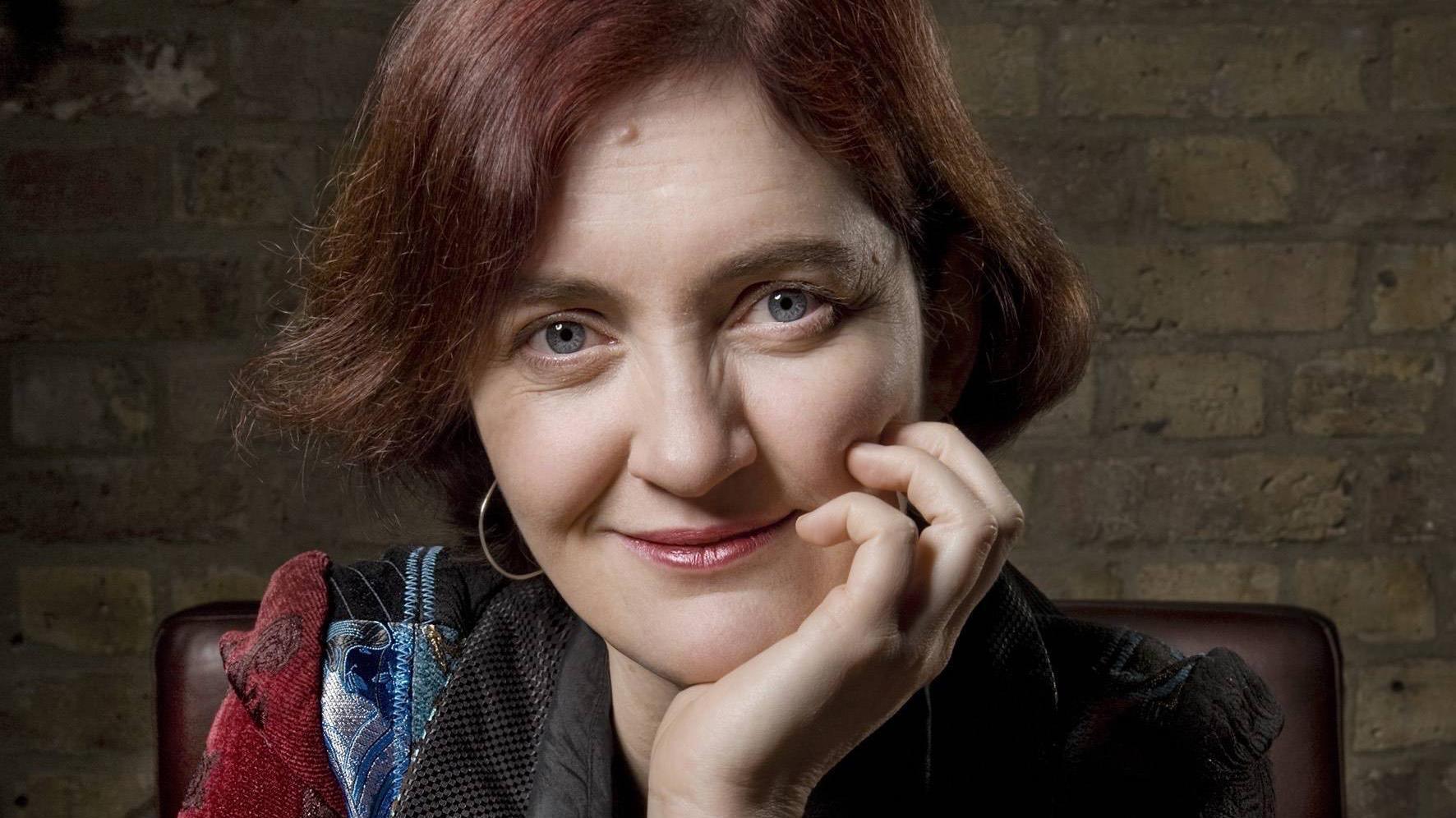
Emma Donoghue recently published her latest novel, The Paris Express.
Emma Donoghue, 55, grew up in Mount Merrion, Dublin. Her father was the literary critic Denis Donoghue. In 1994, she published her debut novel Stir Fry. She followed it up a year later with Hood, the first of several international literary award-winning books. In 2010, her novel was shortlisted for the Man Booker Prize; in 2016, her adapted screenplay was nominated for an Oscar. Her latest novel, , is published by Simon & Schuster.
Grimms’ Fairy Tales
Growing up, I loved books of fairytales from around the world and spotting the repeated motifs. I went on a sleepover once when I was about eight and I insisted on bringing Grimms’ Fairy Tales. I was clearly a social loser!
I didn’t want to be stuck there without something to read. It was great, meaty stuff – women are punished by being put in barrels studded with nails and hot-iron shoes. There’s nothing Disney about fairytales.
They're earthy because only the best stories are passed on by oral tradition. If you tell a dull story nobody's going to remember it and repeat it. It’s a great filter: is this story truly gripping?
Great Expectations
I'm a huge Charles Dickens fan. I've probably been through all of Dickens two or three times. is an amazing book with lots of ambiguities and memorable, thrilling characters.
It’s about Pip, a poor boy who gets a mysterious benefactor sending him money. It's about class mobility, like many of the great novels. It's also about tragic love, being in love with this horrible girl, Estella, who’s going to break his heart. A fantastic novel.
His Dark Materials
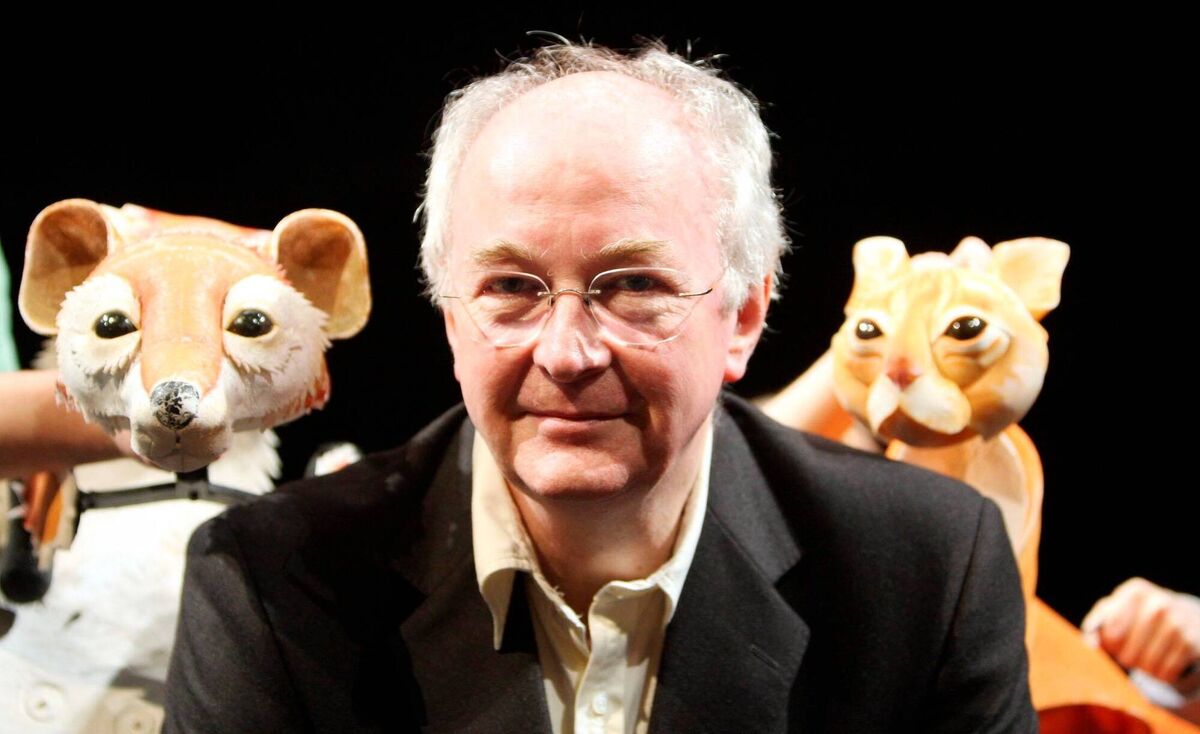
I give Philip Pullman's trilogy to people because it's technically children’s literature. Some adults think they're not into that stuff. I hate when adults think of young people's literature as not relevant to them. It’s an epic fantasy trilogy. The stories are gripping and dark. The third one is influenced by Dante's with this trip into the underworld. They’re fantastic.
Stephen Jay
I read popular science bestsellers – about economics, geology, microbes or viruses – with open-mouthed excitement. If I have insomnia at night, I'll read something by, say, Stephen Jay Gould about evolution. I love his writing.
He starts with details but then he extracts broader concepts. He'll take something like the angle of a flamingo’s jaw. Then he'll draw out the conclusion – we’re not neatly designed, us organisms, by a capital “C” creator.
We’re cobbled together. Our bodies have leftovers like, for example, the appendix. Well-written science is helpful when you're writing a novel, a play or a film because you need a variety of forms of knowledge.
Invisible Women: Exposing Data Bias in a World Designed for Men
A book I hark back to is by Caroline Criado-Perez. She’s a British writer. It's about data science and how most things are designed for men. A steering wheel is more likely to stave in my ribs than a man’s because they’re designed for men. Phones were designed for men to take pictures with one hand; they don’t suit typical women’s hands. There's a reason for centuries of famous male pianists because pianos were designed for the breadth of the average male hand. The book’s encouraging too. It's not just a list of complaints. On her blog she'll reach out to manufacturers and say something like, “Do you realise that doesn't work for the average female pelvis?”
Salomé
A play I encountered in my late teens was Oscar Wilde’s . It wasn’t so much the play as the production that struck out. It was at Dublin’s Gate Theatre in 1988. It was directed by Steven Berkoff. Olwen Fouéré was stunning in it. It blew my mind. It was not the form of theatre I was used to, which was fairly naturalistic chats. It was very stylised. Olwen is an actor of such power.
Musical theatre
I go swimming a couple of times a week. I always have musical theatre soundtracks on my underwater MP3 player. I listen to, say, Stephen Sondheim’s soundtrack or by Anaïs Mitchell.
You have time underwater to listen to all the tiny details because musical theatre songs have so much in them to listen to. They’re elaborate storytelling devices. They're not like pop songs that say the same things over and over.
Observe the Sons of Ulster
Another play I saw in my teens was Frank McGuinness’s . I'm working on something about World War One now and I still hark back to that play, and the fascination of all these lives on the brink of battle. It’s probably one of the first plays I saw with a gay theme in it. To have it on in an Irish theatre blew my mind. I love that play.
Brian Friel
The central trick in Brian Friel’s is there's a second actor playing the teenage protagonist’s inner self. I have borrowed from it in, for example, the Abbey Theatre stage adaptation of my novel . captured the teenage experience, the restlessness and the way you are – you’re two selves. You can manage a bubbly outer self, and then there's your inner self going, “Nobody loves me. I'm a loser. I've got a big spot on my nose!”
Chernobyl
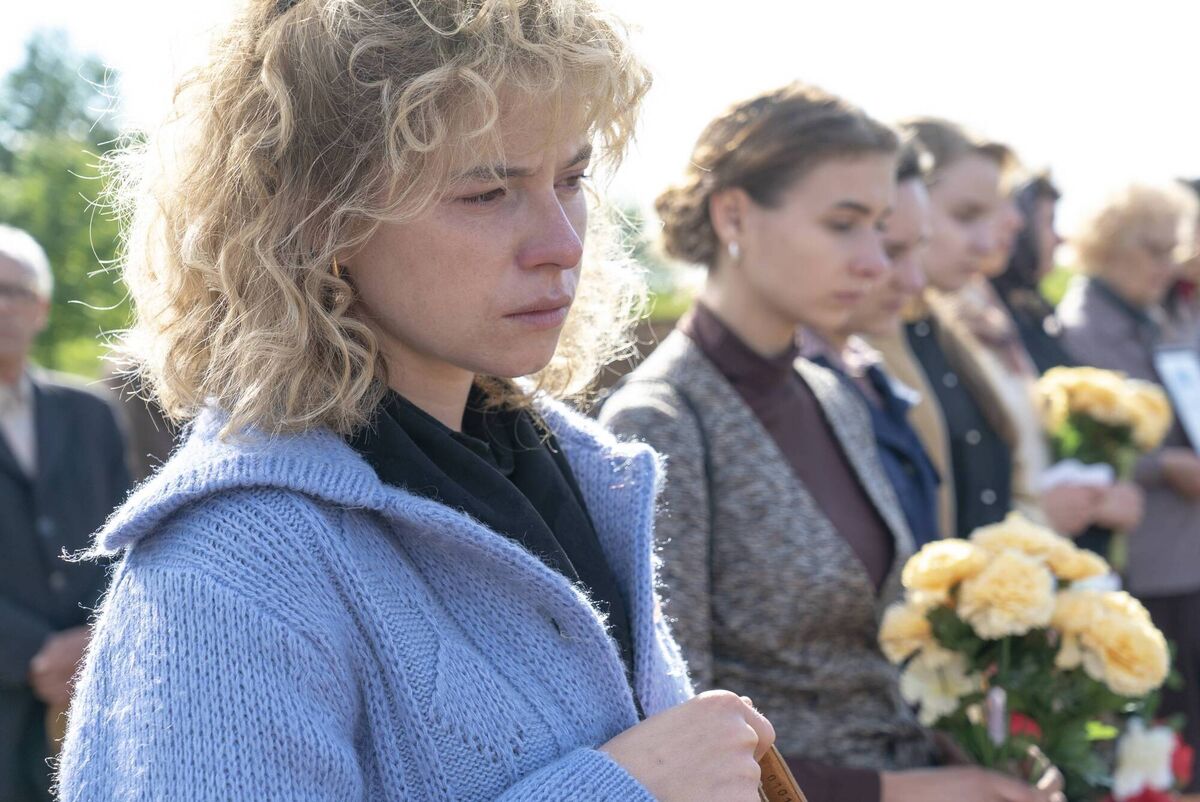
The Chernobyl miniseries was excellent. It has long silent sequences where the viewer is watching the nuclear reactor burn. It was like epic cinema.
It didn't have that usual TV rhythm of jumping to chatty conversations about what was happening. It was high in its ambitions. Chernobyl would win over many people to serious TV.
The best storylines, from Shakespeare on, are full of specifics of their situation and yet they apply to other situations. Those scenes in Chernobyl where the Soviets sit around saying, “I don't know. Should we refer this to another meeting?” The bureaucratic paralysis. Everybody is afraid to say what they’re thinking. We've all been in meetings like that.
Slow Horses
Slow Horses is a show I rave about. It’s about spies, but we expect spies to be glamorous, speedy, highly competent and international. It’s about spies but it’s also in the tradition of British comedies about losers.
It has moments of being like Father Ted for Spies. Their building is squalid. Their boss is always leaving filth all over his desk. It’s got this self-deprecating humour. It’s got action sequences where they do manage to save the world so it's a lovely combination of genres and so well written.
Hoop Dreams
I remember as a classic documentary. I'm not sporty, but a good documentary manages to make you interested in things and people you wouldn't usually have any contact with. Hoop Dreams follows several kids who want to be successful in basketball.
You get involved in their stories. It’s a riveting study of things like racism and poverty, but what's clever is that it anchors it in these particular teenagers – you care about their knee injuries and their mothers and so on. It's lovely.