Bressie on ten years of mental health activism: 'Sometimes, you have to drop your ego'
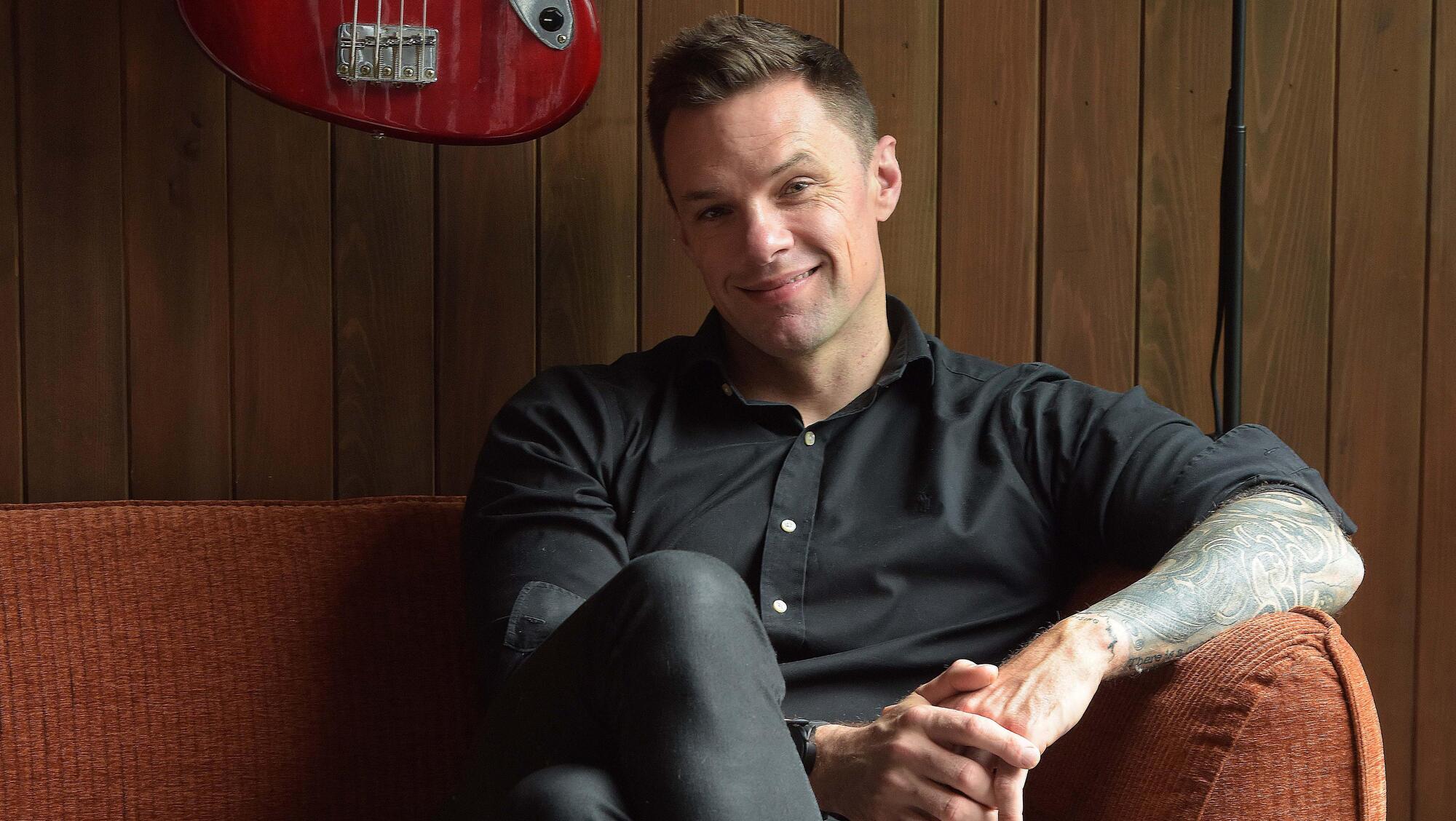
From musician to mental health campaigner, author to PhD student, Niall Breslin wants to use his platform to make real change. As he publishes his fifth mindfulness book for kids, he sets out his mission with Aoife Barry
 Bressie, at home. Pics: Moya Nolan

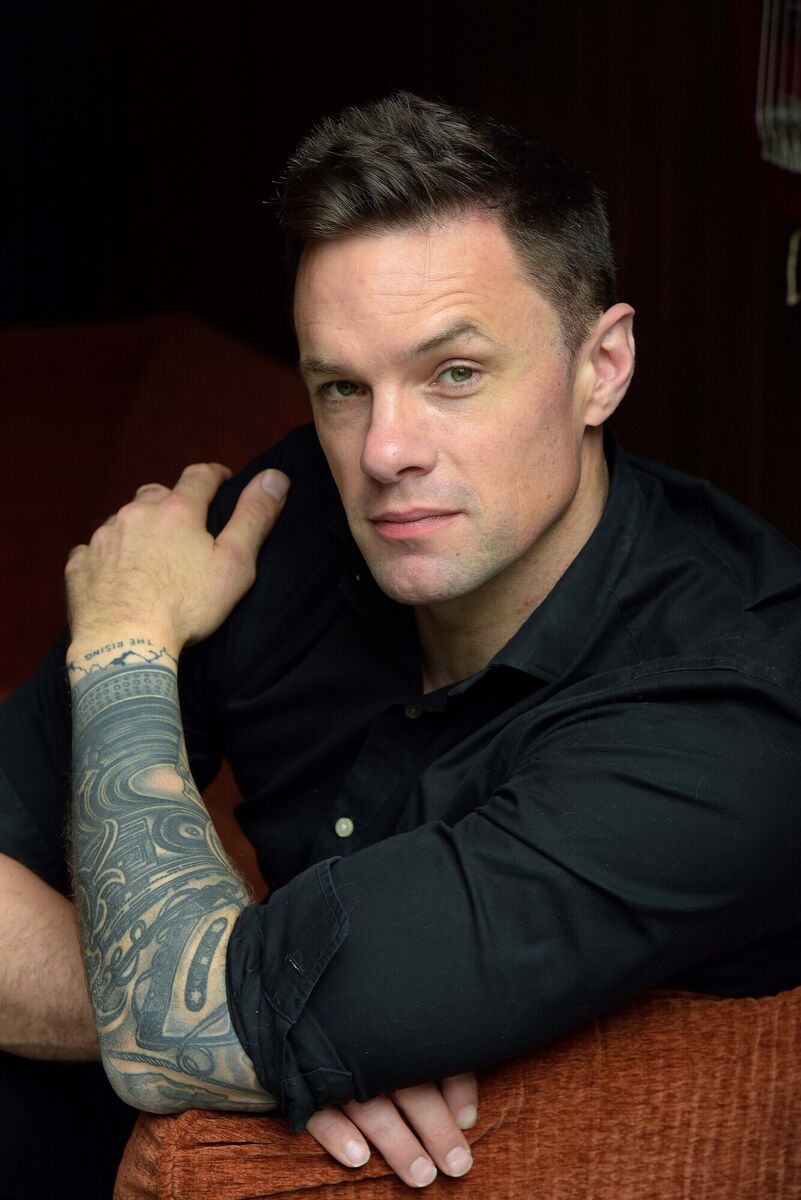
Bressie, at home. Pics: Moya Nolan

Ten years ago, Niall ‘Bressie’ Breslin, former Leinster rugby player, musician with The Blizzards and Voice of Ireland coach, went public about his longtime struggles with his mental health.

As his career had been on the rise, he had been dealing behind the scenes with generalised anxiety disorder and debilitating panic attacks.
In 2013, it was unusual for an Irish celebrity to be so honest about their mental health. 

So in speaking out, he helped open the door for other well-known Irish figures — and men in particular — to talk about mental health.

Breslin’s career has taken some unpredictable turns since then. First, he set up ‘A Lust For Life’, a blog where people could share their mental health stories. 

It is now a mental health charity that runs programmes in 1,000 primary schools. 

He undertook an MSc in Mindfulness-Based Interventions and used that to inform a series of children’s books.

The latest book — his fifth — Follow My Lead (published by Gill Books), is out now. It’s why we’re meeting in the plant-filled kitchen of the home he shares with his partner, chartered psychologist Louize Carroll.

Today, he looks fit and youthful; his left arm has a sleeve of music-related monochrome tattoos. 

Over coffee, talk turns to the many topics and passions that are occupying Breslin’s mind right now.

For starters, there’s the PhD he’s doing at Trinity College Dublin. “I’m totally out of my comfort zone — it’s a lot of learning,” says Breslin. 

One of the galvanising reasons behind the PhD was his shock over the interim report into the HSE’s Child and Adolescent Mental Health Services (CAMHS) at the beginning of 2023, which highlighted issues including long waiting lists.

“I didn’t want just to be shouting about it,” he says. “I wanted to see what’s a potential, progressive thing we can do here.” 

His PhD hypothesis is ‘Can early prevention and intervention disrupt the current mental health system?’

 Bressie: “Young people not seeing any hope for themselves in the country that they love — can they buy a home, can they actually afford rent? Are they gonna have to leave?” 
Bressie: “Young people not seeing any hope for themselves in the country that they love — can they buy a home, can they actually afford rent? Are they gonna have to leave?” 

For his other work, he produces the popular podcast Where Is My Mind?, which focuses on “teaching the audience to think critically about their situation”, and features interviews with people like Dr Tony Bates and renowned meditation teacher Sharon Salzberg.

While he does think personal responsibility around mental health is important, he nonetheless says: “I think we need to start looking wider now, and I think that’s why [change is] difficult, because I don’t think society is ready to turn a lens on itself yet.”

Breslin emphasises that a lot of the issues around mental health are also driven by power structures, government, inequality and equity.

“Young people not seeing any hope for themselves in the country that they love — can they buy a home, can they actually afford rent? Are they gonna have to leave?” 

These are big issues, and Breslin’s thinking on them continues to evolve. “The way I thought 12 years ago around mental health is entirely different now,” he says. “I think sometimes you have to drop your ego.”

He used to place a lot of emphasis on the individual, but he has started to look outside of himself in recent years. 

“My dad was in the army. My mum was a teacher. I had a quintessential middle-class country upbringing, so I wasn’t ever affected by inequality, inequity or poverty,” the Mullingar native points out.

He learned more by speaking to people like Senator Lynn Ruane about issues like classism and drug use in Ireland. Through other people’s experiences, Breslin has been able to see the differences in how mental health issues manifest themselves.

“You start to see a different side to issues like addiction and you stop getting clouded by your own subjective experience,” he says.

While he’s critical of how the government treats mental health and how its mental health budget is spent, he says: “I don’t think politicians don’t care about this. I really don’t. I actually think a lot of them do — they’re human. I think it scares the shit out of them.”

So would he go into politics himself? “I would rather eat my shoes,” he laughs, as his much-loved dog Stevie (who has her own Instagram account) whines for attention in the background. 

“And it’s not because I don’t think politics is important. I’ve seen good people go into politics and get the life sucked out of them.”

Later, he tells me that while there is too much eagerness to label people politically, he would regard himself as centre-left: “I’ve definitely got socialist views, but I’ve also got views where I think things like social democracy and elements of capitalism can work.”

His way of thinking about the world has extended to how he thinks about fame and attention. Though he’s been in the public eye since his 20s, he has very clear boundaries now around things like social media. 

“The metaphor I use is that the social media companies are Roman lords in the Colosseum watching us rip each other limb from limb for their entertainment — or their bank balance,” he says.

He left X, formerly Twitter, a year ago, but stayed on Instagram.

“If I’m being perfectly honest, I would love to get to a point in my career where I can just literally walk away from [social media].”

He puts part of this shift down to being in his mid-40s and not feeling the need to ‘perform’ all the time. He’s also begun to focus more on real-life relationships. 

“There are people who connect with you for different reasons [than social media] and I find when I get really overwhelmed I need to detach and go meet those people. Those people who literally don’t give a fuck about what they think of you. They just want to have a chat or conversation,” he says.

For him, this connection is a form of mindfulness.

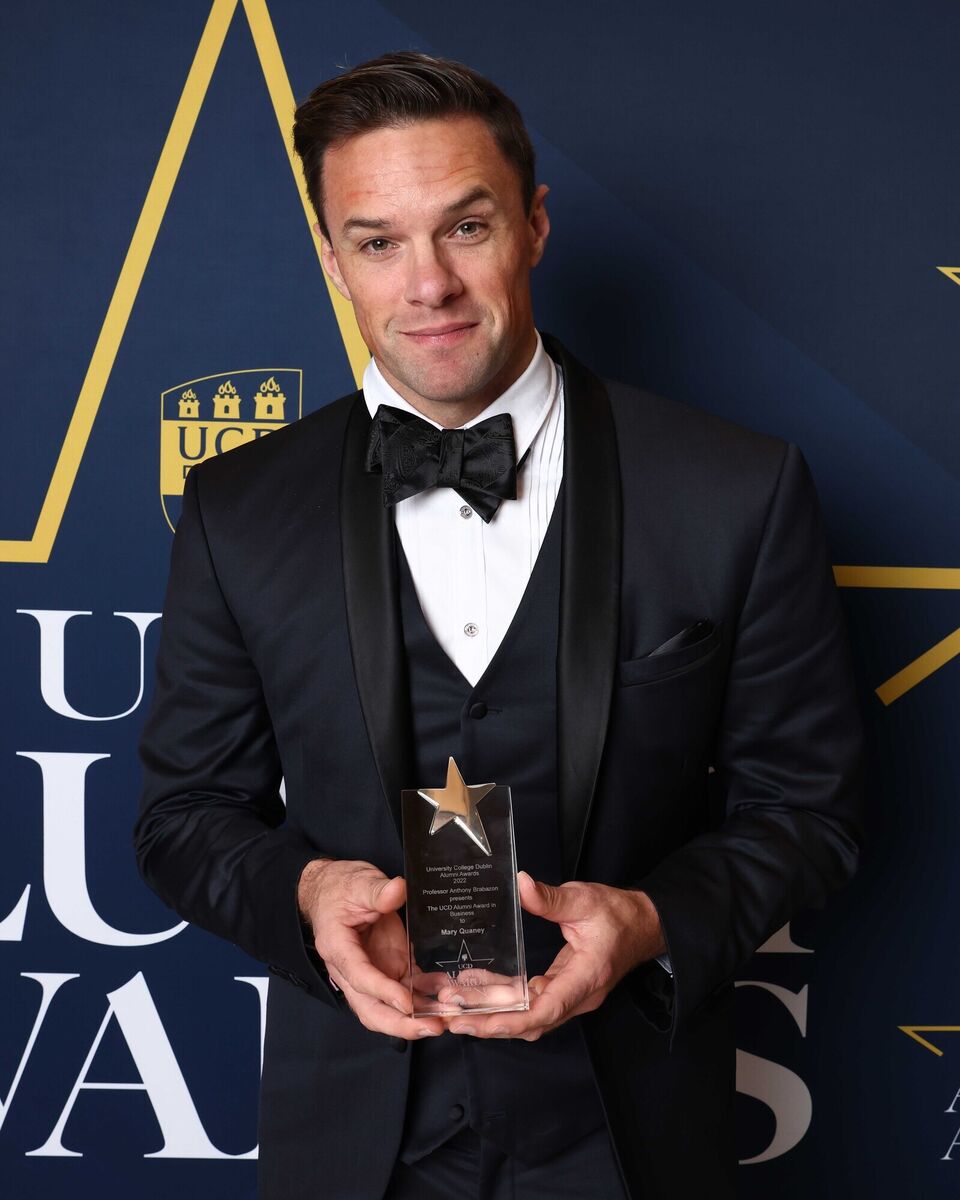
 Niall Breslin, after being recognised at the 2022 UCD Alumni Awards. Pic: Marc O'Sullivan
Niall Breslin, after being recognised at the 2022 UCD Alumni Awards. Pic: Marc O'Sullivan

Another change is that he no longer wants to do entertainment television. 

This stems from his experience on The Voice of Ireland. Being in the band The Blizzards (who have released four albums) “was grand, but we weren’t famous — you could still walk down the street”, he says. “Everything changed when I did The Voice.” 

Overnight, he found his autonomy was gone. Though he loved working with his co-stars and enjoyed the experience overall, he found the element of audience ownership over him tough going.

He also used to have to take beta blockers to prevent panic attacks on the show. 

He wasn’t afraid of being on live TV: he was afraid of potentially having a panic attack. 

The impact of this is detailed in his brutally frank memoir Me and My Mate Jeffrey, which was published in 2015. “I made one promise to myself when I finished it. I’m never ever doing [entertainment] television again.”

It was a conversation with Hot Press about a song on his second solo album Rage and Romance (2013) — ‘Silence is Your Saviour’ — that had him divulging the story behind his mental health to journalist Stuart Clarke. 

“I’d like to tell you it was easy,” says Breslin while reflecting on that time. “I found it really difficult, challenging, but ultimately incredibly rewarding. But I was in the midst of it all at that time. And I think the hardest thing I found about it was people assumed I knew what I was doing.”

One thing that helped was developing his own value system. At the core of his values is family. “Every decision I make has them at the front of my mind,” he says. These values also led to him going back to academia, and to lean into his creativity.

Looking to the future, Breslin says he doesn’t want to be happy — he wants to be content. This is part of what he hopes to teach children through his books like Follow My Lead: that “being uncomfortable is part of life”.

“The sheer focus of my mindfulness work with children is to give them the language of emotion,” says Breslin. “Get them to sit with that slight discomfort, but more importantly give them the function of how to do that.”

Breslin is particularly concerned with children’s mental health post-pandemic. “What we’re seeing now with young children is we’re pathologising them, we’re medicalising them and we’re saying ‘oh, wait, we’ve had a pandemic and your kid is anxious’.

“Of course, your kid is anxious, it’s been a shitshow,” he says. For him, in some children, post-covid lockdown anxiety is actually a healthy response.

“And we’ve got to step in and start teaching the tools to deal with that anxiety and overwhelm. Then there are kids who have more complex issues and need bigger help,” he adds. 

“People who may be neurodivergent [for example]. And if we can assess them early and then design intervention from that assessment early, the difference that makes to that child’s life is gargantuan.”

Follow My Lead takes some inspiration from his dog Stevie and tells the story of a young girl called Sam who finds her mind getting overwhelmed easily. 

Her father teaches her how to take some inspiration from her pet dog. “The mind is busy like a puppy — don’t get angry with it, gently and compassionately bring it back,” explains Breslin.

But he knows that his books are just one component of supporting children. “Then we have to look at other areas of peer support, structural support in schools… But if you can empower kids to be better guardians of their own minds, we’re onto something.”

Though he has changed and grown as a person, Breslin doesn’t want people to think he has it all figured out. He’s no guru, he emphasises.

“I don’t know what I’m doing half the time,” he shrugs. “I have not figured this shit out — anyone who tells you they have figured this all out is lying to you.”

  • Follow My Lead by Niall Breslin and illustrated by Emma Proctor is published by Gill Books. A Where Is My Mind? live nationwide podcast tour is ongoing throughout October and November. For more details visit niallbreslin.com.

x

More in this section

Scene & Heard

Newsletter

From music and film to books and visual art, explore the best of culture in Munster and beyond. Selected by our Arts Editor and delivered weekly.

Cookie Policy Privacy Policy Brand Safety FAQ Help Contact Us Terms and Conditions

© Examiner Echo Group Limited





