Darkroom leads to a brighter life for Cork photographer
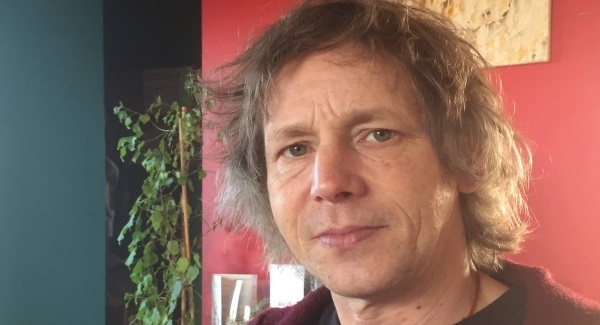
Cork photographer Kieran Tobin’s battle with depression led him to photography, and a career that has brought him much joy, writes
Cork photographer Kieran “Tubs” Tobin has processed some pretty dark subject matter in his day and, fittingly, he finds the darkroom is the place to do it.
Tobin has battled depression since he was in his early teens.
“I had a bad attack when I was 20 and, when I was 27, I had four years where suicide really felt like the easy option,” he says. “But you have to keep fighting, because if you give in, it’s over. I was on Seroxat, Lexapro, Prozac… but photography became the best medicine I ever had. What was once an ailment is now an inspiration.”
At 30, unable to work due to his depression, Tobin bought his first film camera and enrolled in the photography course in St John’s College of Further Education. It was a turning point in his life, though he struggled to complete the course, deferring his second year.
However, it would lead not only to his art, but also to his livelihood.
“The darkroom technician was leaving and I was asked to volunteer until they found someone else,” he explains. “That was in 2003, and I’m there ever since. It’s without a doubt the greatest job: Nearly 15 years on, it’s still a joy to go to work. I’m really lucky. I’m one of only a handful of darkroom technicians left in the country.”
Film as a tactile medium is what excites Tobin. Using experimental darkroom processes to transform his photographs into atmospheric one-off artworks that combine portraiture with painting, Tobin applies photographic chemicals, the dye from markers and even sweets to his photographs. “It’s all about ‘what if?’” he says.
He pulls out one print that has an area of vivid, almost luminous yellow next to a nude female form, and smiles. “This is actually M&Ms,” he says. “I soaked them in water and got this yellow colour, so I ground up the shells of the sweets and painted them on.”

He has a darkroom at the house he shares with his wife in the countryside outside Midleton, Co Cork. “I spend every Saturday in the darkroom,” he says.
“With blak and white, you can work with a red safety light, but with colour you’re working in complete darkness.”
“It’s very hit and miss; with colour chemicals, the temperature needs to be at 37-38 degrees. The chemicals are quite pungent and extremely dangerous to be around, so I have to wear a ventilating mask and goggles; the colour will vary if the chemicals drop in temperature.”
Tobin frequently makes self-portraits, a way, he says, of exploring issues relating to his own vulnerability, mental states and identity.
However, the collection of prints he’s exhibiting as part of Cork Photo Festival are female nudes; portraits of friends for the most part.
“I grew up in a Catholic family in Ireland in the ’80s,” he says. “The body was looked upon shamefully. You’d go to the beach and stand there and shuffle around under a towel, trying to dress and undress.”
Is this a political crusade, then, or a personal one? “I’m doing it for myself,” he says. “The church doesn’t have much of a pull on the country anymore, but it still lingers in things like the abortion debate and the marriage-equality referendum.”
Ironically, Tobin’s quest against the censoriousness of an Irish Catholic background is mirrored in the digital world; three of his images have been banned by Instagram for violating community guidelines.
“You can’t show a penis on Instagram,” he says, smiling. “I do a lot of self-portraits and I’d black out areas to put up the print, but it seems the algorithm works that even if there’s a blob of paint, it goes, ‘you’re hiding something’, and bans it anyway.”

For many photographers, Instagram is the platform of choice, and Tobin says it’s an important platform, worth him digitising his work to share, but he feels there are double standards at play in the Facebook-owned platform’s “community standards”.
“One of my German models put up an image of her walking past a window, where the light was falling on the curve of her buttocks. It got banned, but if you search for #Twerking, there’s girls twerking their backsides in an in-your-face way, and that’s fully acceptable?”















