Ian Shaw bringing the classics of Burt Bacharach to Cork's Triskel
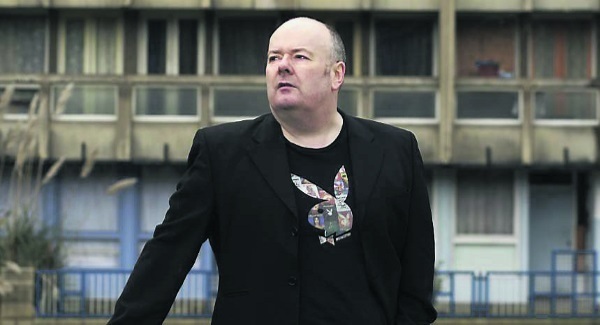
On the night, the group will be giving a jazz workout to standards drawn from a genre that is sometimes neglected in jazz — the pop song — in a concert devoted to two people who elevated that form to the status of art, Burt Bacharach and Hal David.
As Shaw points out, Bacharach himself is no stranger to improvising on his own classic pop melodies.
“He’s a fantastic jazz pianist,” he says, “and a fantastic accompanist. And I love Hal David’s lyrics. They’re timeless. Because the lyrics are so strong, and the atmosphere is so strong, Phil and I have gone towards exploring the simplicity of the 1960s and 1970s pop structure. Hal and Burt wrote pop standards, but jazz standards were the pop standards of their day so in a way this is a chance to present contemporary pop in jazz context.”
Shaw’s journey into jazz started in working-class north Wales, where his father was a cornet player. His student days in early 1980s London, he says, were his first introduction to the jazz scene. “Just as it was ending,” he jokes.
It was also where he found the Alternative Cabaret, the political comedy collective that began kicking back against Thatcherism through the likes of Alexei Sayle and Tony Allen.
“I am four or five years younger than all those who invented it,” says Shaw, “but it was still flourishing, a reaction to the Thatcher years of the poor get poorer, the rich get richer. I sort of sang and did standup with these semi-political songs, and then I got more into jazz. I used to sing with Ronnie Scott and I found that jazz and comedy worked really well together. Jazz musicians are always funny people, because they have that sense of timing and improvisation.”
That sense of comedy still marks an Ian Shaw gig, he says.
Shaw also remains politically motivated. A trip to his Facebook page reveals, like many artists, news of gigs and so on, but also a plethora of updates directly from Calais, and its notorious refugee camp, the Jungle.
Shaw has been a weekly visitor there, travelling from his home in the south of England with basic medication, clothing and other supplies he gathers through fundraising concerts and donations.
In full flow. @ianshawjazz has arrived. "Heaven help us all". pic.twitter.com/FEyD081eJb
— Good Chance (@GoodChanceCal) November 21, 2015
“I personally saw no alternative when I saw the lack of government involvement there,” he says.
“I can fund raise through music and I can at least add to the sticking plaster that the NGOs and volunteers have applied, because there is no regular support there and it’s getting worse. It’s a very dark time and I have to blame it on the privileged idiots who run our country but who have absolutely zilch humanity.
“If 6,500 refugees came to England, Scotland, Ireland and Wales it would not bring the countries to their knees. These people are barbers, cardiologists, teachers, mechanics, doctors. They have skills and because of that, they’ve made this community in Calais.”
The situation, says Shaw, is untenable and illegal.
“If this is the EU, I’m not part of it. You have police beating up kids. I took a 15-year-old to hospital because the ambulance wouldn’t go into the camp. The other morning, I had an 18-year-old who’d been tear gassed at close range for trying to get back into the camp from the town. I’m getting involved in the medical side of things now, trying to make them a bit more comfortable. I raise money to put sick ones in hotels, take them soft meds, sanitisers to stop infections.”
Shaw has also funded a community centre at the camp, and does a food run there once a week. He’s releasing a charity single, ‘My Brother’, later this month, and has performed several times at the camp.
“Musically. I’m attached to a lot of these Syrian guys,” he says.
“There are fascinating Persian and Indian influences in their music. And the Ethiopians as well. Ethiopian pop is brilliant. The audience who be guys from Ethiopia, Chad, Afghanistan, Eritrea, Syria, all together. It’s a strange postmodern maelstrom of people, but the common experience is that they are escaping death, really.”












