Health advice: My daughter has developed spots on her face
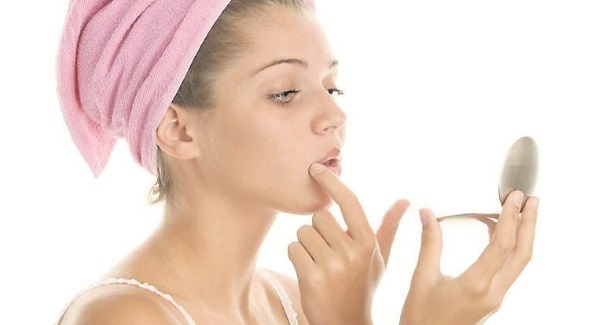
Weekly health advice from Dr Bernadette Carr. This week Dr Carr looks at acne.

Health advice: My daughter has developed spots on her face

My 13-year-old daughter has developed spots on her face literally overnight and is embarrassed by this. How can I help her?

Acne is a very common condition most commonly occurring at puberty and in the teenage years, however people of all ages may be affected.

Hormonal changes will result in oil production by glands in the skin increasing at this time and this sebum may block the pores and result in spot and blackhead formation, inflammation and infection can occur with the formation of red angry spots.

Most commonly, these skin changes will be noticed on the back and face. Acne can vary considerably in its severity from a few blackheads or whiteheads to many pustules (red angry spots). If these are extensive they may result in scarring of the skin.

Acne can run in families and many people find that changes in diet or hormone balance such as around the time of menstruation will cause flares in the skin.

There are a number of steps that can be taken to help the condition. Avoiding picking or bursting spots will help prevent trauma to the skin, washing the face with antibacterial lotions, which are widely available, should help to reduce sebum levels.

Avoiding greasy creams or foundations on the skin will be important going forward to prevent clogging of the pores and further spot development.

Medicated creams containing Benzyl Peroxide can be very useful in reducing inflammation, whiteheads and blackheads.

If these measures do not clear the skin it may be a good idea to consult your GP who can prescribe antibiotic creams or gels or sometimes a course of oral antibiotics, which are taken for a period of months, and which can be very effective at relieving acne and preventing scarring.

Acne is very common and it is important for your daughter to know that it is a very normal part of puberty which should be treated easily.

Over the last few months I have had a problem with watering eyes which seems to be getting worse, A friend suggested it might be blocked tear ducts. What do you think?

There are many potential causes of a watery eye. Any irritation to the eye may result in watering. Hay fever may be one cause of watering which will also be associated with itch and irritation.

Typically, this will occur with triggers like a high pollen count. An irritated red eye which is watering may be as a result of conjunctivitis or another eye infection.

Having a blocked tear ducts may also resulting in a watery eye because tears do not drain properly. Blocked tear ducts may be a common occurrence in very young infants and newborns whose tear ducts may not be fully formed yet.

It may also result with older age as a result of narrowing of the tear ducts. Other causes may include injury or rarely nasal growths.

Blockage of a tear duct may result in an excessively watery eye, a build up of whitish discharge in the corner of the eye or it may be associated with redness or swelling of the eye — in which case it is most likely infected.

This blockage may be mild requiring no treatment or may need an operation to unblock if it is severe — this would involve an operation to widen the narrowed duct.

Small glands which produce tears are located inside the upper lids of both eyes, with a connection from the outer side of the eyelid to the inner side of the eye where it leads into a tear sack and a tear duct into the nose.

If any part of this drainage system is blocked there may be difficulty in tears draining properly which can cause inflamed watery eyes. Blocked ducts may also be as a result of an infection injury or another underlying cause.

It is a good idea to visit your GP, who can diagnose and treat the most likely cause of watery eye if you have persistent symptoms.

x

More in this section

Cookie Policy Privacy Policy Brand Safety FAQ Help Contact Us Terms and Conditions

© Examiner Echo Group Limited













