Natural health: Help with Chilblains
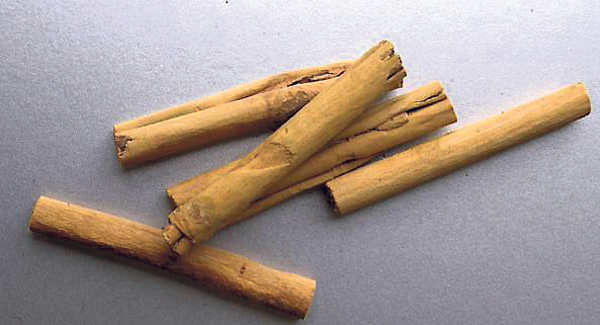
My father has recently read that cinnamon can help with his diabetes. He has type 2 diabetes. Can he use regular cinnamon, or is there a specific medicinal kind that he should buy?

Natural health: Help with Chilblains

The good news is that regular cinnamon is just fine, with both true cinnamon (Cinnamomum verum), and cassia (Cinnamomum cassia) helping to regulate insulin signals. Cloves have also been investigated and found to have similar effects, reducing the insulin-sensitising effects of liver and abdominal fat cells.

It is worth noting that cinnamon is effective in treating non-insulin dependent type 2 diabetes. Type 2 diabetes accounts for around 90-95% of cases, and occurs when the body is unable to use the insulin made by the pancreas. Most type 2 diabetics have this condition as a result of diet and lifestyle, however around 8% are linked to a genetic predisposition. Taking 1-6g cinnamon daily (from a quarter of a teaspoon to as much as one and a half teaspoons) is enough to help with blood sugar regulation. It works by improving the metabolism of glucose, plus has the added benefit of preventing high blood pressure and heart disease.

Your father can simply add cinnamon to his daily meals to reap the benefits, or if he is not partial to the flavour, you can purchase cinnamon in capsules (this is a far more expensive way to do it). Other tips to help with this condition include reducing any excess abdominal fat, with those who tend to accumulate body fat around their middles being more at risk of type 2 diabetes. This is because carrying extra abdominal fat cells has been shown to interfere with insulin production and the ability to utilise dietary sugars.

While food products with artificial sweeteners are often marketed specifically for diabetics, it has been shown that they actually contribute to obesity, with diet soda drinks being one of the key offenders. Far better to adopt a diet that is low GL (glycaemic load). It is worth your father checking out Patrick Holford’s Low-GL Diet Cookbook for some ideas on how to optimise his diet.

Every winter I get dreadful chilblains on my feet which make it an absolute misery to wear shoes or even to walk. Is there anything I can do to help prevent them from returning this year?

Chilblains are basically a circulatory issue, and while I can’t guarantee that you won’t get any this winter, there are certainly a number of steps that you can take to reduce the likelihood of them appearing or at least minimising the extent of these painful afflictions.

The cold weather together with poor circulation can trigger areas of reddish purple swollen, painful, and itching skin. It is very common for these to appear on the toes and fingers, but can also affect the heels, nose, ears, legs and wrists.

Daily exercise – even something as simple as a brisk 30 minute walk – will help to improve your peripheral circulation. Ginger tea is a wonderful aid for increasing blood flow to the extremities, you can either add a couple of slices of fresh ginger root to a cup of boiling water, or add half to one teaspoon of powdered ginger.

The minerals calcium and silica are typically found to be lacking in people who are predisposed to chilblains, so it is worth supplementing with these as a preventative measure. You can either use tissue salts, which have a more gentle action, or take individual mineral supplements. Herbs such as nettles, oatstraw, and horsetail grass are also rich in these minerals.

It may be comforting to know that chilblains don’t lead to permanent tissue damage, despite their appearance and discomfort. The change in temperature causes the small vessels to constrict, which means that blood can leak into the tissues and swell up when the temperature increases again.

Minimising the impact between temperature extremes is useful — in particular protecting your feet and hands from the cold, and gradually acclimatising when you shift between cold and warm environments.

NOTE: The information contained in this column is not a subsitute for medical advice. Always consult a doctor.

More in this section

Cookie Policy Privacy Policy Brand Safety FAQ Help Contact Us Terms and Conditions

© Examiner Echo Group Limited













