Is your child's car seat correctly fitted?
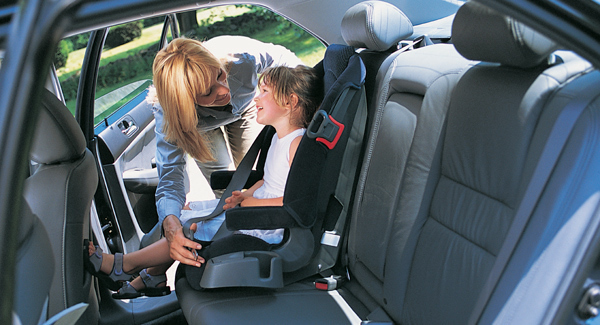
Too many cars seats are wrongly fitted, says Helen O’Callaghan.

Is your child's car seat correctly fitted?

FOUR out of five child car seats are incorrectly fitted. This can result in serious injury or worse, says the Road Safety Authority (RSA). It has checked 4,000 child car seats and restraints in Ireland since last October: 83% required adjustment. The RSA’s ‘Check it Fits’ service found 79% of seats needed major adjustment. Three percent were deemed not fit for purpose and condemned — they could have caused injury or death in the event of a collision.

“The most dangerous thing a child does every day is travel as a passenger in a car,” says Brian Farrell, RSA communications manager. He says the alarming statistics revealed by the ‘Check it Fits’ service refer only to child car seats brought along by parents to be checked.

“Imagine the misuse rate among those who don’t care — unfortunately, we know there are people who are failing to restrain their child at all. I see it as a form of child abuse.”

Because children can’t identify hazards, they should never be responsible for their own safety — it’s up to adults, says Farrell. For every car trip — even the shortest — children must be in the right restraint for their height and weight, not their age. There are three golden rules:

Never put a rearward-facing child car seat into a front passenger seat if there’s an active airbag — whiplash results if it deploys and strikes the back of the child’s seat.

Do not move a child up to the next level of restraint too soon. “Some parents think moving the child to the next level is a developmental thing. It’s not — it’s about safety,” says Farrell.

Keep a young child rearward-facing as long as possible. He waited until his children were 15 months. “I’ve seen parents moving them to forward-facing at eight months. In Scandinavian countries, they keep children rearward-facing until they’re four — to avoid whiplash.”

A child shouldn’t be moved too soon from the high-backed booster car seat onto a booster cushion. “Many parents move them onto booster cushions at age five or six. But on a booster cushion, you have no side-impact protection — the worst case scenario in a side-impact collision.

“Buy your child’s car seat from a reputable, trained retailer, who will check the seat fits in your car and will demonstrate how to install it and how to fit your child into it.

“Two things we pick up on in checks: the seat isn’t compatible with the car or it hasn’t been correctly installed. And the child isn’t being properly harnessed in the seat,” says Farrell.

The ‘Check it Fits’ Service is a free service that advises on child car-seat safely. The service is in Cork in October.

Visit www.rsa.ie/checkitfits  to see its nationwide calendar of locations.

Parenting TIPS

Children should be restrained when travelling in car.

Select restraint based on child’s weight and height and one suitable for type of car.

It’s safer if children travel in rear of car.

Never leave children alone in car.

x

More in this section

Cookie Policy Privacy Policy Brand Safety FAQ Help Contact Us Terms and Conditions

© Examiner Echo Group Limited













