Is there such a thing as the male menopause?
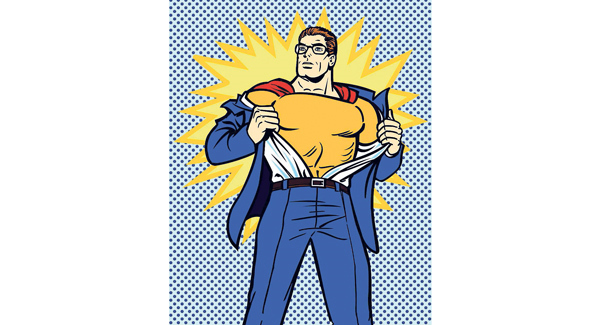
IT made this month’s cover of TIME magazine but it’s a question that has been lingering since it was first mooted back in the 1940s — is there a male menopause, or manopause?

Is there such a thing as the male menopause?

Fatigue, irritability, hot flushes, mood swings, loss of libido, poor concentration, weight gain— these symptoms all sound familiar to menopausal women, but increasingly men over 50 are owning up to struggling with their own life transition.

Two main physiological differences are apparent, however, between the two genders; women’s fertility stops at menopause and the hormonal loss is sudden, while men can continue to have children and their testosterone levels decline slowly — up to 50% by the time they reach 50.

The argument is not whether men experience a mid-life transition, but to what degree their experience is due to hormonal loss or to adjusting on a psychological, emotional and physical level to the process of ageing.

The cover story of TIME reflects the status quo in the US, with its headline: ‘Manopause? Aging, Insecurity and the $2Billion Testosterone Industry’. It begs the question: is testosterone replacement therapy (TRT) a money-making industry offering a quick fix to men unwilling to adapt to their ageing angst? According to research published online in January in the Journal of Clinical Endocrinology & Metabolism, the rate of testosterone supplementation has nearly quadrupled in the US since 2000 and has increased by 30% in Britain.

In Ireland, one man spearheading its use at his Kildare clinic is Dr Andrew Rynne, who has more than 800 patients on his books and is seeing a 10% rise in patients presenting year on year. He says while all men over 50 have a 50% drop in their testosterone levels — at a rate of 1% a year from when they were a teenager — most men don’t even notice it. In fact only one in five do.

The symptoms they present with include lack of libido and poor erectile function; lack of zip and drive; mild depression; decreased muscle mass and strength and increased visceral fat. Their need for testosterone is evident, not through blood tests — which he considers “a waste of time” — but through “listening to the patient”.

“I am continually surprised at how effective T is in reversing these symptoms,” says Dr Rynne, who uses the hormone therapy himself in a trans-dermal gel form (the other method is through intramuscular injection). “There is a great reluctance among doctors to prescribe it and men get palmed off. Most men stay on T therapy for life because they do not want to be without the benefit. I don’t think lifestyle has anything to do with it“.

However, US-based psychotherapist Jed Diamond, a pioneer in the field of male-gender medicine and author of the international bestseller Male Menopause has no doubt there is a ‘male change of life’ and that addressing lifestyle is of major importance.

“From my clinical experience of working with men and their families over the past 40 years, I believe that andropause, or manopause is a multi-system level change of life that occurs in all men aged between 40 and 55, but can occur as early as 35 or as late as 65,” he says.

“The change of life is a physical condition with psychological, interpersonal, social and spiritual dimensions, The purpose is to signal the end of the first part of a man’s life and prepare him for the second half — it can be the passage to the most passionate, powerful, productive and purposeful time of a man’s life.”

He points out that puberty and manopause are similar life passages — involving hormonal changes, self-identity, sexuality, breaking old ties with family, and establishing a new life. “For some the symptoms are mild; for others they are more dramatic.”

While he believes supplementing with testosterone — if properly used — is safe, he is wary of many using it as a “quick fix” and of drug manufacturers jumping on the bandwagon “for the new disease of ‘Low-T’.”

Diamond, who is 70, used testosterone replacement therapy for six months when he was 54. “I felt an improvement in my energy level, my wellbeing and my sense of comfort and ease, all of which helped improve my sex life. However, I decided to discontinue use, before my own internal hormone factories shut down — otherwise it’s a lifelong process of using for most men.”

As founder and director of a health programme called Men Alive, the father of five and grandfather of 14, practises‘ the lifestyle medicine he teaches others and says: “My wife are married for 34 years and we are now happier than ever.”

www.MenAlive.com

Manopause: Your Guide to Surviving His Changing Life, by Lisa Friedman Bloch and Kathy Kirtland Silverman, €13.58

If you want to get the female take on handling the Manopause this book, published in September 2012, looks at men’s changes from an uplifting perspective. It explores how biological and psychological factors collide with the societal pressures men face and provides advice on how women can try and understand what’s happening with their partner and how the men can move through and enjoy this sometimes challenging phase, which they say can start at age 40.

They argue the heavy burden culture puts on men to be strong, to be heroes, to be devoid of emotion and to perform like sex machines, makes this stage of life particularly challenging.

x

More in this section

Cookie Policy Privacy Policy Brand Safety FAQ Help Contact Us Terms and Conditions

© Examiner Echo Group Limited













