Beating the bloat as we age
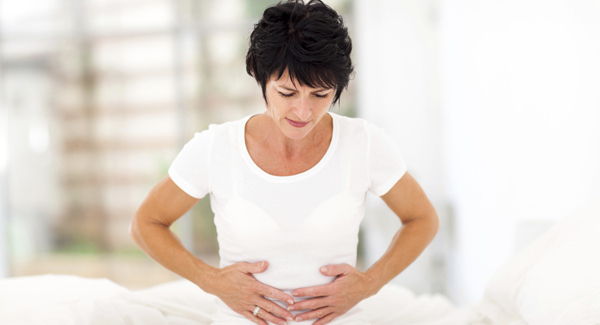
But piling on the weight is not inevitable and, while hormones contribute, there is much we can do to keep in better shape.
Be positive about ageing: take responsibility for your own health, through diet, exercise and staying in touch with the changes that come. The slowing down of our metabolism (the rate at which we convert food into energy), due to muscle tissue reduction, together with hormonal shifts, which contribute to extra fat distribution, may paint a bleak picture.
But while weight gain is common, it’s not inevitable, says Aveen Bannon, a dietician with the Dublin Nutrition Centre. “With the reduction in oestrogen levels, women can lose the more ‘female’ shape and tend to gain weight around the middle, as opposed to their hips and thighs.”
“Often, women will come to me reporting eating the same amount of calories, but noticing a change in weight and shape. However, those who are fit and trim going into menopause, will notice less change. The most important thing is for women not to view weight gain as inevitable and to accept that there may be a slight change in body shape, but it doesn’t need to be dramatic. Exercise and healthy diet and lifestyle are the best ways of keeping changes to a minimum, and the earlier that routine starts the easier it will be.”
With increasing age, muscle mass decreases, and the less muscle we have the fewer calories we burn, which means we have to eat less — 200 fewer calories daily, in an average 1,800-calorie diet.
Muscle is an active tissue that can be built up through regular strength-training exercises (at least twice a week), which not only keep us lean, but also speed up our metabolism, as opposed to fat, which does not.
The University of Maryland Medical Centre, in the US, says although genetics can dictate our metabolism, as we get older the amount of fat in our body may increase by up to 30%.
“The key thing for women to focus on, at this time of their lives, is regular exercise, balanced meals, including fibre-rich foods in the diet, lots of fruit and vegetables and calcium-rich foods. Keep alcohol intake to within recommended levels, avoid too much salt and saturated fats,” says Bannon.
The importance of diet was underlined in a study in the journal Menopause, in 2012, which featured 17,000 post-menopausal women who were not using hormone therapy. Researchers assigned them to either a control group, or to another group that was on a healthy diet of fruit, vegetables and wholegrains. After a year, the women in the diet group were three times as likely to have lost weight.
Eileen Duward, menopause expert with the herbal remedy company A Vogel, says falling oestrogen can affect the mucus membranes of the body, which include the digestive system, causing a sluggish gut and bloated ‘fat tummy’. This upsets women. Women can support the hormonal drop by “gently raising and balancing oestrogen” with natural remedies, such as soya tablets, black cohosh, red clover or phyto-oestrogen supplements.
Aside from diet and exercise, the management of stress through meditation and relaxing activities may be a factor in controlling weight gain. Women comfort eat when feeling low or anxious, which increases their calorie intake, but raised cortisol levels — the hormone linked to stress — can contribute towards the distribution of fat around our middle.
Ultimately, though, it’s clear that, as we age, we need to work harder to maintain a vital body — eating a healthy diet of fewer calories and exercising more to build up lost muscle. Whether that becomes a chore or a fun challenge depends on our attitude, which, of course, spills out into every aspect of our lives, not just our waistlines.
CONNECT WITH US TODAY



Be the first to know the latest news and updates









