My child has a fear of needles, what should I do?
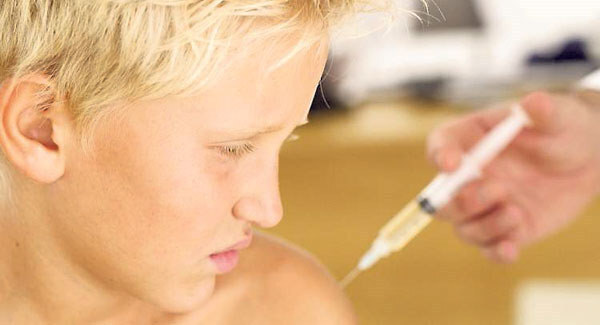
He is due to get his 4 in 1 and MMR in a few months. I am dreading it as he got very upset in the hospital, I know I was stressed. How can I make it easier for him?
A fear of needles can affect children at any age, sometimes after a negative experience. They may pick up negative feelings from a parent, sibling or friend or do not know what is going to happen. I think that given his age, you are right to try and make this easier for him sooner rather than later.
There are some coping strategies that you may find useful. First, I would suggest you think about the negative experience that has led to his fear of needles. Did you have an opportunity to talk to him about the procedure? Before he returns for his immunisation vaccination make time to talk to him about why he has to have the injection and what will happen. Explaining to your son that his friends and peers are also having the injection would help. Pick a time close enough to the appointment so he will not have forgotten.
Second, reassure your son that you will be with him when he is having the vaccination. He will be able to hold your hand or perhaps sit on your lap. If he has a favourite toy, let him bring it to the clinic and hold it while he gets the vaccination. Tell him you will be there to comfort him. Distraction can be very helpful as it takes the child’s mind off the fear - games, songs or toys can make it much easier for the child.
Third, explain his phobia to the public health nurse who will be giving the vaccination to your son and ask if it would be possible to use a topical anaesthetic cream or gel to numb the area where he will get the vaccination. Your GP can help you obtain the cream. This can help remove the fear for next time. The public health nurse will be able to help you ensure this is not a negative experience for your son.
I am sure that you are looking forward to your trip and want to enjoy it without becoming unwell. Hepatitis A (infectious jaundice) is an inflammation of the liver caused by a virus that is passed out in the faeces of infected people who pass it on if they have not washed their hands after going to the toilet. It accounts for 20%-25% of clinical hepatitis worldwide. In some areas where sanitation is poor it can be carried in contaminated water and food in either its preparation or from shellfish caught in contaminated water. According to the World Health Organisation (WHO) India is one of the countries in South Asia with high rates of hepatitis A.
The symptoms of hepatitis A develop between two to 30 days after coming into contact with the virus and they include:
Loss of appetite
Nausea and vomiting
Tiredness
Joint pains
Headache
Yellowing and itchiness of the skin
Mild fever
Dark urine and pale stool.
Symptoms do not occur in all people. There is no treatment for hepatitis A, patients are advised to get plenty of rest and eat a balanced diet. Paracetamol can help with pain but it is important not to exceed the maximum of eight tablets in a 24-hour period. A GP may prescribe an antiemetic to help with nausea.
I would always advise that before travelling to get the appropriate vaccinations for the country that you are travelling to and this would include immunisation for hepatitis A.
When you are travelling, good personal hygiene is vital:
Wash your hands frequently and thoroughly
Carry an alcohol-based hand gel at all times
Drink only bottled water and use to brush your teeth
Do not eat or drink unpasteurised dairy products or any food which is uncooked or not hygienic.
Avoid eating shellfish
Do not eat salads or vegetables that may have been washed in contaminated water
Make sure that food is hot and served on clean plates.
Enjoy the holiday.
CONNECT WITH US TODAY



Be the first to know the latest news and updates

















