'It gives them the language to ask for help': Cork nurse on educating school children about sexual violence

The largest proportion of patients seeking help from Cork's Sexual Assault Treatment Centre are in the 18 to 25 years age bracket, but the unit experienced a growth in the number of people in the 14 to 16 years age cohort who need help after sexual attacks.
Deep in the bowels of one of Cork City’s hospitals is a unit which most people will, thankfully, never need.
But the Sexual Assault Treatment Unit in the South Infirmary Victoria Hospital was visited last year by more than 170 people seeking help after being targeted by sexual violence.
The largest proportion of patients are in the 18 to 25 years age bracket (34%), but the unit experienced a growth in the number of people in the 14 to 16 years age cohort who need help after sexual attacks.
It should come as no surprise then that there is increased demand from schools across Munster for education sessions on sexual violence.
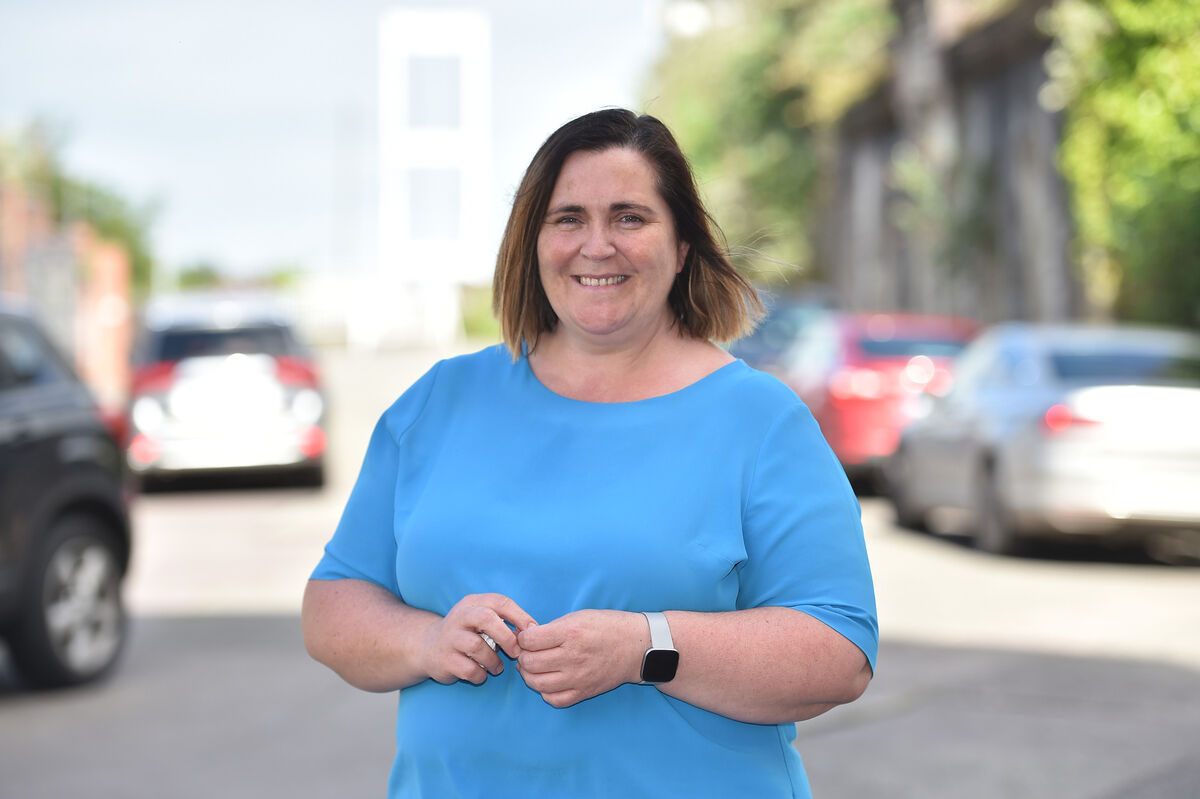
An education programme developed in 2017 by Margo Noonan, the lead nurse at the Sexual Assault Treatment Unit, was delivered in response to the rising number of adolescent attendees.
The programme is delivered to students between first and sixth year, covering topics such as consent, laws regarding sexual violence, and clear pathways to seek help.
“With our schools programme, one of the biggest things to look at is that all sex abuse, especially child sex abuse, is preventable, not inevitable," Ms Noonan said.
"Also, if we give them information about where they can get the help that they need, it gives them confidence in coming back, if it does happen to them.
Read More
“I think it [sexual abuse and violence] was always there but was very well hidden, but we are giving young people the tools to speak about it.
“What I do worry about is that there is a feeling among young people that this level of violence is the norm. There is a lot of work to do around our sexual and cultural norms. Social media has a lot to play in that.”
She has particular concern for young men.
“Firstly, they don’t understand the law between the ages of 14 and 17, that caveat in law that they can be charged and the girls won’t," she added.
"Predominantly, services have a feminist twist to it but if you are a 16- or 17-year-old male and something like this happens, how do you find the help you need?
"Building empathy is one of the most important tools we have in the prevention of sexual violence and knowledge as well. Knowledge is power.”
Given some 90% of the patients attending the unit are female, Margo Noonan says it should not be a burden on women to keep safe.
She warns phrases such as toxic masculinity and the “manosphere” are not helpful.
“If we keeping mentioning the words masculinity and toxic together, there comes an expectation that if you are masculine, you are automatically toxic.
"We, in the schools programme, very much try to change that to positive masculinity — that one good man that stands up.”
She says perpetrators of sexual violence have had to become more canny and savvy in recent years because of the education around rape and sexual assault, as well as the concrete definition of consent.
“People have had to become more inventive as to how they get around to sexually assault someone.
"Things like the drugs that can be used — they are gone out of the system in 12 hours so by the time the person has realised that something has happened to them, there is no scientific proof because it is not showing up in their toxicology.
"There is a lot of coercion, a lot of gaslighting.”
She says the use of pornography is also having an influence, because of its violent nature.
“Within two or three clicks, you can get onto some very hardcore violent material," she said.
"Some will just watch it, others will go for treatment but there is a small cohort who will go and find somebody to live out the fantasy on and really hurt them.
"That can be on people from under 14 to over 70. Sexual violence is using somebody’s body as a weapon against them, taking somebody’s body to really hurt them.
"When somebody shakes your core belief in yourself and your body, then the recovery from that takes a very long time. You never get over it, you learn to live with it.
"That is what we try to do — we try to help people to take back control of their body and sometimes that can be as simple as having an STI screen."
She wants people to understand there is no specific age profile for victims of sexual violence.
"This is the type of crime that can affect you no matter what your age, no matter what your gender, no matter what your socio-economic status, that unfortunately there are bad people who will hurt you no matter what — 84% of our patients would have known the person who assaulted them. It’s in your circle.”
She acknowledges, however, some cohorts are more vulnerable to sexual violence, pointing out the homeless and people with addiction are among those.
"Some people will come in with repeated assaults unfortunately — sometimes it can be a home setting or living on the streets, or a sex worker who may not have disclosed to us.
“They also include young people who are coming into the country through the Ipas system and even the young adults who are coming in and who have absolutely no support system or are being trafficked here and they need a lot of support.
"We have started working with Ruhama, the organisation that supports these men and women, so they refer them to us for care.
“Teenagers and young people between 14 and 24 who were promised work here — some will have been put into prostitution or sex work to pay their fare and then when they get over here, it happens again. These people are so vulnerable.”
CONNECT WITH US TODAY



Be the first to know the latest news and updates