Third Age: John Murray gives some air time to depression
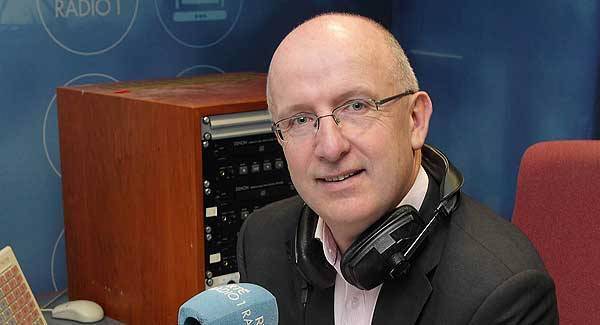
WHO could not fail to be moved by RTÉ Radio One presenter John Murray’s frank description, last week, of the depression that had blighted his life for the past six months.
“One day, I’m happily presenting this radio show and enjoying life. The next, I’m gripped by dread and anxiety, with the simplest task proving beyond me,’’ said Murray.
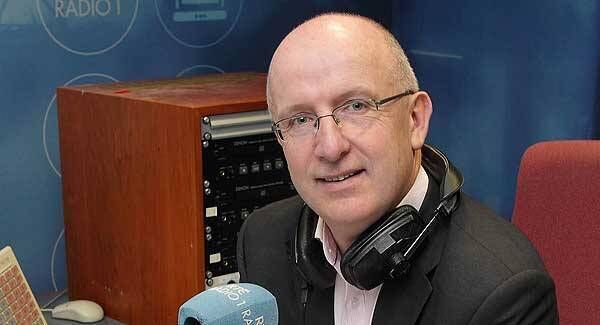
“As those with experience of it know, depression doesn’t just drop in for a quick ‘hello’ and run for the hills. At least, my kind didn’t.
“No, it took a fancy to me, decided to take up residence for a few months, and, boy did it make its presence felt, especially in the mornings, when the day ahead became something to endure rather than enjoy. ’’
Fortunately, Murray, 49, who is married with two children, says he has turned the corner and is winning his battle with the ‘black dog’ that is depression.
Support groups like Aware, the Samaritans, and Mental Health Ireland have all noted a large increase in the numbers of people seeking advice in dealing with depression.
Orla Barry, the CEO of Mental Health Ireland, says the recession has contributed to these figures.
“I think it is highly unlikely that there is anybody in this country, at the moment, that hasn’t been touched by stress, depression, or anxiety, which are all to do with the pressures of life,’’ she says.
“Everyone has a bad day, but it is to do with mood, it passes quickly.
“With depression, that lifting isn’t happening. Within our families and friends, there should be an openness to say ‘How are you?’ Have a conversation about the stresses and strains of life and, if someone really is having a difficulty, then it will emerge,’’ Barry says.
Studies reveal people over the age of 55 are more prone to depression, and this is the generation that are generally reluctant to seek help.
However Barry believes that this is changing.
“The stigma of talking about depression is certainly lifting,” she says.
Depression is a complex illness and can be difficult to detect. Aware’s Sandra Hogan says there are eight main symptoms and it’s important to seek help if a person is experiencing five or more.
* Feeling sad, anxious or bored.
* Low energy, feeling tired or fatigued.
* Under-sleeping or over-sleeping, waking frequently during the night.
* Poor concentration, slowed thought process.
* Loss of interest in hobbies, family or social life.
* Low self-esteem and feelings of guilt.
* Aches and pains with no physical basis. For example, chest, head or tummy pain associated with anxiety or stress.
* Loss of interest in living, and thinking about death or having suicidal thoughts.
Hogan says that there is help available and that people should not feel embarrassed or ashamed to admit that they are suffering from depression.
“It can seem like a hard step to take, but, in the long-run, it really is the easier option. There are many sources of support, some of which are free, offered by Aware and other organisations,’’ she says.
As well as seeking professional help, there are a number of coping strategies that can ease the depression, says Hogan.
“Sharing problems with someone who can help can make a difference; using relaxation and breathing exercises is useful; getting regular daily exercise and eating properly is vital — this includes limiting caffeine intake, as it can exacerbate symptoms, and moderating use of alcohol. Making time for things we enjoy is vital, as well,’’ she says.
AWARE; helpline: 1890 303 302
MENTAL HEALTH IRELAND
CONNECT WITH US TODAY



Be the first to know the latest news and updates

















