The real focus of fairytales
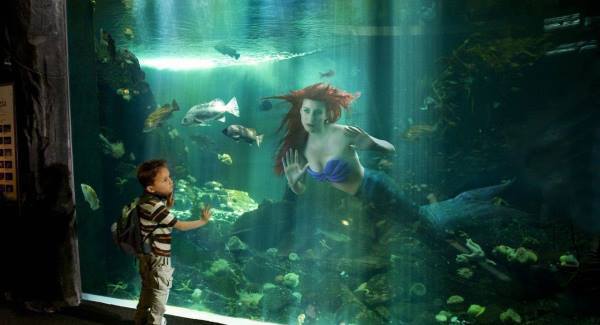
That all changed with the launch of the Fallen Princesses, a photo series created by visual artist and conceptual photographer, Dina Goldstein.
The collection portrays 10 fictional princesses in less than euphoric situations and is at once thought provoking and hope shattering. Despite the Disney characters depicted, it’s not one to view with the kids before bedtime. Goldstein wanted women who could be transformed into the characters she wanted to portray. That done, the artist pondered “what if?” and thrust the princesses into a wilderness more chilling and miserable than anything Maleficent or the Huntsman could ever contemplate.
She did this by marching them off the pages of our favourite storybooks and into a place more challenging and unpredictable than any made-up space: The real world.
Speaking to Feelgood from her Vancouver home, Goldstein says response to the collection is mixed. “Girls write to tell me that while they were given everything growing up, they faced turmoil when they went out into the world as adults.
“Others say I’m corrupting fantasies; that I’m a horrible, unhappy person. They say I must be miserable, as that is what my pictures reflect. This is far from the truth. I have a pretty fantastic family life and I am a person who sees the beauty in everything.”
The importance of beauty plays a core part in Disney fairytales. One who knows more about this than most, is Limerick-based PhD student Miriam Walsh, who is completing a thesis on the evolving representation of female figures in traditional and modern fairytales.
She says that by attributing ageing beauty to evil characters and positioning princesses in patriarchal lives modern fairytales such as Snow White and the Huntsman endorse antiquated ideologies.
“Disney fairytales, both traditional and modern, are often centred on the ideology of beauty,” she says. “To be the heroine, one must be beautiful, young, and virile. Youthful beauty is one of the few sources of power and the only currency fairytale females possess in the marriage market.”
It is not only girls who are stereotyped. Boys are also identified with traditional roles. Girls and boys respond to fairytale messages differently, says psychologist and psycho-therapist Elaine Fitzgerald.
“Girls learn the value of investing in relationships. They also learn that if they’re beautiful and good, and if they can endure suffering and wait long enough, a handsome prince will save them.
“The focus in fairytales is very often on relationships, and as girls are fascinated by those, the impact of the tales is great-er on them.
“In contrast, boys tend to forget the stories almost as soon as they’ve heard them. They absorb the message that they’re the ones who save the world and make everything right.”
Given the content, few parents could view the Fairy Princesses collection without questioning the wisdom of filling impressionable young heads with such negative fairytale messages. In life, some get their happy ever afters, some don’t. Not every girl finds her prince and not every girl wants to. And what of the boys who’d prefer to kiss thin air than kiss a girl? Or modern stepmothers, most of whom are far from wicked or mean? Traditional fairytales do them no favours.
Despite the shortcomings, the stories have plenty to offer young children. “By showing that good triumphs over evil, fairytales help kids overcome their fears,” says Fitzgerald.
“They also relay empowering messages. Sleeping Beauty and Snow White were saved by the kisses of princes, but there was more than that to them. They were winners who outwitted baddies. Children love that message as they love the happy ending and the escape that brings.”
* www.dinagoldstein.com/, www.fallenprincesses.com















