How one woman overcame her fear of the dark
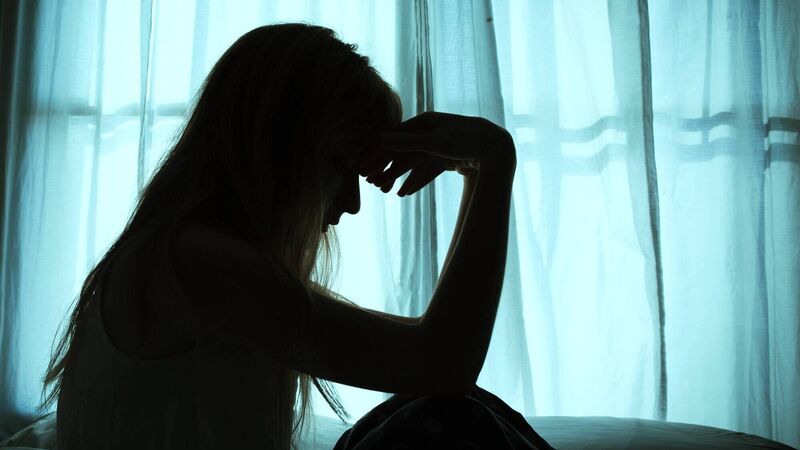
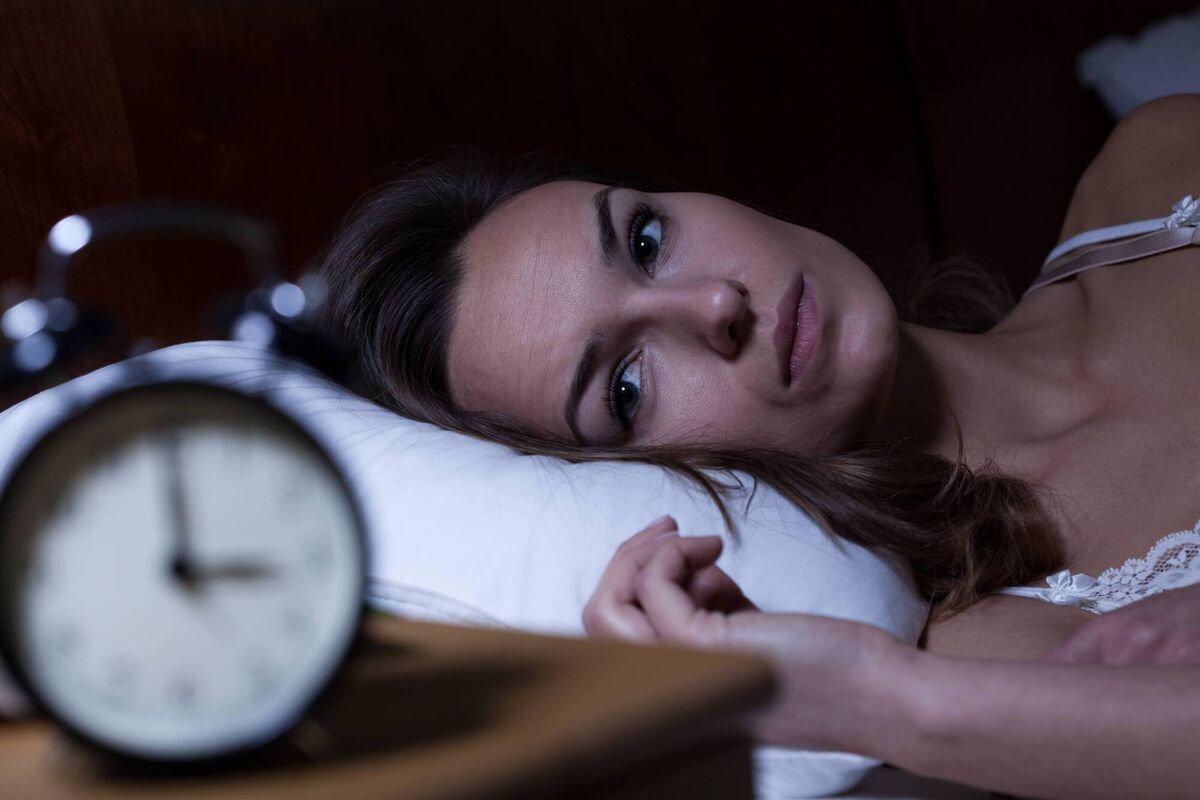
"Everything I do is tainted, ruined by the oily, sticky acidity of my fear." Picture: iStock
Growing up in overcrowded homes and shared bedrooms (one perk of Catholic Ireland and large families) only to graduate to overcrowded houseshares and a rotation of omnipresent housemates (one perk of the Irish housing crisis) means I’ve somehow managed to spend my entire adult life artfully avoiding the fact that I am terrified of the dark.
Isolating in rural French countryside, in a forsaken studio with doors that don’t lock, shutters that don’t shut, and curtains that don’t close, I am truly alone with this fear for the first time as, without the gimmicks of modern living and light pollution to distract me, I am forced to battle night after night with unbroken darkness and unrelenting quiet.
I have not slept in three days. And it is Hallow'een.
The debilitating might of this fear is not solely the propensity for insomnia it incites in its victims — a study of poor sleepers found that half confessed to being scared of the dark. Rather, it is debilitating because it narrows the windows of opportunity, firmly shuts the sliding doors to adventure, locks away the potential for joy. It stops me doing, experiencing, feeling, living in a world that is already doing its level best to inhibit me. It precludes the potential for spontaneity and excludes happiness.
Because not only does it restrict my movements and behaviours, it similarly restricts my ability to feel, so engrossed am I in this one, vibrating, judgement-disabling emotion.
Everything I do is tainted, ruined by the oily, sticky acidity of my fear. TV shows are lost to constant pausing as I freeze, convinced of strange voices outside my door; full moons are clouded by the paranoia of the surrounding dark; camping trips soiled by nights spent desperately trying to suppress a need to urinate.
ENOUGH, I think on night four when once again reduced to a hyperventilating, quaking, puce-coloured cartoon of myself. I AM OVERCOMING THIS, I mouth hoarsely to the darkness. I take to Google.
First, I am told I must challenge my fear: what am I actually scared of? The result of this analysis is mortifying in its clichéd unoriginality. While it only takes ten minutes of introspection to figure out (though I imagine you knew from the start) that it’s not rapists or murderers, rabid animals or even the dark itself that scares me it is rather the potential threat that night represents: the terror of the unknown. Of helplessness in the face of uncertainty and a loss of control in a world I am used to commanding. We are taught to fear what we don’t know and darkness — a colour quite literally synonymous with evil — is both a physical and metaphorical embodiment of this. Discovering this invites a strange sense of déjà vu.
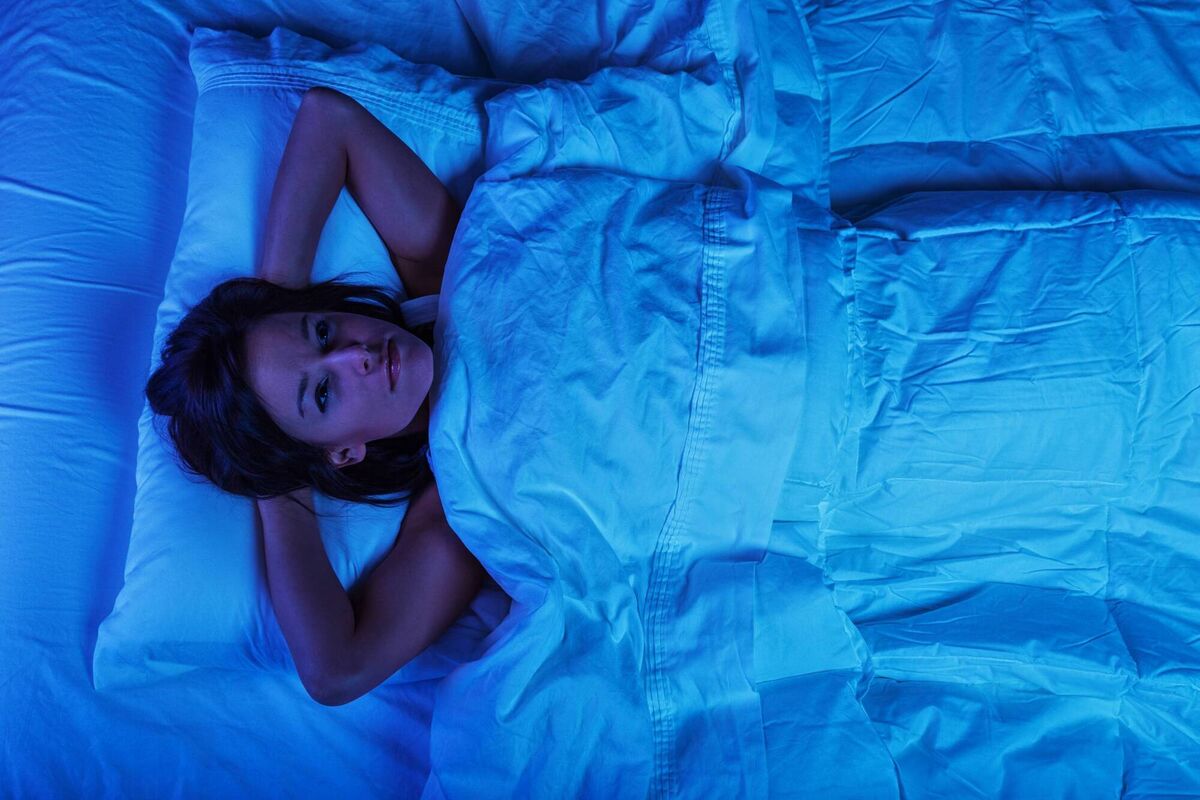
Scurrying hunched and crab-like to bed, I catch my reflection in the window and the familiarity is compounded: why does this wide-eyed terror sound and look so familiar? And then I realise I’ve seen it everywhere recently. The scarper of people dashing around supermarkets, the posture of commuters pressed against windows on public transport, the resigned slump of families walking into sitting rooms to catch the nine o’clock news: it was the pallor and hunchbacked scuttle of the coronavirus pandemic.
Because, of course, nothing could be more symbolic for our collective fear of coronavirus than my own cartoonish terror of the dark. The principles — and how they manifest in our behaviour — are ultimately the same.
We are scared of the great, wild unknown that stretches before us and are encouraged in our hysteria by the sensationalism of apocalyptic headlines and an unceasing tsunami of minute-by-minute updates. As terrifying as second-wave statistics and rising death tolls are, I think it is what they forebode, what we imagine them to symbolise in the great beyond of unchartered territories, that is the gnarled root of our collective fear. It is the unprecedented nature of these unprecedented times that is responsible for the acrid pong of terror hovering over us. Yet surely, if the foundation and presentation of our fears are the same, then it stands to reason our cure might be similarly identical?
, shout the Internet doctors, while Tony Holohan buries his head in his hands and I sigh wearily. I don’t think a few diaphragmatic exhalations will stand much chance against my overactive imagination or the scratchings of some demonic monster against my ear. But then, I think about it. Fear for our lives inhibits the one thing we must do to stay alive: breathe. I realise just how much I have been restricting my breath each night (lest it alerts the murderers to my existence) and, in doing so, choking on my own stale anxiety.
Hasn’t our fear of contagion had us all holding our breath and panic in a suffocating silence? And hasn’t this stifling and suppression only fermented the fear in our lungs, kept the terror at the back of our throats, our airways, and in our hearts? With closed eyes and crossed legs I attempt loud bellyfuls of air; exhale, like a deflated balloon. It feels good.
Again, sheer bewilderment on my part. Can some homemade bunting really ward off the existential terror of human fragility and evolutionary inevitability? Yes. It can. I buy flowers, scented candles. My French studio, previously a burrowed hovel of blanket forts and pillowed tents constructed in my insomnia, resembles something out of Amélie. With no corner left unfussed by fruit bowls, brightly-patterned cushions, and a profusion of verdant plants, there is simply no space left for my fear to fester. The room that had become synonymous with night sweats and loneliness is now a tranquil oasis where soft accordion music and overpriced Carrefour tealights are akin to five bottles of rescue remedy and a state-of-the-art alarm system.
We are all going to be sequestered indoors for the foreseeable, shuffling our exhaustion and our worry around in the same spaces we’ve been pacing for months. It is a truth universally acknowledged that no fear, however potent, can survive the asphyxiating warmth of a soft throw; no existential worry can withstand the jubilance of a vase of bouncing tulips. Do it. Paint colour over the black.
, the fear-busting list continues. This sounds more like government advice and less like a checklist to overcoming a fear of the dark. Regardless, I snort derisively because, thanks to social distancing (and not my grating personality) this is not so much an aspiration as a grim and unchanging reality. What I believe the inarticulate and judgemental author is trying to say, however, is that I need to learn resilience.
Being glued to my phone until exhaustion prises it from my fingertips is not a sustainable crutch to the broken leg of my phobia, just like relying on the safety of housemates (who are on ground floors and therefore first to be sacrificed) or the calming spoon of a partner is not realistic.
As Susan Jeffers argues in , most of our fears spring not from an external object or experience but rather an internalised, barely-realised belief that we cannot handle whatever that object or experience may be. That, if we return to challenging my fear, it’s not uncertainty itself I’m afraid of but rather the uncertainty that I cannot handle “it” — whatever “it” might be.
This, I decide, is the true lesson (figuratively or otherwise) in learning to sleep alone. It is realising that, whatever threat or danger the dark may pose, I can take it, I can bear it, I can survive it. Our bodies are hardwired to fight, resist, regenerate. And, every time I empower myself, I am disabling the power of my fear.
It has now been seven hours and fifteen days since I first arrived in this secluded studio with doors that don’t lock, shutters that don’t shut, and curtains that don’t fully close. Being honest, I’m still pretty scared of the dark and the spectre of the unknown it presents me with. But here’s what I’ve realised: you can be scared and still live. I believed fear was brittle: it was something to be broken completely or avoided absolutely. I didn’t realise it was something you could bend, ply, recast. And while coronavirus cannot be chased away with the dawn or drowned out with nightlights, nightclubs, or night-time sleepover friends, its shadow can be lessened, its shackles loosened in simply remembering that fear, while essential and perhaps even ubiquitous in today’s world, is malleable.
And will melt away with a Yankee candle.


CONNECT WITH US TODAY



Be the first to know the latest news and updates