Richard Hogan: Santa shouldn't be giving a smartphone to any child
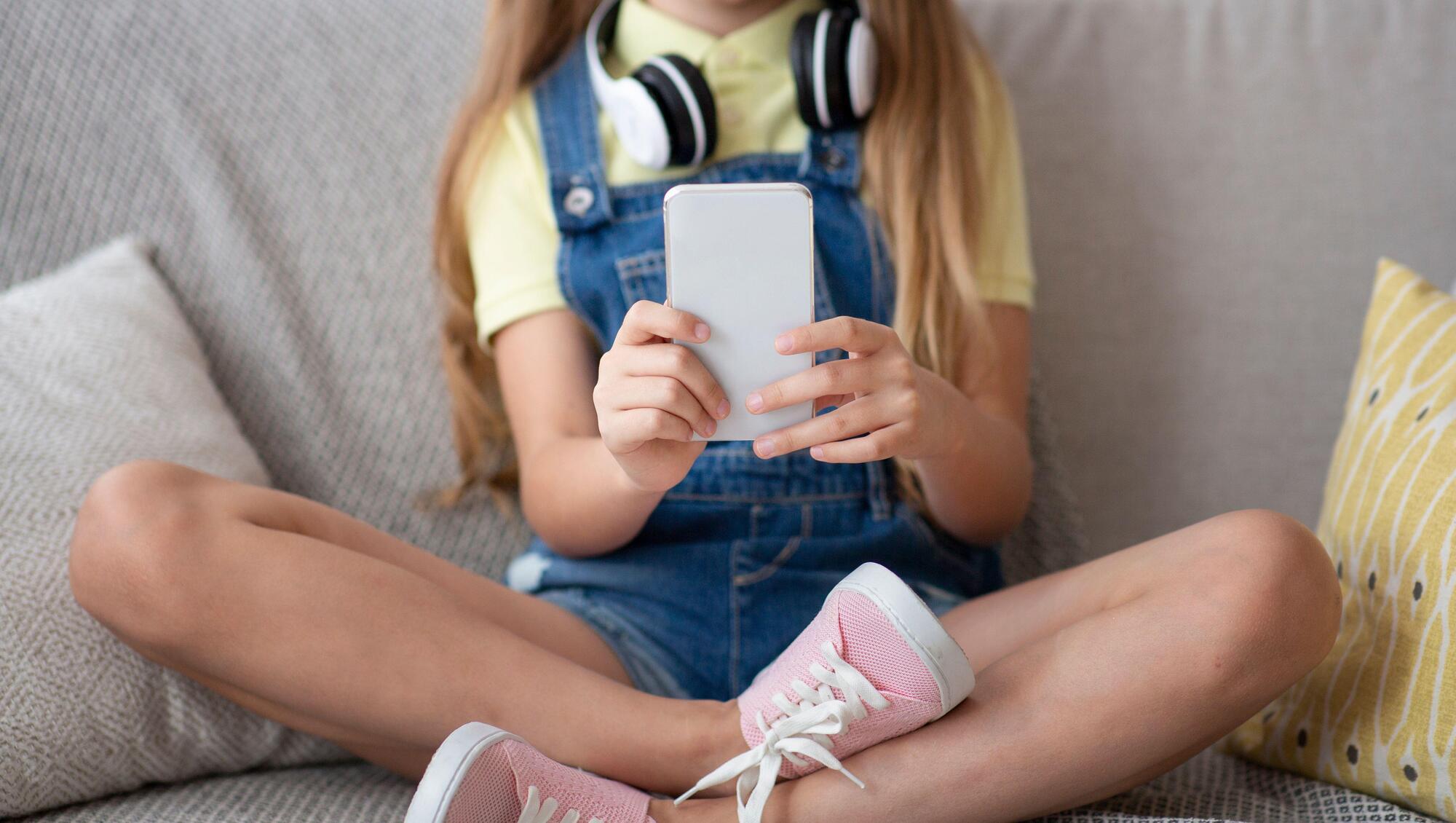
It might make parents unpopular, but holding back on that device could be the greatest gift you give to your offspring at Christmas
"The research is clear, children should not have smartphones, they do not have the capacity to manage them at that young age"

"The research is clear, children should not have smartphones, they do not have the capacity to manage them at that young age"

We are four weeks away from Christmas. You can feel it in the air, the sentimental songs about the ‘most wonderful time of the year’, and the drafting and redrafting of lists to place by the fire.

It’s a magical time, and I love it, what with the movies, the smoke swirling from neighbours’ chimneys, and all the chat about what the children would like this year.

But it can be difficult managing your child’s expectations. One of the rules we have, as a family, is that Santa does not bring phones, so do not ask him, because you will not get it. It is a simple rule, but very effective. None of them have asked for a phone for Christmas, because they know the answer.

I can’t think of anything worse on Christmas morning than watching a child unwrap a device that is going to annex their attention so completely and destroy their relationship with their parents and friends.

Phones are the modern Trojan horse: We let them in, and they pillage our children’s social world. We can feel the pressure to give in, but we should always do what we believe is right for our child, even if it means they are annoyed with us.

I have a simple philosophy as a parent: Never regret doing what you believe is right for your child.

My 12-year-old daughter has started to ask for a phone for her confirmation, and I have put into the parents’ WhatsApp group, ‘one last good summer’.

I am planning on not giving her the phone until she starts secondary school, so that she can play with her friends for those last two glorious months of innocence.

It is terrible that we have to think like this, but having worked in therapy for so long, and having a teenage daughter already go through this, I have seen what the phone does.

So, ‘one last good summer’ is my desperate attempt to keep the friends together for that last summer. The parents are all on board.

We joke about how our children hang around together, like we did in the 1980s, knocking in, heading out on their bikes, playing games, and watching movies together. It’s wonderful to observe, and so important for their confidence.

The more that parents are aligned on delaying their children’s mobile-phone use, the better it will be.

Of course, there will always be parents who give their children the phone early, but we must not be motivated or pressured by that fact.

We are not the child’s best friends, but the people who protect them and make important decisions for their wellbeing. Sometimes, that makes us unpopular.

I sit on the board of the Parenting and Technology Institute (PATI), and, last spring, we conducted a national study on the challenges facing parents and schools in managing children’s use of technology.

The research gathered responses from 1,182 parents and guardians and 56 school leaders and policy-makers, exploring issues including screen time, smartphones, gaming, social media, online safety, family wellbeing, and the challenges of establishing healthy technology boundaries.

The message was consistent: Parents are not simply looking for more information about technology. They want practical guidance, greater confidence, and achievable solutions that can be implemented in everyday family life.

Screen time was the big issue, identified by 807 parents (68%), followed by YouTube and video platforms (507; 43%).

Parents also wanted age-appropriate guidance, practical device controls, and co-ordinated approaches involving schools.

There was substantial alignment between parents and school leaders. Both groups identified concerns about smartphones, social media, and children’s wellbeing.

The conclusion was that the later children get phones, the better it is for their social wellbeing and development.

I speak with teenagers all the time, and I ask them: ‘What would you do differently now, if we could go back and start secondary school again?’ They nearly all say the same thing, ‘Not to get the phone as early as I did!’ They know the damage that doom-scrolling has done to their concentration.

They have lived the isolation it has brought into their lives, and they have been trapped by the recommender systems that feed them content to keep them engaged.

Most of the harm from phones is done to children between the ages of 8 and 14. They are just too young to understand how to use something so powerful. They have low levels of impulse control, and risk-averse thinking. So, the dangers are many.

The research is clear: Children should not have smartphones, because they do not have the capacity to manage them.

So, if you are thinking about allowing a phone into the house this Christmas, I would suggest you ask yourself what you are actually allowing into your child’s life.

Not getting your child a phone could actually be the greatest gift you could give your child this Christmas.

More in this section

Lifestyle

Newsletter

Eat better, live well and stay inspired with the Irish Examiner’s food, health, entertainment, travel and lifestyle coverage. Delivered to your inbox every Friday morning.

Cookie Policy Privacy Policy Brand Safety FAQ Help Contact Us Terms and Conditions

© Examiner Echo Group Limited