Richard Hogan: Why we find The Traitors Ireland TV show so compelling
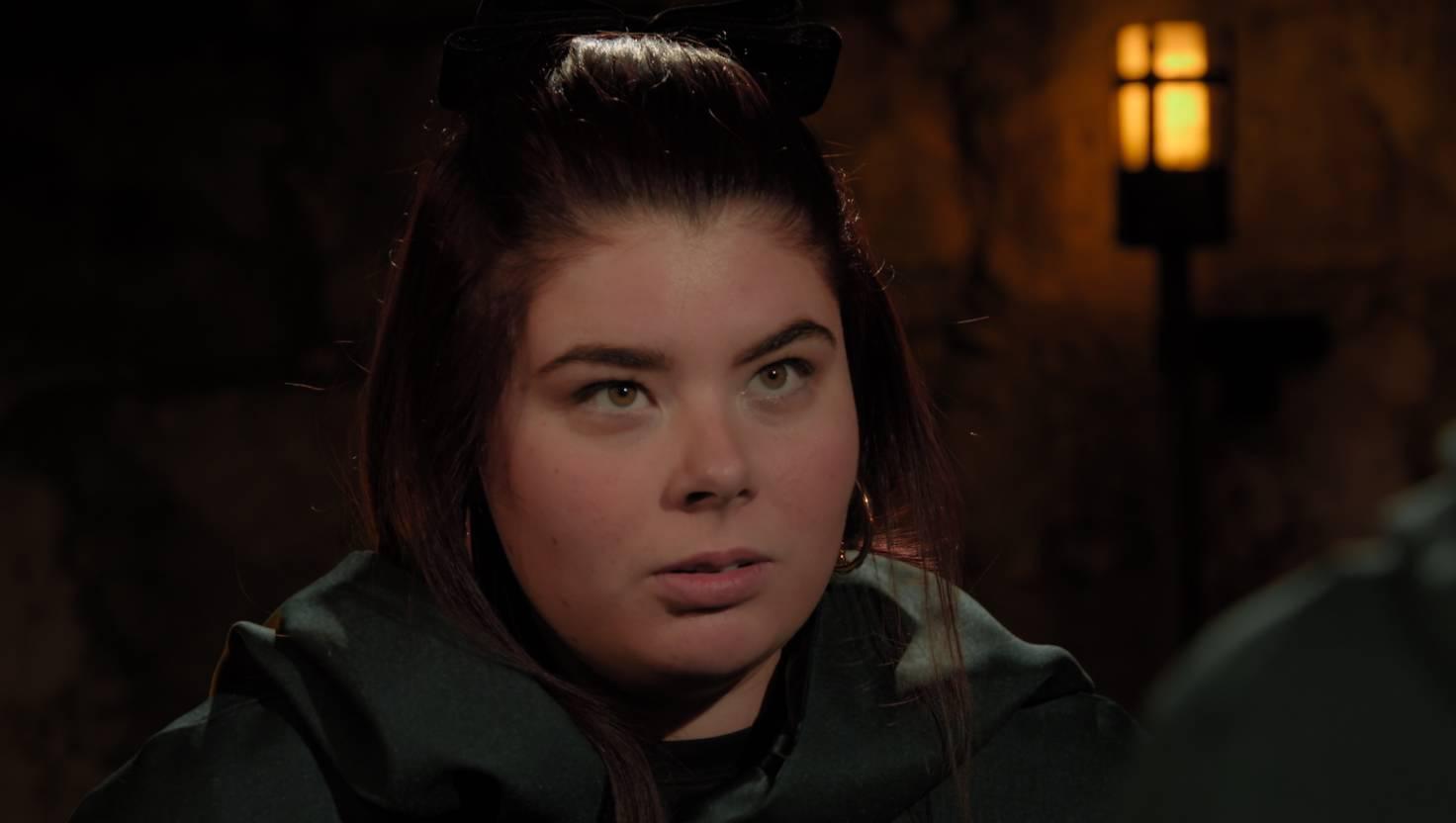
Traitor Carla in a scene from The Traitors Ireland. 'Even though the contestants know nothing is what it seems in the game and everyone is playing for themselves, they are still hurt and shocked when someone is revealed as being deceptive.'

The psychology behind the TV programme is fascinating to observe. I have been lucky enough to work on the programme, looking after cast screening and welfare. It’s a great show to work on, the contestants are magnificent and the format makes for dramatic TV.
Thousands of people apply each year to have a go at the castle and see if they can manage the stress of it all. They all come in with a game plan, and as Mike Tyson said: “Everyone’s got a plan until they get punched in the face.” The punch in this game is human nature.
We want to be liked, even when we know we can’t trust anyone, we still crave social bonding. It is programmed into us, it’s in our DNA.
The programme gives us great insights into human nature. When we meet someone for the first time, our brain goes through a complex process of trying to figure out if that person is a friend or a foe. It is called our in/out bias. The brain decides very quickly whether the person we have just met is someone we like or dislike, it makes that important decision in milliseconds.
Our brain scans their face, looking for familiarity, listening to tone of voice and body language, and if we find it familiar, then we will tend to like that person, trust them, and confide in them. Even though we are fully aware they are playing a game for money.
However, if we don’t find familiarity, we might treat that person harshly, distrust them, or avoid them.
You literally see that psychological phenomenon play out in the game when the contestants meet for the first time. They are all smiling, making small talk, endeavouring to be liked. When we meet someone we like, hormones are flying to connect us to that person. It is literally good for us, to like people.
You see that play out in the game, everyone trying to find a group they belong in.
We are mammals, and we desire group acceptance. A great way of bonding with someone is telling them something personal that you have experienced in life. We tend to clash on points of passion, but bond on those humanistic aspects of lived experience.
When someone discloses something vulnerable about themselves, it can speed up the bonding process. People feel like they might have something in common, a shared human experience that knits them together. So, in the game when someone has disclosed something personal about themselves, and they are caught in a lie, it shakes the tectonic plates of interpersonal relationships.
Even though the contestants know nothing is what it seems in the game and everyone is playing for themselves, they are still hurt and shocked when someone is revealed as being deceptive. The psychology of the game makes for brilliant TV.
You cannot stand out too quickly as a great player because you will be killed off by the Traitors, and you cannot sit back too much either because you’ll be killed off by the Faithfuls at the round table.
Another aspect of the show that I love is the fact that we all have to watch it at the same time each week. No one can spoil what is about to happen next. That’s the brilliance of TV. When we watch a boxset, it’s not the same thing. You can binge on it, but you don’t have that watercooler effect that TV creates.
People stop me on the street and ask me what is going to happen in the game, they tell me who they love and who they dislike. Rarely has a TV programme excited the imagination and impacted on society like . It is the biggest TV programme in Ireland.
We are collectively watching the programme as a country. It gives us such interesting insights into ourselves.
The players we like reflect something about ourselves, and those we dislike generally remind us about an aspect of ourselves we don’t like. That is why we react so strongly to them. The audience knows it’s a game, but they get lost in the drama of it all, too.
The game also shows our awkwardness around money. Nobody wants to admit they want the money, for fear of seeming money mad or unscrupulous. But of course they do. Money has destroyed many human relationships and made villains of ordinary, decent people.
is just simply great TV, because of the Irish people who play it.