Suzanne Harrington: That's what we do now... we star in our own lives
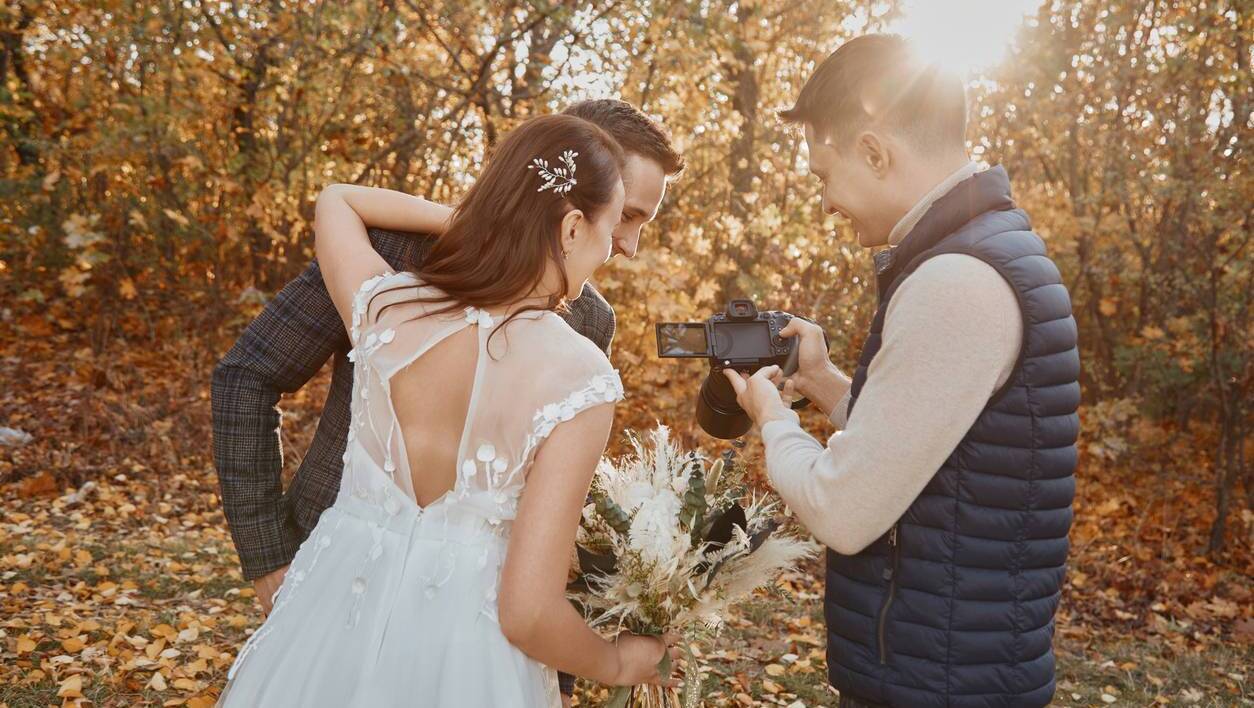
'You are being continuously filmed from every angle by your videographer, uploaded in real time by your content creator — that is, randoms following you around recording you from all angles.'

At Gatwick to meet my kid off a flight from Bangkok, I’m watching the flow of long-haul arrivals emerging through the one-way doors, and merging with the people waiting for them.
There’s a quiet fizz of excitement and expectation, of faces scanned, then wave after wave of squeals and hugs. It’s low-key joyous.
One family has gone a bit extra, unfurling a huge printed banner like they’re at a football match: Welcome Home Jeff & Julie.
Also, personalised helium balloons. As Jeff and Julie emerge to shrieks and clapping, someone films the whole thing, like they’re returning from a successful space mission.
A corner of the South Terminal has been hastily repurposed to host the airport money shot of a romcom, except instead of Hugh Grant, it’s Jeff and Julie in mid-range athleisurewear.
Because that’s what we do now — we romcom ourselves. We star in our own lives.
We are all main characters in the movie of us, every moment recorded, uploaded, shared for likes.
It makes me wonder if I am old and curmudgeonly now, Victor Meldrew’s long-lost girlfriend.
Of all these not-made-in-Hollywood productions it is, of course, The Wedding, which dominates in the performative stakes.
It can be any wedding — it doesn’t have to be Jeff Bezos renting Venice. The Wedding is where perfectly sensible people have been encouraged to temporarily think of themselves as Richard Curtis directing the Met Gala; it’s when ordinary Jeffs and Julies, Johns and Marys, Jacks and Jills, take leave of their senses as their brains are hijacked by the bridal-industrial complex.
The messaging is unambiguous: unless you are willing to mortgage the kidneys of your unborn children, your bridal romcom will be a low-budget one-star turkey.
Think of your Insta. In the , a guy writes about trying to organise flowers for his forthcoming wedding and being asked about his “preferred level of investment” — by the florist. Like he was buying bitcoin, not begonias.
Even in the olden days, The Wedding has traditionally been quite a complicated logistical undertaking involving the smooth flow of cars, cakes, dinners and dresses; in the digital age, it’s on par with production managing Coachella. Is this what we want?
Then there’s the jargon. The ‘bridal journey’ can involve a ‘storytelling approach’, using ‘multi-moment dresses’ — ChatGPT tells me this means ‘detachable overskirts’, ‘transformative minis’ and ‘modular accessories’ — so the bride can do Beyoncé costume changes all day long.
A modular accessory might sound like something you’d attach to your car’s sound system, but it’s not — it’s a bow, a cape, sleeves you can add on or take off as part of your ‘bridal narrative’. These changes happen ‘backstage’ with the help of your ‘bridal stylist’.
You are being continuously filmed from every angle by your videographer, uploaded in real time by your content creator — that is, randoms following you around recording you from all angles.
Even thinking about this makes me prickle with anxiety sweat. It’s not that I hate people. I don’t even mind weddings, as long as they’re someone else’s.
But there’s a reason people rhapsodise about the 90s — nobody, apart from Hugh Grant, was being filmed. Life was still a total romcom, just not a performative one.
It was lived, experienced, felt, and forgotten, ephemeral, and fleeting as confetti. It was freer.