Storage, repairs, mending: The fashion editor's guide to making your clothes last longer

We asked Style editor Annmarie O'Connor to share her top tips to keep your wardrobe in good shape 
Storage, repairs, mending: The fashion editor's guide to making your clothes last longer

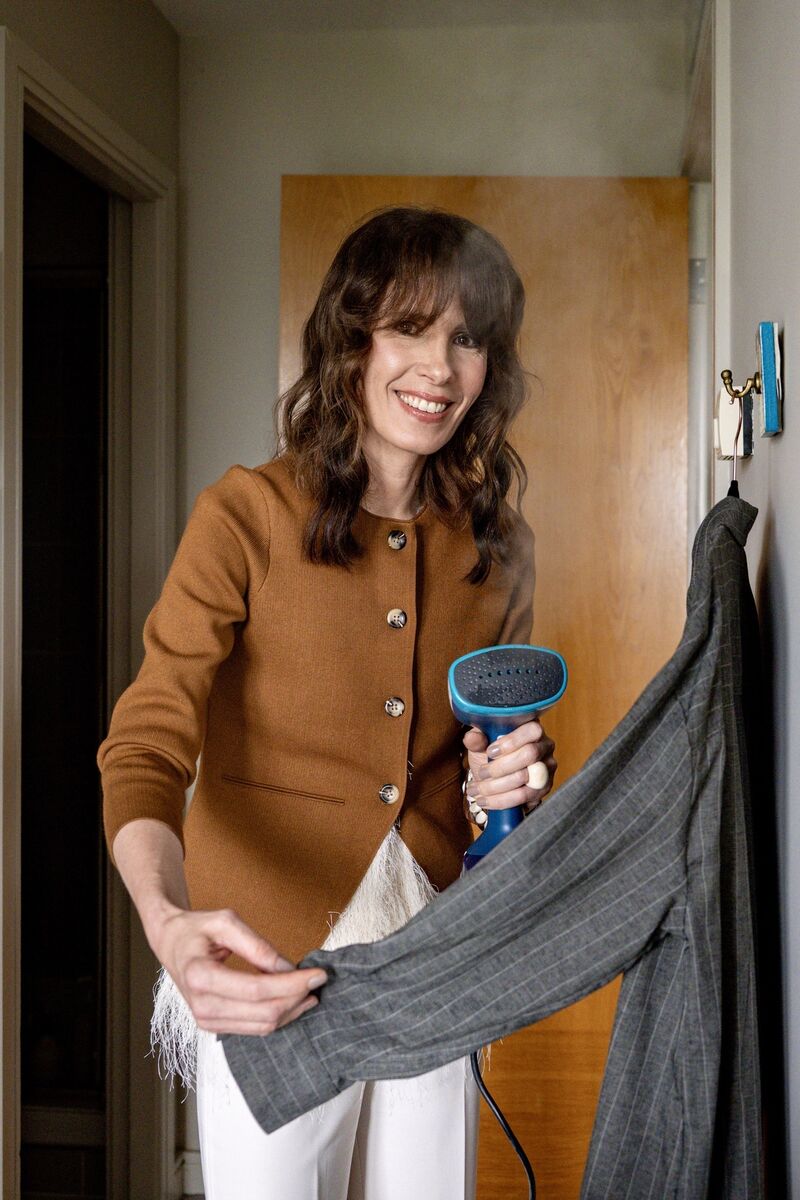
Fashion editor Annmarie O’Connor pictured at home, where her surroundings reflect her passion for style, as she shares tips on prolonging the life of clothing. Picture: Chani Anderson

The lifespan of clothing can run anywhere from two washes and a prayer to coasting seamlessly across the generations. Much of this has to do with fabrication and craftsmanship.

So does caring for what you wear. In a want-it-now world fed by clicks and swipes, speed has rewired our perception of value. There is no point investing in the best you can afford, if you are not going to match that in regular upkeep. Even a small outlay of time can make a big difference to the longevity of your wardrobe, your wallet and the planet. Buy well, buy once. Care well, wear it until it wears out.

Take it from me. I wrote a bestseller called The Happy Closet and dedicated an entire chapter to the power of maintenance. I’m also a total anorak about hangers. Apologies in advance. Storage, repairs, mending: they’re not sexy, but the results are always worth it. Here’s how I keep the life in the things I love.

Frozen to death

CLIMATE & SUSTAINABILITY HUB

Most folks put foodstuffs and ice cubes in the freezer and, a warm bottle of wine when needed. I use mine to prevent moth bites on anything wool, cashmere, or silk. Although adding fragrant cedarwood balls and lavender sachets to dresser drawers and closets helps, it doesn’t always prevent these unwanted houseguests from snacking on your vintage skirt. Why? The female adult moth is attracted to food and perspiration stains, not to mention starch and fabric softener. Here’s what to do instead. 

Hand-launder any pieces made from natural fibres and place them in the freezer for 24 hours. The sub-zero temperatures kill moths in their developing stages, thus staving them off after the item defrosts.

Annmarie O’Connor steams clothing at home as part of her approach to caring for and prolonging the life of garments. Picture: Chani Anderson

Elbow room

Moths aren’t the only purveyors of holes. My left elbow should be registered as a lethal weapon. Last body count, I had impaled the sleeve of four perfectly good sweaters in mid-winter. Great timing. 

On my search for elbow patches (and someone to sew them), I discovered that Cork’s Vibes and Scribes sells ones you can iron on. Available in a range of colours; these are ideal for sewing newbies, the time-strapped or those with questionable fine motor skills, like me.

Since applying the patches, I’ve yet to feel my bony aggressor leave another mark. Teachable moment? Absolutely. Miracle? Possibly.

Well-heeled

My most sustainable purchase is a pair of Dries Van Noten heels I bought at half price in 2009. For a decade, I wore them to any and every event; so often in fact, their cost-per-wear means they owe me money. Then covid hit and stay-at-home orders put social distance between me and my favourite shoes. By the time restrictions lifted, my feet had spread. I could only squeeze into them with some moisturiser and a decade of the rosary, and there was no way to take them off. To save me time and possible injury, I asked my local cobbler for help. He was able to stretch them up to a half size bigger in width and length. I reckon there’s another decade of good times to look forward to before their soles depart.

Annmarie O’Connor pictured at home holding a pair of vintage shoe lasts, reflecting her appreciation for craftsmanship and her passion for prolonging the life of clothing and accessories. Picture: Chani Anderson

Put that away

Skiing gear, wedding dresses, grandma’s fur coat: What do they have in common? They all need to be put away, whether for the off-season or the foreseeable future. But where? And how? Glad you asked.

When it comes to keeping your kit in good nick, location is everything. Attics are hard to seal, sensitive to temperature fluctuations and a popular haunt for dust, mites and insects that would love to munch on your Aran sweater. Basements, garages, garden sheds – anything that attracts damp is also a potential disaster. Unless your home has a small spare closet or a cool, dry storage area, think outside the proverbial box and let furnishings do the work. Fill unused shelves with storage baskets, crates or wicker boxes or make that decorative trunk at the foot of your bed do double duty.

Next, launder everything (remember those moths?) and ensure that all coverings are made from a natural fibre like cotton, which is breathable and allows air to circulate. Avoid vacuum pack storage bags that may damage delicate pieces or cause yellowing, mould and mildew in musty conditions. On a budget? Go DIY with a flat cotton sheet and a sewing machine. For shorter items like jackets, cut a small hole for the hanger head in a pillowcase. Now put it away and get on with your day.
Tools of the trade

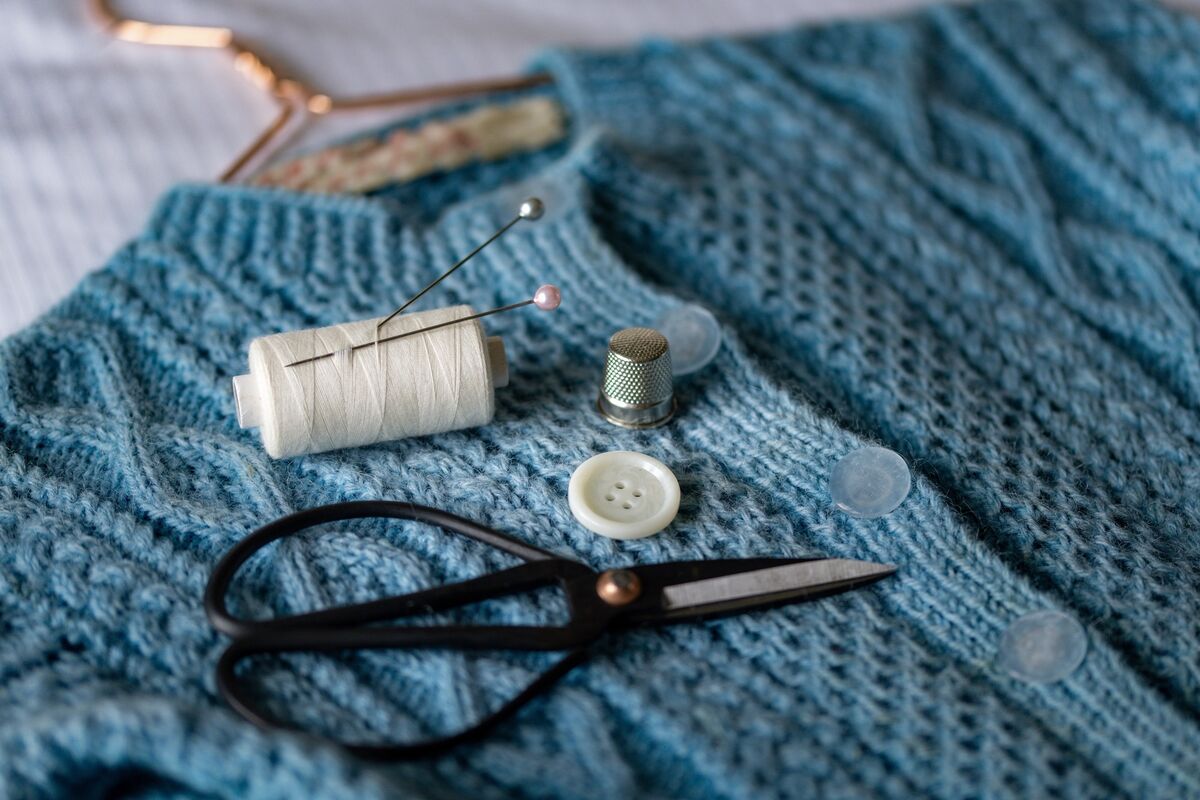
A close-up of Annmarie O’Connor’s sewing kit, essential tools she uses to repair and care for clothing. Picture: Chani Anderson

Hanging your clothes correctly also bears dividends. Like decent knickers, you might be the only one who sees them, but there’s no point shelling out for a designer dress if you’re sporting some VPL. Here’s what and what not to use.

At all costs, avoid wire hangers. Wantonly aggressive, they are known to snag and damage delicate fabric, leave permanent marks and unsightly wrinkles on trouser legs, and rust when in contact with damp, amongst other felonies.

Wood, on the other hand, is moisture-wicking and has a unique ability to mimic the body’s silhouette, allowing garments to retain their original shape, whereas the slim convenience of velvet comes into its own when hanging silky tops or blouses. Try a combination of the two: wooden styles for heavier items; and thinner velvet styles for everyday pieces.

As for knits? Purists argue hanging is an act of self-harm, but should drawer space be lacking, a sweater hanger prevents any sliding or stretching.

Whatever you do, never pull a hanger through the neck of a garment unless you want it to stretch like the political truth. Guide it out gently from the hem. And always allow for a bit of space. Your closet should not resemble the Tokyo subway at 5pm on a Friday.

Let things breathe. Trust me, they’ll last longer.

x

More in this section

Lifestyle

Newsletter

Eat better, live well and stay inspired with the Irish Examiner’s food, health, entertainment, travel and lifestyle coverage. Delivered to your inbox every Friday morning.

Cookie Policy Privacy Policy Brand Safety FAQ Help Contact Us Terms and Conditions

© Examiner Echo Group Limited