Suzanne Harrington: Irish in Britain have gone from being despised to celebrated
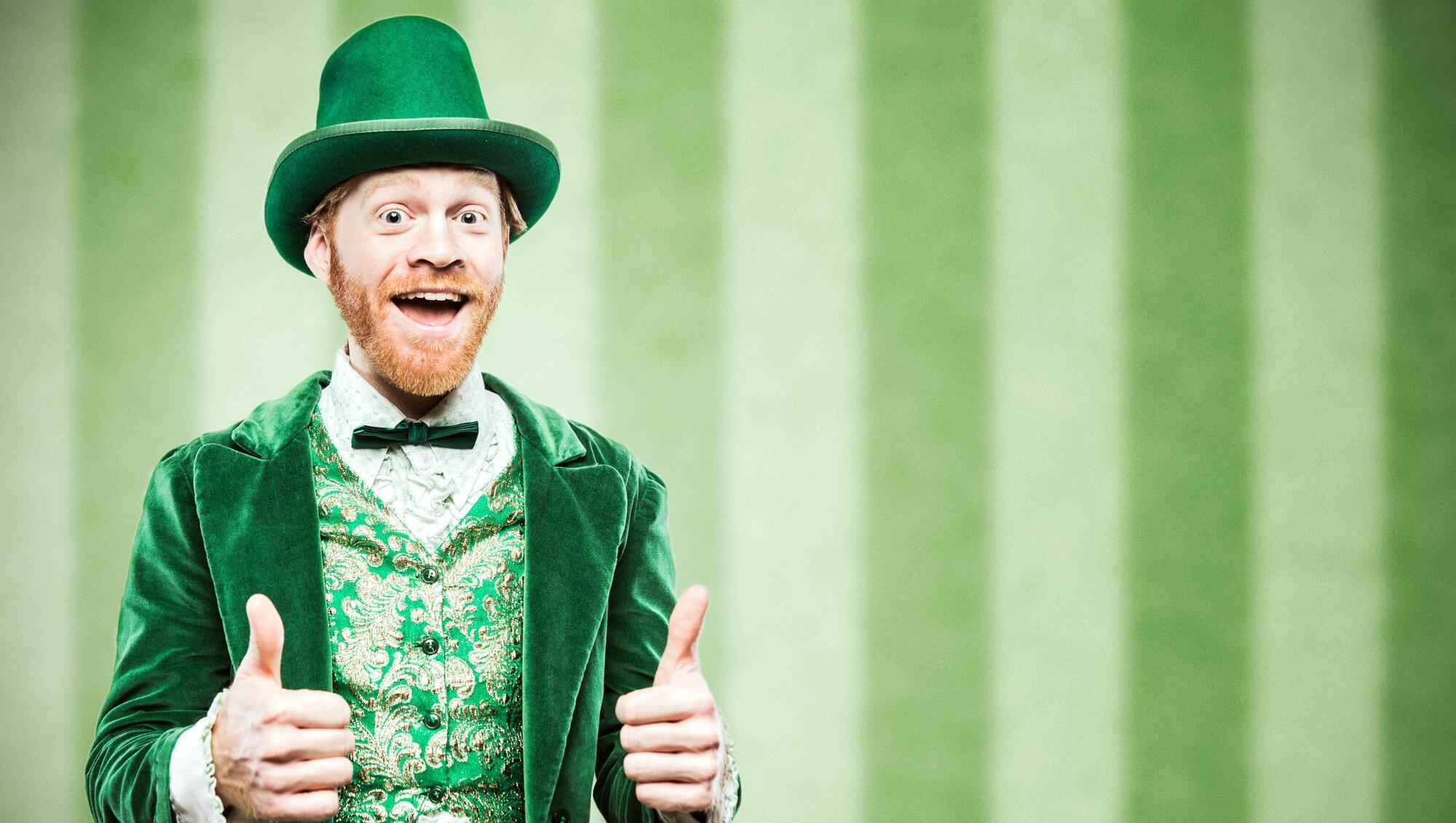
St Patrick’s Day has become another bead on the British necklace of marketable dates that link the year, like Mother’s Day or Valentine’s or any other Hallmark cash-in. It is no longer niche. Picture: iStock.

To celebrate St Patrick’s Day, my adopted home town has gone all out. Not just the usual pub crawls, parties, céilidhs, live Irish music, shamrock-themed club nights, but drag shows, accessorised by green glitter and Guinness.
In Gay-Town-On-Sea — Brighton — our local drag queens will transform themselves into sparkly leprechauns and towering glamour-colleens.
The long-term Irish immigrant may slightly boggle at this celebratory cultural overlap. The long-term Irish immigrant might think, wait, what? How did that happen? The answer is slowly. It happened very, very slowly.
All around Brighton there will be ‘sessions’, advertised as "foot-stomping reels" with fiddles, bodhráns, accordions. It will be "great craic". All the advertisements show young people laughing while clutching black pints and amber shots, against a bright green background. Almost nobody will be Irish.
I get it. It’s the middle of March, still cold, dark, and wet, and venues need to make a living. Also, people need fun. But watching foreign capitalism co-opting our national holiday is like watching a python digesting a goat; it’s a curious, gradual process.
St Patrick’s Day has become another bead on the British necklace of marketable dates that link the year, like Mother’s Day or Valentine’s or any other Hallmark cash-in. It is no longer niche.
Unlike in the US, March 17 in the UK used to be a small thing that happened in a handful of Irish pubs in immigrant postcodes. Back when Irish people kept our heads down, when anti-Irish racism was standard Saturday-night entertainment during the Thick Paddy era.
Then we became cool, and counter-attacked by naming our British-born kids with names that only we could spell or pronounce. Nobody would have named their kid Caoimhín or Clíodhna, Tadhg or Sadbh in the 70s, or even the 80s. Now we’re throwing all kinds of Fachtnas and Naoises at them. Even the odd Caoilfhionn.
These days, British racists and bigots tend to be more focused on firebombing mosques and standing on Kent beaches shouting at dinghies while wrapped in made-in-China Union Jacks, although anti-Irish racism hasn’t fully gone away. Like the recent Potatogate case of a British male employer and his "banter" directed at an Irish female employee.
They probably wouldn’t have sought them in the first place. Bejaysus, begorrah.
These days, unless you are perceived as a threat to the British state’s messaging — Kneecap, take a bow — the Irish in Britain have gradually gone from being despised to tolerated to celebrated. There are Irish voices all over UK media, from Deb Grant and Siobhán McSweeney, to Dara Ó Briain and Cillian Murphy, to the cultural institution that is Graham Norton.
The Murphia Awards, celebrating Irish hospitality talent in London, are in their 12th year. A Killarney woman won the Best Actress Bafta. We’re dead cool now.
No wonder so many Brits want to celebrate St Patrick’s Day — apart from anything else, St George’s Day has been ruined by flag-shaggers, creating a whole swathe of cultural refugees keen for some craic.
Céad míle fáilte, guys. Green heart emoji.