Colm O'Regan: Teddy bears are back in vogue but my kids have to respect my geriatric buddy
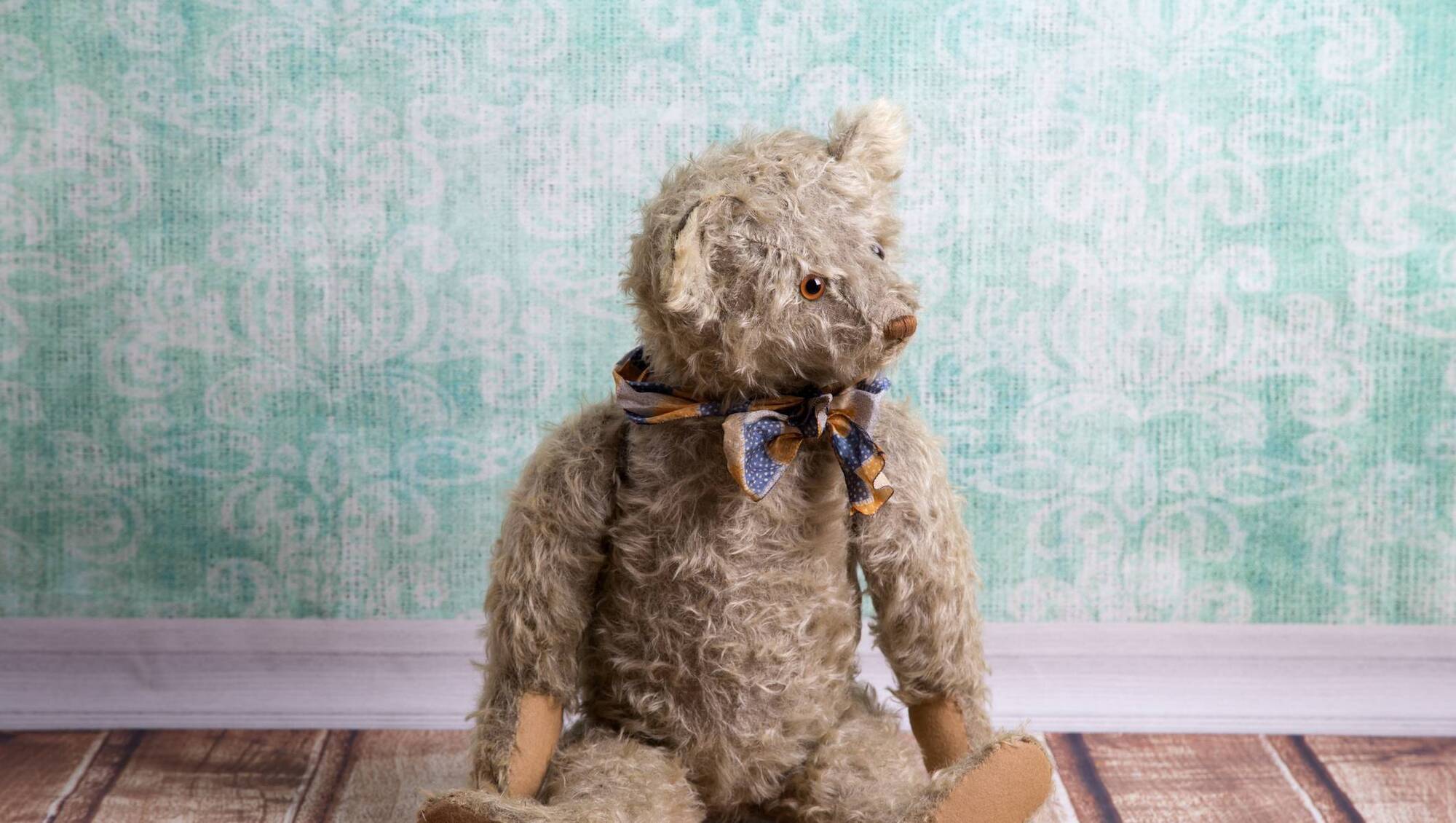
In teddy years Sylvester is a pensioner.
āBe careful with Sylvester nowā. I sound a little shrill. But Sylvester is old and my children might be too rough with him. In human years heās 40-something so he should be obsessed with planning permission and the timetables for the bins. But in teddy years heās a pensioner.
Slyvester is not even the oldest cuddly toy in the pantheon. Somewhere in a box here or in the mothership there are Teddy and Pixie who are in their fifties where passed down from siblings. Teddy is so worn some of his blemishes look like liver spots. But theyāre still hale and hearty. Theyāll probably try the Camino next year.
My cuddly toys are a cast of characters assembled slowly over years of Santa visits.
For decades they were dormant. In boxes, not played with, not consulted. I grew up and became concerned only with getting a shift or a degree or I had a big important job and it was considered āsub-optimalā to take Sylvester or Henry Bear or Panda out during client meetings to ask their opinion on the latest progress report.
But in recent years they came back. Just as children rediscover their parentsā music and say, āHave you heard of Nirvana Daddy?ā so the teddies have come back in vogue. The girls particularly like their eyes. Teddy eyes have become less of a āchoking hazardā in recent years. The black-and-amber disks have been replaced with safer stitched dots. My teddiesā eyes are scratched and schlerotic but they see well enough.
Not all eyes survived. Poor Edward, a blue teddy bear bought at a jumble sale (remember them!) has had an eye eaten by mice but depth perception is not always a prerequisite for cuddles.
I was nervous at first. Would these geriatric toys survive their first new crush? Our children give us hugs but nothing like the hugs they gave their own cuddly toys. They deliver a pounds-per-square foot that is only rivalled by Elmyra-from-Animaniacs. The children are aware these toys are to be respected though. They are never brought out of the house.
And itās hard to truly relax with a teddy if the teddyās former owner is hanging around nervously like a ministerās media handler. āOkay thatās the end of the interview, Panda Bear will not be taking any more hugs now.ā But they did take to them.
Itās fascinating watch children interact with them. They (the scientists gathered somewhere in their white coats) say small children believe that things have an essence or a life force in them. In 2007, scientists got children to bring in a cuddly toy and then promised to duplicate it using a sort of magic duplicating machine and each time the children went for the original even though there was an identical one next to it. The scientists reckon think that itās because children give these objects a life. Just as we get fond of a jalopy of a car or house and ascribe animate qualities to it. Iām very susceptible to this.
Heck, Iāve even ascribed life-like qualities to much loved jumpers and accidentally said goodbye out loud to them in charity shops.
As the children get older, a new problem arises. They are less into cuddly toys than before and so I worry that my teddies will once again slip into the background. Iām already guilty about abandoning them before. Will they be able to take the disappointment again? Unless there is some sort of legal protection? Maybe where thereās a will, thereās a teddy. Itās a symptom of a fear we all have. That when weāre gone itās bad enough, but much worse is that all our stuff will be gone. We canāt control what people will hold onto.
Itās almost too much to bear.