Louise O'Neill: why I feel so on edge this week
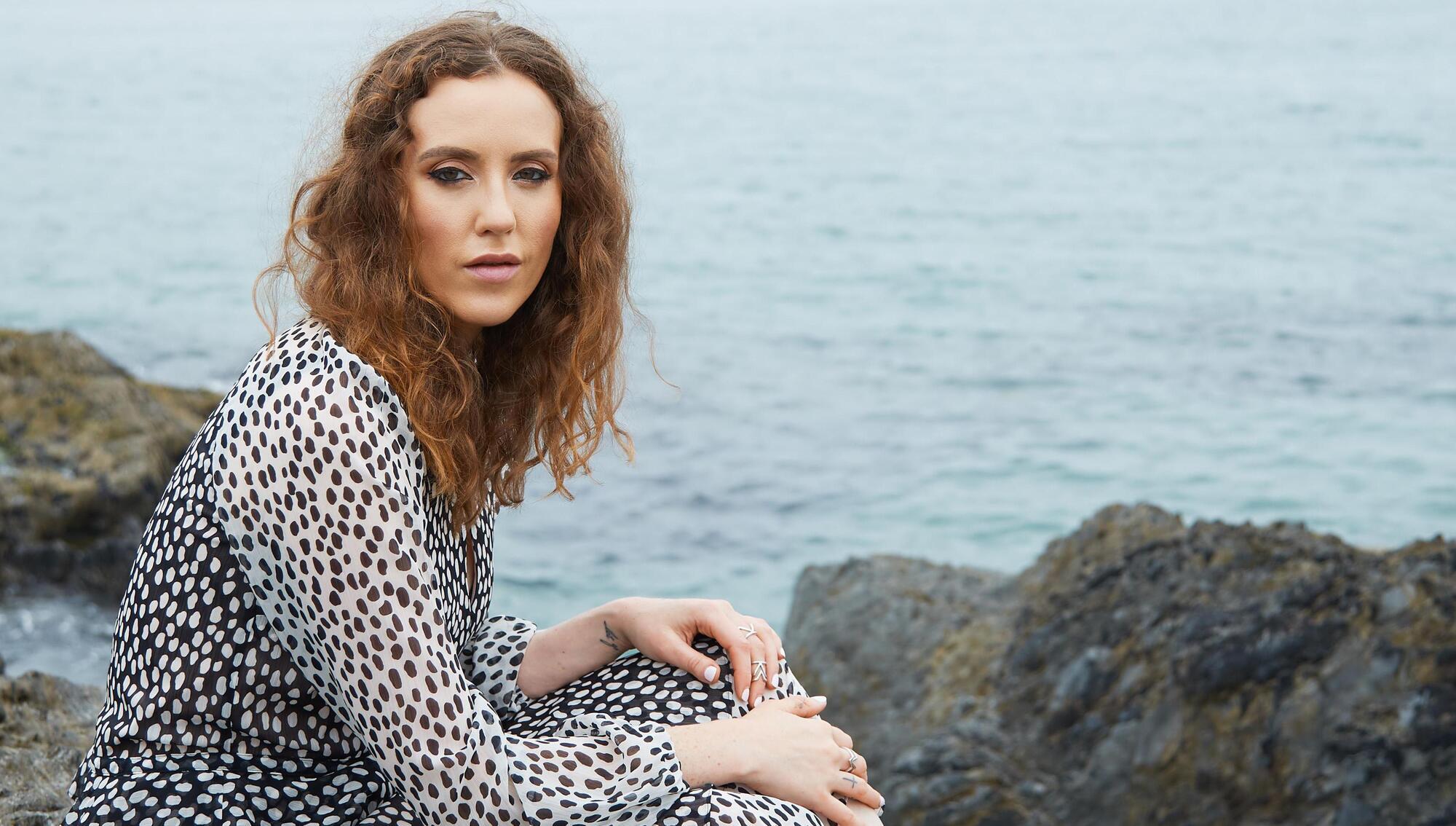
"Maybe that’s why I feel so on edge this week: because there doesn’t seem to be one clear-cut answer, one definitive path to safety. And the stakes are too high to countenance any errors."
Picture: Miki Barlok

Picture: Miki Barlok

How are we all feeling this week?

I, for one, am exceedingly fed up. I want to fall to the ground like a child and throw an almighty tantrum, wailing “it’s not fair!” and “I just want this to stop now!” at the top of my lungs. (I am aware that this isn’t a good look for a woman in her mid-30s so I have refrained thus far)


But my frustration is undercut by a creeping sense of dread, one that I haven’t felt since the early days of the pandemic. I’m worried that keeping the schools open isn’t sustainable but I’m also worried about how parents will cope if they have to juggle remote learning and working from home again — not to mention the impact it will have on the children’s psychological development. I’m concerned about the impact moving to Level 3 will have on the economy, visions of ghost towns full of shuttered shopfronts dancing before me. 

I’ve lived through a recession before and I know that it doesn’t just visit one family or one business, it affects everyone. But I also know that if a loved one died of Coronavirus — or simply was involved in a car accident and there wasn’t an ICU bed available for them because of over-crowding — I wouldn’t care if the world was being plunged into an economic Armageddon of the likes we’d never seen before, I would be screaming for justice, wondering why we hadn’t gone to Level 5 when we had the chance. 

Will this latest decision by the Government work to stem the increase in cases? Or have they just signed the death sentence of thousands of people? 

Maybe that’s why I feel so on edge this week: because there doesn’t seem to be one clear-cut answer, one definitive path to safety. And the stakes are too high to countenance any errors.

I’ve found it difficult to drift off over the last few days, and no matter how long I sleep, I wake feeling exhausted. I’ve been reaching for chocolate more than I ordinarily would, eating past the point of comfort rather than listening to my hunger signals. All of my usual tricks — yoga, meditation, journaling — seem out of my reach, I can’t settle long enough for any of them to take root. On an anecdotal basis, I’ve also been struck by how many messages I’ve received from people in recovery who are teetering on the edge of relapse. It makes sense, in a way; even though some found lockdown a valuable period in which they were able to slow down and re-set, for many more 2020 has been an extraordinarily difficult year.

A new paper from the Psychological Society of Ireland has cautioned that the mental health impact of the Coronavirus could be with us “for a long period of time”, warning that “living through a catastrophe significantly increases risk of anxiety, stress, post-traumatic stress, depression, and substance use". 

The way in which addicts habitually deal with difficult emotions, whether it’s pain or fear or grief, is to numb out, so it’s not surprising that even those who had many years of recovery under their belt are struggling. If you’re feeling vulnerable to relapse, whether that’s alcohol or drugs or food, please talk to someone you trust. Reach out for professional support. 

This is a precarious time — even people who have never experienced mental health difficulties before are feeling a bit shaky right now.

Asking for help, no matter how far along in your recovery you are, is always a sign of strength, not weakness.

And for everyone else reading this, if you’re just feeling cranky and irritable and fed up with life, I want to leave you with something that has given me great comfort over the last couple of weeks. It’s a viral Twitter thread by Dr Aisha Ahmad, who is, amongst many other things, a professor of Political Science at the University of Toronto. She wrote that, “the 6-month mark in any sustained crisis is always difficult… this is a very normal time to struggle or slump. 

I *always* hit a wall 6 months into a tough assignment in a disaster zone. The desire to ‘get away’ or ‘make it stop’ is intense… What can I share to help you? First, the wall is real and normal. And frankly, it’s not productive to try to ram your head through it. It will break naturally in about 4-6 weeks if you ride it out… So, I don’t fight it anymore. I don’t beat myself up over it. I just know that it will happen & trust that the dip will pass... Take a breath & a pause. You’ll be on the other side in no time.”

I suppose in the end, that’s all any of us can do. Take a breath. Wash our hands. Wear the mask. Stay two metres away from each other. And trust that we’ll get to the other side soon.

Louise Says

Listen: Sowing Acorns. The second album from Emma Langford showcases her prodigious song-writing talent and beautiful voice. Birdsong is a standout track; I can’t get the refrain of “Til your eyes find me, I’m strong as my bones” out of my head!

Read: Betty by Tiffany McDaniel. This is a fictionalised account of the author’s family story, inspired by her mother. Born to a Cherokee father and white mother, Betty’s world is one of poverty and abuse but also of great love, creativity, and story-telling. Set in the foothills of the Appalachians, this is a heart-breaking novel.

x

More in this section

Lifestyle

Newsletter

Eat better, live well and stay inspired with the Irish Examiner’s food, health, entertainment, travel and lifestyle coverage. Delivered to your inbox every Friday morning.

Cookie Policy Privacy Policy Brand Safety FAQ Help Contact Us Terms and Conditions

© Examiner Echo Group Limited