Joe McNamee: 'Wellness' sector is worth $1trn — but much on TikTok is downright dangerous
The internet is where science and facts can be distinctly second to clicks, likes, and followers.
Joe McNamee: 'Wellness' sector is worth $1trn — but much on TikTok is downright dangerous

Joe McNamee: I near wept at a comment from a 13-year-old girl, wondering if it was healthy for someone her age to lose 6kg in a single month, as promised in the gormless advice of the original poster.

Buzzing after a prolonged evening session at the table tennis club and struggling to sleep, I rolled out my Shakti Mat. Pray tell, says you, what’s a Shakti Mat when it’s at home?


A Shakti Mat is a cloth mat with thousands of small, keenly sharp, hard plastic spikes — effectively a bed of nails.

The initial sensation when laying your full, bare-backed weight on top of it is an acute physical definition of “excruciating”.

I also began to meditate. Oh dear sweet Jesus, you cry, we’ve lost the poor sod, succumbed entirely to a fatal case of “wellness”.

Actually, I was persuaded to try the Shakti Mat by a friend who is as far as it is possible to be from the wellness camp or alternative health practices.

The trick is the large amount of “nails” (8,000 on my mat) means the force of the body weight is distributed over a large area, so skin is never punctured. Yes, it is shockingly painful at first. But I liken it to a first cousin of winter sea swimming, where the initial shock is almost unbearable but — and deep breathing helps with both — you acclimatise. 

With the Shakti Mat, consciousness of pain dissipates entirely as you drift off into an almost trance-like state. As with sea-swimming, the body is afterwards flooded with endorphins.

You soon come to relish that initial shock, signalling, as it does, that imminent promise of endorphin ecstasy. Endorphins are natural painkillers and mood elevators, so benefits include relief of physical pain, mental stress and tension, and promotion of deeper sleep. If this is “wellness”, then I’m all over it.

“Wellness” was coined by US physician and biostatistician Halbert L Dunn in 1950, a portmanteau of “wellbeing” and “fitness”.

Dunn, the “father of the wellness movement”, reasoned that an increased striving for “prevention”, furthered amplified its benefits as a “cure”.

In other words, make conscious and moderate choices to achieve optimal physical and mental health and wellbeing.

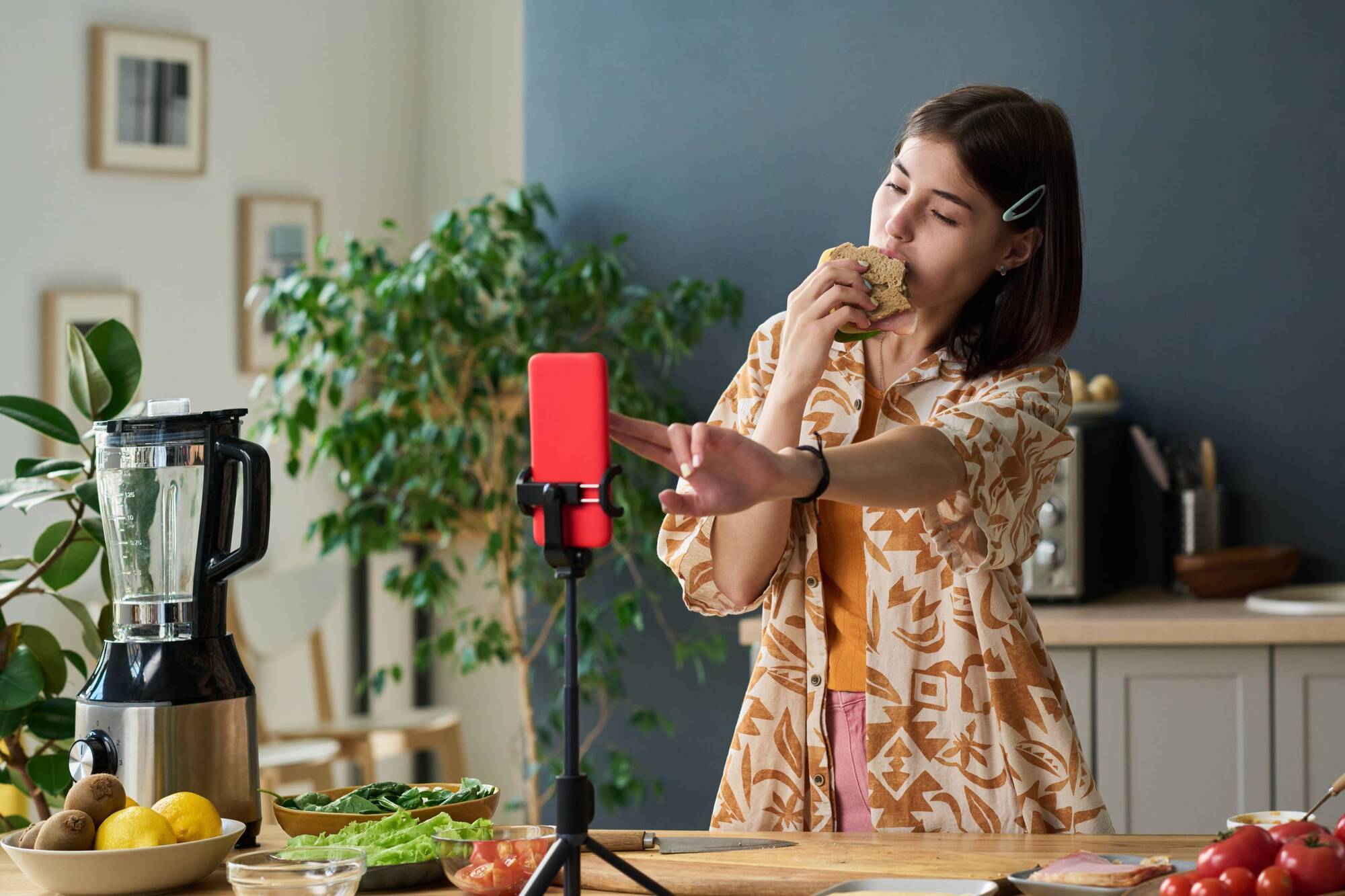
The University of TikTok is currently rampant with “healthy food hacks” to fast-track your way to wellness. The levels of idiocy are staggering

A pronounced focus on diet and nutrition was crucial to his work.

After a liberal seasoning of 70s/80s New Age woo-woo, wellness gradually became mainstream. However, it is really since the advent of the internet that it has exploded as a worldwide phenomenon and multi-billion dollar industry.

The global wellness food, nutrition, and weight-loss sector is now valued at over $1tn.

The internet is also where science and facts can be distinctly second to clicks, likes, and followers.

Peak wellness season is January, following hot on the heels of peak “worstness” season, aka Christmas, and all its gloriously debauched excess.

The University of TikTok is currently rampant with “healthy food hacks” to fast-track your way to wellness.

The levels of idiocy are staggering: Steeping lettuce leaves in hot water as a sleep aid; cucumber dipped in sugar/Stevia as a substitute for melon; “healthy Coke” made of balsamic vinegar and sparkling water; banana wrapped in bacon.

My personal favourite is a “healthy” treat made by dipping a cherry tomato on a stick in melted chocolate and then rolling it in sprinkles.

More seriously, much content is downright dangerous, posted by often self-appointed “nutritionists”. Some is active promotion of near-anorexic practices: One too-skinny poster recommends eating a pouch of baby food as a full meal; I near wept at a comment from a 13-year-old girl, wondering if it was healthy for someone her age to lose 6kg in a single month, as promised in the gormless advice of the original poster.

For all we may scoff at the world of wellness, there is something deeply heartening about young people choosing to care for their own wellbeing, and food choices can even be medicinal. In Japan, shiitakes are an essential part of post-cancer clinical treatment in mainstream medicine with scientifically proven efficacy.

But reading back over the 1950s work on wellness by Halbert, what he was really talking about when it came to wellness diet and nutrition was eating good food in moderation.

If it’s a hack you want, it’s hard to top food writer Michael Pollan’s: “Eat food, not too much, mostly plants.”

To that I’d add: Make sure it’s premium, seasonal, local, and Irish.

Table talk

Brewing power: Food and Drink in 16th-century Ireland is a six-part interactive public lecture series (February 6-21) at Dublin Castle, led by Trinity historian Susan Flavin and the FoodCult project.

A long way from TikTok food trends, but infinitely more fascinating and approachable, it moves between Dublin Castle’s kitchens and reconstructed Tudor brew houses, combining history, science, archaeology, and craft, through talks, film and guided tastings.

eventbrite.ie

Venerable Master Butcher Dave Lang, head of the Associated Craft Butchers of Ireland, delivers Butchering of Beef, Pork & Lamb: An Overview, a training course organised by Teagasc Ashtown, for all interested in butchering their own beef, pork, or lamb.

Of obvious value to chefs, small farmers, speciality food producers and those in the livestock and meat processing sector, there is an astonishing appetite amongst the general public at large for such an easily accessible one-day online session.

teagasc.ie/

TODAY’S SPECIAL

A canny publican identifies the changing winds in drinking habits and offers a genuinely enticing range of non-alcoholic drinks.

My current ‘tipple’ of choice, Cork-based Tranquiltea, would be one such option. Though obviously aimed at the ‘wellness market’, I am simply enjoying it as a genuinely refreshing drink, especially after exercise, as a thirst-quenching gentle landing. 

Always a great man for all varieties of tea, I am very partial to this jasmine green tea-based beverage. Amongst its nutritious and health-enhancing additions are magnesium and lion’s mane mushroom extract, and, sweetened with stevia, it is designed to relax and calm. 

While that’s all fine and dandy, I am equally taken with the subtle yet compelling taste profiles, of the three flavours, Citrus Chill, Berry Bliss and Tropical Calm.

tranquilitea.ie

Read More

More in this section

ieFood

Newsletter

Feast on delicious recipes and eat your way across the island with the best reviews from our award-winning food writers.

Cookie Policy Privacy Policy Brand Safety FAQ Help Contact Us Terms and Conditions

© Examiner Echo Group Limited