Making friends with your freezer over Christmas
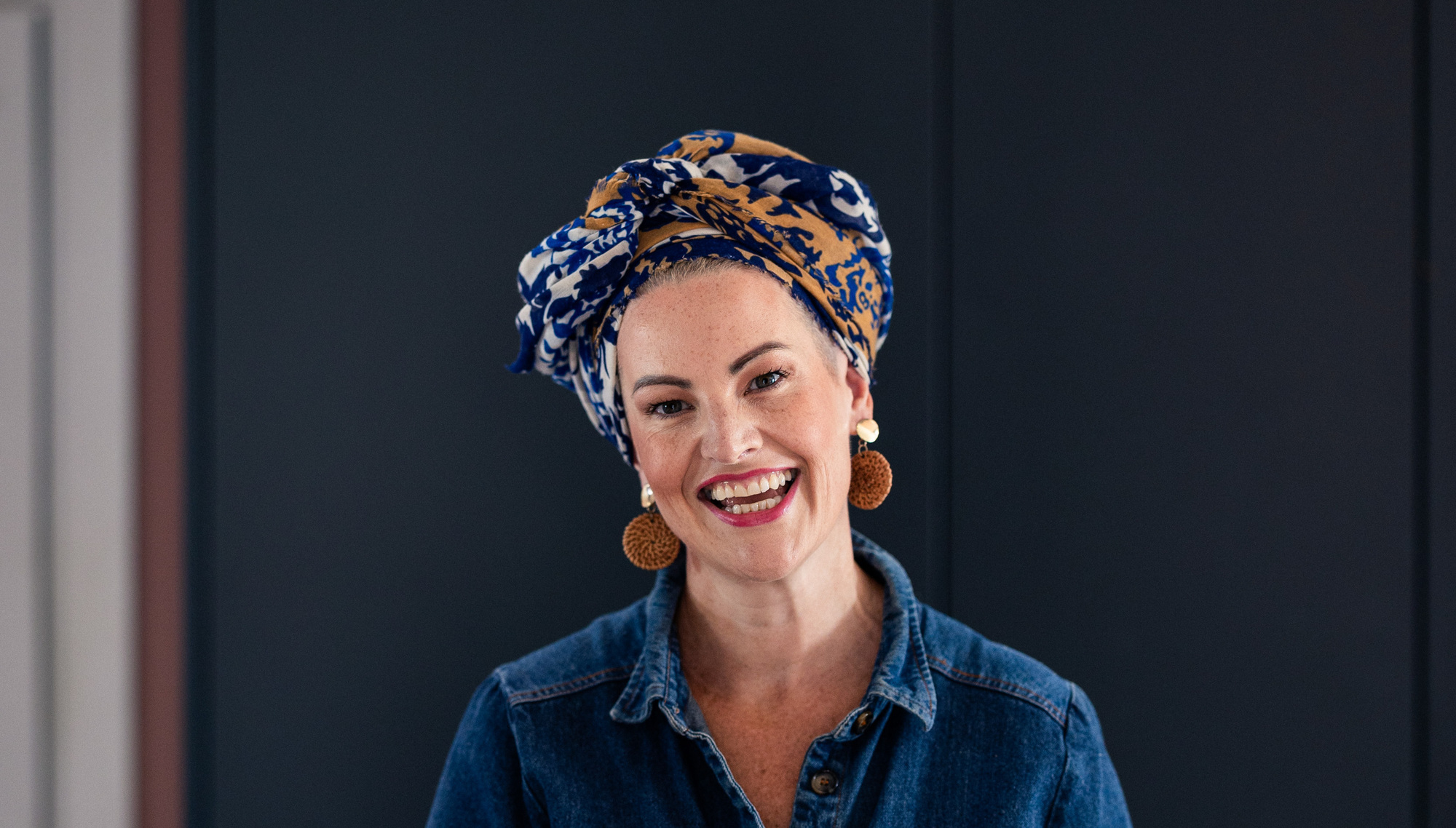
Orla McAndrew: The freezer helps to keep Christmas cooking grounded in common sense
With Christmas almost here, kitchens everywhere are braced for the annual feast. Amidst all the planning, gathering, and cooking, one humble household hero is often overlooked: The freezer.
It may be sometimes seen as the place where good intentions go to die, but zero-waste caterer Orla McAndrew disagrees.

“Your freezer buys you time,” she says. “It turns potential waste into future meals, and it keeps Christmas cooking grounded in common sense instead of excess.”
Food waste is a year-round problem that becomes an acute issue at Christmas time. We waste approximately one third of the food that comes into our homes, according to research by Teagasc’s Sinéad McCarthy.
As we buy much more food for Christmas, the potential for food waste increases.
Discarded food causes environmental problems with wasting resources — think of all that water, land, and energy gone into food production — and it also contributes to climate change by creating methane gas as it decomposes. Nor does food waste make any sense economically: Throwing away hard-earned cash is no way to celebrate Christmas.
As a caterer, the freezer plays a central role for McAndrew, but its usefulness doesn’t stop when it comes to her home kitchen.

“It’s a really integral part of my larder,” she says. In her book she has a selection of ideas on how to make the best of this kitchen space, which she classifies as being “the pantry, the fridge, and the freezer, the three of them working in harmony together.”
McAndrew believes that the freezer is often overlooked: “I don’t think that people consider it as part of the larder, as in planning it and stocking, but it’s really transformative for me to be aware of what’s in there, what needs to go in there, and trying to make sure that the food is as good and nutritious as it can be.”
Don’t overfill your freezer, she advises. “If it looks like it’s getting over 60% full, really start going through it as you can lose so much at the bottom.”
An important element is organisation — McAndrew makes lists and checks them twice.
“When it comes to the freezer, I have to have a list of what’s in there. It’s the one thing that I couldn’t operate without. So I label it, date it, and have a little stock list of what’s in there.”
Before embarking on the big shop, it’s worth taking the time to do a stock take.
“Take 10 minutes and map out what you are genuinely going to cook,” she says.
“Be honest about how many people you are feeding and how much they will actually eat. A simple plan saves stress, saves money, and keeps good food out of the bin.”
Knowing what ingredients you already have on hand makes planning much easier and avoids panic purchasing.
“It keeps things simple, it saves money, and it stops perfectly good ingredients from going to waste.”
Planning is key to making the festive season less stressful and, for McAndrew, that’s also where the freezer can help.
“Chop the onions, peel the carrots, make the gravy base, and get a few bits into the freezer.
“Freeze herbs in oil, breadcrumbs from stale bread, vegetable trimmings for stock and any leftover meats or sauces.
“When the basics are done, you can see what you already have, and you are far less likely to panic-buy.”

Some of her top freezer foods to stock up on include frozen peas — great for adding nutrition and colour to pasta dishes, paellas, and risottos — along with shortcrust, puff, and filo pastries for new twists to seasonal suppers.
“There’s a special dish that I’ve been doing consistently for the last four years. It started when we were two people down for Christmas, and we had so much food left over. I literally chucked the entire dinner into a casserole tray, topped it with puff pastry, and stuck it in the freezer. We cooked it on New Year’s Day, and it was incredible. Everything from the meat and gravy and cranberry sauce, literally every single thing in the one dish.
It’s also critical to use them quickly. Safefood recommends that leftovers be covered, refrigerated, and used within three days or frozen for up to six months. When reheating, food needs to be what they call “piping hot all the way through.”
McAndrew likes to make and freeze béchamel sauce in advance so that it’s ready to use in dishes that will transform food from leftovers to irresistible.
Dishes from like fridge raid puff pastry parcels, ham and cheese tartlets, chicken (use turkey) and broccoli pie, or gnocchi (made with leftover mash) with béchamel and baked ham are all ideal when you need new ideas to revitalise tired bits.
Although a devoted fan of leftovers, McAndrew doesn’t want them to stick around for too long. “I tend to freeze them and use them as fast as possible because,” she adds with a laugh, “once January comes, I’m over Christmas.”